
Over the past few years, Nigeria’s creative economy has entered a new phase of maturity. Large-scale festivals, international partnerships, creative technology initiatives, and cross-sector collaborations have become increasingly visible, suggesting that the conversation is gradually shifting beyond cultural output towards the infrastructure that supports it.
Yet visibility alone does not equal institutional progress. As the industry expands, equally important questions emerge: Who is building the systems? Which models are proving sustainable? And can these platforms scale beyond individual success stories into long-term industry infrastructure?
Increasingly, however, a different conversation is emerging.
One centred not on what Africa creates, but on how Africa builds.
If African music is to sustain its global momentum, the industry will need more than cultural exports. It will require organizations capable of developing talent, producing world-class experiences, building intellectual property, and creating pathways that outlast individual successes.
That broader conversation makes Livespot360 an interesting case study.
Over the past decade, Darey and Deola Art Alade have built a company whose work spans live entertainment, production, technology, partnerships, and industry convening. Their journey offers an opportunity to examine a larger question: what does it take to build creative institutions capable of supporting Africa’s cultural economy at scale?
What does Livespot360 tell us about the future architecture of Africa’s creative economy?
Beyond the lights, headline-grabbing productions and cultural moments lies a quieter but equally important layer of the creative economy: infrastructure.
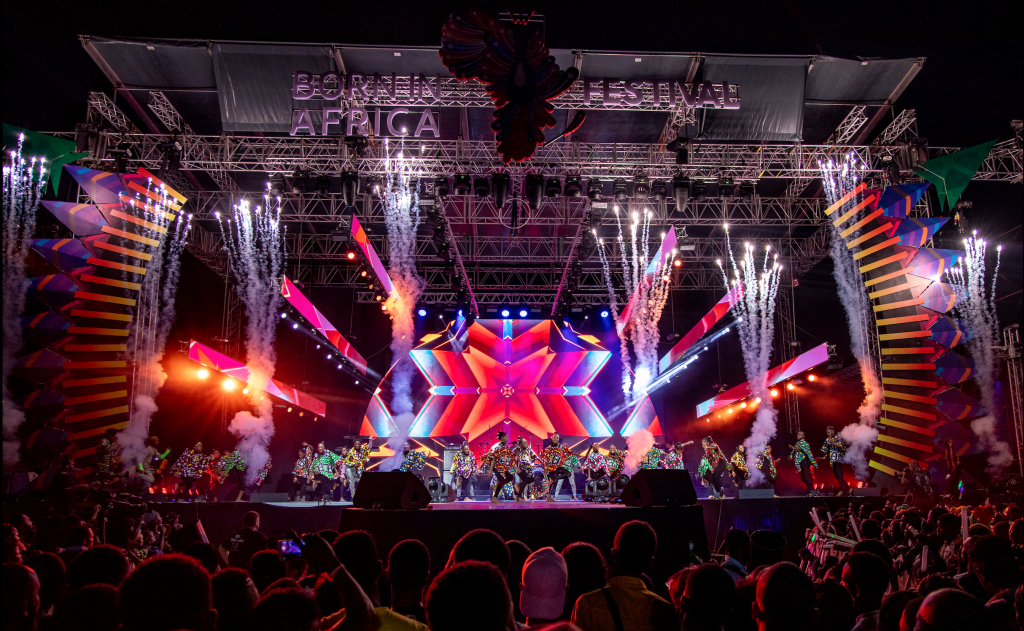
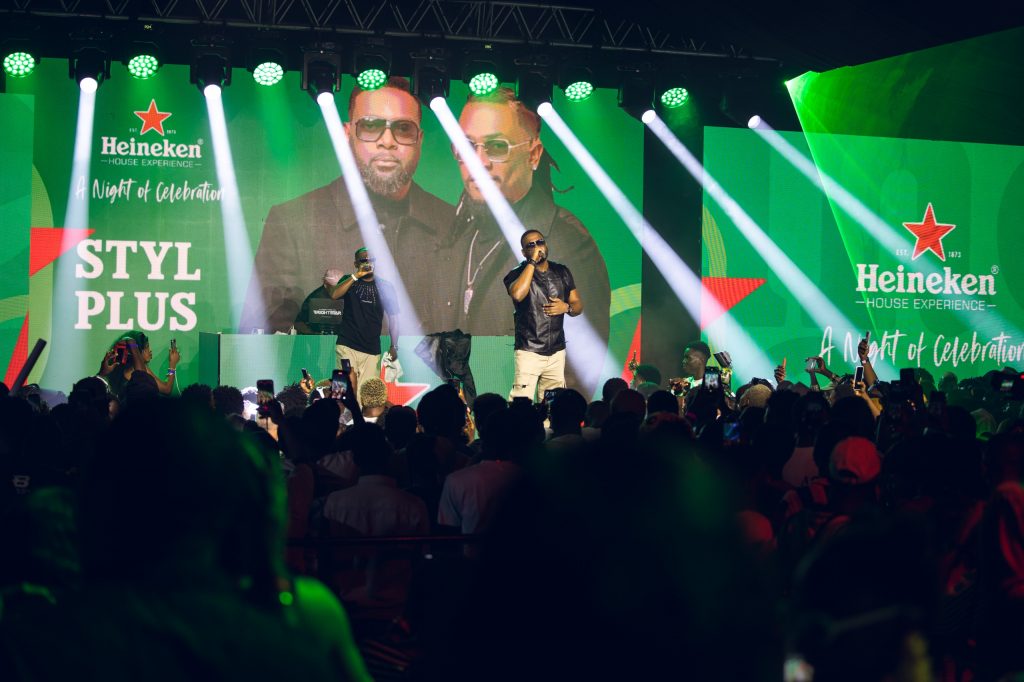
Livespot360 is often recognised through its large-scale concerts, brand activations, Entertainment Week Africa, Creative Connect, and international collaborations. Yet those outputs reveal only part of the story.


Its evolution reflects a broader shift taking place across Africa’s creative industries. Increasingly, creative businesses are moving beyond project-based execution towards building integrated platforms that own more of the value chain.
How do we produce great experiences? So how do we build the systems that consistently make those experiences possible?
This distinction is important because talent itself has rarely been one of the defining challenges of Africa’s creative economy. More often it has been the infrastructure around that talent—production capacity, financing, rights management, development pathways, and institutional support. One possible answer to that challenge is to look at companies that are moving to integrated models. It remains to be seen whether these models can be scaled up and made accessible across the wider ecosystem, but they signal an important evolution in the way African creative businesses are beginning to think about long-term value.
From Experience Economy to Infrastructure Economy
One of the more interesting developments in African entertainment is the gradual movement away from event businesses towards platform businesses.
Historically, many creative companies operated on a project-by-project basis.
Deliver an event.
Complete a campaign.
Move to the next client.
Increasingly, however, companies are exploring models that allow intellectual property, production capacity, and creative services to exist within the same ecosystem.
Livespot360 appears to be moving in that direction.
The larger question is whether this model can be scaled across Africa or remains dependent on a relatively small number of well-capitalised organisations.
If the continent hopes to strengthen its creative economy, infrastructure cannot remain concentrated among a handful of businesses.
It must become more accessible across the wider ecosystem.
The Infrastructure Gap
If infrastructure provides the foundation for a creative economy, then access remains one of its defining challenges. Across many African markets, the issue has rarely been a shortage of talent, but rather the uneven availability of the systems that enable talent to grow and thrive. Production capacity, rights management, creative financing, touring networks, technology, professional services, and distribution continue to develop at different paces across the continent, creating structural gaps that limit long-term growth.
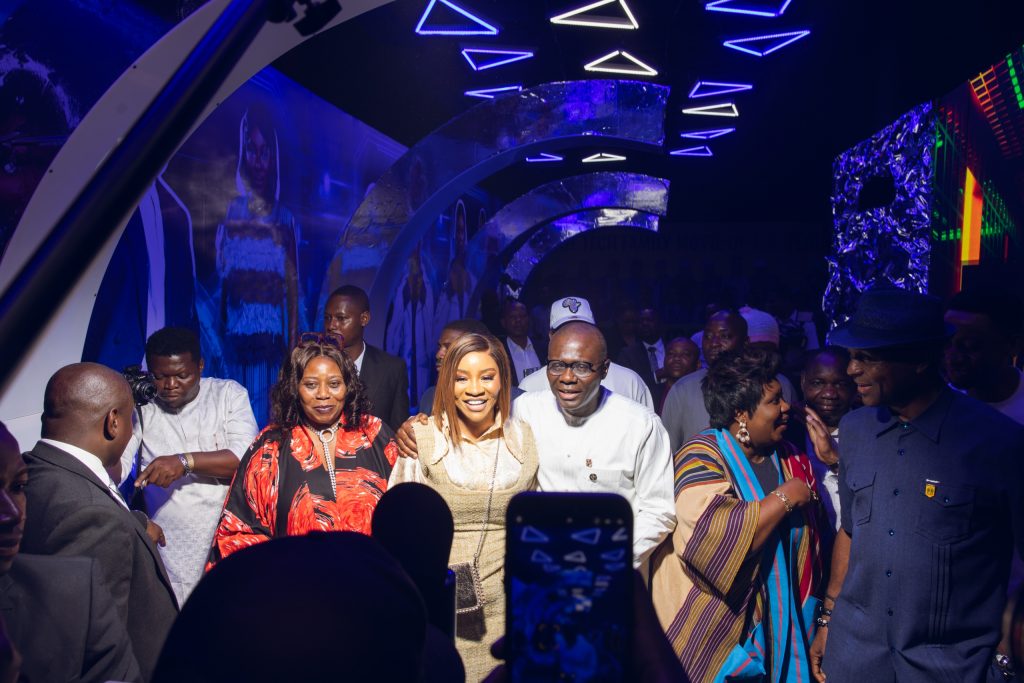
It is within this context that initiatives such as Entertainment Week Africa (EWA) become relevant. Since evolving from Entertainment Week Lagos in 2022, the platform has expanded beyond a city-focused gathering into a broader convening for the continent’s creative industries.
Its ambition extends beyond hosting conversations; it seeks to create points of connection between talent and opportunity, creativity and capital, and ideas and execution. While no single platform can resolve the structural challenges facing Africa’s creative economy, initiatives like EWA offer an opportunity to test what more connected and institutionally supported creative ecosystems could look like.
The broader question remains whether these models can be replicated, scaled, and made more accessible across the continent over time.
Its long-term significance, however, will depend not only on the scale of its productions but also on whether the models it is developing can strengthen the wider ecosystem rather than remain isolated success stories.
From Cultural Moments to Business Models
Perhaps the most interesting aspect of Livespot360 is not any single event it has produced.
It is the broader question the company raises.
Can African creative businesses evolve beyond execution into institutions?
Institutions outlast trends.
They preserve knowledge.
Develop talent.
Create employment.
Build intellectual property.
And establish systems that others can build upon.
Africa’s creative economy will require more organizations capable of performing those functions.
Livespot360 represents one example of that ambition.
Its long-term significance, however, will depend not only on the scale of its production but also on whether the models it develops can strengthen the wider ecosystem rather than remain isolated success stories.
ON CREATIVE ECONOMY : THE QUESTIONS THAT REMAIN
Every creative economy reaches a point where the conversation shifts.
From talent to infrastructure.
From visibility to ownership.
From cultural moments to business models.
Africa’s creative industries appear to be entering that phase. The question is no longer what the continent can create but what it can build to sustain that creativity for generations to come. That creativity is already being expressed across the continent—in the sounds, stories and ideas shaping a new generation of African culture.
Explore some of those rich sounds through our Afrobeats Heat Different playlist below, a curated collection of records reflecting the energy, diversity and continued evolution of Africa’s music ecosystem.