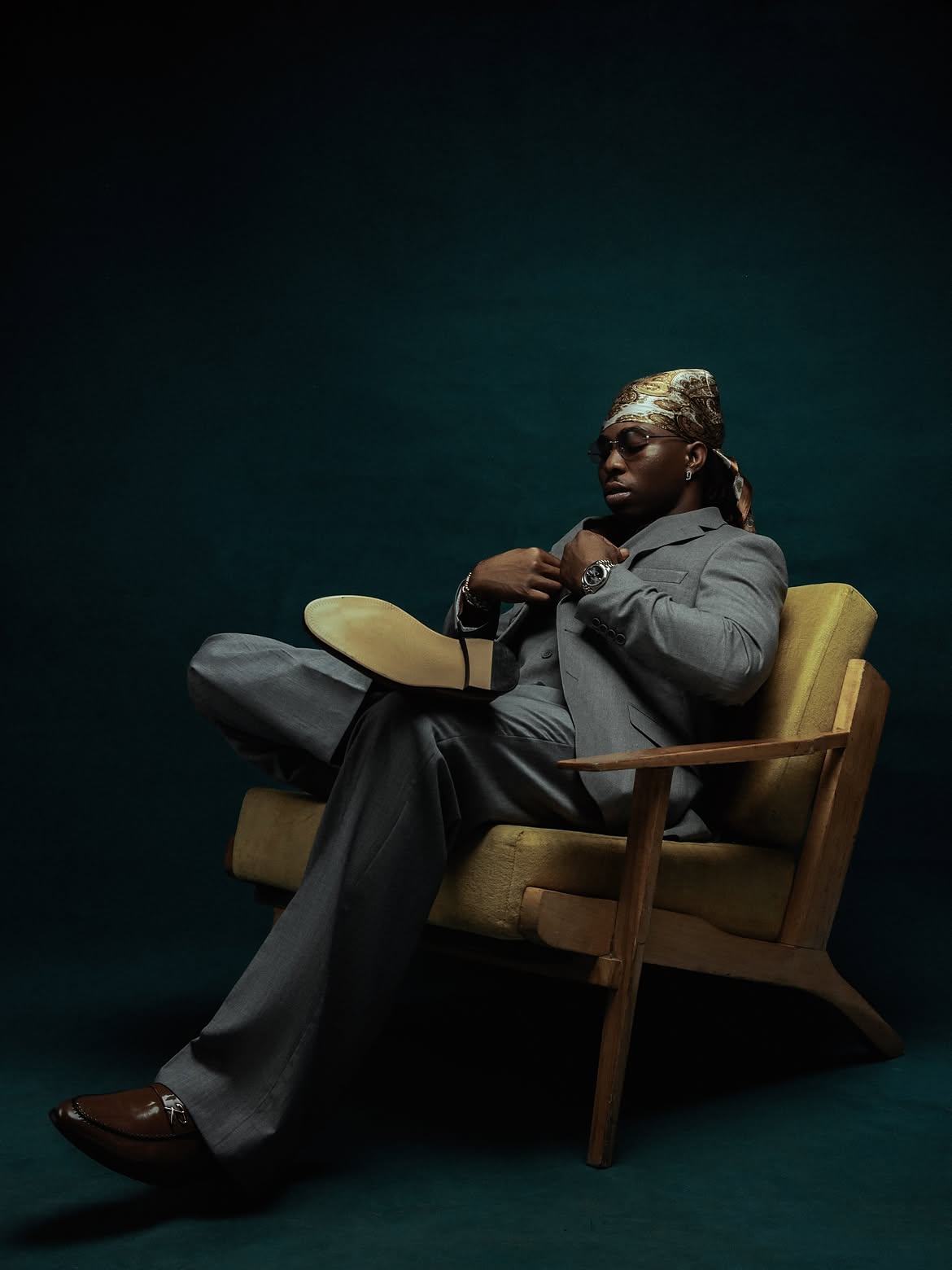
Across Africa, artists are increasingly turning to indigenous musical traditions to create entirely new contemporary sounds. In Uganda, that journey has given rise to Bakisimbatronics – a genre pioneered by Maganda Shakul that fuses the rhythmic foundations of Bakisimba with electronic music.
In this feature, Furaha Ruguru explores the origins of the movement, the community shaping it and why it represents one of East Africa’s most exciting sonic developments.
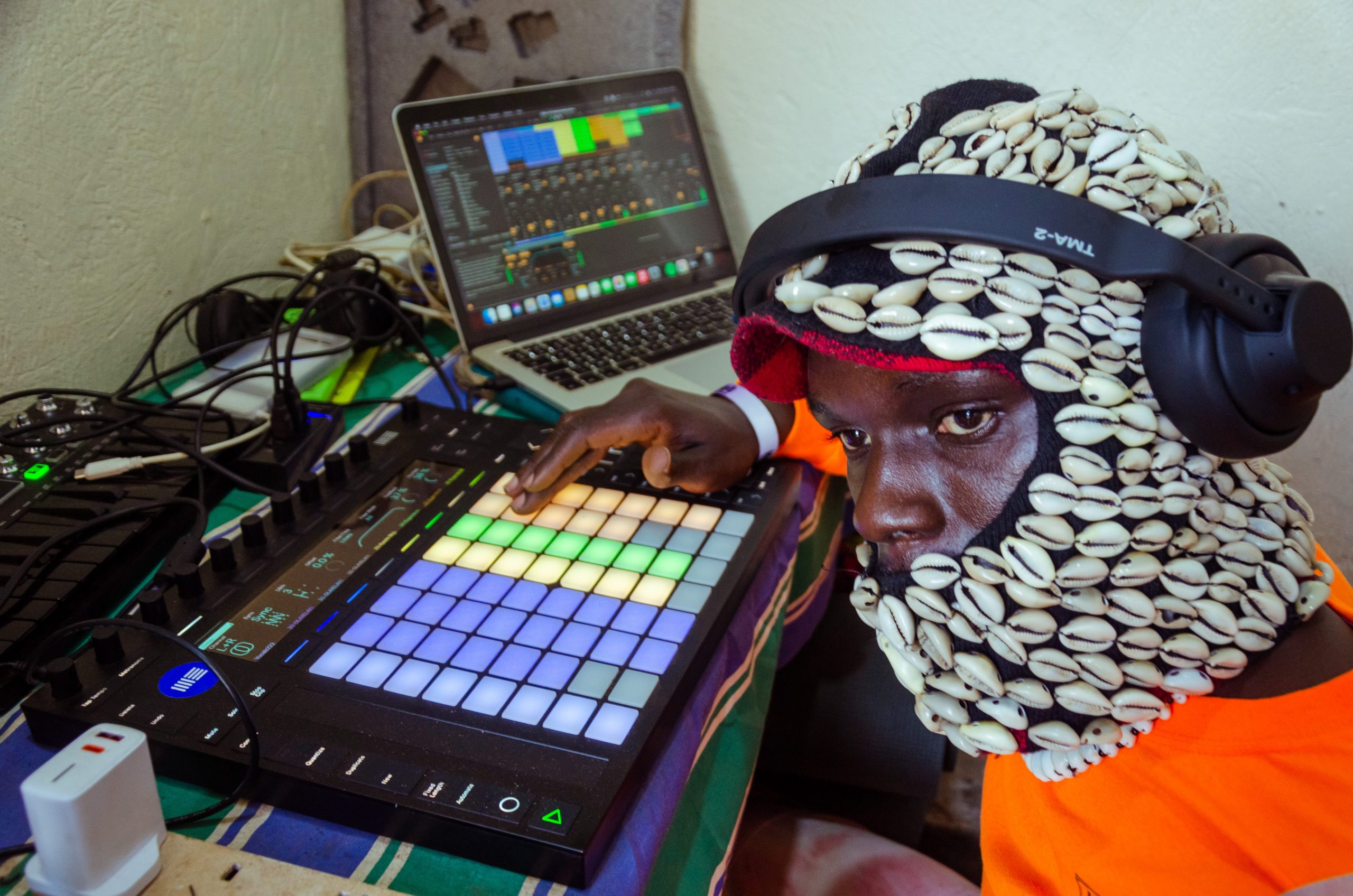
You’re at The Mist in Nairobi on a Saturday night. It’s hot, hazy, and loud. On stage stands Ugandan electronic musician Maganda Shakul, wearing a cowrie shell mask that only reveals his eyes and nose. And instead of a pair of CDJs, he’s performing with his laptop and Ableton Push – transmitting an electronic sound you haven’t heard before.
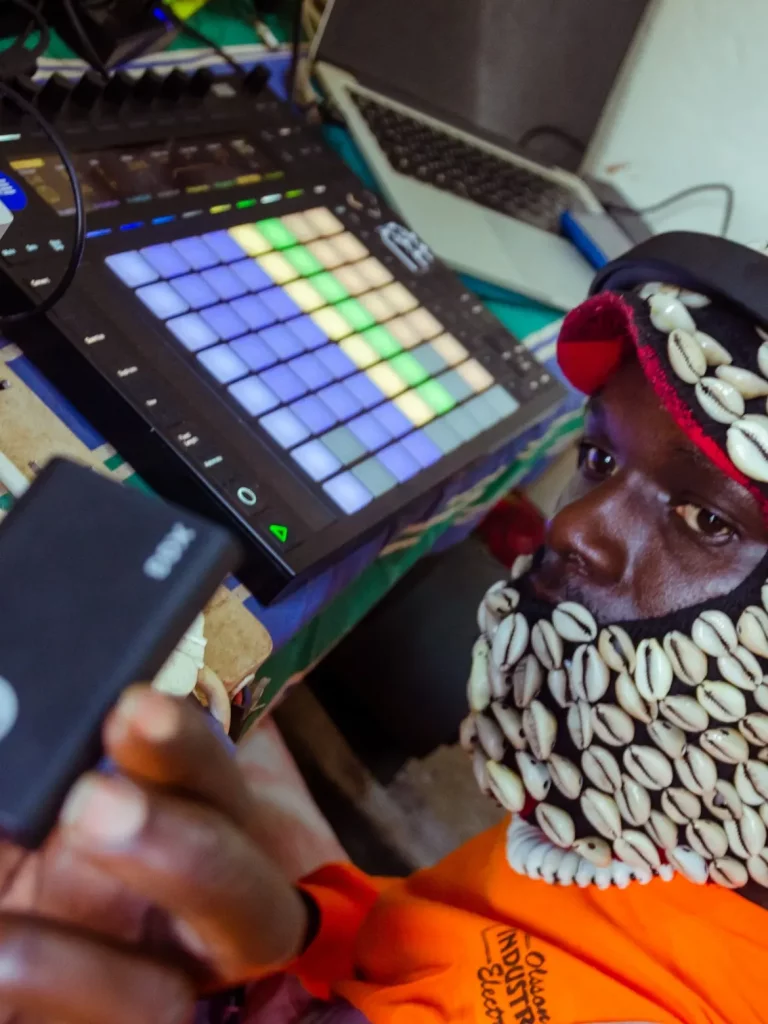
This is Bakisimbatronics.
The Ugandan multidisciplinary artist has become a familiar face in Nairobi’s underground club scene, performing in Kenya’s capital over 7 times in the past 2 years – from the annual Kilele Summit to his own event Groove and Green. But throughout his shows, there’s one genre he loves to play the most. Which he pioneered in 2024 in the pearl of Uganda.
“Basically, Bakisimbatronics comes from Bakisimba, a traditional Ugandan dance. Specifically from the Buganda kingdom which is one of the few surviving kingdoms.” he shares on a warm Sunday evening at The Mall rooftop.
Initially performed in the royal courts, legend has it Bakisimba was inspired by Kabaka King Ssuuna who in the late 1800s drank a little too much tonto/ banana beer. Amused by his drunken dance, the royal drummers and dancers turned it into a performance. Bakisimba now features multiple drums played in 6/8 rhythms, energetic waist movements and a thrilling tempo that can rival Tanzania’s singeli on the dancefloor.
So how did Maganda discover it?
Born in Uganda’s Kiboga District, he only encountered Bakisimba after moving to Kampala at 13. “People do it at weddings, celebration events. It’s more common in the central part of Uganda.”
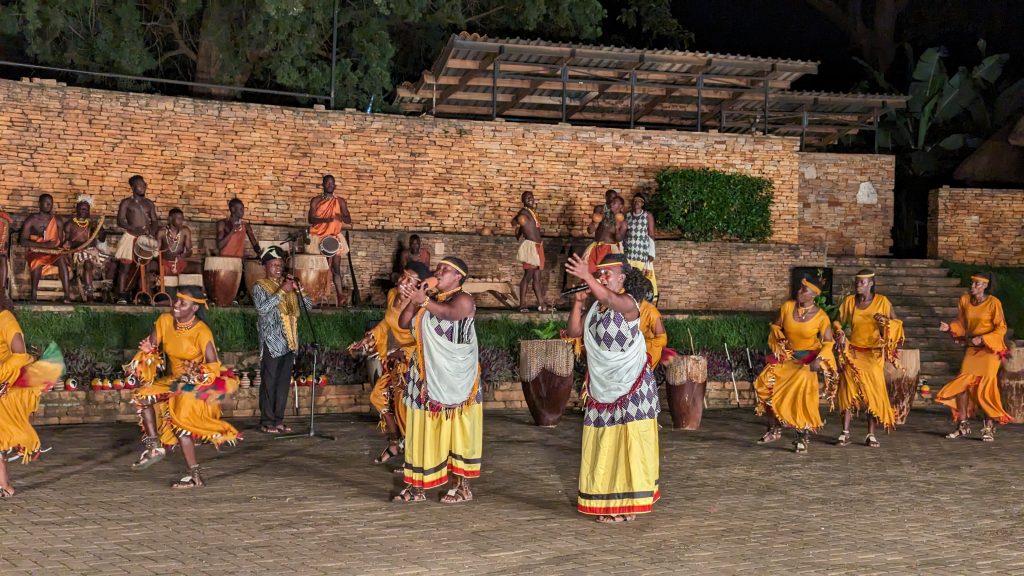
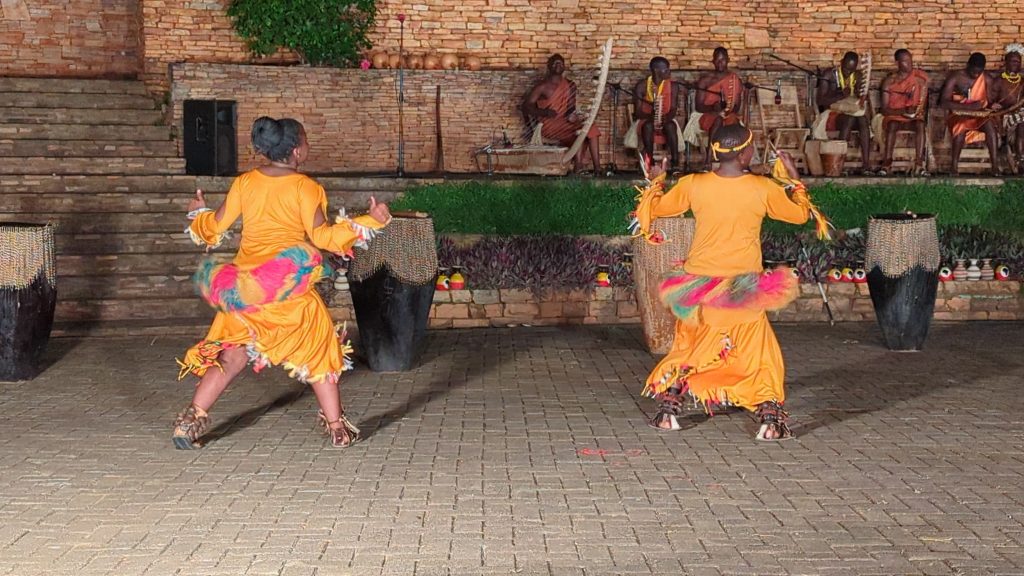
His relationship with the tradition deepened after joining Nilotika Cultural Hub in Kampala, a community dedicated to preserving African spirituality and indigenous identity through music, dance and fashion. He first joined in 2020 – not as a musician, but as a fashion designer.
“After high school I studied fashion and design,” he says. “Before that I was already making some money buying clothes from Owino Market and selling them to students at my boarding school.”
During the 2020 lockdown, he wanted soundtracks for his fashion videos. Jweezy and Jbreezy, his friends with rhyming names, introduced him to Ableton Live. He spent months producing music between the occasional trips outside.
“Going out to get food, running, then coming back and making music all day and night. It was a very interesting time.”
Working from Nilotika’s tailoring studio immersed him further in traditional music. He learnt to play the ngalabi, a long drum covered with monitor lizard skin, similar to the kalapapla drum used in Kenya’s ohangla music.
“It was one of the instruments I brought with me during my first days in Kenya.”
Inspired by Nilotika’s drummers and dancers, he released his debut EP Tutabaale in 2022 —a project creating a bridge between traditional Ugandan music and contemporary sounds. Tutabaale means the journey of exploring ancient knowledge and discovering one’s true self. And it later inspired the name of his upcycling fashion brand.
A year later, Maganda spent several months creating music alongside artists from Germany and the Democratic Republic of Congo at Nyege Nyege Villa in Kampala. Collaborating with them pushed him further into electronic production.
“At the beginning of 2024, that’s when I realised I should actually come up with my own sound. And also give it a meaning. And a name.”
And thus Bakisimbatronics was born.
The music making process begins inside the Nilotika community.
“I always record with some of my friends who play these instruments.”

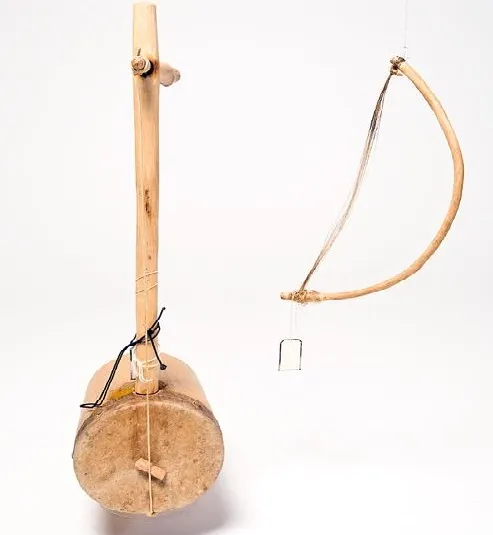

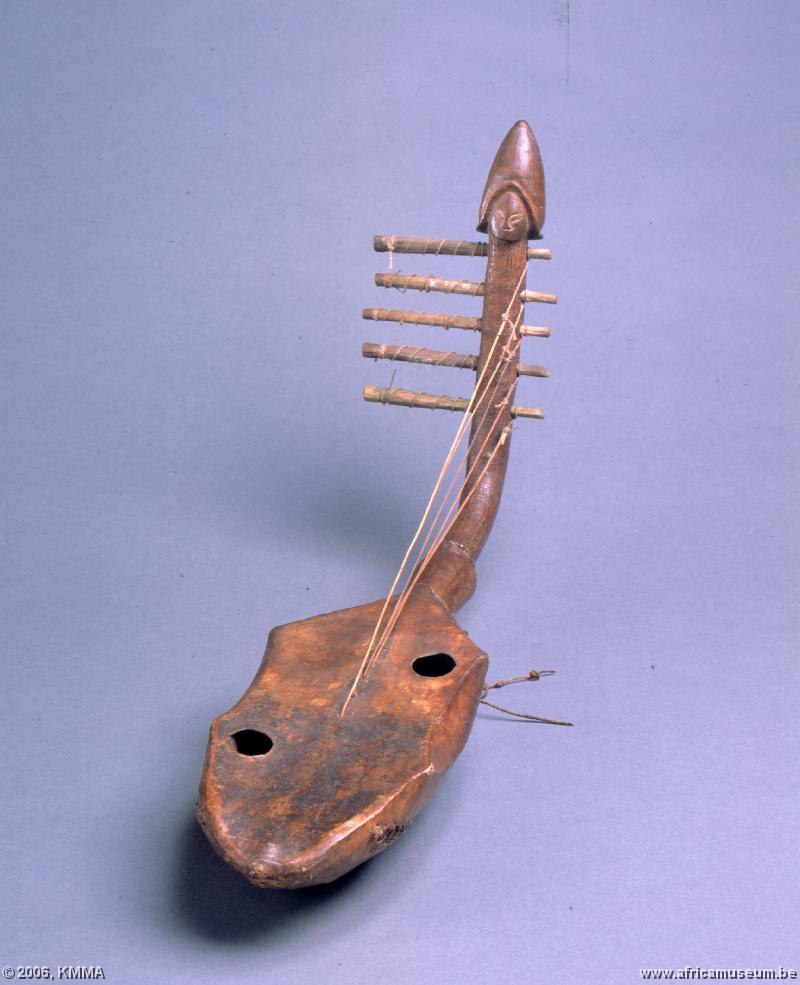
He samples Buganda’s engoma drums alongside the adungu (bowed harp) and endingidi (one stringed fiddle), then reshapes them using Ableton Live into club-ready electronic music. The result is an entirely new sound built from Buganda’s rhythmic foundation.
He recently curated a 4-track playlist of Bakisimba music from Singing Well’s vast archive. Singing Wells have spent the last 15 years traversing the region and recording traditional East African music in order to preserve it in its rawest form while inspiring the next generation of artists. And it sure did for Maganda Shakul.
Since introducing the genre in 2024, Maganda has released two Bakisimbatronics mixes on Bandcamp and performed across Uganda, Kenya, Rwanda and evenIndia.
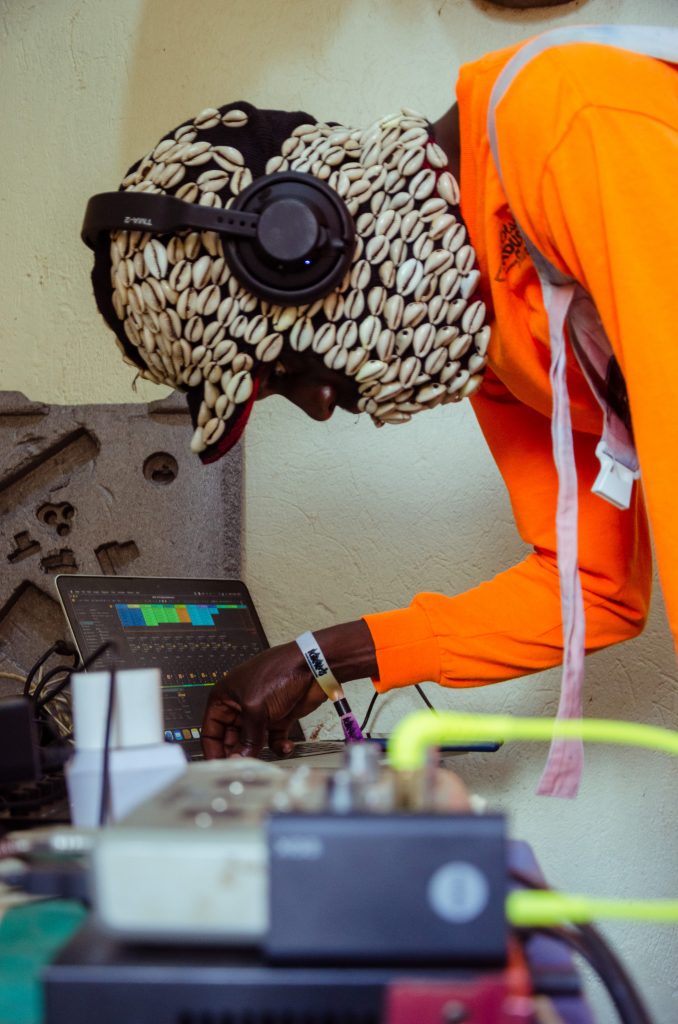
“I’m happy to see how people are perceiving it. People are picking up this kind of music.”
Unlike many artists who closely guard their innovations, Maganda wants others to make Bakisimbatronics too.
He’s teaching producers within Nilotika and beyond how to create the sound, believing that a genre only survives if more artists contribute to it.
And when he collaborates with musicians from Nilotika Cultural Ensemble, a percentage of the revenue returns to the Hub to support the wider community.
Unlike many artists who closely guard their innovations, Maganda wants others to make Bakisimbatronics too.
He’s teaching producers within Nilotika and beyond how to create the sound, believing that a genre only survives if more artists contribute to it.
And when he collaborates with musicians from Nilotika Cultural Ensemble, a percentage of the revenue returns to the Hub to support the wider community.
His long-term dream? To see Bakisimbatronics recognised as an official genre on digital streaming platforms.
“I’m putting in my efforts and energy to see that it grows. Then it can circulate to different producers. The more we are doing one thing, the more it grows.”
One of his biggest inspirations is Otim Alpha, the Ugandan pioneer of Acholitronix which is a fiery fusion of Acholi traditional instruments from northern Uganda with electronic music..
“He’s one of the greatest artists that I’ve ever seen performing.”
Beyond performing Bakisimbatronics on any stage he’s invited to and teaching other artists, Maganda’s actively creating new music. During Kilele Summit in February 2026, he collaborated with UK producer Mina on Bakimbunu, a live electronic performance combining sounds from Uganda, the UK and beyond.
And in May 2026, he released Kibira (“forest”), a collaboration with UK producer Joe Moocha that blends Bakisimbatronics with heavy dub influences.
His goal for 2026 is ambitious: to release two albums and two EPs.
He’s also preparing for artist residencies in Germany and Switzerland, where he’ll continue exploring the relationship between fashion, music and sustainability through Sounds of Renewal – a project where Nilotika Cultural Ensemble transforms waste into musical instruments and stage costumes.
“I feel music is like a sister to fashion. They are always together. As the fashion is working, the music is playing.”
As techno music echoes across The Mall rooftop, our conversation turns to the future of African music. I mention Kenya’s growing movement of producers making electronic music based on Benga, Kenya’s most dominant sound born in the 1950s.
Maganda shares something beautiful about older generation musicians.
“We’ve heard this music from them. They are preserving it and teaching it to the next generation. We also need to preserve it – but also evolve it. Do something with it. It’s our role to keep the music alive. They’ve done it so well.”
They did their part, now it’s our time. The same rhythms that once echoed through Buganda’s royal courts now shake underground clubs from Kampala to Nairobi, inviting a new generation to dance to the sounds of their ancestors. That’s the essence of Bakisimbatronics.
If Bakisimbatronics is any indication, the future of African music may not lie in abandoning tradition for modernity, but in allowing the two to evolve together. Across the continent, artists are increasingly looking inward – to ancestral rhythms, indigenous instruments and local histories – not as relics of the past, but as foundations for entirely new musical futures.