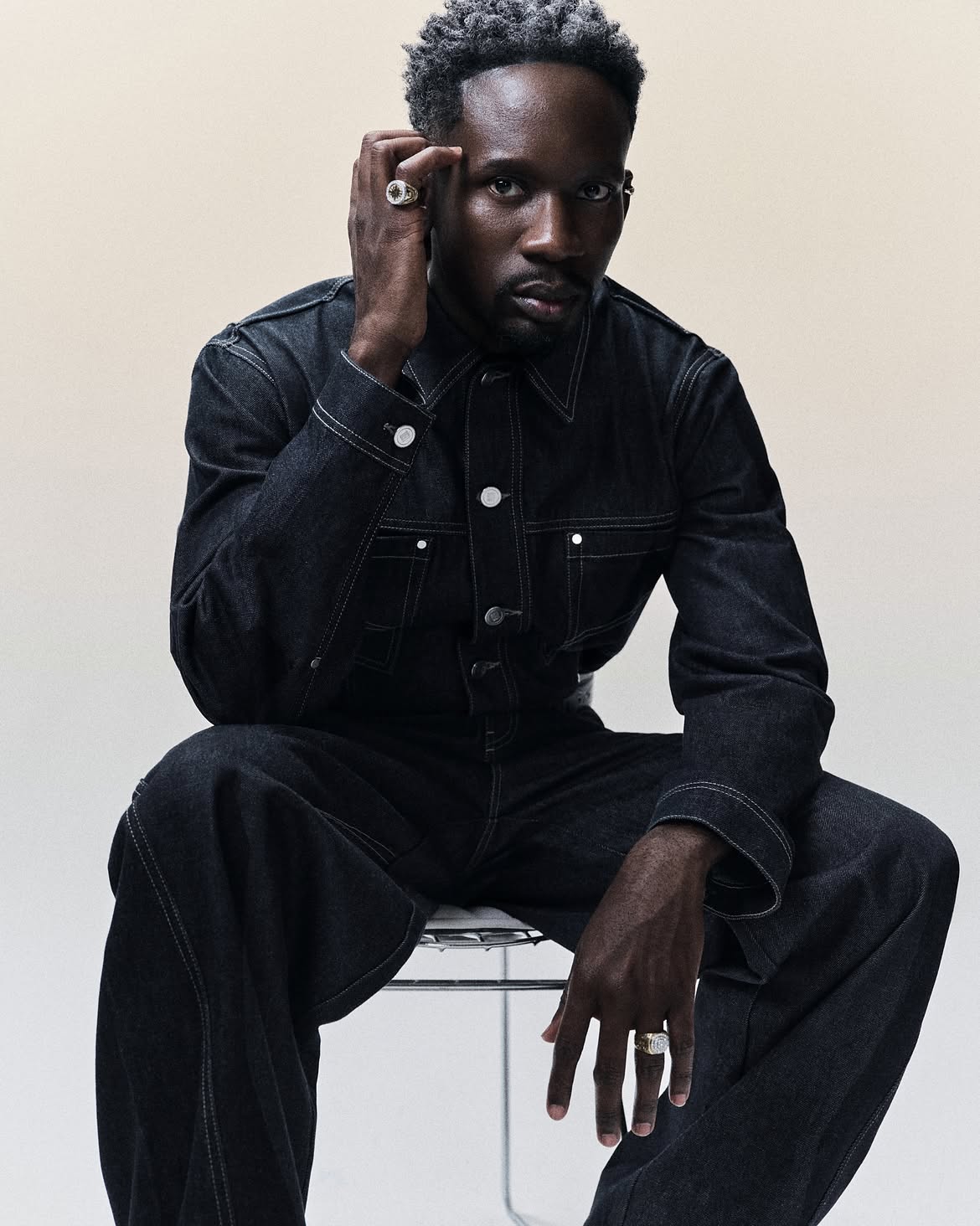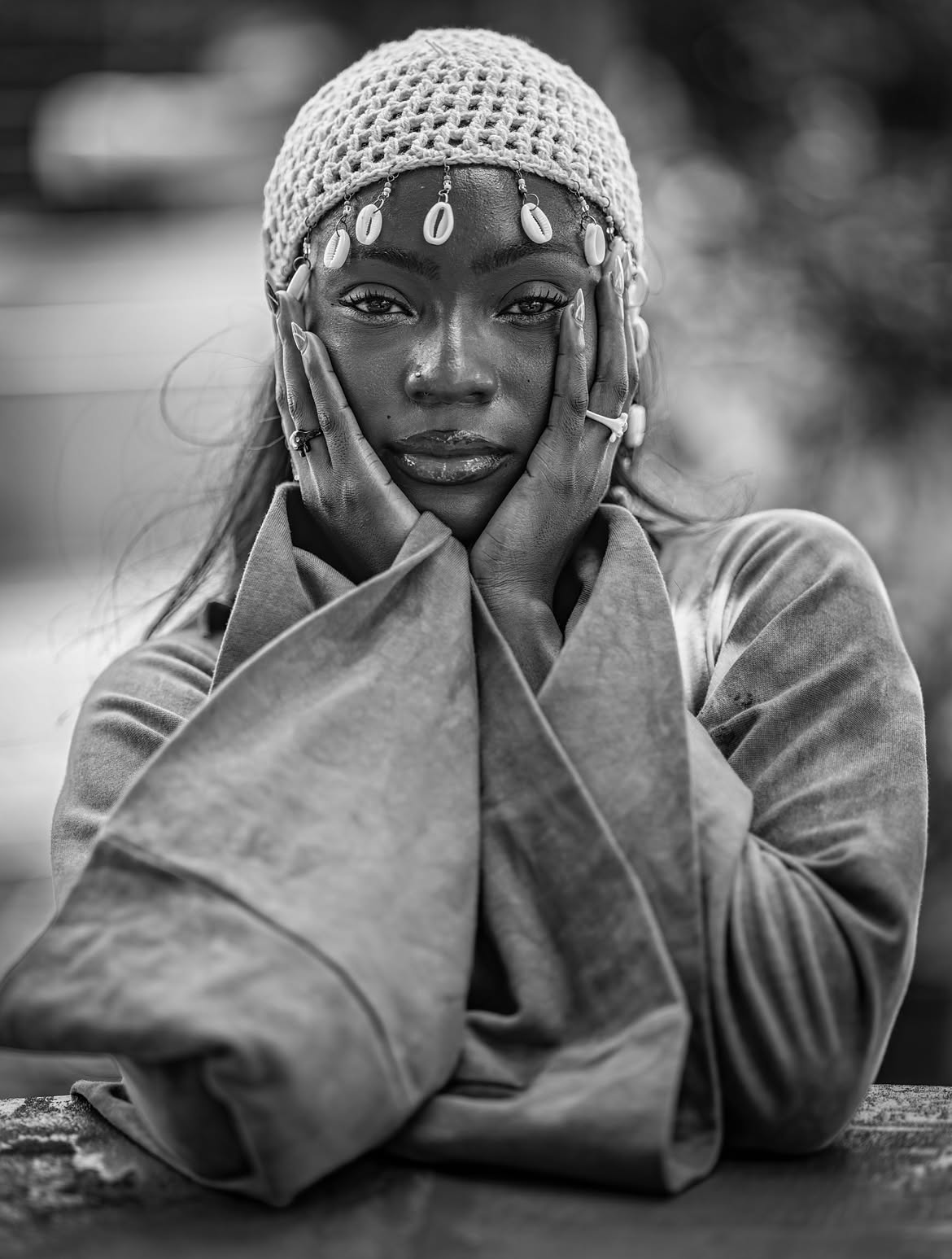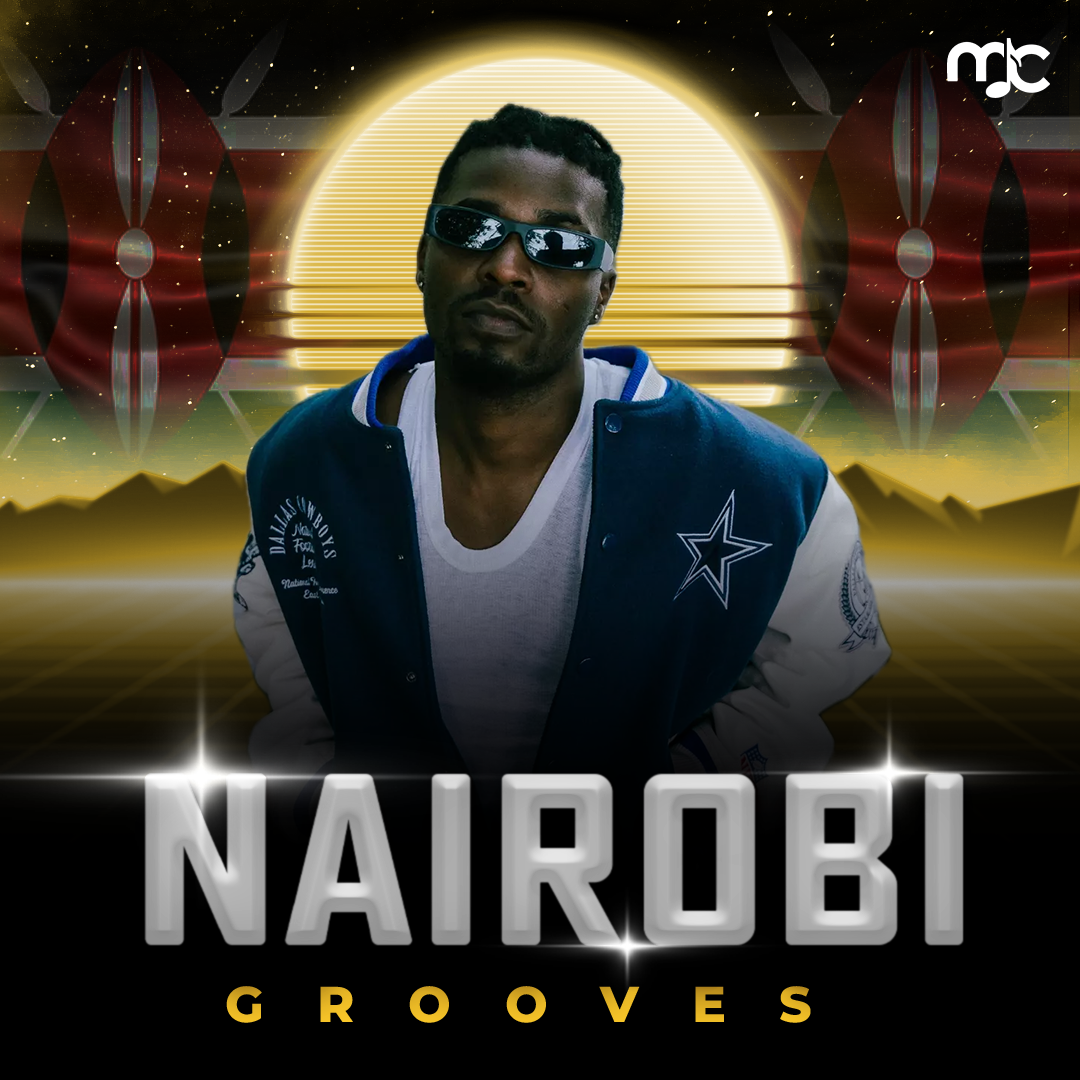
From Wakadinali and Buruklyn Boyz to Njerae, Tina Ardor and Keemlyf, the latest Nairobi Grooves maps a city whose musical identity is becoming harder to reduce to a single sound.
There is an old temptation when documenting a music city: find its sound.
Give it a rhythm, a genre, perhaps a movement with a name. Identify the artists at its centre, establish the sonic characteristics that distinguish it from everywhere else, and eventually package that identity in a language the rest of the world can understand.
Nairobi makes that exercise increasingly difficult.
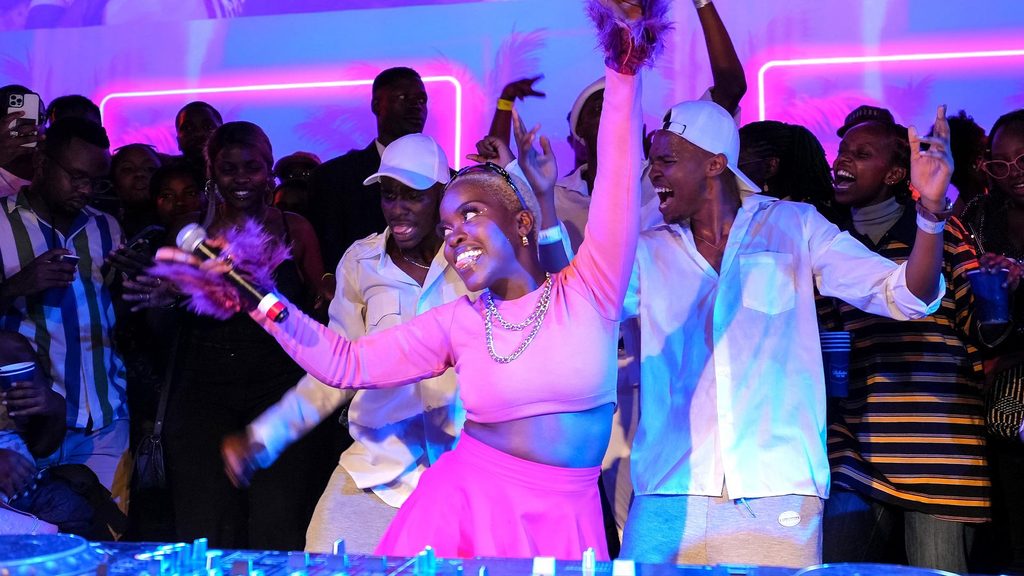
The latest edition of Nairobi Grooves moves through hip-hop, Afropop, R&B, soul, dancehall, alternative music and Afro-house. Kenyan languages and cultural references appear alongside sounds shaped by neighbouring East African scenes.
Rappers sit beside singers; established names share space with artists whose identities are still being formed; and collaborations continually create connections between musical communities that might otherwise be treated separately.
It is precisely this movement across genres that our editorial associate and curator Keya Frankline identifies in his accompanying notes:
Nairobi’s music is becoming increasingly difficult to fit into one category while remaining recognizably connected to the city and wider Kenyan experience.
Perhaps that difficulty is telling us something.
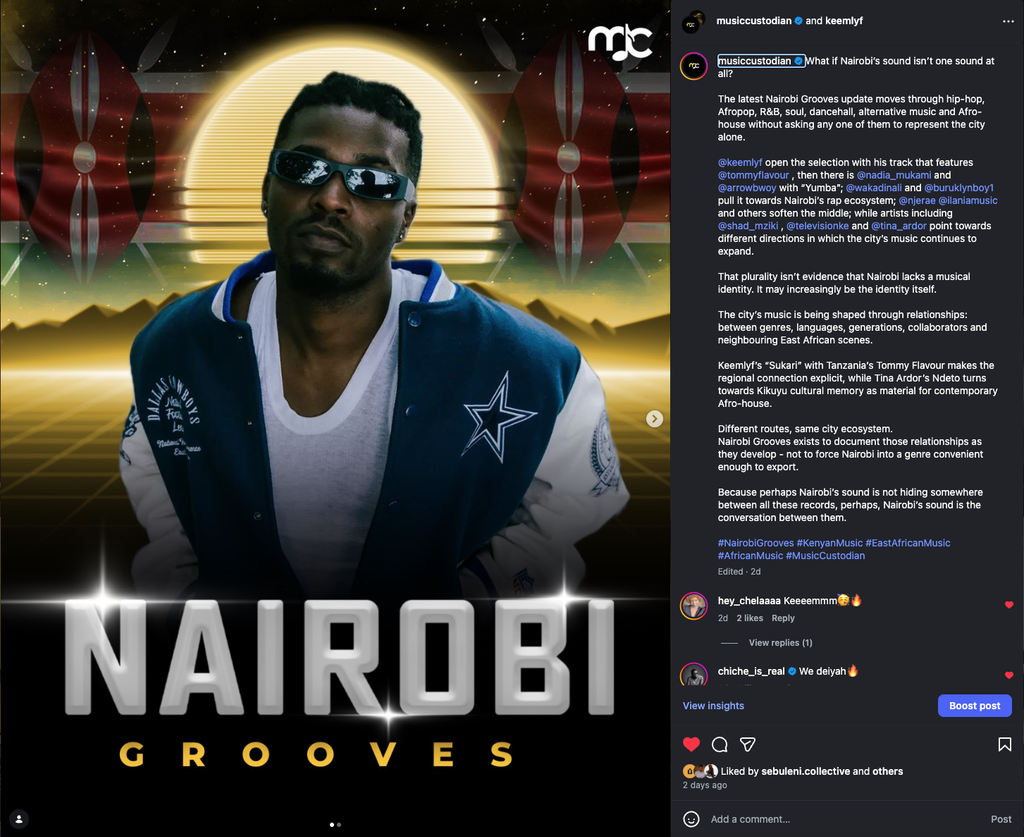
Perhaps Nairobi does not need one defining genre to possess a musical identity.
Perhaps the relationships between its sounds are becoming the sound.
A City That Refuses a Single Definition
This is not an argument that Nairobi has no musical traditions or recognisable scenes.
Quite the opposite.
The city contains several of them simultaneously.
Hip-hop remains one of its strongest cultural languages. Contemporary R&B and alternative music have developed their own communities. Afropop continues to move between local and regional audiences. Dancehall and reggae remain embedded within Kenya’s listening culture, while electronic and house-oriented musicians are increasingly finding ways of placing Kenyan cultural references inside global dance-music vocabularies.
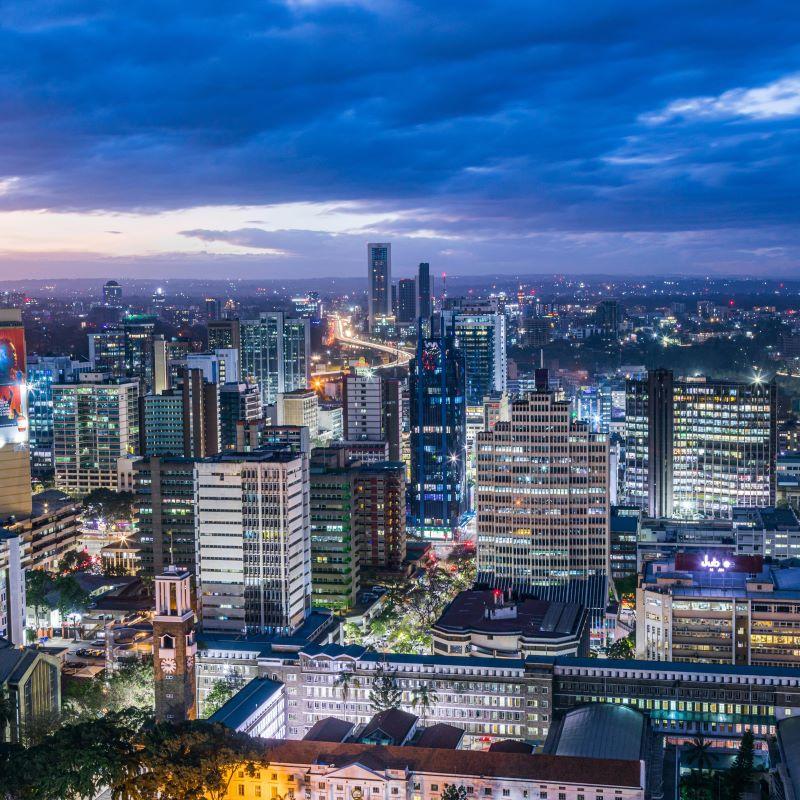
Nairobi Grooves therefore becomes most useful when it doesn’t attempt to manufacture uniformity from that abundance.
A city can possess a musical identity without every artist sharing a drum pattern.
Identity can exist in language. In attitude. In collaboration. In venues and audiences. In the people who repeatedly work together. In the movement of artists between scenes. In the cultural references musicians choose to preserve, distort or reinvent.
The resulting “sound” of a city may therefore be less about one sonic formula than about the density of relationships between the people making music inside it.
The 25 additions to this edition of Nairobi Grooves offer a useful snapshot of that proposition.
Nairobi Grooves Opens With Familiarity
The playlist begins with Nadia Mukami and Arrow Bwoy’s “Yumba.”
Keya’s sequencing rationale is deliberate. The record arrived on September 25 and was already gaining visible momentum around its release, but its placement also carries a human story: two artists whose personal relationship has been publicly scrutinised returning to musical collaboration.
That makes “Yumba” an effective entry point.
Nairobi Grooves does not immediately begin at the edges of the city’s underground. It begins somewhere familiar and then gradually widens the map.
Wakadinali’s “Blow” follows, introducing a harder hip-hop turn before Collo Blue’s “Gwinyagwinya” and Buruklyn Boyz’s “24” keep the playlist within Nairobi’s contemporary rap ecosystem. Keya then deliberately changes the temperature, allowing records including Ila Nia × We Are Nubia’s “Healer,” Njerae & Paska’s “No More Drama,” Tuku Kantu & Ila Nia’s “Another One,” and Bee Thee Artiste, X.O & August IV’s “Yet Another Love Song” to create a softer middle section.
This is where sequencing becomes editorial rather than administrative.
The transitions tell us something about the city.
Rap does not have to explain the whole of Nairobi. Neither does R&B. Neither does Afropop.
They can coexist.
Nairobi’s Identity May Be Plurality
There is sometimes an anxiety surrounding African music markets that they must produce a clearly identifiable genre before the wider world can understand them.
Afrobeats became a powerful umbrella for contemporary West African pop. Amapiano gave South Africa another globally recognisable musical language. Gengetone, Kenyan hip-hop, Kapuka, Genge and other movements have at different moments provided Kenya with distinct identities of their own.
But Nairobi’s present musical landscape does not necessarily need another single umbrella immediately imposed upon it.

There is another possibility.
Plurality itself can become cultural character.
A listener moving through this edition encounters Wakadinali and Buruklyn Boyz before eventually arriving at Njerae, Tina Ardor, Kahush, Breeder LW and Ssaru. Between them sit artists such as Hadaya Eliana & Genes1s, Ndovu Kuu, Mwanaa & Gogo Ashley, Kodong Klan, Shad Mziki, Hoodboyz, Kahuti, Charisma, Maali, Kayrop, Onyach Pala and Zaituni.
Those artists need not become versions of one another for the ecosystem surrounding them to become legible.
What matters is whether the connections between them become strong enough to constitute a scene.
That requires repetition.
Artists working together repeatedly. Producers moving between communities. Audiences following artists across genre boundaries. Venues giving different scenes physical space. Media documenting the relationships rather than only individual releases. Festivals programming the ecosystem with intention. Playlists remembering artists from one edition to the next.
Scenes are built through repetition.
And that is one reason Nairobi Grooves should become more than a collection of songs associated with a geographical location.
It should become a living editorial record of Nairobi’s musical present.
The East African Connection
Nairobi’s musical identity also cannot be understood entirely within Kenya’s borders.
Keemlyf’s “Sukari,” featuring Tanzanian artist Tommy Flavour, makes that particularly visible in this edition. Keya identifies Keemlyf as one of the artists worth watching precisely because his developing Afropop identity is increasingly connected to wider East African collaboration.
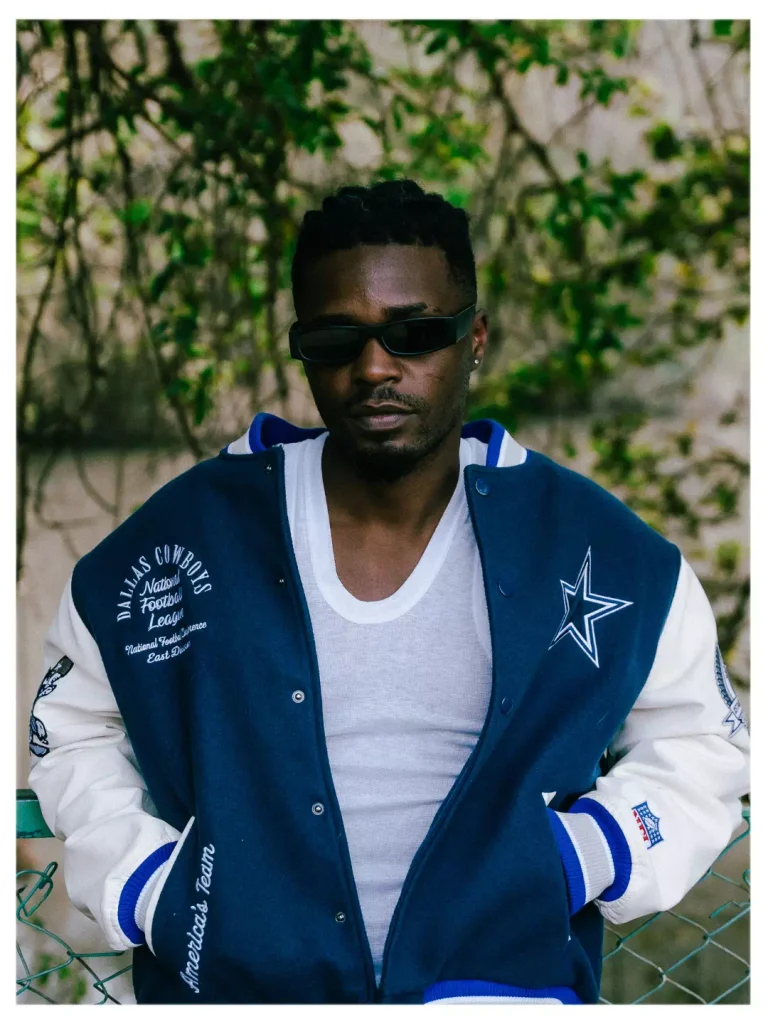
That relationship becomes even more interesting when considered alongside the broader regional movement Music Custodian has been documenting.
Kenya, Tanzania, Uganda, Rwanda and neighbouring markets do not suddenly become one music industry simply because their artists collaborate. Each country still possesses different infrastructures, audiences, languages, media environments and commercial realities.
But culturally, the distance between those markets can become smaller.
A Kenyan artist can collaborate with a Tanzanian artist. A record can circulate between Nairobi and Dar es Salaam. Kiswahili can provide linguistic familiarity across borders. Producers, festivals, nightlife communities, digital platforms and audiences can create routes through which music begins acquiring regional rather than purely national lives.
That is why “Sukari” matters beyond its individual placement here.
It represents one small node in a much larger network.
And perhaps Nairobi’s future importance will partly depend on its ability to operate not simply as Kenya’s dominant music city, but as one of the major connective nodes within an increasingly interdependent East African music ecosystem.
Looking Inward While Moving Outward
Regionalism and global ambition, however, do not require cultural flattening.
Tina Ardor offers one of the strongest examples in this selection.
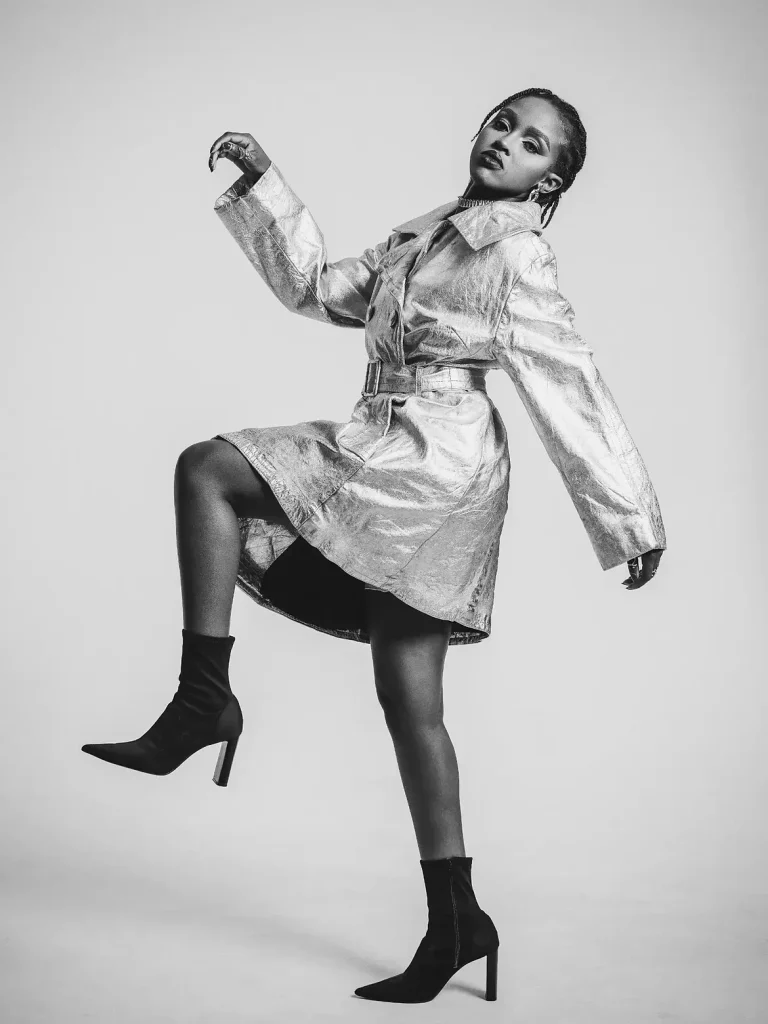
Keya identifies the Kenyan artist within an emerging East African Afro-house conversation, but the important detail is how she approaches that language. Her Ndeto project draws from Kikuyu heritage, translating cultural references into contemporary Afro-house. Keya notes that its title track is rooted in a Kikuyu wedding tradition.
That distinction matters.
African artists participating in globally recognisable genres do not necessarily become more internationally interesting by gradually removing the cultural details outsiders might struggle to understand.
Sometimes the opposite happens.
Specificity can travel.
Language can travel.
Tradition can travel.
Local stories can acquire global contexts without first being stripped of the things that make them local.
For Nairobi, this may become increasingly important as the city’s musicians encounter larger audiences.
The question shouldn’t simply be how Kenyan artists can sound international enough to travel.
It should also be:
What can Nairobi carry with it when it travels?
Groups Still Matter
Keya’s third Artist to Watch offers another useful dimension.
TLVSN, the duo of Timothy Arinaitwe and Vincent Ngugi, released the 14-track Wingu La Tisa in July, with collaborators including Eric Wainaina and H_art the Band. Keya positions the duo as evidence that Nairobi’s group culture continues beyond its most recognisable collective names.
That may seem like a smaller observation, but it belongs to the same larger conversation.
Music ecosystems are not built exclusively through breakout solo stars.
Groups matter.
Collectives matter.
Collaborations matter.
Producer communities matter.
Writers, engineers, venues, DJs, photographers, journalists and promoters matter.
The health of a music city cannot be measured only by how many individual artists it exports.
Sometimes the more useful measure is how many relationships its ecosystem can sustain.
NAIROBI GROOVES: 25 Records, Several Nairobis
The full latest update makes that multiplicity difficult to ignore:
- Nadia Mukami & Arrow Bwoy — Yumba
- Wakadinali — Blow
- Keemlyf & Tommy Flavour — Sukari
- Hadaya Eliana & Genes1s — Show Me
- Collo Blue — Gwinyagwinya
- Buruklyn Boyz — 24
- Ila Nia × We Are Nubia — Healer
- Njerae & Paska — No More Drama
- Ndovu Kuu — Hanaku Rahisi
- Tuku Kantu & Ila Nia — Another One
- Mwanaa & Gogo Ashley — Sina Kasoro
- Bee Thee Artiste, X.O & August IV — Yet Another Love Song
- Kodong Klan — Bi Lima
- Shad Mziki × Attara — Sina Tena
- Hoodboyz — Pedeshe
- Kahush — Kwa Greenhouse
- Kahuti — Malaika
- Charisma — Forever To Never
- Maali — Damage You Demanded
- Tina Ardor — Ndeto EP
- Shad Mziki — Nani
- Kayrop — We Fly
- Onyach Pala — Njeve
- Breeder LW & Ssaru — See Saw
- Zaituni — Unanipa.
The list doesn’t resolve neatly into a single genre, it shouldn’t have to. Instead, it gives us several Nairobis simultaneously. There is the Nairobi of rap crews and street language and the Nairobi of R&B and alternative intimacy, the Nairobi looking towards neighbouring East African markets, the Nairobi translating cultural inheritance into electronic music.
There is the Nairobi of established names and the Nairobi still being assembled by artists most listeners have yet to encounter.
They overlap.
And somewhere inside that overlap, the city’s contemporary musical identity is taking shape.

Artists to Watch
Three names from Keya’s original curation deserve particular attention beyond this edition.
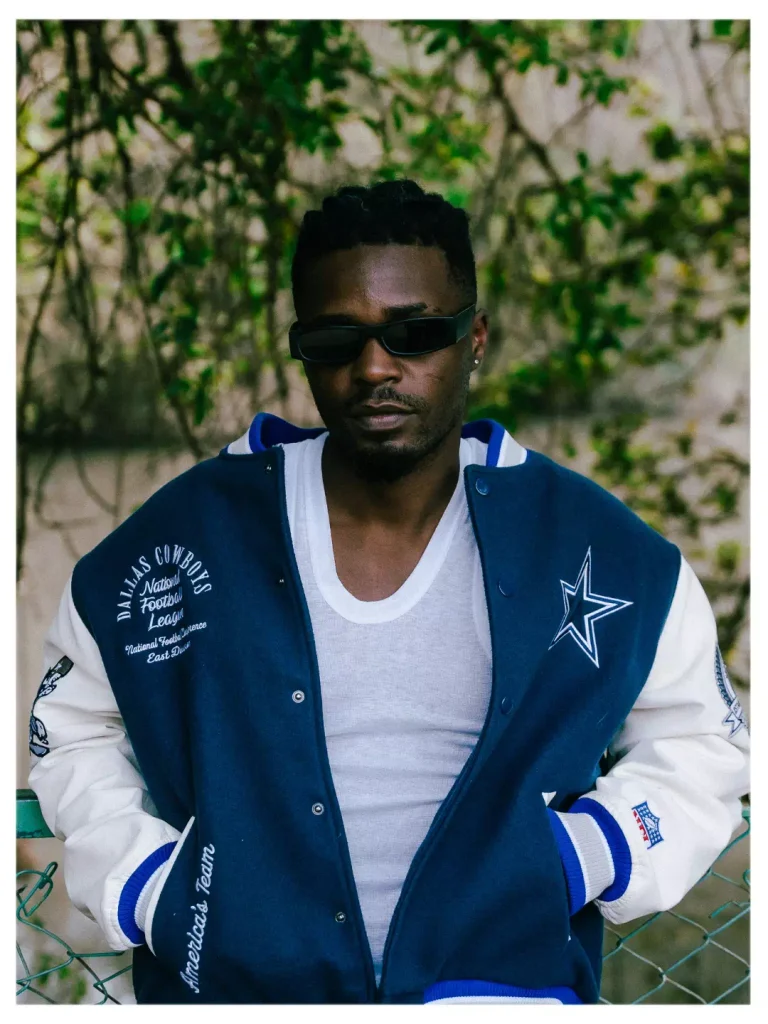
Keemlyf represents the increasingly regional possibilities of Kenyan Afropop. His collaboration with Tommy Flavour gives that proposition a practical form: Kenyan songwriting entering direct conversation with Tanzania rather than treating the neighbouring market as somewhere to reach only after domestic success.
TLVSN invite us to continue watching Nairobi’s group culture. Their presence matters not because groups are inherently more important than solo artists, but because healthy music ecosystems require multiple forms of creative organisation.
And Tina Ardor may offer the most culturally revealing proposition of the three. If Afro-house provides the contemporary framework while Kikuyu cultural memory provides part of the language inside it, Ndeto becomes an example of how Kenyan artists can participate in continental musical conversations without surrendering specificity.
None of these selections should be treated as prophecy.
They are invitations to keep watching.
Why Nairobi Grooves Matters
A useful city playlist should do more than confirm what everybody already knows.
It should document movement before that movement becomes obvious.
It should remember the artists it previously encountered.
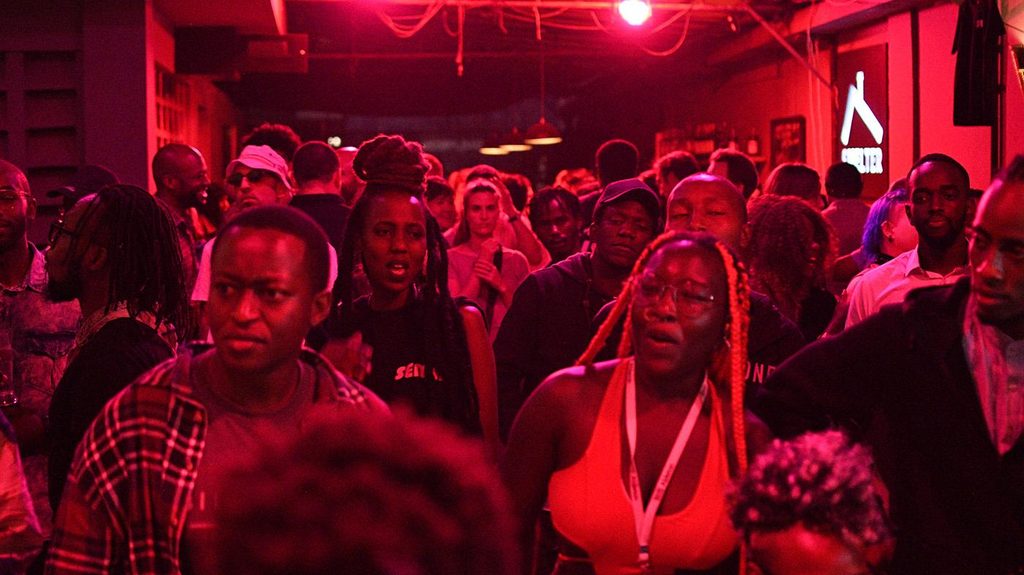
It should recognise collaborations as infrastructure.
It should notice when scenes begin overlapping.
It should make room for records that don’t yet have the marketing machinery required to announce themselves loudly.
And over time, it should allow us to return to earlier editions and understand how the city changed.
That is the larger possibility of Nairobi Grooves.
Not:
Here are some songs from Nairobi.
But:
Here is an evolving record of how Nairobi’s music ecosystem is organising itself.
Because the search for one definitive Nairobi sound may ultimately be asking the wrong question.
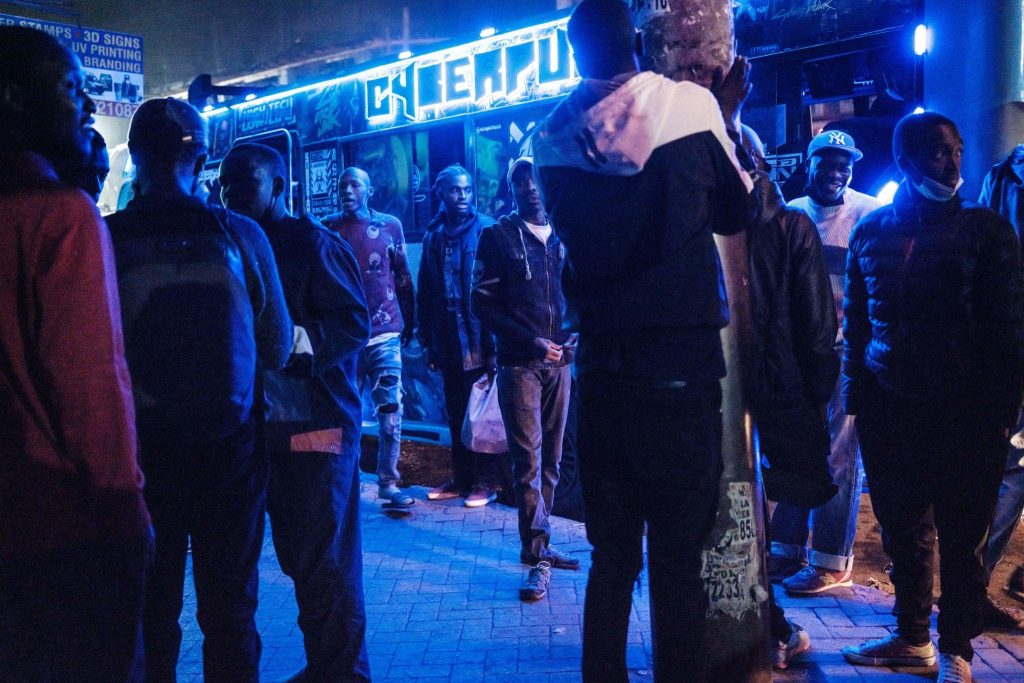
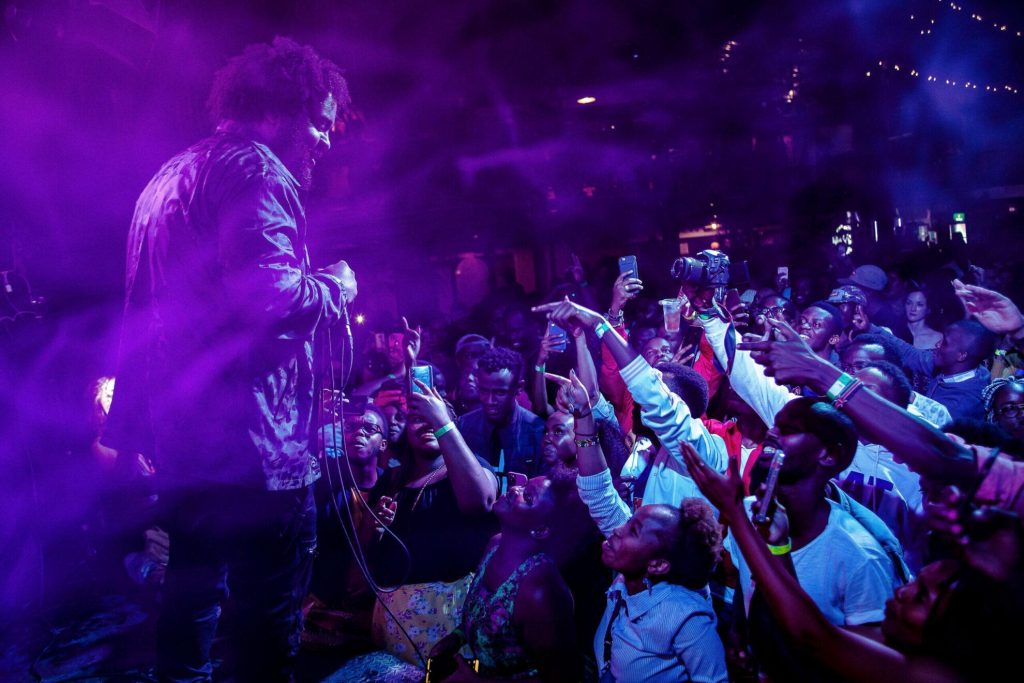
A city this culturally dense does not necessarily need twenty-five artists speaking the same musical language.
It needs the infrastructure that allows twenty-five different musical languages to remain in conversation.
And perhaps that is where Nairobi’s identity is becoming clearest.
Not in one genre.
Not in one artist.
Not even in one generation.
But in the conversation between all of them.