From FOLA and Davido’s late-night collaboration to Phyno’s romantic expression, Bien’s reflections on heartbreak, Vector’s meditation on fatherhood and new connections across African music, this week’s 13-track Afrobeats Heat Different explores what it means for an artist to deliver.
In football, the number nine carries a particular responsibility.
It belongs to the player expected to finish the move.
The striker who receives the ball when everything has been building towards one decisive moment.
For FOLA, that responsibility has become a musical ambition.
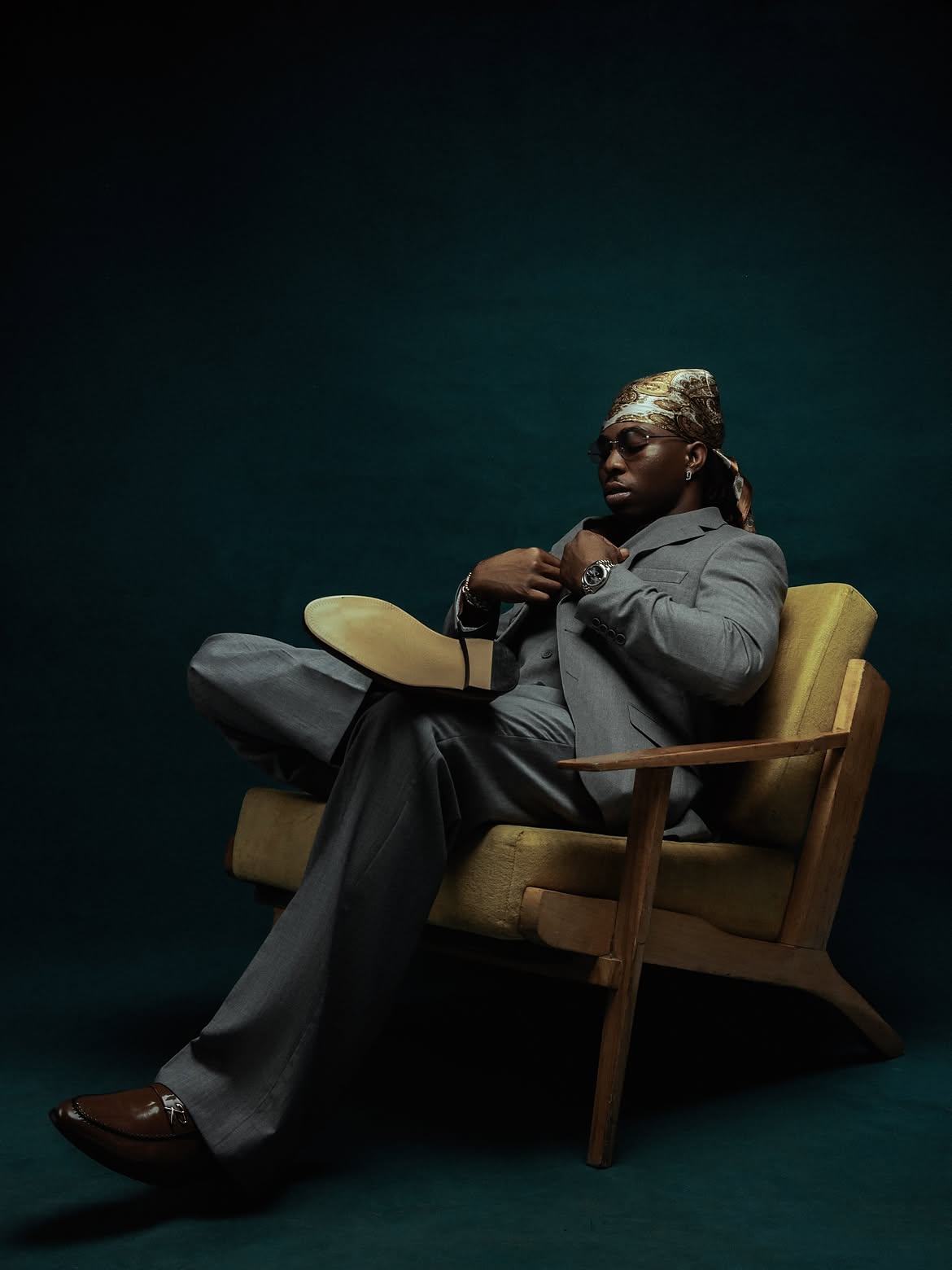
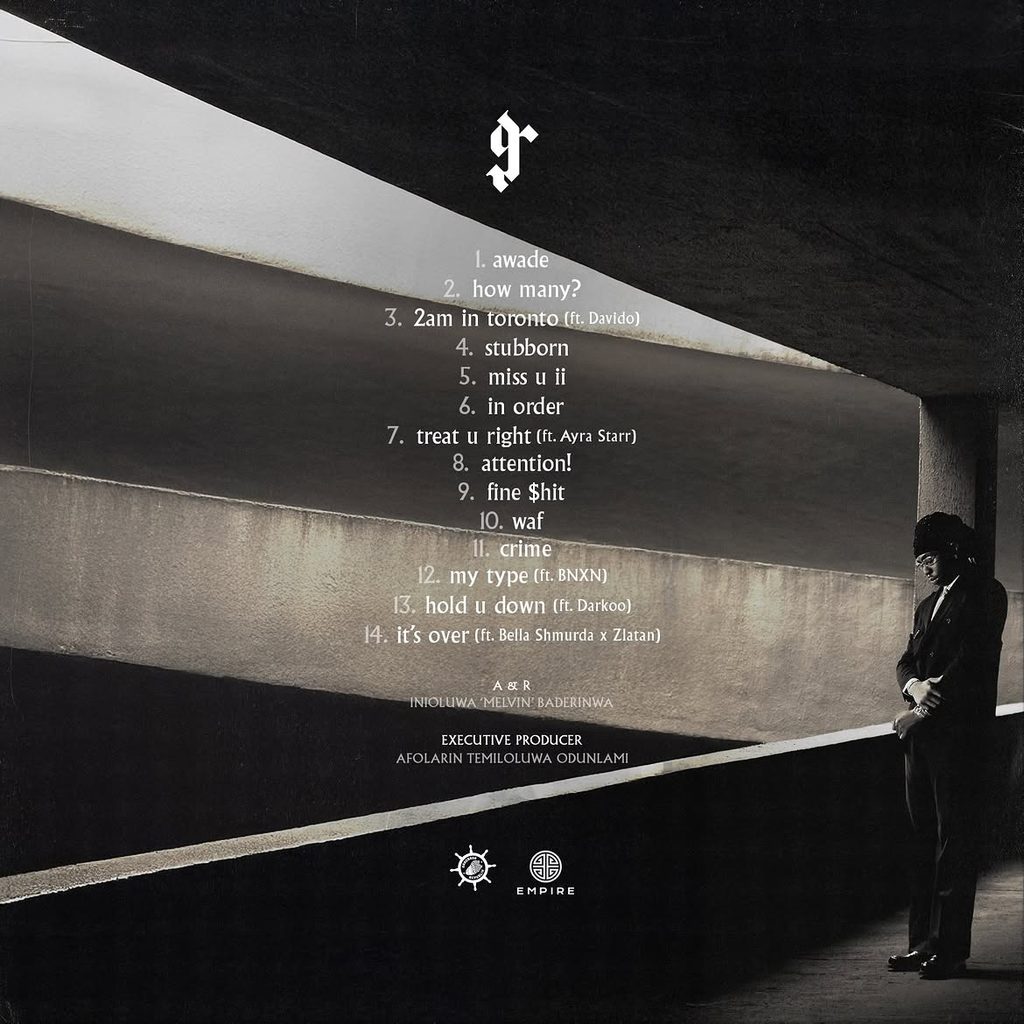
His sophomore album, 9, released October 9, 2026, borrows from the traditional number-nine shirt to communicate something about the artist he wants to become: someone audiences can depend on to deliver a record that matters.
And this week, he leads Afrobeats Heat Different with “2am in Toronto,” featuring Davido.
But FOLA’s ambition also raises a question worth exploring beyond his own career.
What does it actually mean to deliver in contemporary African music?
Is it a hit record?
A major collaboration?
A song that finds its audience across borders?
Or the ability to tell a personal story with enough conviction that someone else recognises themselves inside it?
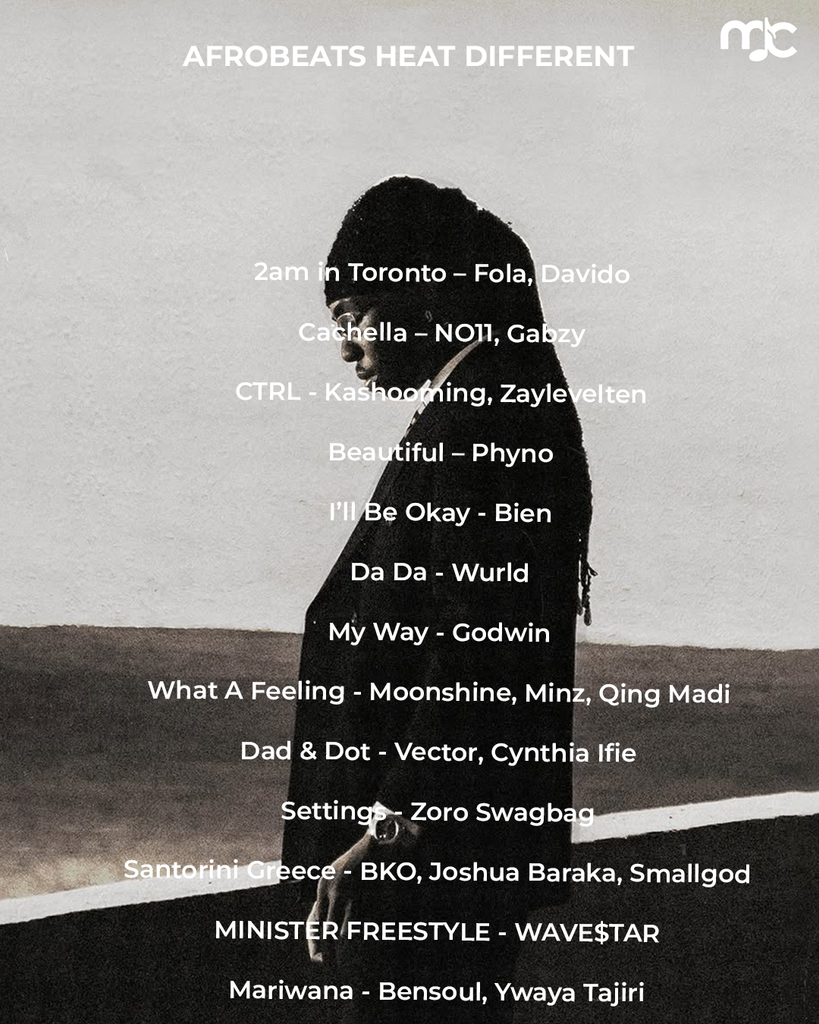
Across thirteen selections, this week’s playlist offers several possible answers.
Phyno finds expression through romance and language.
Bien confronts the uncertainty that follows heartbreak.
Vector considers fatherhood and legacy.
Zoro Swagbag carries indigenous musical identity into contemporary rap.
Bensoul and Ywaya Tajiri contribute another expression of East African intimacy.
And a new generation of collaborators continues moving between musical styles, national markets and artistic communities.
FOLA wears the number nine.
The rest of the playlist reminds us that African music has many ways of scoring.
EDITORIAL OVERVIEW — THE CULTURAL THESIS OF AFROBEATS HEAT DIFFERENT
African popular music is increasingly shaped by the relationship between ambition and identity.
The international visibility of Afrobeats has created new opportunities for artists to collaborate, travel and reach audiences beyond their immediate environments. But it has also intensified the pressure to define success through a narrow set of achievements.
Chart positions.
Streaming milestones.
Major features.
International recognition.
These measurements matter within the business of music. They can open doors, sustain careers and introduce artists to new audiences.
Yet they cannot fully explain why particular records become meaningful.
This week’s Afrobeats Heat Different offers an interesting contrast.
FOLA’s 9 places ambition directly at the centre of its identity. The football metaphor communicates confidence and an awareness of the expectations accompanying his growing profile.
But the songs surrounding his cover selection operate across different emotional and cultural territories.
Phyno’s “Beautiful” explores devotion through a multilingual approach that reflects his artistic roots.
Bien’s “I’ll Be Okay” approaches recovery as a personal process rather than an immediate triumph.
Vector and Cynthia Ifie’s “Dad & Dot” moves towards family, responsibility and the relationships that outlast public achievement.
Elsewhere, Zoro Swagbag’s “Settings” demonstrates how indigenous instrumentation and language can remain relevant within modern hip-hop.
NO11 and Gabzy, Moonshine with Minz and Qing Madi, and BKO alongside Joshua Baraka and Smallgod reveal another dimension: collaboration is increasingly part of the everyday architecture of African popular music.
The thirteen records do not share one definition of success.
Nor should they.
Their value lies in the different experiences they bring into conversation.
FOLA gives this edition its central metaphor.
The wider playlist gives that metaphor a more complicated meaning.
COVER STORY — FOLA STEPS INTO THE NUMBER NINE
FOLA’s emergence within contemporary Nigerian music has been accompanied by a growing sense of artistic confidence.
His collaborations, melodic approach and developing catalogue have positioned him among the voices contributing to Afropop’s newest generation.
Following his 2025 debut album Catharsis, his sophomore project 9 arrives with a more explicit statement of ambition.
Fourteen tracks.
A football-inspired title.
And collaborations with Davido, Ayra Starr, BNXN, Darkoo, Bella Shmurda and Zlatan.
The number nine is traditionally associated with football’s centre-forward, a player whose performance is frequently judged by the ability to turn opportunities into goals.
FOLA has adopted that symbolism to describe his own aspirations as a recording artist.
The idea is straightforward.
When audiences need a hit, he wants to be the person capable of delivering one.
Yet there is something revealing about choosing this particular metaphor.
A striker rarely creates every opportunity alone.
Behind the final touch is an entire sequence of movement, coordination, decision-making and support.
Music operates through similar relationships.
Songwriters, producers, featured artists, engineers, creative directors, distributors and audiences all contribute to the circumstances through which a record reaches its destination.
That makes “2am in Toronto,” featuring Davido, an appropriate opening selection.
Positioned as the third track on 9, the collaboration places FOLA beside one of the most established figures in modern Nigerian popular music.
Davido’s presence brings recognition and experience, while FOLA remains the artist responsible for defining the direction of his own project.
The title introduces another dimension.
Toronto is a city far removed from the immediate geography of Lagos, yet its appearance in the title of a Nigerian pop record feels entirely natural within today’s musical landscape.
African artists increasingly write from, perform across and imagine themselves within a world of interconnected cities.
The late-night setting suggested by “2am in Toronto” adds intimacy to an album whose wider identity is built around ambition.
That contrast is useful.
Behind the public confidence of the number-nine shirt is still an artist working through personal experiences and musical relationships.
The real test for FOLA will not simply be whether 9 produces a hit.
It will be whether the project strengthens the artistic identity listeners associate with him long after its release cycle has passed.
COVER STAR RATIONALE
Cover Artist: FOLA Cover Record: “2am in Toronto” featuring Davido Project: 9 Release: October 9, 2026
FOLA takes this week’s cover because 9 provides the strongest entry point into the edition’s wider editorial conversation.
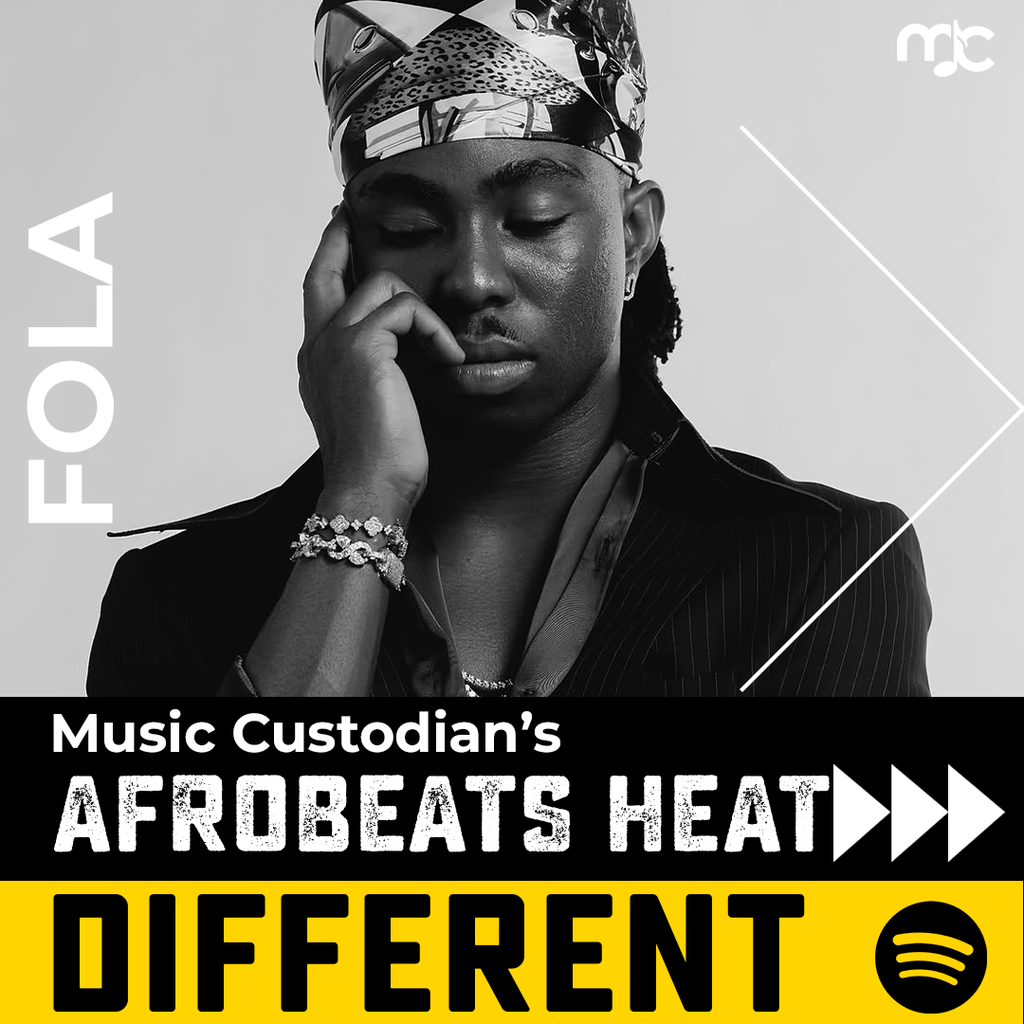
The cover is not a declaration that one artist has outperformed every other musician in the selection.
It identifies the artist whose current moment offers a useful way of understanding the records around them.
FOLA’s number-nine concept raises questions about ambition, artistic responsibility and the expectations surrounding a rising career.
Those questions become more interesting when placed beside the different forms of expression represented throughout the playlist.
His album celebrates the determination to deliver.
The other twelve records demonstrate that delivery can take many forms.
SEQUENCING RATIONALE — THIRTEEN WAYS TO MAKE AN IMPACT
“2am in Toronto” opens the playlist because FOLA and Davido establish its central relationship between emerging ambition and established experience.
From there, the sequence moves into collaboration as a creative language.
NO11 and Gabzy’s “Coachella” connects artists operating within Nigerian and British-Nigerian musical environments, while Kashcoming and Zaylevelten’s “CTRL” introduces a more alternative, rap-influenced approach to contemporary Afrobeats.
Then the emotional register changes.
Phyno’s “Beautiful” brings romance into focus through Igbo, Pidgin and English, demonstrating how an artist widely recognised for indigenous-language rap can explore tenderness without abandoning cultural identity.
Bien’s “I’ll Be Okay” continues that emotional movement from a different perspective.
Where Phyno expresses affection, Bien considers the difficult work of moving forward after heartbreak.
The sequence then enters a more fluid stretch.
WurlD’s “Da Da” draws on his established relationship with Afropop, R&B and electronic influences.
Godwin’s “My Way” adds another discovery to the selection.
Moonshine, Minz and Qing Madi’s “What A Feeling” returns the playlist to collaboration, bringing together different voices within contemporary African pop.
Vector and Cynthia Ifie’s “Dad & Dot” marks another shift.
The focus moves towards fatherhood, responsibility and legacy.
Zoro Swagbag’s “Settings” then brings indigenous Igbo rap expression and the Oja flute into a contemporary arrangement, keeping cultural specificity at the centre of the listening experience.
BKO, Joshua Baraka and Smallgod’s “Santorini Greece” widens the collaborative geography, connecting artists associated with different African music markets.
WAVE$TAR’s “MINISTER FREESTYLE” introduces a short burst of rap confidence before Bensoul and Ywaya Tajiri close the playlist with “Mariwana.”
The final selection brings the journey into an East African musical setting.
Thirteen records.
Different ambitions.
Different emotional registers.
Different relationships with language, genre and geography.
FOLA begins the week with the ambition of a striker.
The playlist ends having explored considerably more than the pursuit of a hit.
THIS WEEK’S 13 RECORDS
| # | Track | Artist(s) |
|---|---|---|
| 1 | 2am in Toronto | FOLA, Davido |
| 2 | Coachella | NO11, Gabzy |
| 3 | CTRL | Kashcoming, Zaylevelten |
| 4 | Beautiful | Phyno |
| 5 | I’ll Be Okay | Bien |
| 6 | Da Da | WurlD |
| 7 | My Way | Godwin |
| 8 | What A Feeling | Moonshine, Minz, Qing Madi |
| 9 | Dad & Dot | Vector, Cynthia Ifie |
| 10 | Settings | Zoro Swagbag |
| 11 | Santorini Greece | BKO, Joshua Baraka, Smallgod |
| 12 | MINISTER FREESTYLE | WAVE$TAR |
| 13 | Mariwana | Bensoul, Ywaya Tajiri |
TRACK SPOTLIGHTS — SIX RECORDS WORTH SITTING WITH
2AM IN TORONTO — FOLA & DAVIDO
The significance of this collaboration extends beyond the presence of a major featured artist.
For FOLA, Davido’s involvement places his latest project in direct conversation with an established generation of Nigerian pop success.
That relationship is particularly relevant to an album built around the ambition of becoming a dependable hitmaker.
But collaboration alone does not establish longevity.
The more important question is what FOLA does with the attention surrounding the record.
Does the song strengthen his own identity?
Does it give listeners a clearer understanding of his artistic direction?
Those questions will become increasingly important as his career develops.
BEAUTIFUL — PHYNO
Phyno’s career has demonstrated that indigenous-language expression can occupy a central place within contemporary Nigerian popular music.

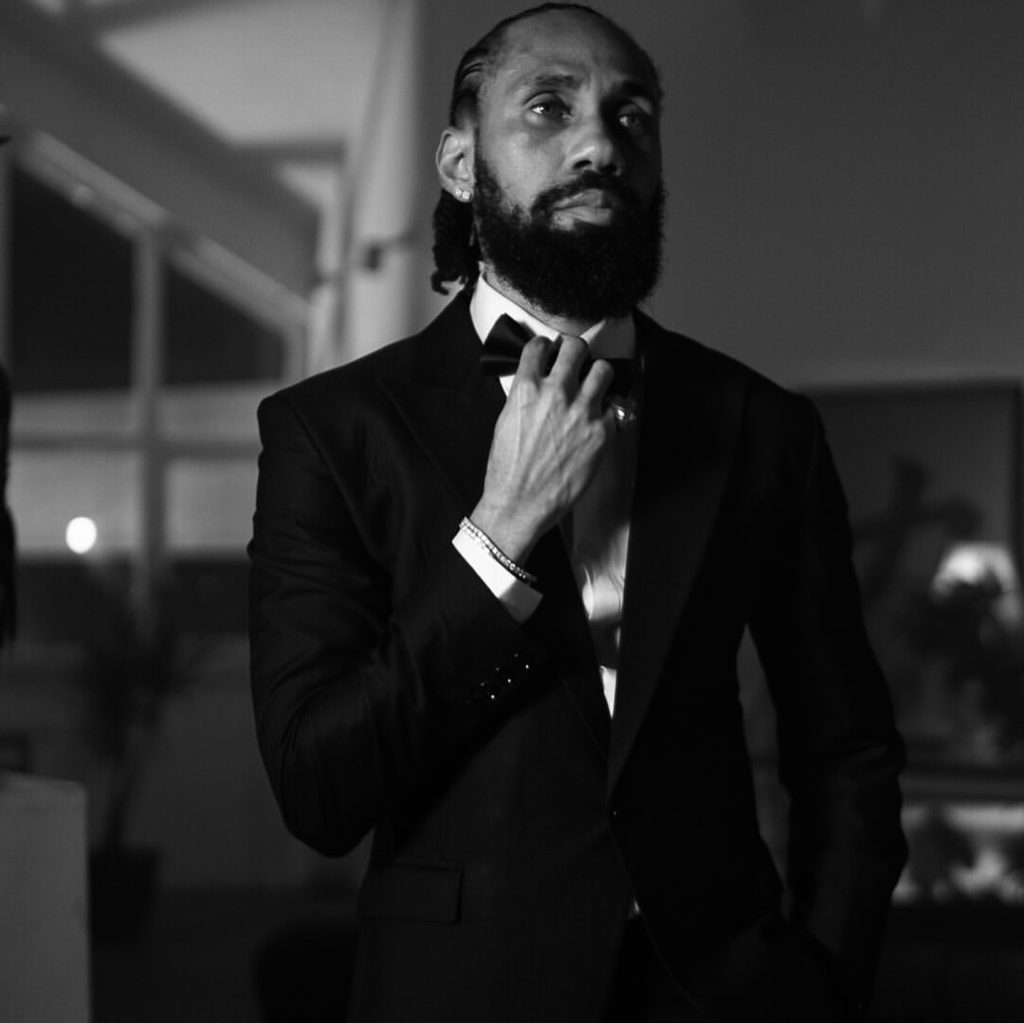
“Beautiful” offers another perspective on that identity.
Rather than relying primarily on the harder rap delivery with which many listeners associate him, the record turns towards affection and devotion.
Its movement between Igbo, Pidgin and English is particularly meaningful.
Language is not simply a tool for translating emotion.
It also carries cultural memory, familiarity and ways of expressing intimacy that cannot always be separated from the communities in which they develop.
Phyno’s romantic expression therefore becomes another reminder that artistic range does not require an artist to leave their cultural foundation behind.
I’LL BE OKAY — BIEN
There is a particular kind of strength involved in admitting that recovery is unfinished.
Bien’s “I’ll Be Okay” finds its emotional centre in that possibility.
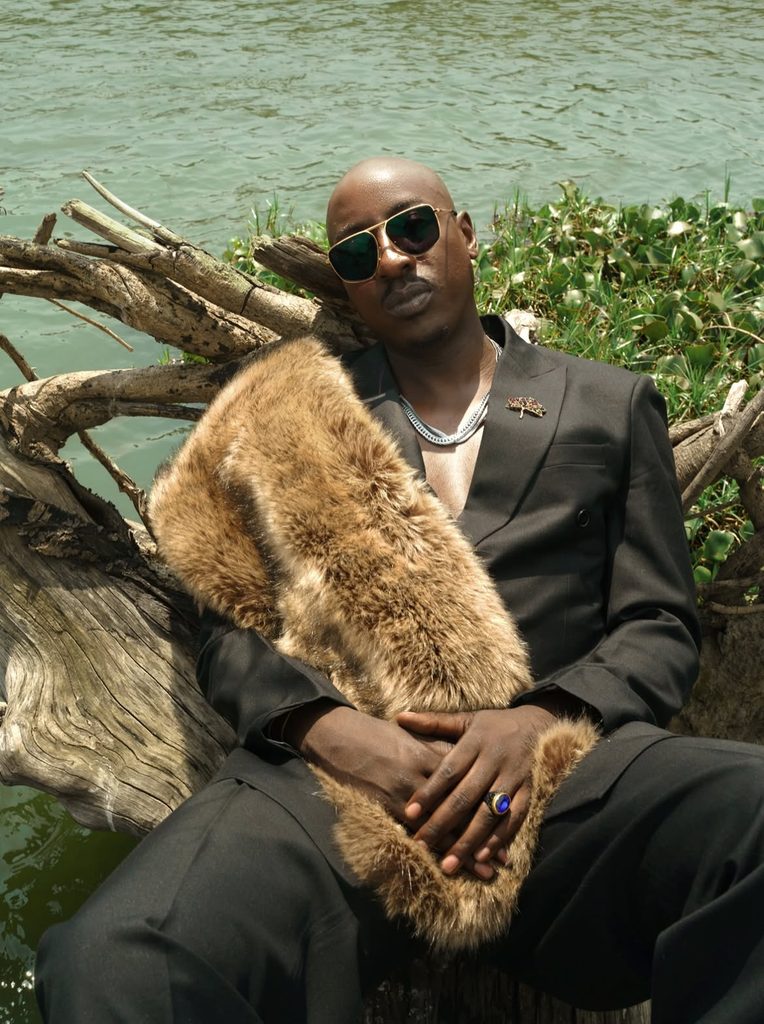
The title is reassuring, but it also recognises that reassurance is sometimes something people must offer themselves before they fully believe it.
Within a playlist introduced through FOLA’s ambition, Bien’s contribution provides an important counterpoint.
Not every meaningful achievement arrives through public recognition.
Sometimes progress is the quieter decision to continue after disappointment.
And within contemporary African pop, emotional honesty deserves as much attention as spectacle.
DAD & DOT — VECTOR & CYNTHIA IFIE
Vector’s “Dad & Dot,” featuring Cynthia Ifie, brings family and responsibility into the centre of this week’s selection.
Fatherhood is a particularly interesting subject within a genre frequently associated with competition, confidence and public success.
It asks different questions.
What does responsibility look like beyond professional achievement?
How do relationships change the way a person understands their own legacy?
And what remains important when the public performance of success is removed?
Cynthia Ifie’s contribution adds warmth to the record’s reflective direction.
Its inclusion broadens the emotional vocabulary of the playlist, reminding listeners that African hip-hop has room for tenderness, accountability and the experiences of everyday family life.
SETTINGS — ZORO SWAGBAG
The relationship between indigenous musical knowledge and contemporary hip-hop remains one of the more interesting developments in African popular music.
Zoro Swagbag has built an identity around Igbo-language expression and cultural references.
On “Settings,” the incorporation of the Oja flute places an indigenous musical element within a modern rap setting.
That choice matters.
Traditional instruments do not become culturally relevant only when they are preserved in their original contexts.
They can also remain active through reinterpretation.
The more interesting question is whether contemporary production allows those musical identities to retain their character rather than reducing them to decorative references.
Zoro’s continued engagement with Igbo musical expression makes him a useful artist through whom to examine that relationship.
MARIWANA — BENSOUL & YWAYA TAJIRI
Bensoul and Ywaya Tajiri bring this edition to a close through a distinctly East African collaboration.
Their existing creative relationship gives “Mariwana” a sense of familiarity, while its blend of English and Swahili places local expression within a contemporary Afropop setting.
That is important for the wider purpose of Afrobeats Heat Different.
A Pan-African playlist should not treat East African music as an occasional addition to a conversation taking place elsewhere.
Kenyan artists are part of the conversation itself.
The presence of Bensoul and Ywaya Tajiri alongside FOLA, Davido, Phyno and other Nigerian artists helps reinforce a more connected understanding of African popular music.
Different cities contribute different musical languages.
The playlist becomes more useful when those languages can be heard alongside one another.
ARTISTS TO WATCH THIS WEEK
FOLA
The release of 9 presents an important opportunity to evaluate FOLA beyond the momentum of individual singles and collaborations.
His growing visibility is clear, but the next stage of his career will depend on how convincingly he develops a recognisable artistic identity across complete projects.
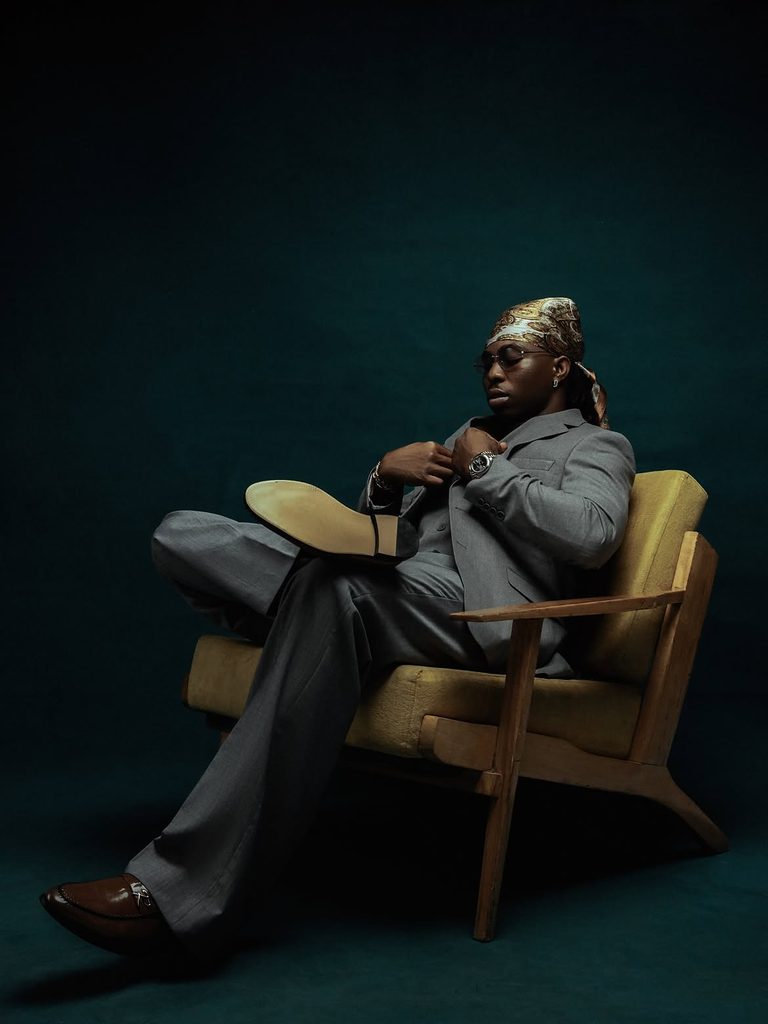
The number-nine metaphor communicates ambition.
His catalogue will ultimately determine how that ambition is remembered.
NO11
“Coachella,” featuring Gabzy, places NO11 within a collaborative space connecting Nigerian and UK-based Afropop audiences.
The record provides an opportunity to follow how emerging artists build recognition through relationships that extend beyond their immediate markets.
For Music Custodian, that makes NO11 a voice worth keeping within our discovery radar.
GODWIN
“My Way” earns a place in this week’s selection as part of AHD’s commitment to discovery.
Available research on the specific release remains limited, so there is value in following the artist’s catalogue more closely before making larger claims about musical direction or influence.
Discovery should create curiosity.
It should not require premature conclusions.
WAVE$TAR
“MINISTER FREESTYLE” introduces WAVE$TAR’s personality through a brief, confidence-driven rap performance associated with the Swagstar project.
The combination of self-belief, fashion-conscious presentation and alternative rap influences suggests an artist developing a particular creative identity.
The question worth following is how that identity evolves across future releases.
YWAYA TAJIRI
Her collaboration with Bensoul on “Mariwana” offers another reason to pay attention to Kenya’s developing Afropop voices.
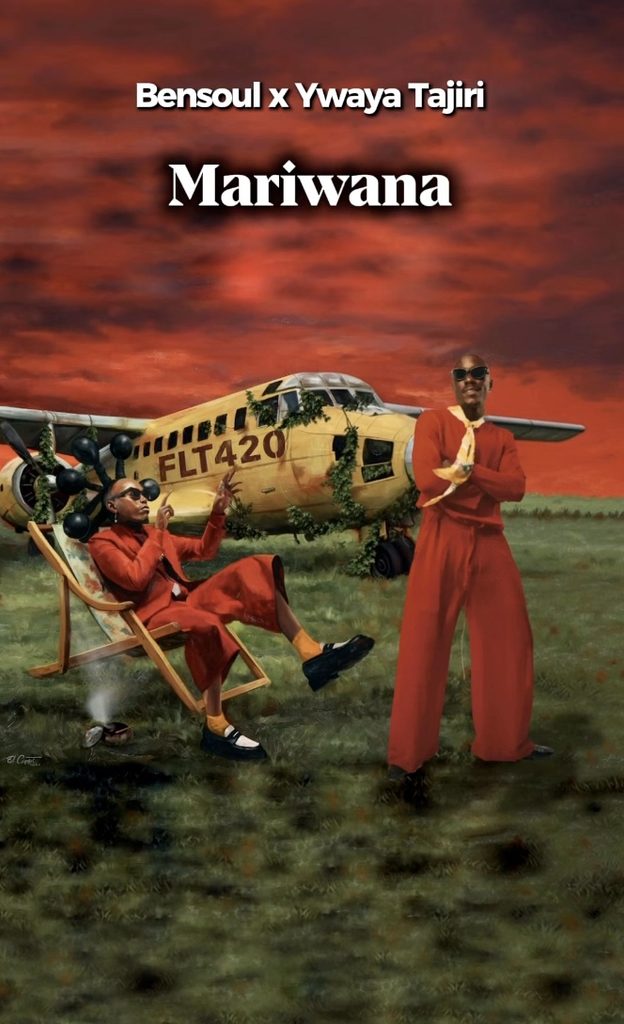
Beyond individual releases, the longer-term interest lies in how artists build recognisable identities within an East African music ecosystem that continues to develop its own relationships between songwriting, language and contemporary production.
WHY THIS PLAYLIST MATTERS
The number nine is an interesting symbol because it makes success appear simple.
A striker scores.
The crowd celebrates.
The result becomes visible.
But football is rarely that straightforward.
Neither is music.
Behind every successful record is a network of creative decisions, relationships, cultural influences and personal experiences that cannot always be measured by the final outcome.
FOLA’s 9 embraces the ambition to become a dependable hitmaker.
That ambition is understandable within an industry where visibility can be fleeting and the pressure to maintain momentum is constant.
Yet the thirteen records in this week’s Afrobeats Heat Different suggest that artistic contribution cannot be reduced to commercial performance alone.
Phyno’s multilingual expression matters because language remains central to cultural identity.
Bien’s vulnerability matters because popular music also provides space for emotional recognition.
Vector’s reflections on fatherhood matter because the stories artists tell about responsibility and family deserve a place alongside narratives of personal success.
Zoro Swagbag’s indigenous influences matter because African musical traditions continue finding new forms within contemporary production.
And collaborations connecting Nigeria, Ghana, Kenya, Uganda and the wider diaspora matter because the future of African music depends partly on the strength of relationships between its different creative communities.
There is no single route through which an artist becomes important.
Some records introduce new voices.
Others deepen the identities of established musicians.
Some cross borders.
Others become meaningful precisely because they remain closely connected to a particular place, language or experience.
A useful editorial playlist should make room for all of them.
That is why Afrobeats Heat Different cannot be understood simply as a weekly collection of new releases.
It is also a record of how African artists are defining themselves, connecting with one another and expanding the possibilities of contemporary popular music.
FOLA takes the number-nine shirt this week.
But the most interesting thing about the playlist is that nobody else needs to play the same position.
African music has room for different strengths.
And its future will be shaped by what those differences can create together.
Curated by Ayodeji Oyedeji | Music Custodian Editorial Team | October 2026