This week’s edition of Nairobi Grooves is less a playlist and more a reflection of a region discovering itself in real time. Every city has a soundtrack.
Every generation leaves behind a collection of songs that capture its ambitions, anxieties, celebrations, heartbreaks, and hopes.
Every music scene experiences moments of transition.
There are periods when established stars continue to lead conversations, and there are moments when a new generation begins to emerge, bringing fresh perspectives, new sounds, and different ways of understanding the world around them.
This week’s edition of Nairobi Grooves sits firmly within the latter.
Across East Africa, a growing wave of artists is creating with confidence, curiosity, and a deep connection to the communities and cultures that shape them. Rather than chasing trends or external validation, many of these artists are building from within – drawing inspiration from local realities while pushing their music toward new possibilities.
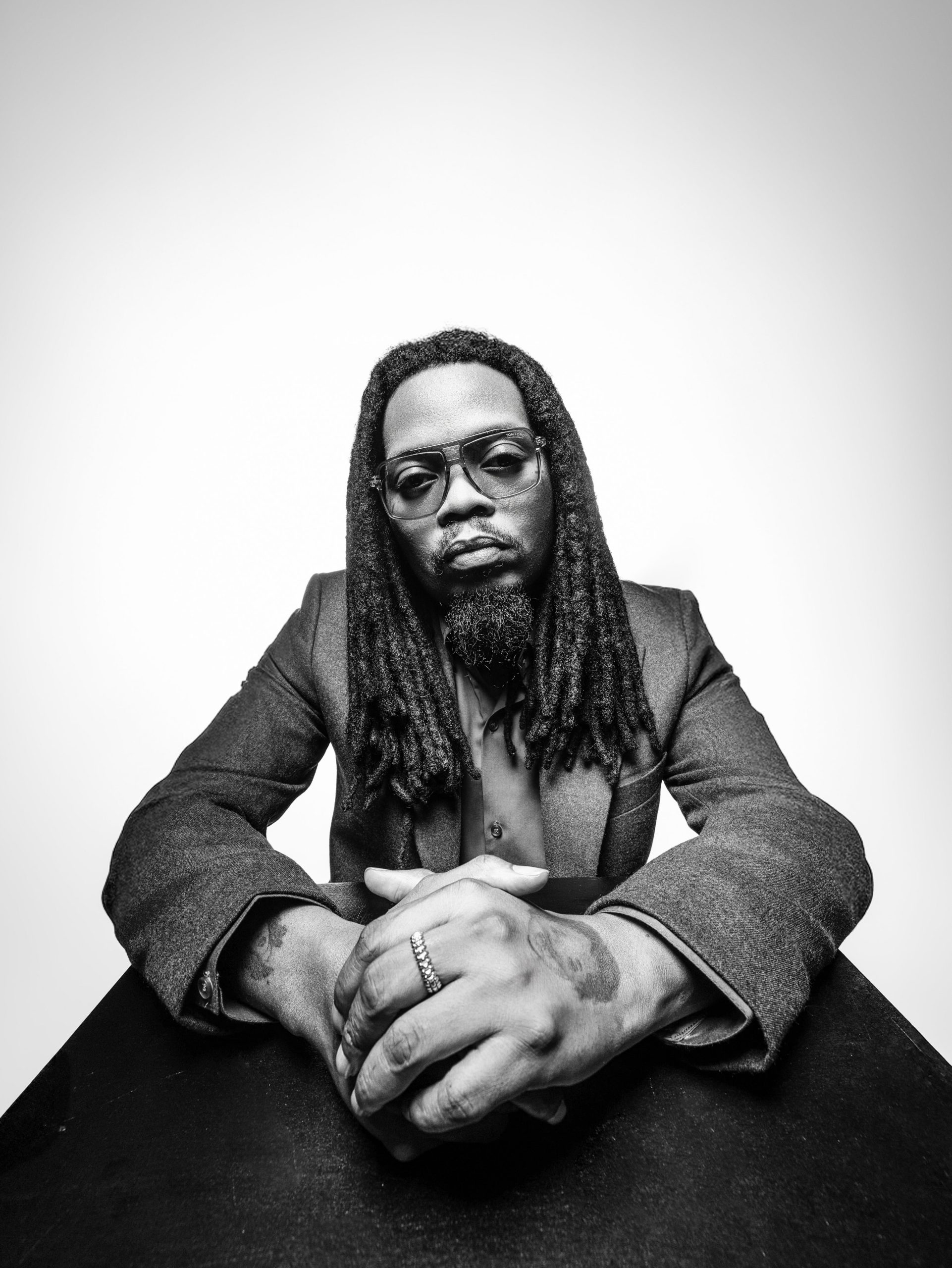
Leading this week’s edition is Maali.
Curated by Music Custodian’s with collaboration from Luisa Nduta, the selection moves across Kenya, Uganda, Rwanda, Ethiopia, Burundi, Tanzania and the wider East African creative ecosystem, bringing together artists who are shaping the sound of a region increasingly comfortable in its own skin.

His latest single, Bad Decision, earns the cover position as one of the most exciting records currently emerging from Nairobi’s evolving music landscape. The song captures the emotional honesty, experimentation, and ambition increasingly defining East Africa’s next generation of artists. More importantly, it introduces a voice that feels unafraid to be vulnerable while remaining firmly rooted in contemporary African storytelling.
We Are Nubia and Xenia Manasseh’s “Longo Longo” explores identity, rhythm, and collaboration through a distinctly East African lens, while Muthoni Drummer Queen and Blinky Bill remind listeners why they remain among the region’s most influential cultural architects on “Sina Makosa.”
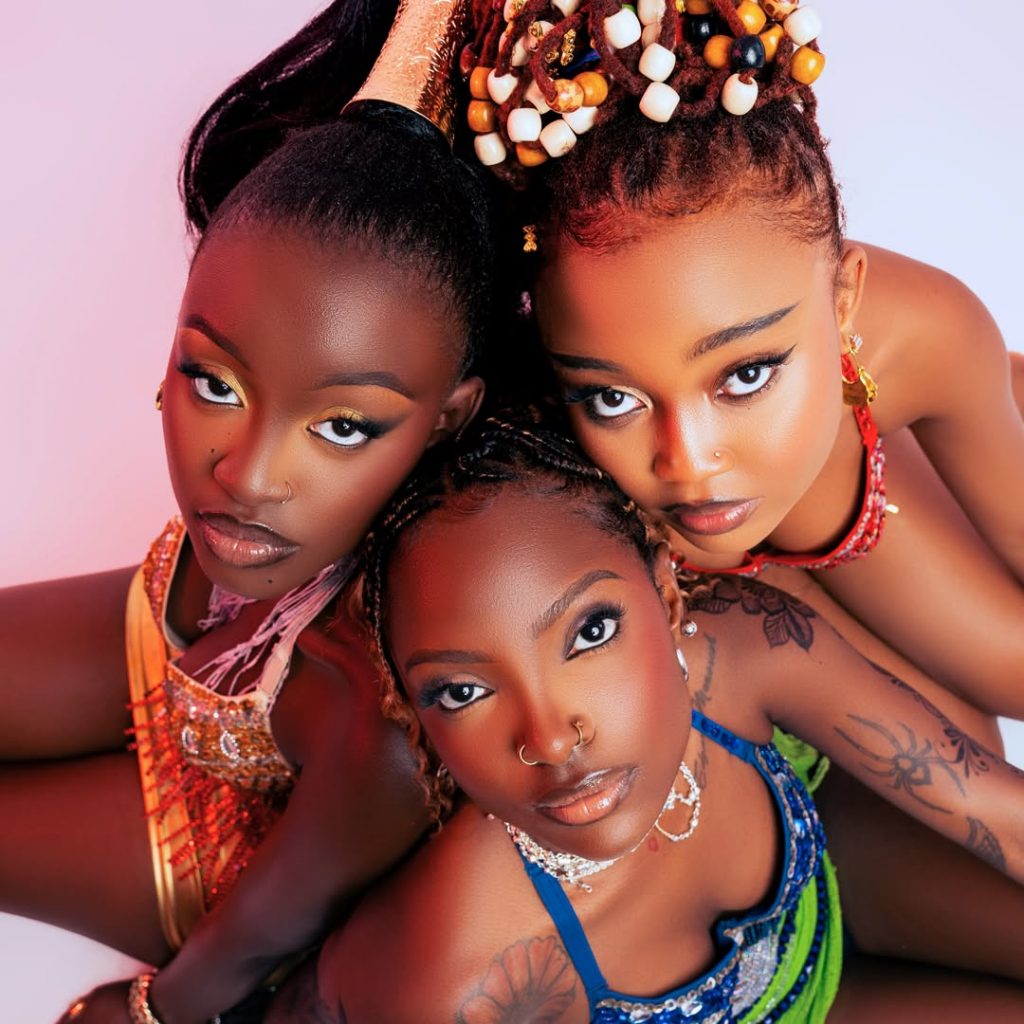
Nikita Kering’s “Niwache” adds emotional depth to the selection. The record arrives as part of her newly released Lick Back project and finds the Kenyan superstar navigating emotional boundaries, self-worth, and personal clarity with confidence and conviction.
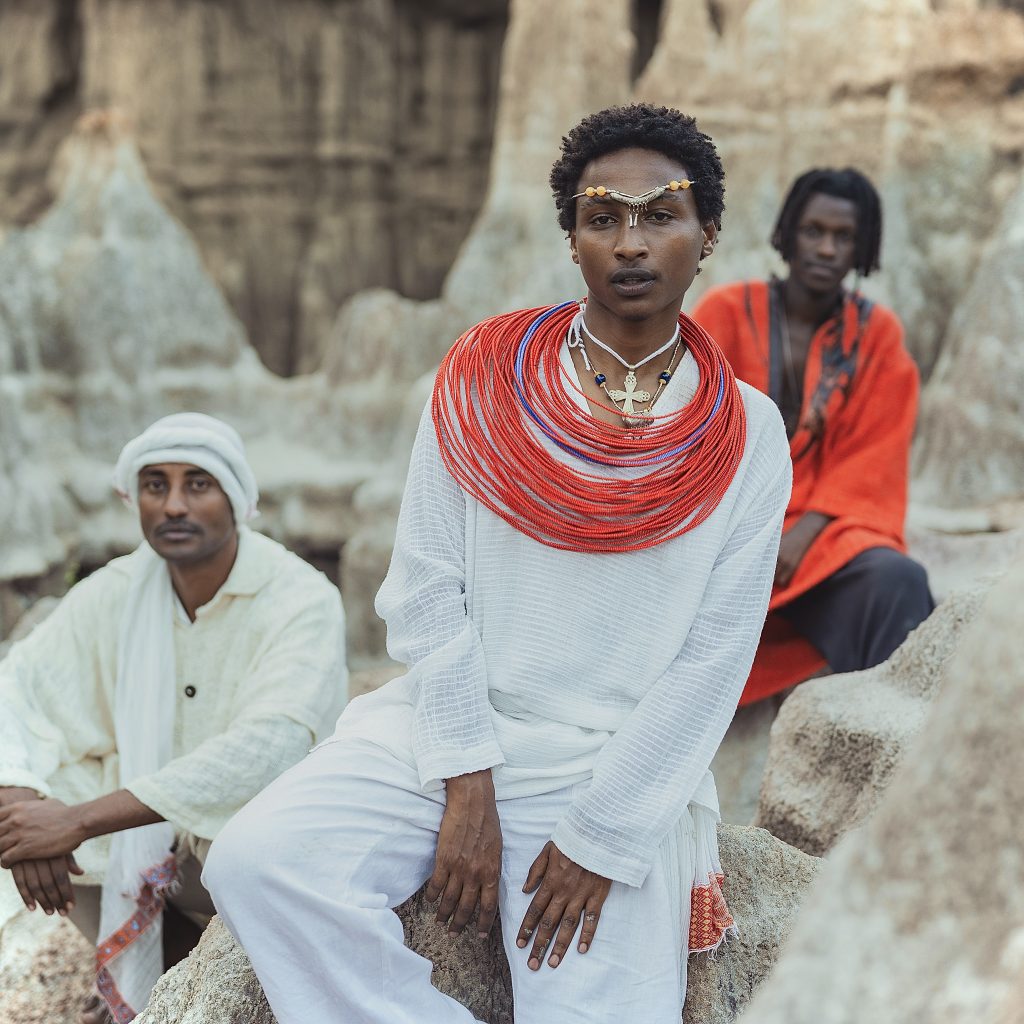
One of the most compelling additions this week comes through JUA, ISAT IRAT and Mr. LU*’s “Mass High.”
The song forms part of the larger CHIKKA project, an ambitious exploration of shared East African rhythmic traditions. Drawing connections between communities, histories, and musical practices that stretch beyond modern borders, the record feels less like a song and more like a conversation about regional identity.

If “Mass High” looks backward to understand the future, Maali’s “Bad Decision” captures the ambitions of a new generation moving forward with purpose. The rising Kenyan artist continues his ascent with a record that reflects the confidence, vulnerability, and experimentation increasingly present within Nairobi’s contemporary music landscape.
Elsewhere, Hobs and Zvuka’s “Fun Guy” injects playful energy into the playlist, while Eyez KTK’s “The Intro” provides listeners with a glimpse into one of the emerging voices contributing to the city’s evolving creative narrative.
Alongside contributions from Wakadinali, Bridget Blue, Muthaka, Bien, Kethan, Bensoul, Blinky Bill, Muthoni Drummer Queen, and many others, this week’s selection paints a picture of a creative ecosystem in motion.
Together, these records reveal something important.
It is a region where collaboration increasingly matters more than competition.
“East Africa’s creative borders are disappearing.”
For years, conversations about African music have often centered around a handful of dominant markets. Yet East Africa continues building a compelling case for itself through collaboration, experimentation, and a willingness to create from its own realities rather than external expectations.
That confidence is beginning to show.
The region’s artists are embracing local languages, cultural references, indigenous rhythms, and contemporary influences without feeling the need to choose one over the other.
The result is a musical ecosystem that feels increasingly interconnected.
One where Nairobi speaks to Kampala.
Where Kigali speaks to Addis Ababa.
Where tradition meets innovation.
And where artists continue to discover new possibilities through collaboration rather than competition.
What makes Nairobi Grooves special is not simply the music itself, it is the opportunity to document these moments as they happen – to capture the sounds, stories, and creative journeys shaping East Africa in real time.
Because years from now, when people look back to understand this era of East African music, they will not only ask who the biggest stars were.
They will ask who was emerging. Who was experimenting. Who was building. And who was quietly changing the sound of the region.
This week’s Nairobi Grooves offers some answers.
The future is already here.
And it sounds remarkably East African.