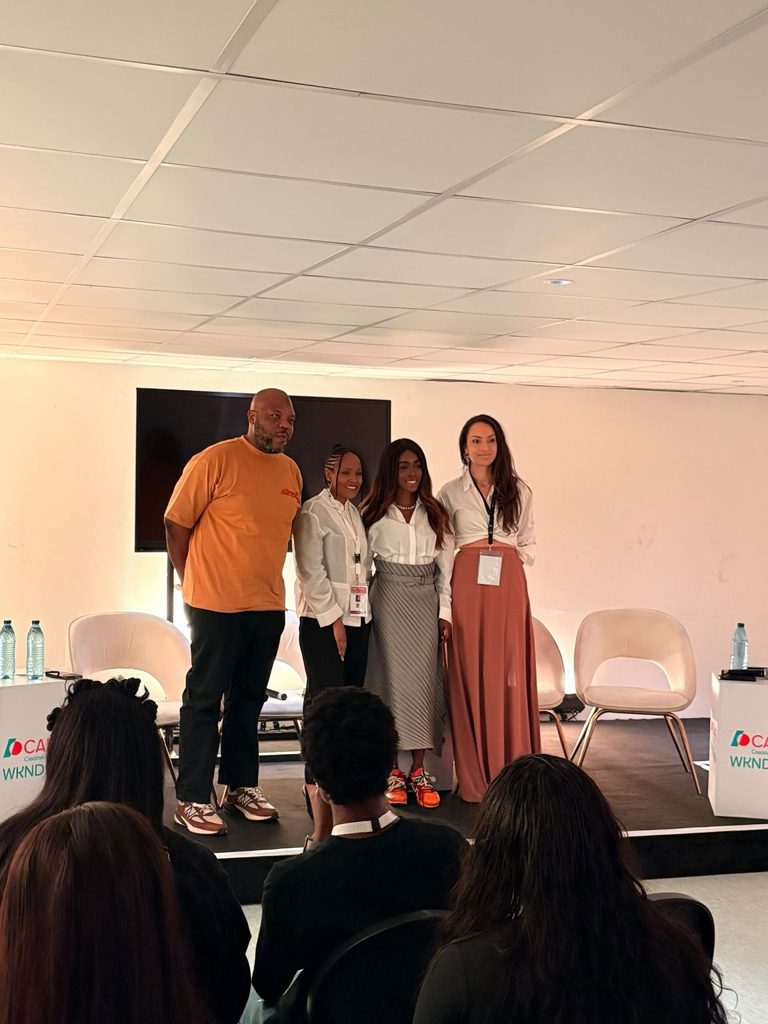
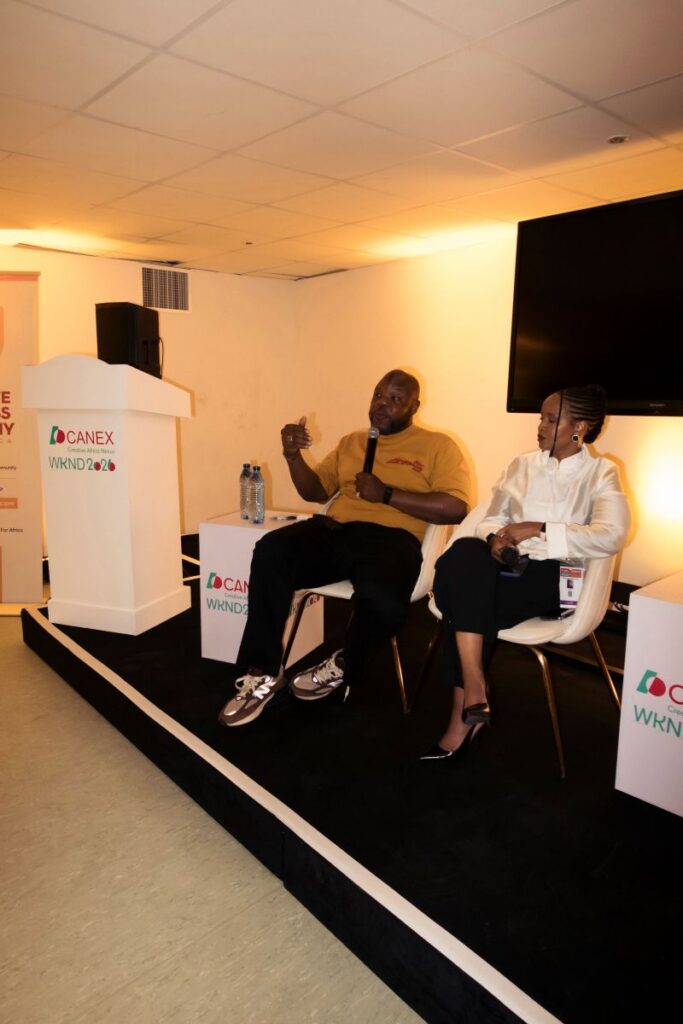
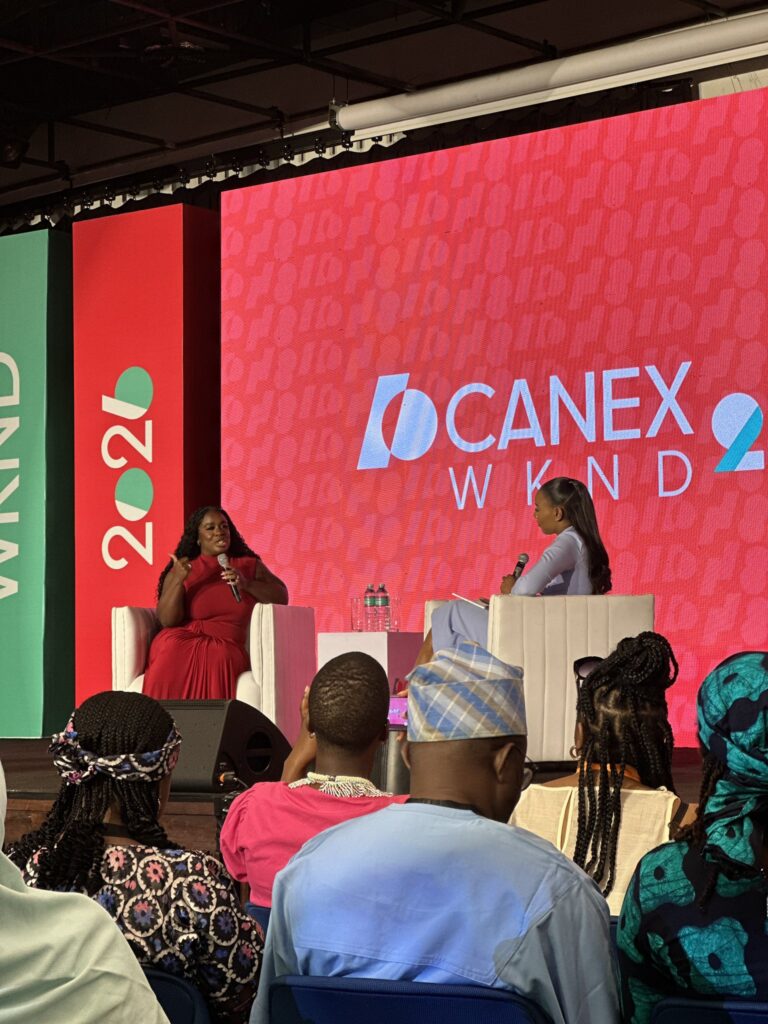
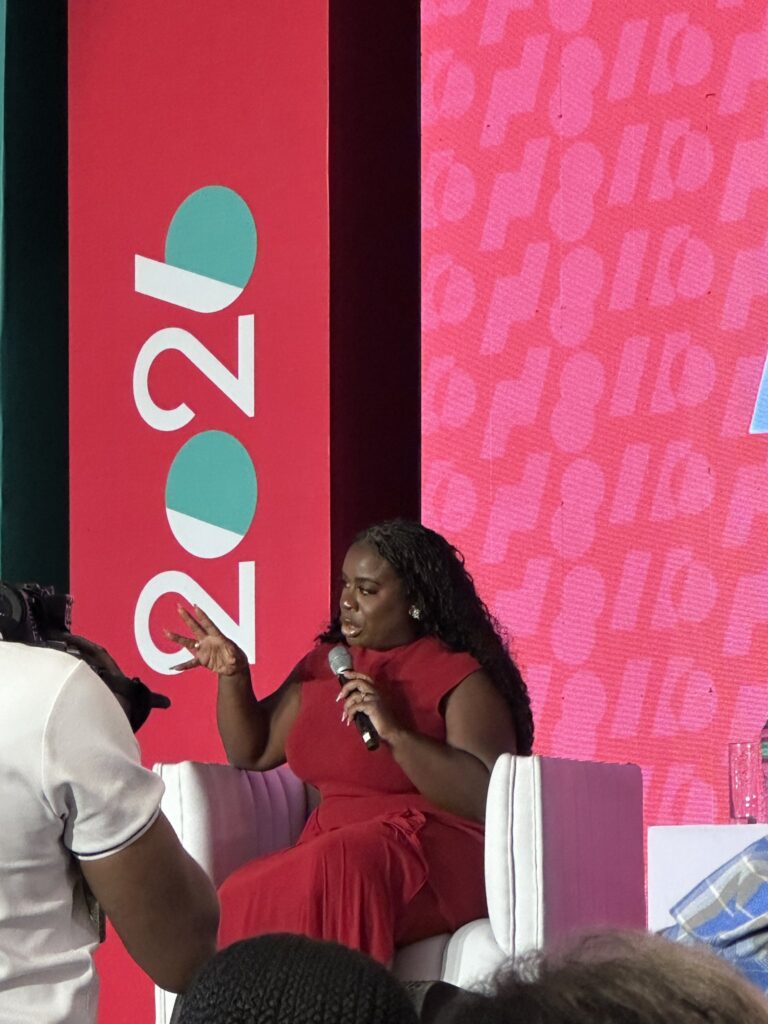
From the cultural welcome at the Wole Soyinka Centre to conversations on music, intellectual property, investment, and creative entrepreneurship, CANEX WKND 2026 is making a case for a more connected and commercially empowered African creative industry.
Lagos has always been a city where culture finds expression in different forms. From its music and fashion to its film, food, literature and everyday creative energy, the city continues to reflect the diversity and ambition of a continent whose cultural influence is increasingly difficult to ignore.
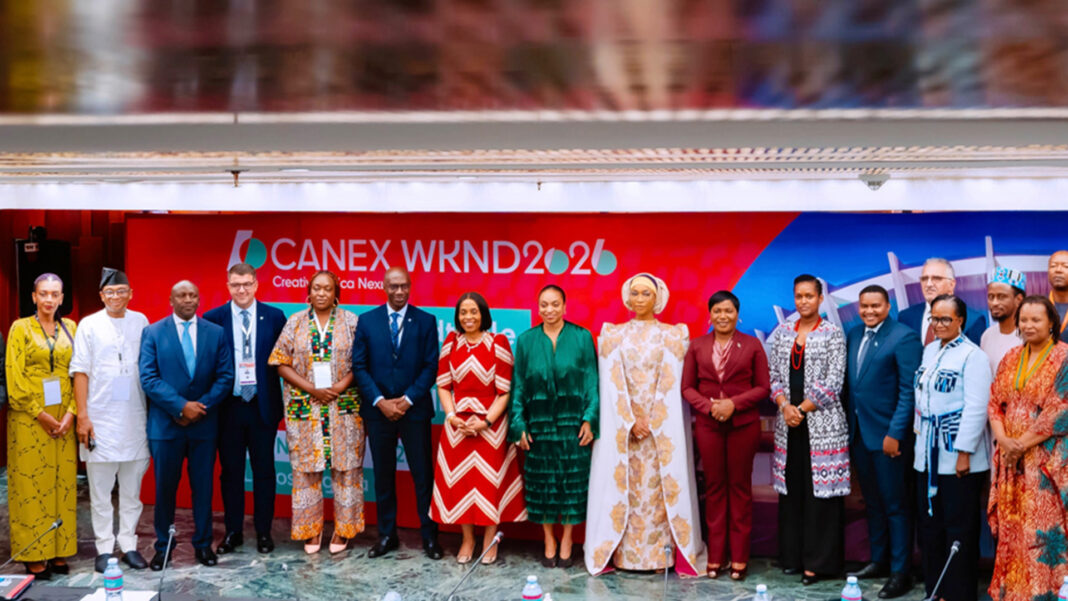
Between November 5 and 8, 2026, that energy has found another meeting point at the Wole Soyinka Centre for Culture and Creative Arts, formerly the National Theatre, Lagos, hosting this year’s edition of Creative Africa Nexus (CANEX) WKND.
Organised by the African Export-Import Bank (Afreximbank), in collaboration with the Federal Government of Nigeria, the four-day gathering brings together creatives, cultural institutions, policymakers, investors, business leaders and industry professionals from across Africa, the Caribbean and the diaspora.
Under the theme “One People, United in Culture, Creating for the World”, CANEX WKND 2026 is positioning itself as more than a celebration of African creativity. It aims to bring the business, infrastructure, financing, and intellectual property conversations surrounding the continent’s creative economy into one space.
A Cultural Welcome Before the Conversations Began CANEX WKND 2026
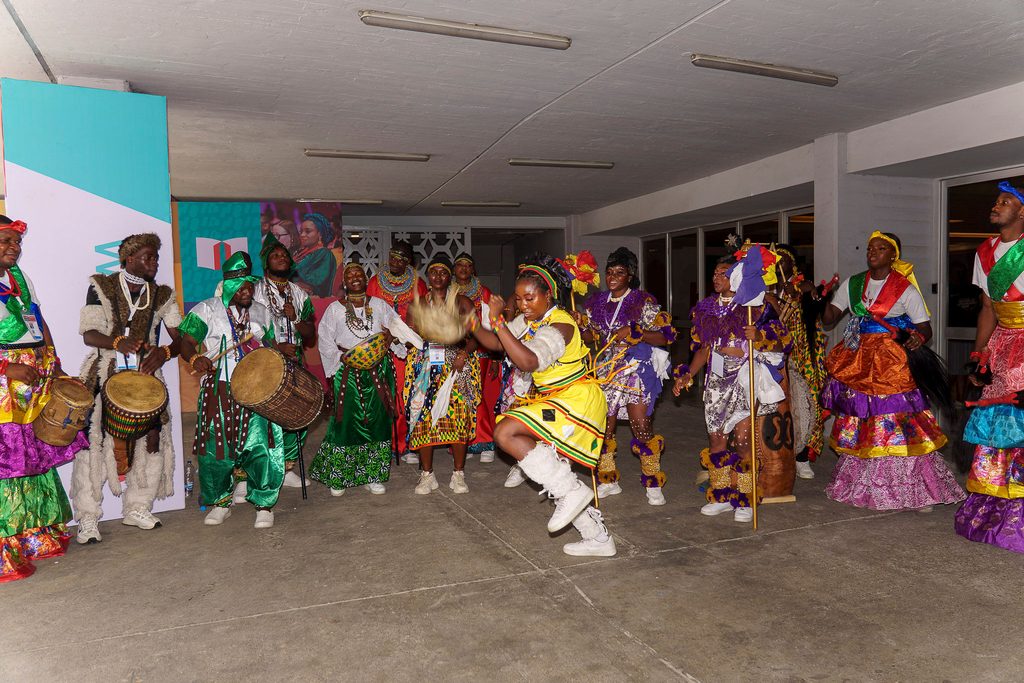
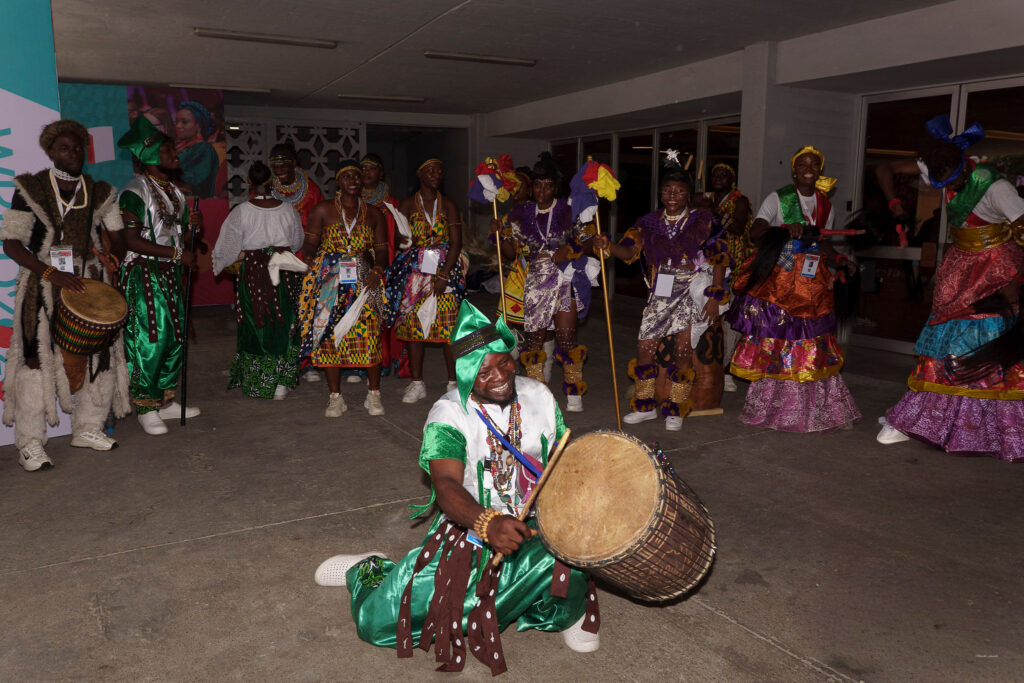
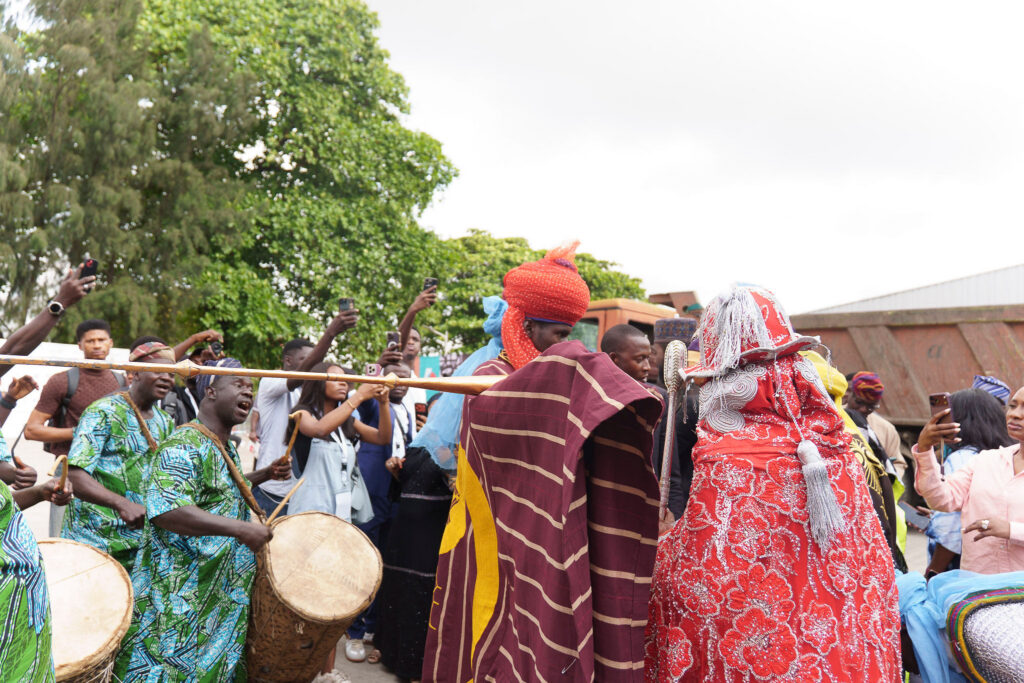
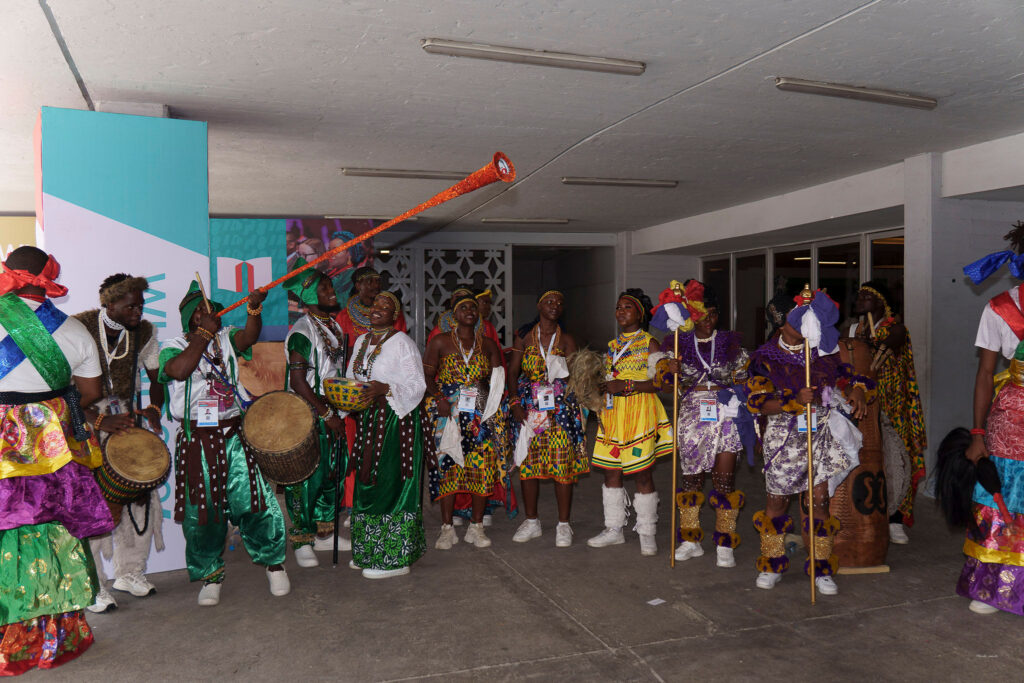
From the moment you approach the venue’s entrance, there was an unmistakable sense of occasion. A troupe of cultural dancers welcomed arriving guests along the walkway leading from the gate into the Wole Soyinka Centre. Their performances created an immediate connection between the gathering and the cultural identity it was established to celebrate.
It was a thoughtful introduction to an event bringing together different expressions of African identity. The cultural welcome continued to set the atmosphere as guests moved through the venue towards the different panel-session rooms, exhibition spaces and industry engagement areas.
There was a certain symbolism in that experience. Before conversations about financing, intellectual property, international distribution and investment could begin, culture had already taken centre stage. The performances served as a reminder that the creative economy being discussed in these rooms is ultimately built on the people, traditions, stories and expressions that define the continent.
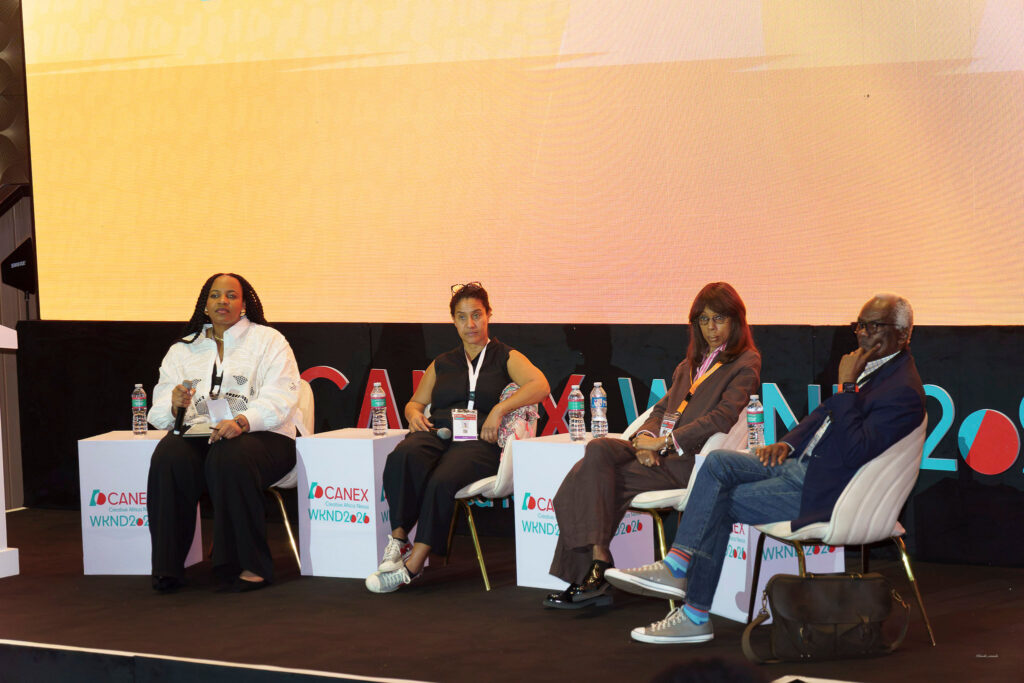
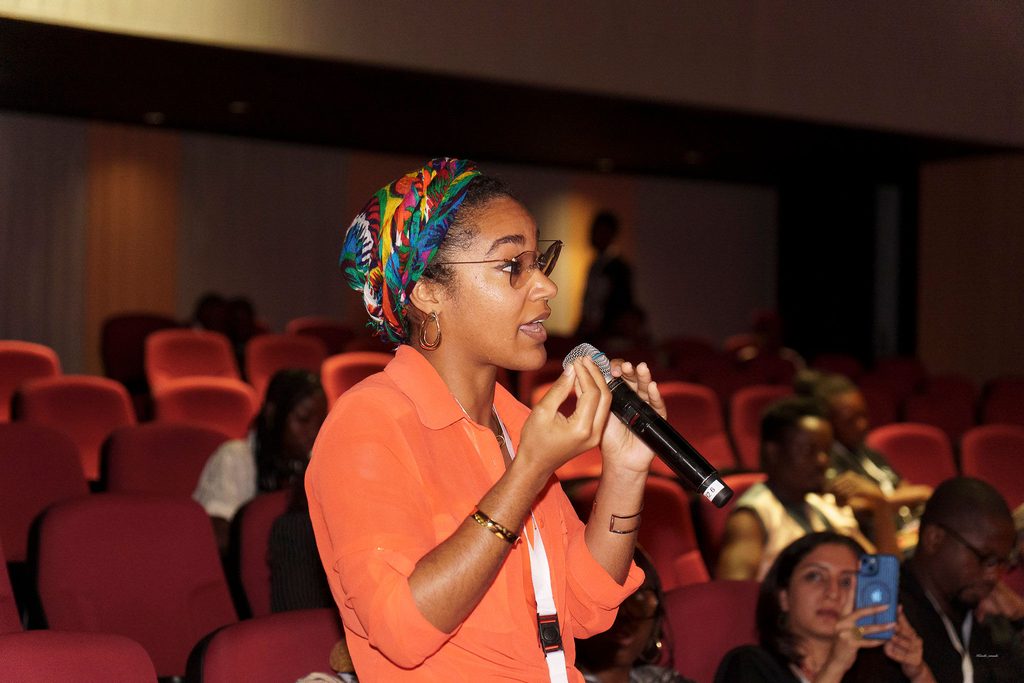
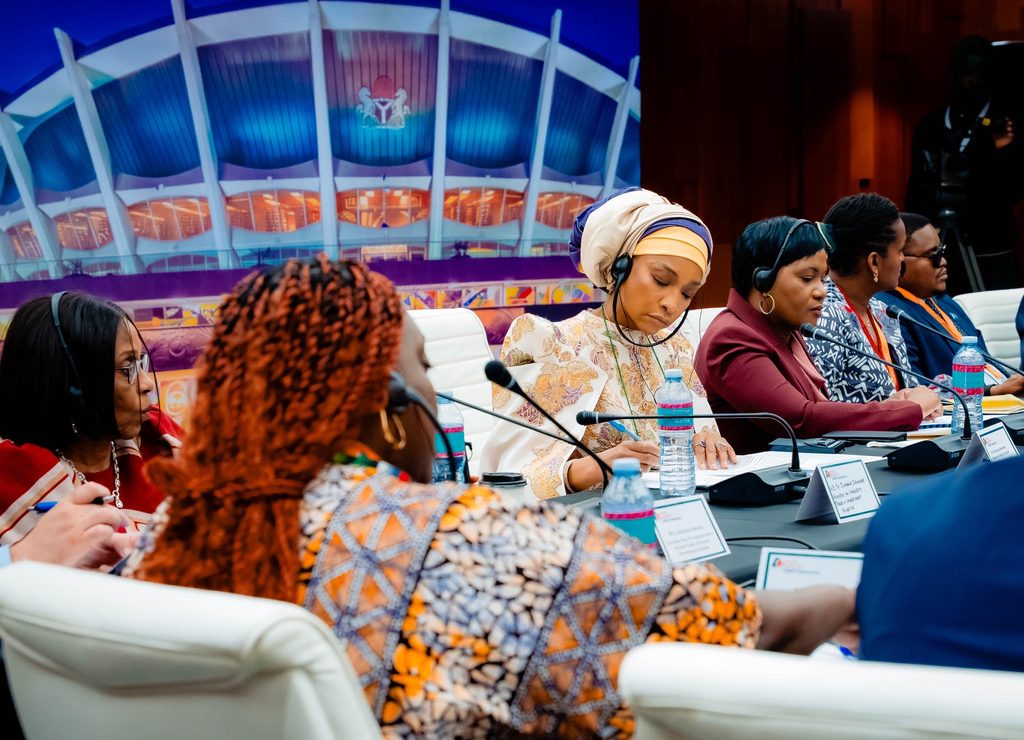
Inside, the atmosphere reflected the scale of the gathering. Different conversations were taking place across parallel sessions, with participants moving between discussions, networking opportunities, exhibitions and business engagements.
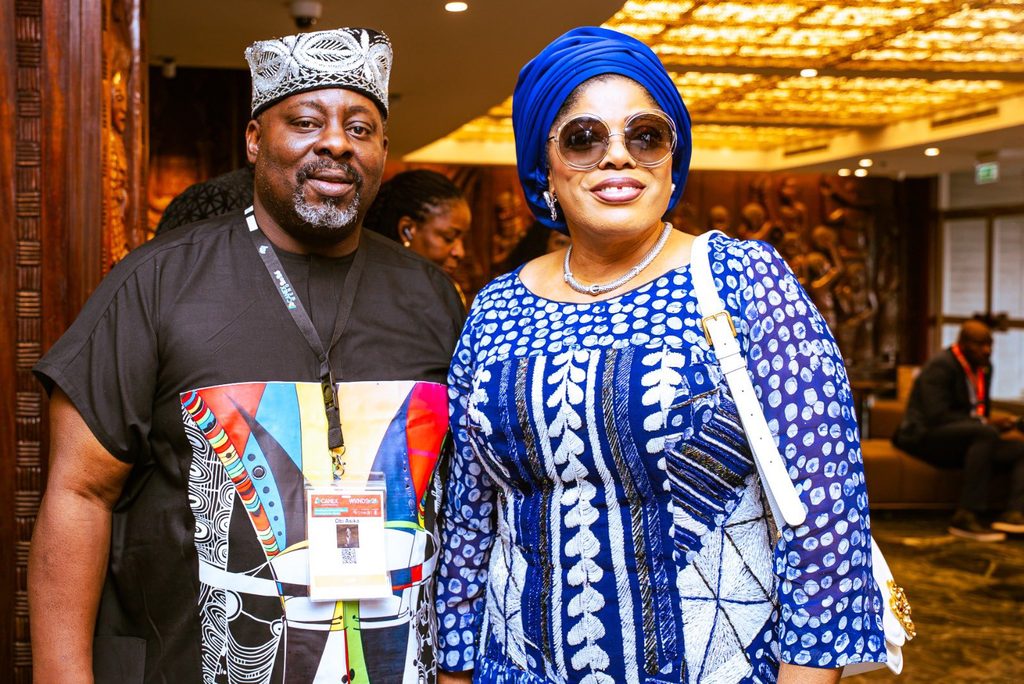
What stood out was the diversity of people in attendance and the range of industries represented. CANEX was not bringing together only performers and entertainers; it was creating room for the people working behind the scenes to build, finance, protect and commercialise creative ideas.
Beyond Cultural Recognition: The Business of African Creativity
One of the most important conversations surrounding this year’s gathering is the need to move African creativity beyond global recognition and into sustainable commercial value.
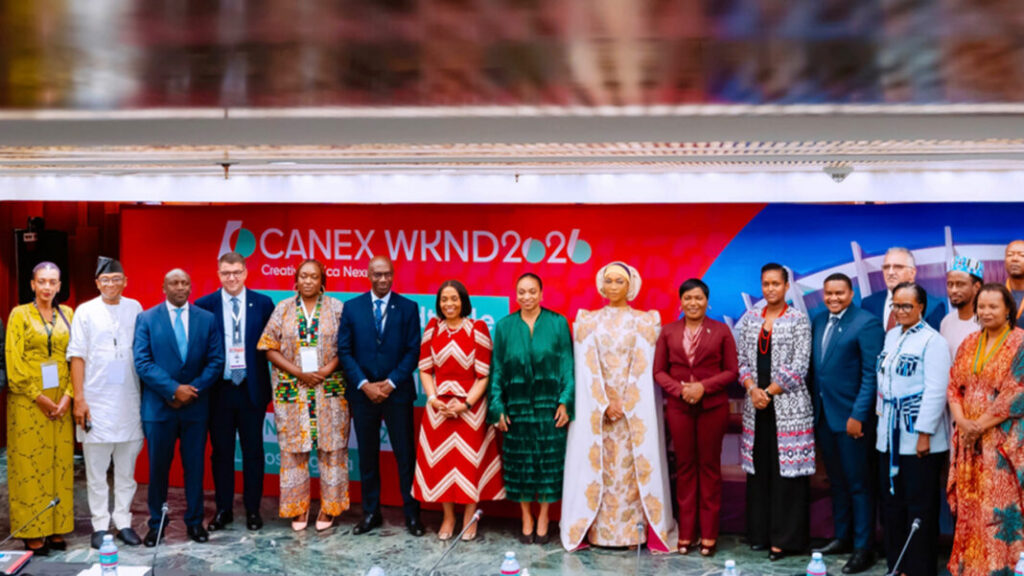
At the opening ceremony on November 5, Nigeria’s Vice President, Kashim Shettima, who represented President Bola Ahmed Tinubu, captured this ambition in his remarks. Reflecting on the 1977 FESTAC experience and the continent’s evolving creative identity, he said:
“We came to celebrate our culture. In 2026, we come to capitalise on it. We come to turn the world’s applause into contracts, its admiration into markets, and the talent of our young people into enduring wealth.”
It was a statement that spoke directly to one of the industry’s longstanding challenges: African creativity has travelled far, but the structures required to retain more of its economic value have not developed at the same pace.
The conversation extended into market access, investment, distribution and the need for stronger relationships between African creative businesses and the institutions capable of financing their growth.
Nigeria’s Minister of Industry, Trade and Investment, Dr Jumoke Oduwole, also highlighted the commercial opportunities emerging from the gathering, revealing that proposed transactions worth more than US$500 million were already being discussed between Nigerian entrepreneurs, buyers and investors through deal rooms co-curated with Afreximbank.
The scale of these ambitions is further reflected in Afreximbank’s commitment of up to US$2 billion towards Africa’s creative and cultural industries through 2027. But financing alone is not the entire conversation.
As Afreximbank President, Dr George Elombi, pointed out, the continent must look beyond funding individual productions and focus on building the wider creative ecosystem.
His observation was particularly important:
“We can put these financing schemes into music and movie productions. Yet the value we derive will still be low. We must therefore focus on building the creative ecosystem.”
That distinction is critical. A thriving creative industry requires more than talented musicians, filmmakers, designers and performers. It requires businesses, distribution networks, ownership structures, professional services and institutions that allow creativity to become a sustainable economic enterprise.
Music, Intellectual Property and the Question of Ownership
For us, one of the most relevant dimensions of CANEX WKND 2026 has been its attention to the business infrastructure surrounding African music.
Music has become one of the continent’s most recognisable cultural exports. Nigerian Afrobeats, Ghanaian sounds, South African Amapiano and other African music movements have continued to attract audiences across international markets. Yet the expansion of these sounds also raises important questions about publishing, ownership, royalties, licensing, distribution and the structures through which artists and rights holders participate in the value generated by their work.
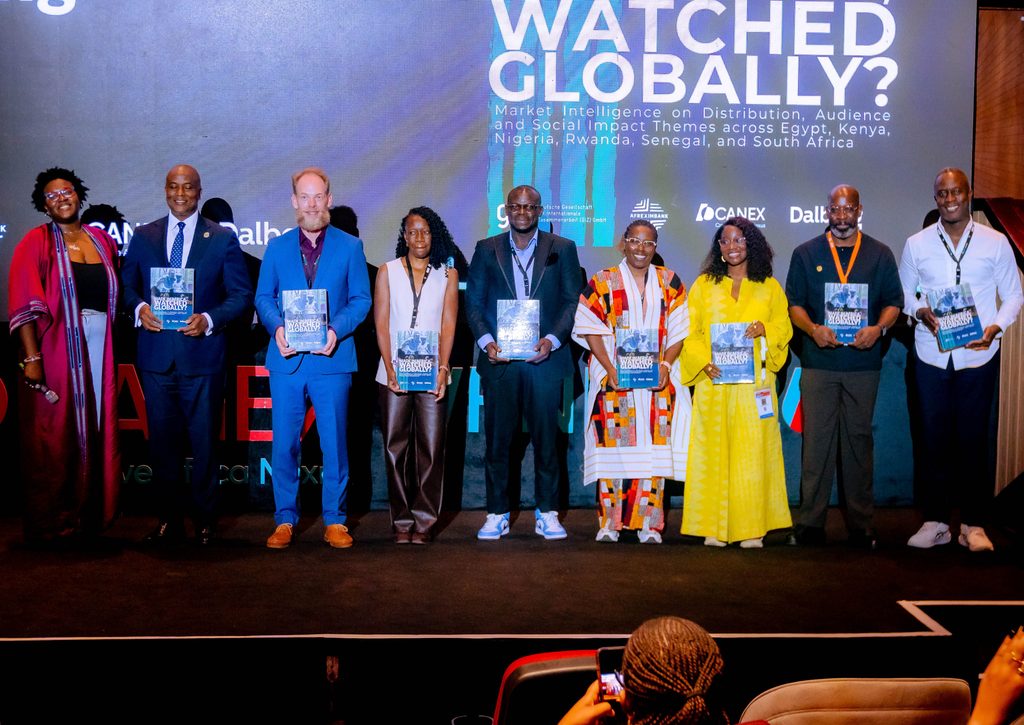
The music-focused conversations and the Intellectual Property Rights Summit, themed “Understanding the Rights That Power the Creative Economy”, brought these issues into the wider CANEX discussion.
The significance of these conversations cannot be overstated. In an industry where a song can travel across borders within hours, understanding who owns the composition, who controls the master recording, how publishing is administered and how royalties are collected is increasingly important.
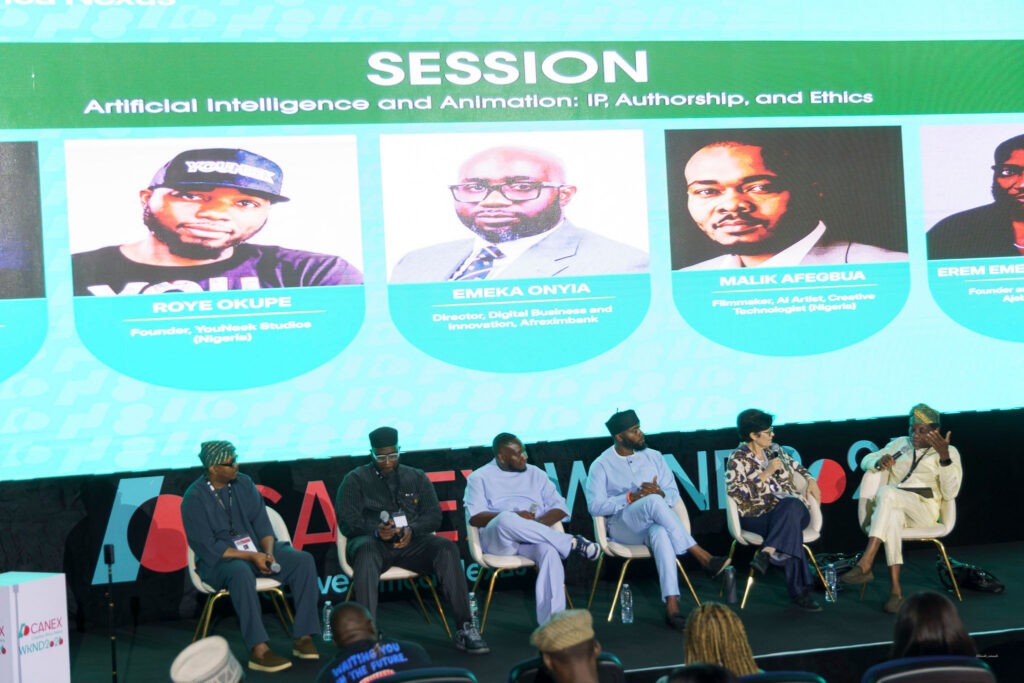
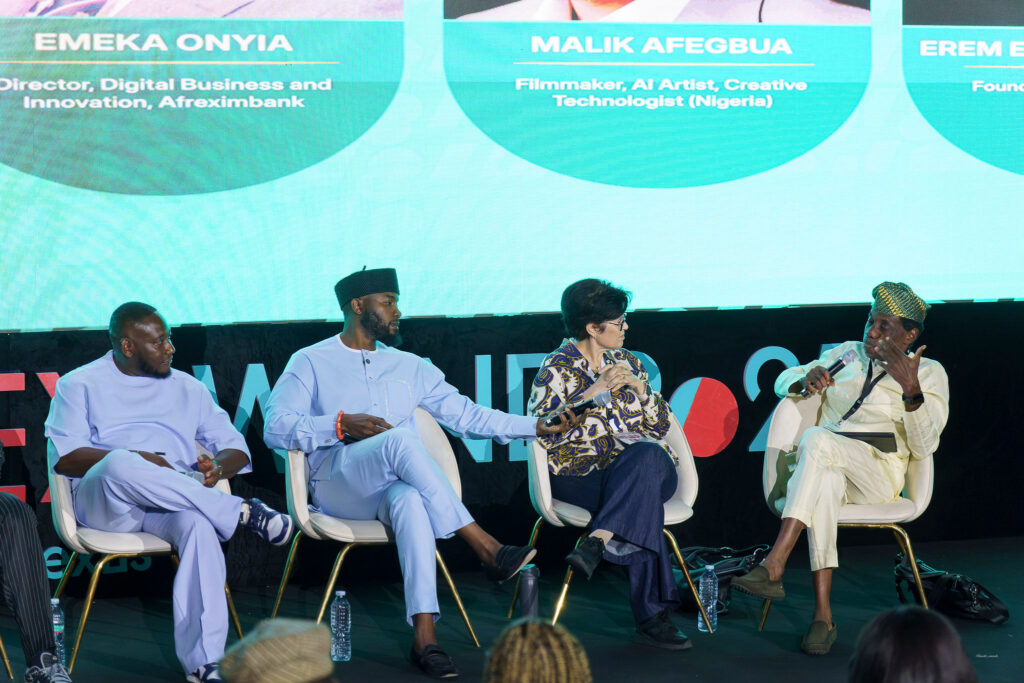
The conversation also extends to the changing relationship between technology, artificial intelligence, authorship and creative ownership. As digital tools continue to influence how music is created, distributed and consumed, African creators and businesses must be equipped to understand and protect their rights within an increasingly complex global marketplace.
For an industry that has spent years building international audience demand, the next phase must also involve strengthening its ability to retain economic value from that demand.
This is where intellectual property becomes more than a legal conversation. It becomes an economic strategy.
From Creative Ideas to Commercial Opportunities
Another important dimension of the gathering has been the emphasis on connecting creative entrepreneurs with people and institutions capable of supporting their businesses.
The CANEX Deal Room and Creative Pitch Sessions provide opportunities for businesses across different creative sectors to present their ideas, projects, and commercial propositions to investors and industry stakeholders.
The second day of the Creative Pitch Sessions, held on November 6, brought creative entrepreneurs and industry professionals into a structured environment for pitching and engagement, with participants including representatives from Forever 7 Entertainment and Ceeit.
What makes this particularly interesting is the opportunity to move conversations beyond networking and introductions into practical business considerations.
For many African creative entrepreneurs, access to capital remains a significant barrier. There are businesses with compelling ideas, talented teams, and commercially viable propositions that struggle to secure the investment, partnerships and infrastructure required to scale.
Platforms such as these create an opportunity to bridge that gap.
The broader Creative Economy Finance Summit also examined how transactions within the creative sector can be structured, financed and de-risked, bringing financial institutions and investors into conversations with creative businesses.
This is an important development because the creative economy cannot grow sustainably if its businesses are treated as speculative ventures rather than enterprises with identifiable assets, intellectual property, revenue models and long-term commercial potential.
CANEX WKND 2026 A Gathering That Extends Beyond Music
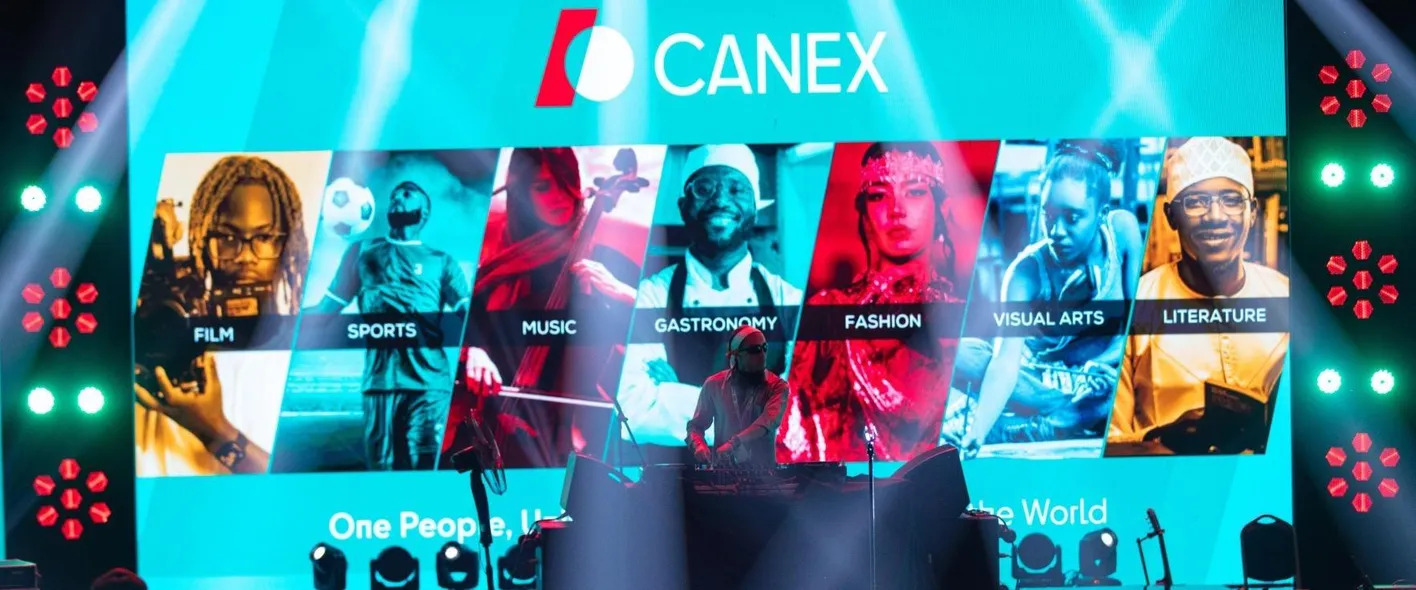
Although music remains an important part of the African creative identity, CANEX WKND 2026 has demonstrated that the continent’s creative economy is much broader.
Across the venue, the programme has brought together conversations and activities spanning film and television, fashion, literature, publishing, gastronomy, visual arts, sports and creative technology.
The CANEX Book Factory, fashion showcases, culinary competitions, exhibitions and industry masterclasses have provided different expressions of the same underlying ambition: creating stronger connections between African cultural production and commercial opportunity.
The technology conversations are equally significant. Through initiatives such as the CANEX CreaThon, delivered in partnership with Gebeya, creators, developers and innovators are being encouraged to explore African-built digital solutions across music, video and gaming.
The gathering also brings an important international perspective to these conversations, with participation extending beyond the continent to the Caribbean and the wider African diaspora.
It reinforces the idea that African creativity should not be confined by geography, language or traditional industry boundaries. The opportunities for collaboration, distribution and investment are increasingly continental and global.
The Final Stretch: Music, Cultural Exchange and What Comes Next
As CANEX WKND moves towards its final day on November 8, the gathering closes its four-day programme with a combination of cultural experiences and industry activities.
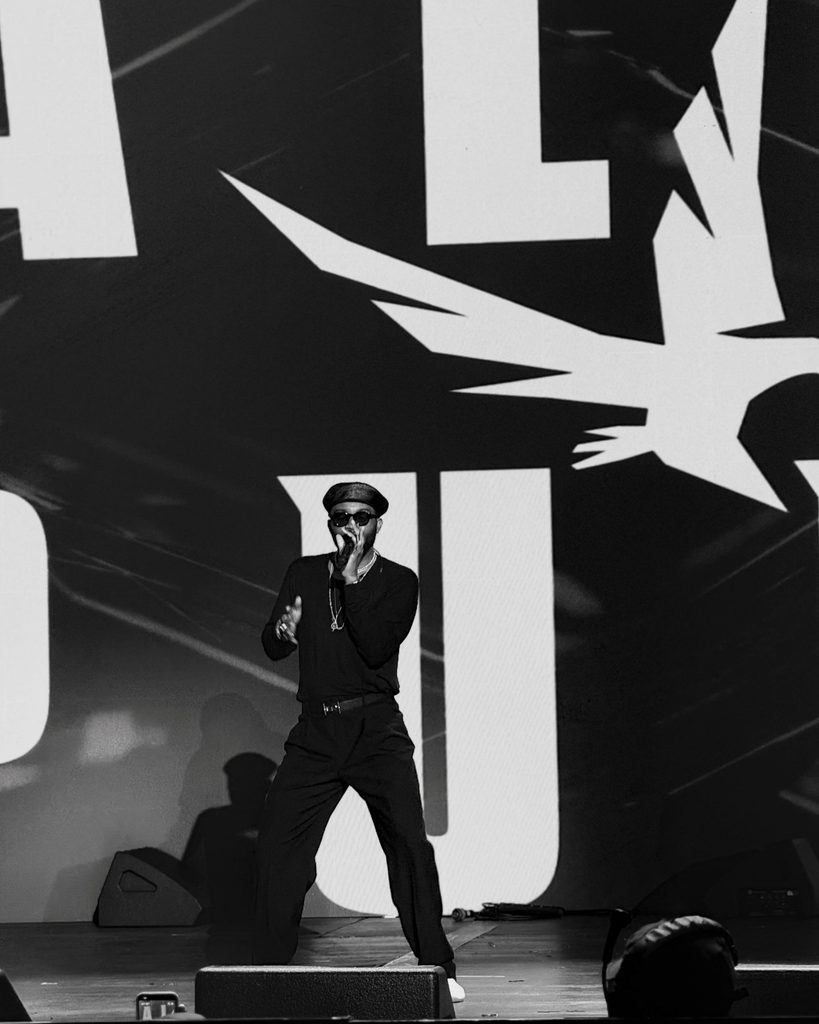
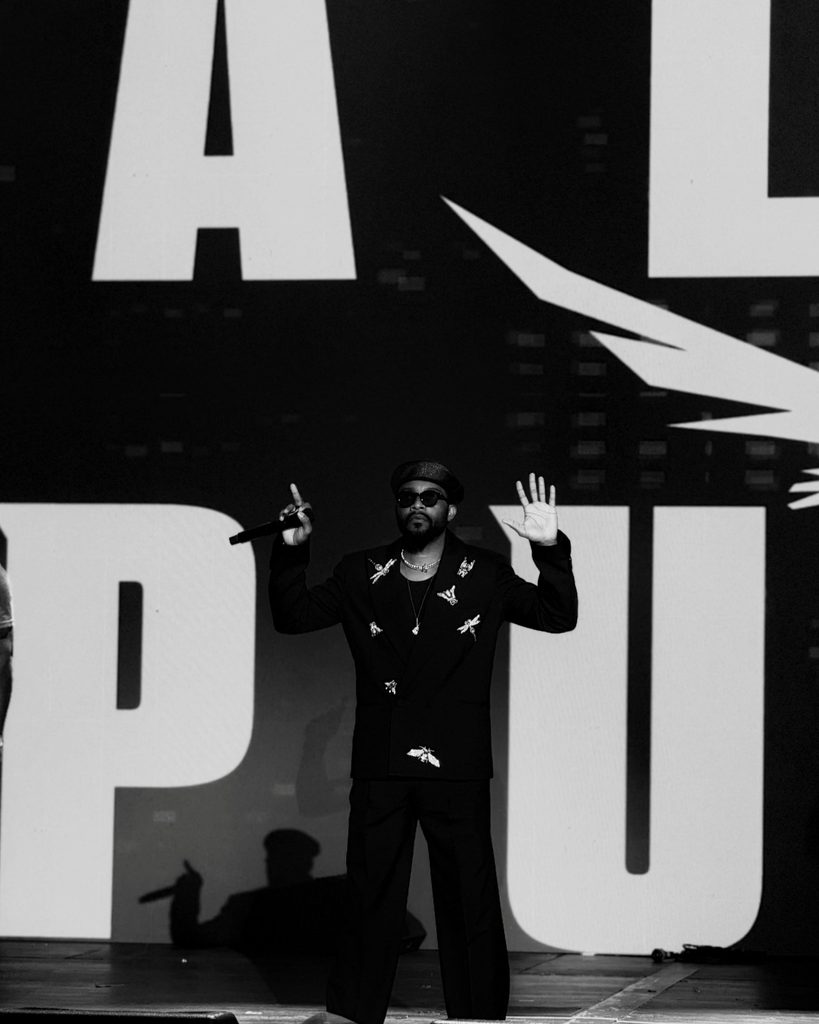
Saturday, November 7, features a major concert bringing together African music and entertainment, alongside the wider programme of creative engagements. The final day will continue with cultural excursions, gastronomy activities, the CANEX Music Factory Songwriting Camp and the Legends Football Match at Onikan Stadium.
The combination of these activities captures something important about CANEX. It recognises that the creative economy is not built through boardroom conversations alone. It is also sustained through cultural exchange, collaboration, shared experiences and the continued development of creative talent.
There is a reason the gathering’s theme speaks of one people united in culture. The African creative economy is interconnected, even when its markets, institutions and business structures remain fragmented.
What is required now is a stronger commitment to building the connections that allow these different parts of the ecosystem to work together.
What Does This Moment Mean for Africa’s Creative Future?
Leaving the different conversations and experiences at CANEX WKND 2026, one question remains particularly important: what happens after the gathering?
Africa has never been short of creative talent, cultural influence, or ideas. The continent continues to produce artists, storytellers, entrepreneurs, and innovators whose work travels far beyond its borders.
But recognition must translate into ownership. Audience growth must translate into sustainable revenue. Creative talent must be supported by institutions, investment, and infrastructure capable of turning individual successes into an enduring industry.
For us, this is perhaps the most important takeaway from CANEX WKND 2026. The conversation is gradually shifting from celebrating what Africa can create to examining what Africa can build, own, finance, and sustain through its creativity.
The real measure of this gathering will not simply be the number of people who attended, the performances witnessed, or the conversations held. It will be the partnerships established, businesses supported, intellectual property protected, investments unlocked, and opportunities that continue long after the venue has emptied.
As the four-day gathering approaches its conclusion, perhaps the bigger question is this:
If Africa is already influencing the world’s culture, what will it take for the continent to collectively own, control, and shape the economic future of the creative industries it continues to inspire?
CANEX WKND 2026 — One People, United in Culture, Creating for the World.