
In a recent conversation sparked by our exploration of Afrobeats as an emerging institution, a new layer has been introduced; one that moves beyond ownership and infrastructure into something far more immediate: access.
When Muthoni Drummer Queen weighed in, her perspective reframed the conversation in a way that is both practical and urgent.

Her question was simple, yet deeply loaded: is Afrobeats, in its current trajectory, pricing itself out of Africa?
Why Muthoni Drummer Queen’s Perspective Matters
Few people are better positioned to speak about the economics of African live music than Muthoni Drummer Queen.
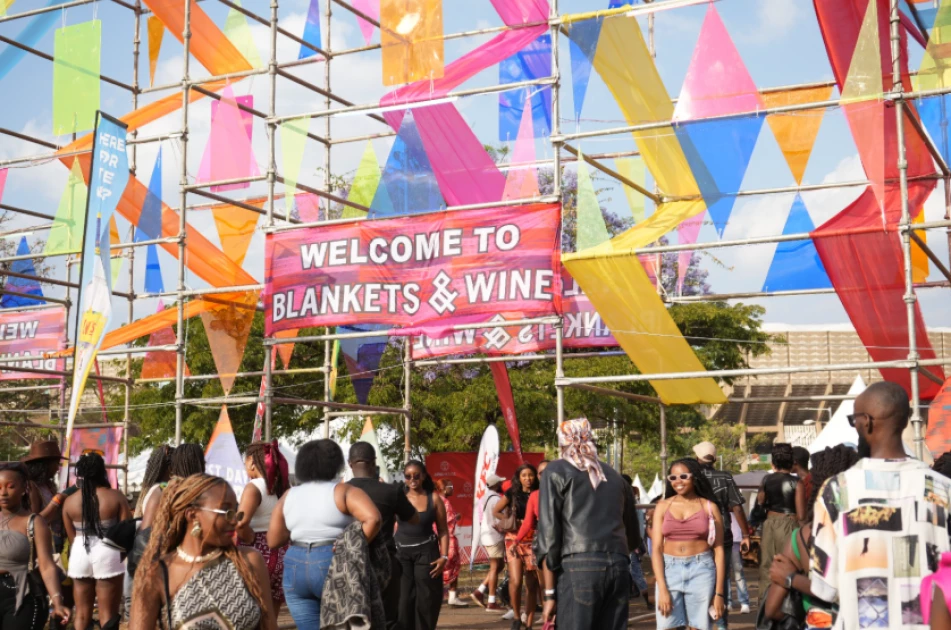
For over a decade, the Kenyan artist, entrepreneur, cultural advocate, and founder of Blankets & Wine has occupied multiple corners of the creative ecosystem. She has experienced the industry as a performer, an event organizer, a community builder, a festival curator, and a champion of African creative economies.
Her observations therefore come not from theory, but from lived experience.
Having witnessed the evolution of African music from local stages and intimate community gatherings to sold-out arenas and global festivals, Muthoni understands both the opportunities and contradictions that accompany growth. When she speaks about affordability, access, and the future of African live experiences, she is speaking from years spent navigating the realities of the industry from the inside.
That perspective matters.
Because the question of who gets to participate in African culture is becoming increasingly important as the industry continues to expand.
“The question is no longer whether African music can conquer the world. The question is whether Africans can still afford to experience it.”
On the surface, this is a sign of growth – a reflection of demand and value. But beneath that lies a more complex reality. If the economics of Afrobeats are increasingly shaped by external markets, what happens to access within the continent that birthed it?
AFROBEATS AND THE ACCESS PROBLEM
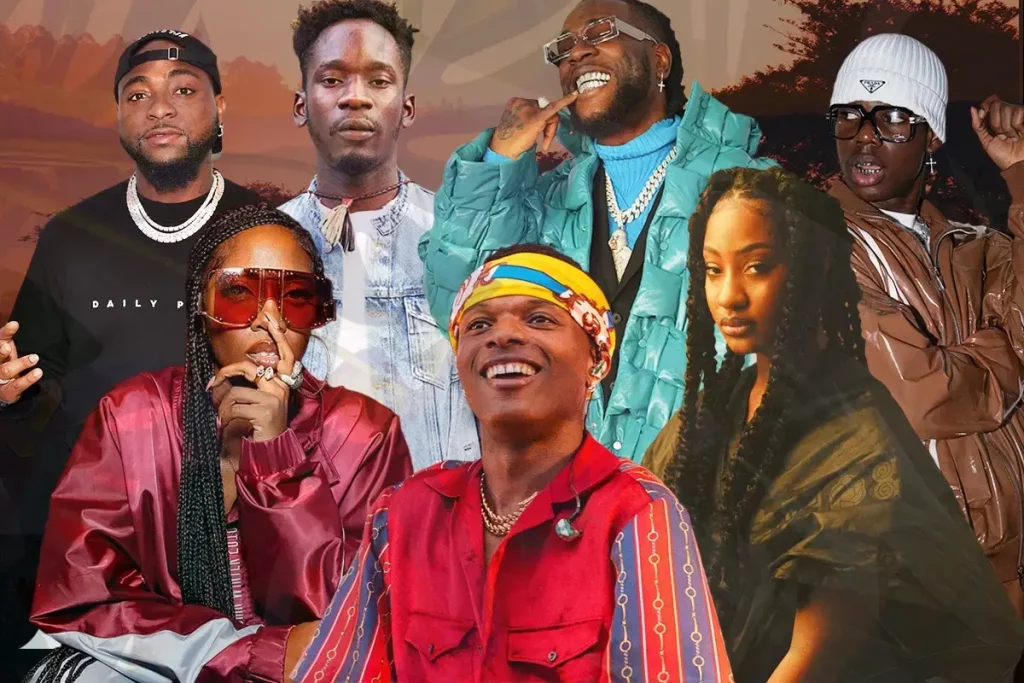
Across many African cities, promoters, curators, and event organizers are finding it increasingly difficult to host Afrobeats artists at scale. Fees are often benchmarked against London and American markets, leaving little room for adaptation to local economic realities.
This creates a disconnect:
• The sound originates in Africa
• The audience exists in Africa
• But the access is becoming limited
And over time, that limitation begins to reshape cultural consumption itself.
A CONTRASTING MODEL: SOUTH AFRICA → EAST AFRICA
As highlighted in the conversation, the touring model between South Africa and East Africa offers a different blueprint.

Artists within that ecosystem:
• price themselves accessibly
• perform repeatedly across cities
• build sustained relationships with audiences
One can guess what the result is?
A living, breathing circuit where music is not just exported it circulates.
In markets like Kenya, South African house and Amapiano have achieved deep penetration not just because of sound, but because of presence. Artists return. Audiences connect. Growth compounds.
AFROBEATS’ CAPITALISM VS CULTURE
Of course, the economics are not without logic.
If an artist can command $30,000 in one market, why accept less elsewhere?
It is a valid question – one rooted in capitalism and value maximisation.
But culture operates differently.
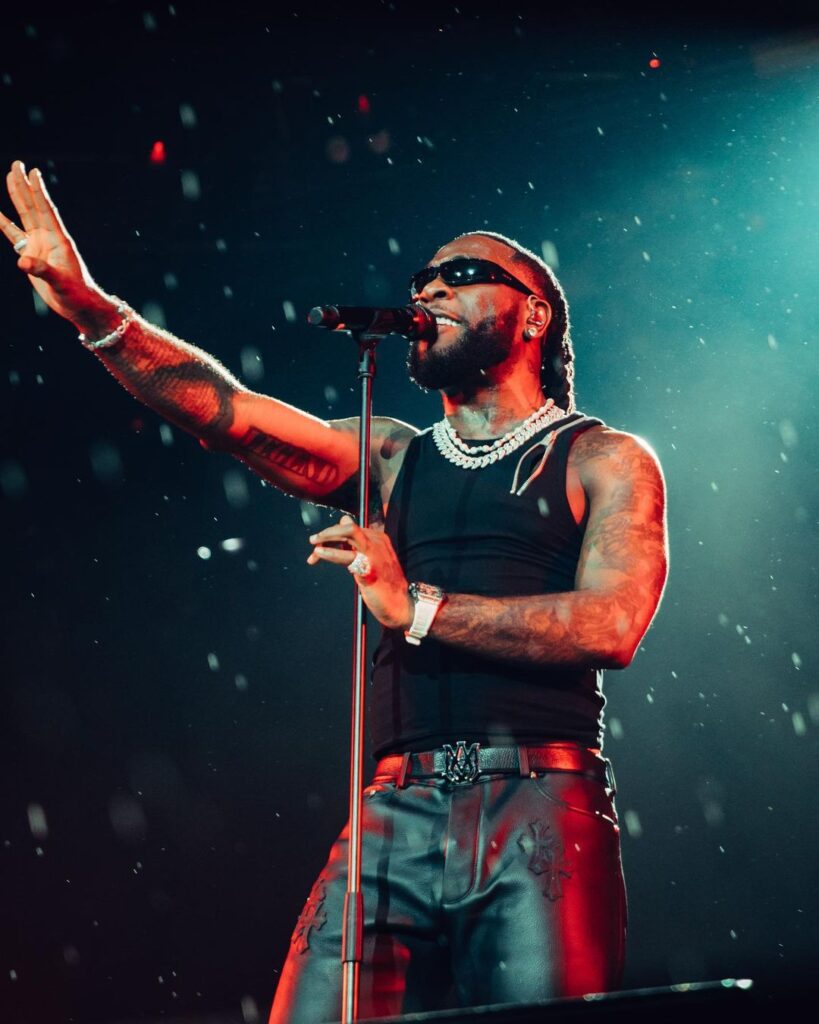
Because when music becomes inaccessible to its primary base, something shifts. It begins to detach from its origin, evolving in ways that may no longer fully reflect the communities that built it.
“Success becomes complicated when the people who built the culture can no longer access it.”
When African Music Was Built On Proximity
Not too long ago, African music thrived on proximity.
Artists built audiences through campus tours, neighbourhood concerts, club performances, community festivals, and word-of-mouth. Fans could encounter their favourite musicians in spaces that felt familiar and accessible. The distance between artist and audience was often measured in metres rather than ticket tiers.
The growth of the industry has changed that equation.
As African music has become more professionalized and globally competitive, the economics surrounding it have also evolved. Production costs have increased. Touring has become more sophisticated. International expectations have risen. Audiences increasingly seek premium experiences and global-standard production.
These developments are positive in many ways. They reflect an industry maturing and claiming its place on the world stage.
Yet they also introduce new questions.
As ticket prices rise and premium experiences become the norm, how do artists, promoters, and cultural institutions ensure that the communities which helped build the culture are not left behind?
Growth is important. Accessibility is equally important. The challenge facing African music today is not choosing one over the other, but finding a way to sustain both.
AFROBEATS’ OWNERSHIP QUESTION REVISITED
This brings us back to the core question:
Who owns Afrobeats?
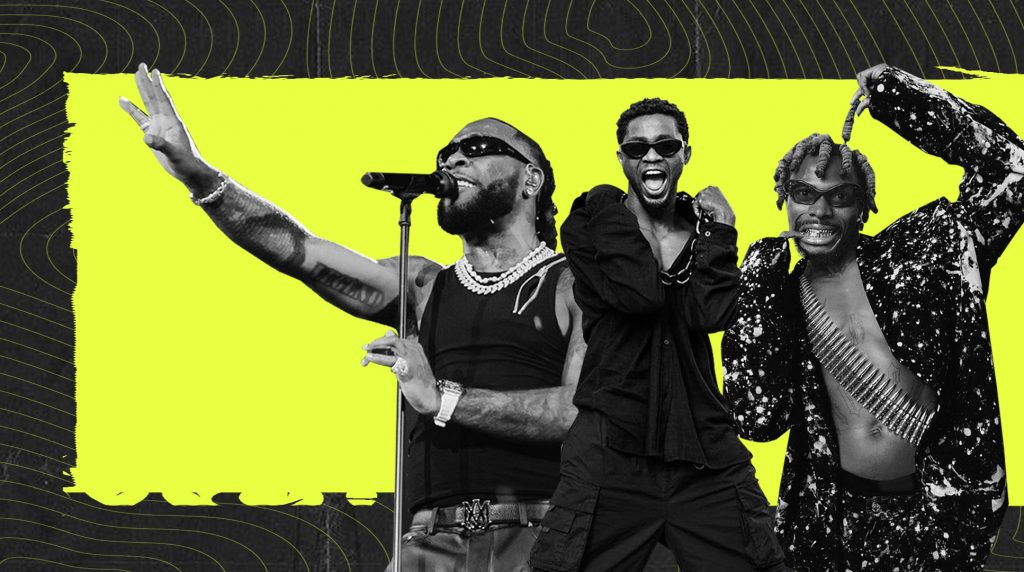
Ownership is not just about rights or royalties.
It is about proximity, access, and participation.
If African audiences are unable to consistently experience Afrobeats live, if local ecosystems cannot sustain regular engagement, then over time, the center of gravity begins to move.
African music is growing globally, but Africa still captures a disproportionately small share of global recorded music revenue.
And when that happens, ownership culturally and economically – becomes fluid.
“African music has gone global. The challenge now is making sure it does not leave Africa behind.”
THE SPACE BETWEEN NOW AND SUPERSTARDOM
Another critical point raised is the idea of aspiration.
For many artists, the goal is clear: global superstardom.
But between emergence and that peak lies a vast, often underutilized space – one filled with opportunities for:
• regional touring
• community building
• sustained audience engagement
Neglecting this phase in favor of singular global moments may accelerate visibility, but it can also limit depth.
Who Is African Music For?
At the heart of this conversation lies a deceptively simple question.
Who is African music for?
Is it for the global audience discovering Afrobeats through streaming platforms and international festivals?
Is it for the diaspora communities reconnecting with sounds from home?
Is it for the young African fans who have supported these artists from the very beginning?
The answer, of course, should be all of the above.
Yet the conversation around affordability reminds us that cultural success can create unexpected tensions. As African music becomes increasingly valuable to the world, it becomes even more important to ensure it remains accessible to the people and communities from which it emerged.
The goal is not to make success smaller.
The goal is to make sure success remains connected to its roots.
African music’s greatest challenge may no longer be visibility.
It may be ensuring that the communities that built the culture can continue to experience it, participate in it, and see themselves reflected within it.
Because culture is most powerful when it remains shared.
And music is at its best when the people who helped create the movement can still find themselves within it.
WHAT NEEDS TO BE CONSIDERED
This is not a call for artists to undervalue themselves.
It is a call for:
• more nuanced touring strategies
• regionally adaptive pricing models
• stronger intra-African circuits
• intentional audience development within the continent
Because long-term dominance is not built solely on global peaks – it is sustained through consistent, local connection.
Afrobeats is global. That much is clear.
But the future of the genre will not be defined only by how far it travels – it will be defined by how deeply it remains connected to home.
The question is no longer whether African music can conquer the world.
The question is whether Africans can continue to access, experience, and participate in the culture they helped build.
As the industry enters its next chapter, that may prove to be one of its most important conversations.
Who can access it, experience it, and grow with it – on the continent itself?
Listen to our Afrobeats Heat Different playlist here and enjoy a nice bopping eclectic weekend with sounds selected across the region to satisfy your sonic palette and edify your taste.
African music’s greatest challenge may no longer be global visibility.
It may be ensuring that the communities that built the culture can continue to participate in it.