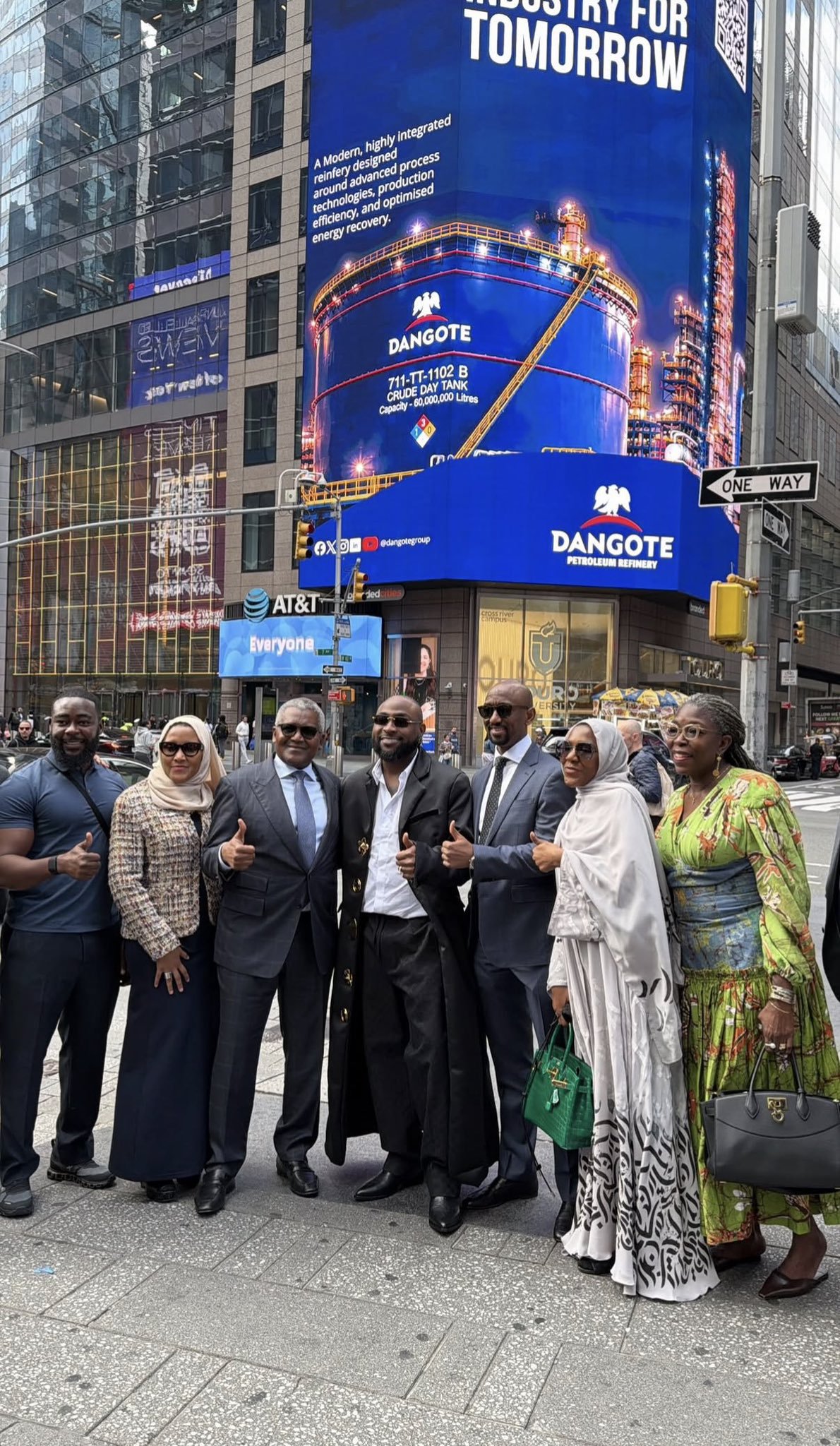
Davido did not go to Times Square to sing.
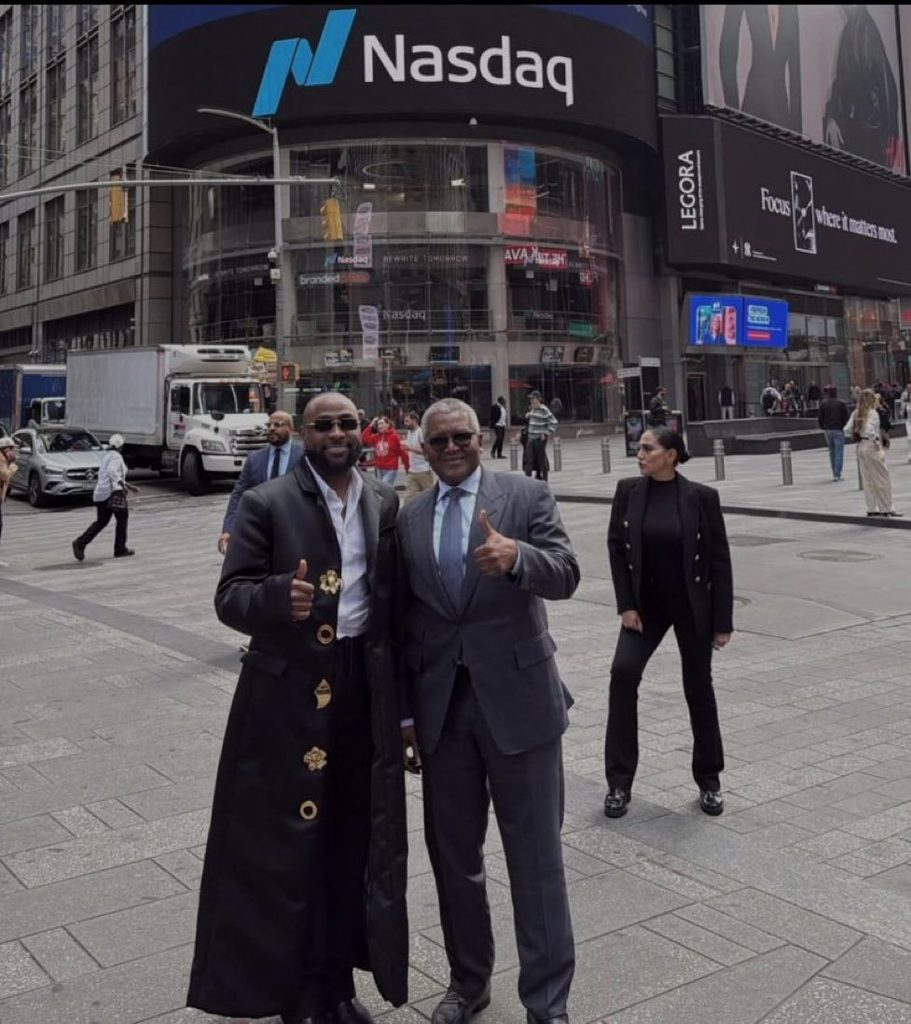
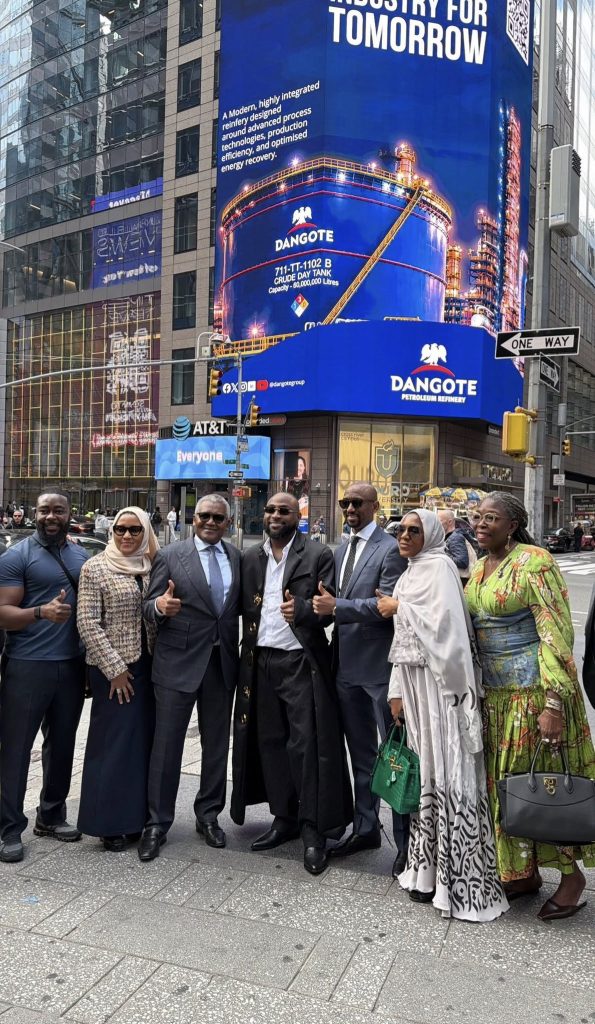
He went to stand beside a billionaire, beneath a message that had nothing to do with music: “Made in Nigeria. Built for the World.” No stage. No setlist. No crowd chanting his name. Just a Nasdaq billboard, a refinery IPO, and two Nigerian men who have known each other since Davido was a child, gesturing toward a screen that had turned an oil business into a moment of national pride.
It is tempting to read this as simple celebrity endorsement: a famous face lending glamour to a corporate campaign. But that reading misses what is actually happening and why it matters far beyond the four days the IPO window stays open.
Because this is not a story about a musician promoting a product. It is a story about what happens when cultural capital and industrial capital start standing in the same frame.
The Infrastructure Behind the Image
Strip away the spectacle, and what remains is infrastructure, the unglamorous, capital-intensive kind that rarely makes it onto a stage.
The Dangote Petroleum Refinery sits in Lekki-Epe, Lagos, with a processing capacity of roughly 650,000 barrels a day. Its public offering put 4.1 billion ordinary shares on the market at ₦525 each, with a minimum subscription low enough for just ten shares, or ₦5,250, to make ordinary Nigerians, not only institutional investors, plausible shareholders. The target, if fully subscribed, is about ₦2.15 trillion.
That detail is not incidental to the Times Square moment. It is the entire point of it.
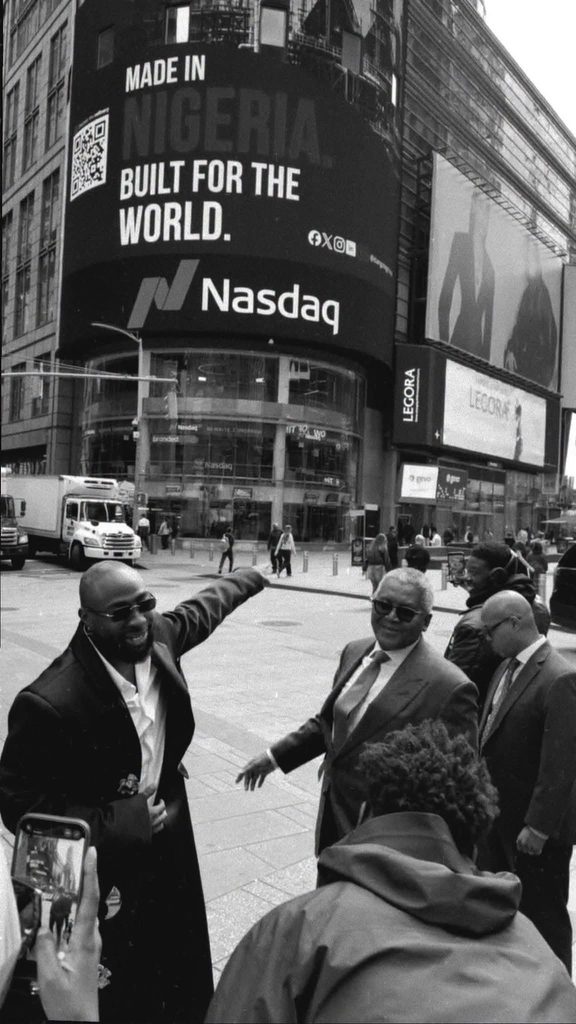
Davido and Aliko Dangote at the Nasdaq billboard in New York’s Times Square
Dangote has called this an “IPO for the people”.
Whether or not that framing survives contact with the realities of retail investing in Nigeria, the intention behind it, to make industrial ownership feel accessible rather than distant, required something that spreadsheets and prospectuses cannot supply: emotional legibility. A billboard in Manhattan can announce a refinery to international markets. It takes something else entirely to make a Nigerian mother in Ibadan believe that ten shares in a petrochemical company is something she is invited to participate in.
That “something else” is where Davido comes in.
Social Capital as Infrastructure
There is a temptation, in conversations about celebrity involvement in business, to treat fame as decoration, the sparkle placed on top of a deal that would exist with or without it. That undersells what is actually being deployed.
What Davido brought to Times Square was not decoration. It was social capital, and social capital functions as infrastructure of its own kind. It is the connective tissue that allows an institution to be trusted, recognised, and emotionally received by a public that does not read annual reports.
Dangote can build a refinery. He cannot, on his own, make that refinery feel like it belongs to a hairdresser in Kano or a student in Enugu. What he can do is borrow or, more accurately, partner with someone whose relationship with that public has already been built over more than a decade of records, controversies, philanthropy and visibility. Davido’s audience does not need to understand crude oil refining margins to feel something when they see him standing next to Dangote, thumbs up, grinning beneath a message about Nigerian ambition.
That feeling is not nothing. In markets where trust in large institutions is often thin, feeling may be the precondition for participation.Family Bonding as Public Narrative
What makes this particular alignment distinct from a typical brand partnership is the relationship underneath it.
Davido has spoken publicly, more than once, about Dangote as a family friend, someone who has known him since birth, a mentor rather than a marketing partner. This is not a musician who was signed for a campaign. This is a younger man standing beside an older one whose relationship with his family predates his career entirely.
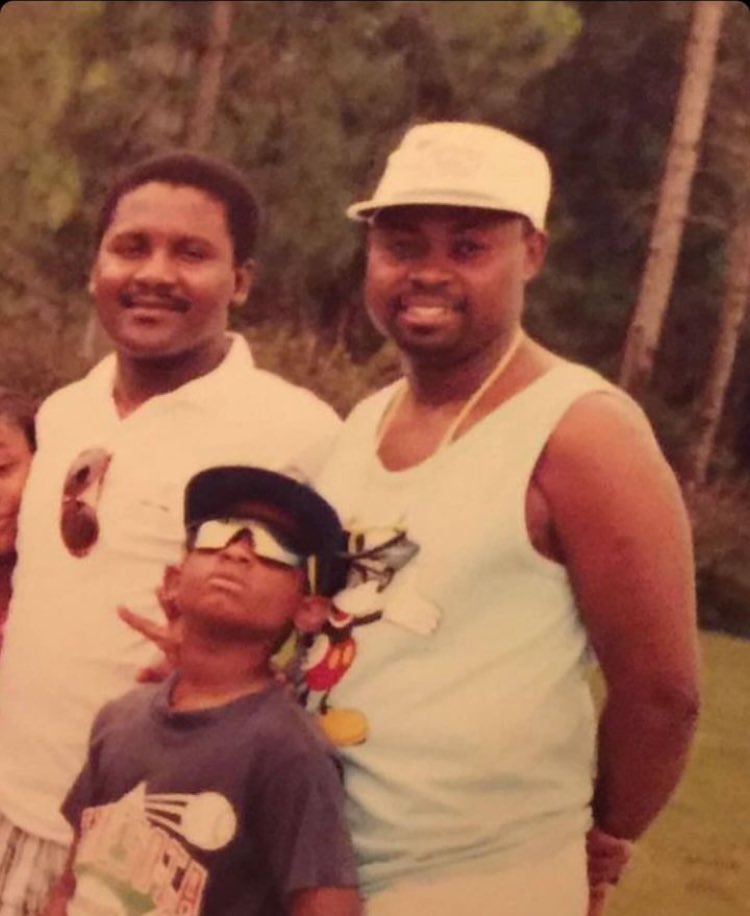
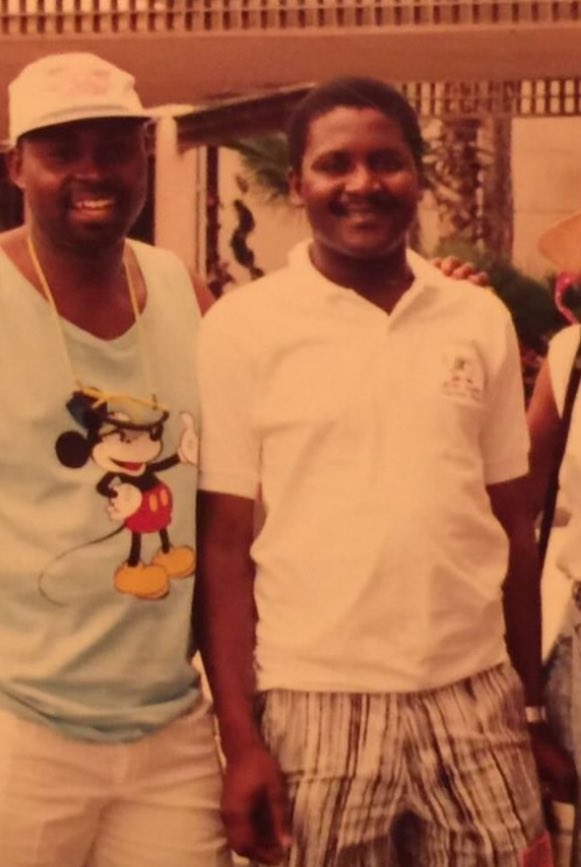
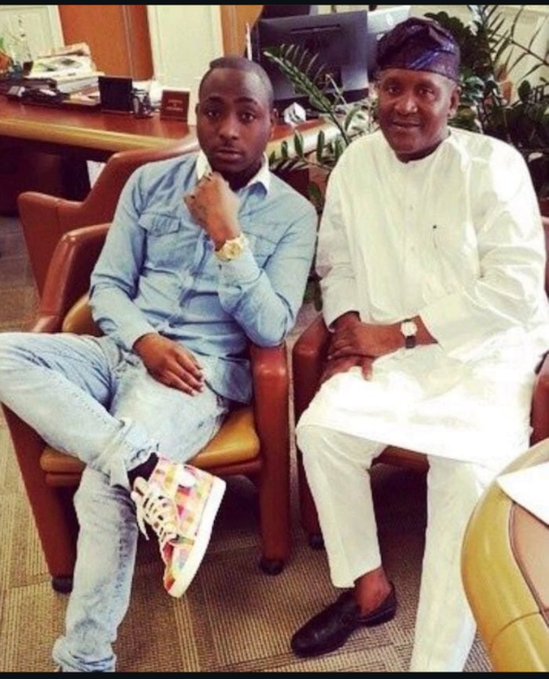
That distinction matters for how the moment is read. A paid endorsement invites scrutiny about motive. A family relationship, publicly acknowledged over years, invites something closer to belief. When Chioma’s presence at the event became a talking point across African social media, it was not incidental gossip; it reinforced the frame that this was not a transaction being staged for cameras but a continuation of something personal being made visible.
In a media environment saturated with sponsored content, the difference between “paid to be here” and “grew up around this family” is not a small one. It is arguably the entire currency being spent.
Cultural Institutions and the New Alignment
What the Davido-Dangote moment represents, more broadly, is a shift worth naming directly: Afrobeats artists are no longer simply cultural exports. They are increasingly becoming aligned with and, in some cases, embedded within the institutional and corporate architecture of African economic ambition.
This is a departure from the more familiar model of celebrity endorsement, where an artist lends their face to a beverage or a telecom brand for a fee and a season. What is emerging instead looks closer to institutional partnership: artists standing beside industrial conglomerates, financial offerings, and multinational-scale projects, in ways that intertwine reputation rather than simply renting it.
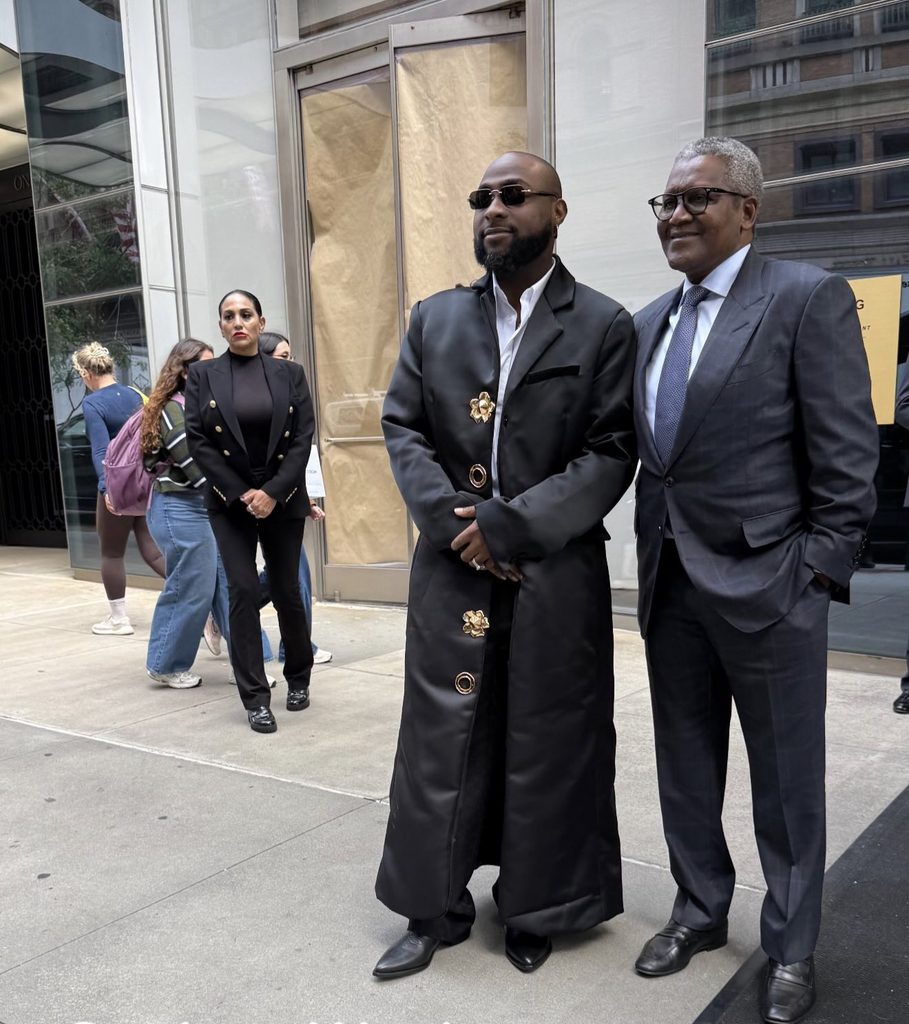
Consider what this requires of the artist. Endorsing a soft drink carries little reputational risk. Standing beside a $1.6 billion refinery IPO, one whose success or failure will be publicly tracked over the coming weeks, is a different order of exposure. If the offering underperforms, if public scrutiny turns toward governance or environmental questions, the artist’s name is now, to some extent, threaded into that story.
This is not damage-free visibility. It is a wager.
That Afrobeats stars are increasingly willing to make that wager says something about where the genre’s cultural authority has travelled. A decade ago, the ambition of Afrobeats’ biggest names was largely measured in chart positions, streaming numbers, and global stages.
Today, some of that same influence is being redirected or at least extended toward standing beside oil refineries, financial institutions, and multinational business ambitions.
What Level of Influence Does This Actually Buy?
It is worth asking, plainly, what this alignment is likely to achieve and what it cannot.
An artist’s presence can generate visibility, warmth, and a sense of accessibility around an institution that might otherwise feel remote. It can translate a corporate milestone into a cultural moment, extending its reach into audiences who follow music far more closely than they follow markets.
In an offering explicitly designed to attract retail investors, that kind of emotional bridge is not a small contribution.
But visibility is not the same as trust, and trust is not the same as investment behaviour. A billboard and a viral video can put a refinery IPO into public conversation.
They cannot, by themselves, walk a first-time investor through a share subscription process, explain what dividends might look like, or address legitimate questions about returns, governance, or risk. The deeper work of building genuine retail investor confidence in Nigeria’s capital markets requires financial literacy infrastructure, accessible information, and institutional follow-through, none of which a Times Square appearance can substitute for.
There is also a question worth sitting with honestly: what happens to public trust in artists themselves the longer this kind of alignment continues?
Part of what has made Afrobeats stars culturally powerful is a perceived closeness to the audiences who elevated them, the sense that these are “our” artists, shaped by the same streets and struggles as their listeners.
The more visibly artists align with billionaires, conglomerates, and capital markets, the more that closeness may need to be renegotiated. Audiences are not naive. They can hold affection for an artist and scepticism about a corporate alignment at the same time.
The Economic Layer Underneath the Culture
None of this exists apart from a larger economic story that has been building for several years: African governments and institutions increasingly courting the participation of cultural figures in projects meant to signal ambition, modernity, and investability to both domestic and international audiences.
The Dangote Refinery’s public offering is not simply a Nigerian business event. It is being positioned as a statement about what Nigerian industry can achieve: “Made in Nigeria”. Built for the World” is not accidental language. Placing that statement in Times Square, alongside one of the country’s most recognisable cultural exports, is an attempt to make an economic argument using a cultural vocabulary that travels further than a prospectus ever could.
This is where the Davido-Dangote moment connects to something larger than either man.
It reflects an emerging recognition, across African business and cultural institutions alike, that economic ambition and cultural influence are no longer separate conversations. The artist who once needed the institution’s stage now finds the institution needing the artist’s audience.
Will Others Follow, or Choose a Different Path?
This is, ultimately, the question the moment leaves behind.
Afrobeats has spent the last decade building a form of soft power that Nigerian and African institutions are only now beginning to fully understand how to work alongside. Davido’s appearance with Dangote may be remembered as an early, high-visibility example of something
that becomes more common: artists as institutional partners, not merely cultural exports, lending their audiences’ trust to conglomerates, IPOs, and multinational ambitions.
Some artists will likely follow this path, drawn by the scale, the visibility, and the opportunity to position themselves as cultural statesmen rather than only entertainers. Others may choose differently — wary of tying their names to institutions whose fortunes they cannot control, or protective of an intimacy with their audience that corporate alignment risks diluting.
Both choices carry consequences. The artist who aligns with powerful institutions gains proximity to capital, legitimacy, and a widened stage but inherits exposure to outcomes far beyond their control.
The artist who stays at a distance retains creative and reputational independence but may watch as culture’s economic value gets captured, increasingly, by those willing to lend their names to something bigger than a song.
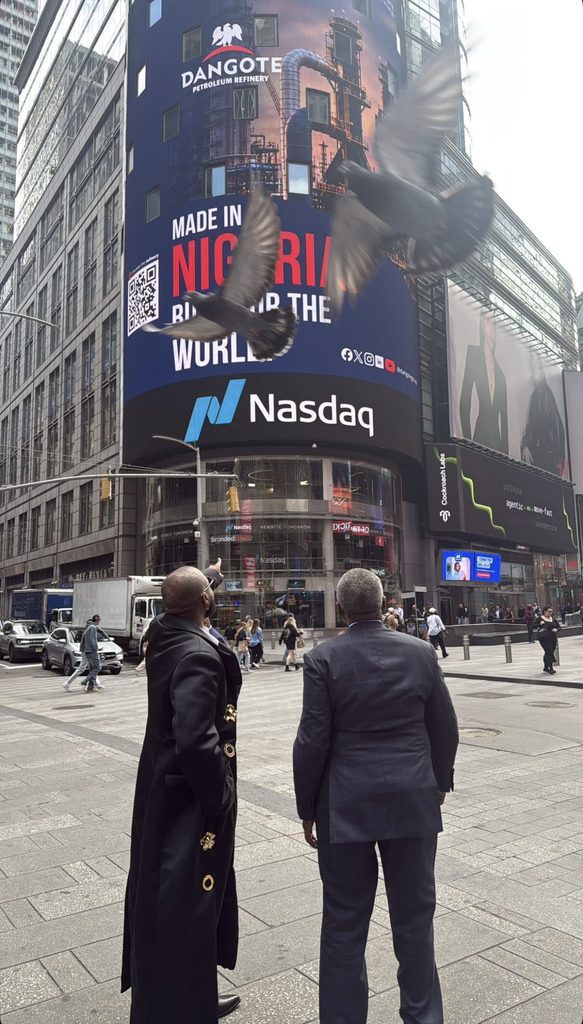
What is certain is that the line between Afrobeats stardom and African institutional power is no longer as fixed as it once was. Davido stood beneath a Nasdaq billboard, not as a performer, but as a bridge between a refinery and a public, between a billionaire and a generation, between what African industry hopes to become and what African culture has already proven it can move.
The refinery’s IPO closes on October 13. Whether that particular offering succeeds is a matter for the markets. But the model on display in Times Square as an artist, as an institutional ally, and culture as economic infrastructure is unlikely to close with it.
The question now is simply who goes next, and on what terms they are willing to stand beside power.