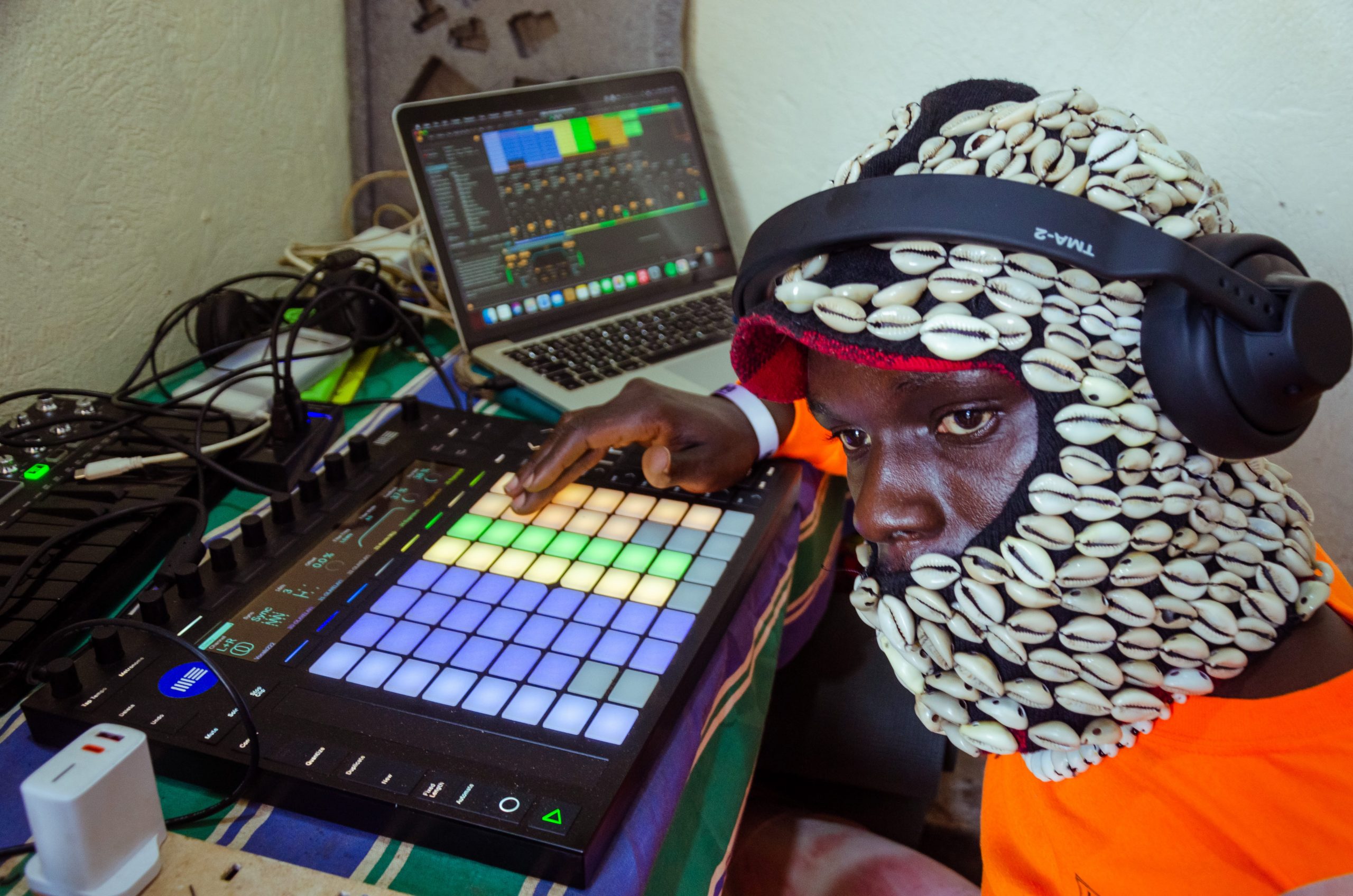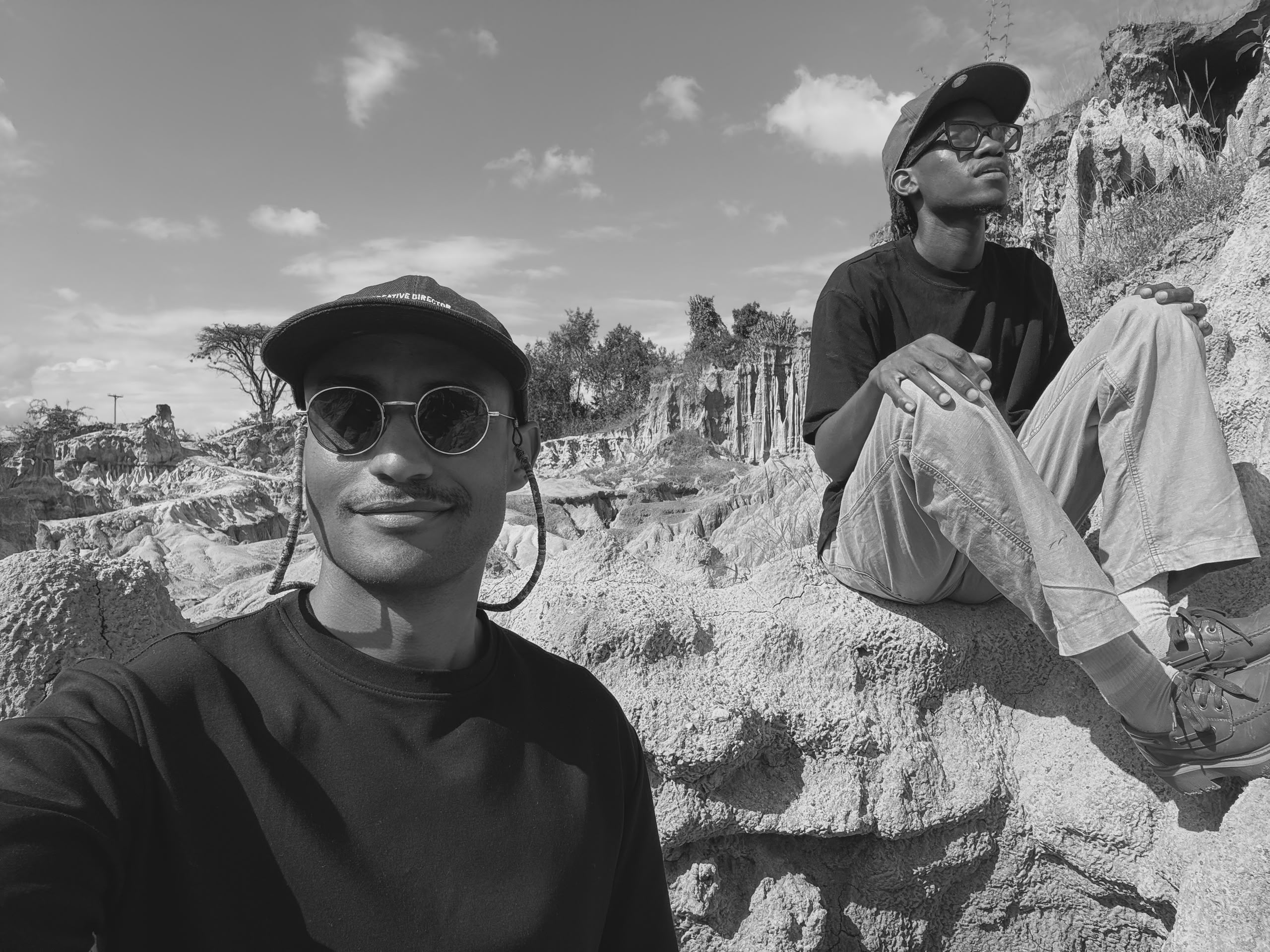
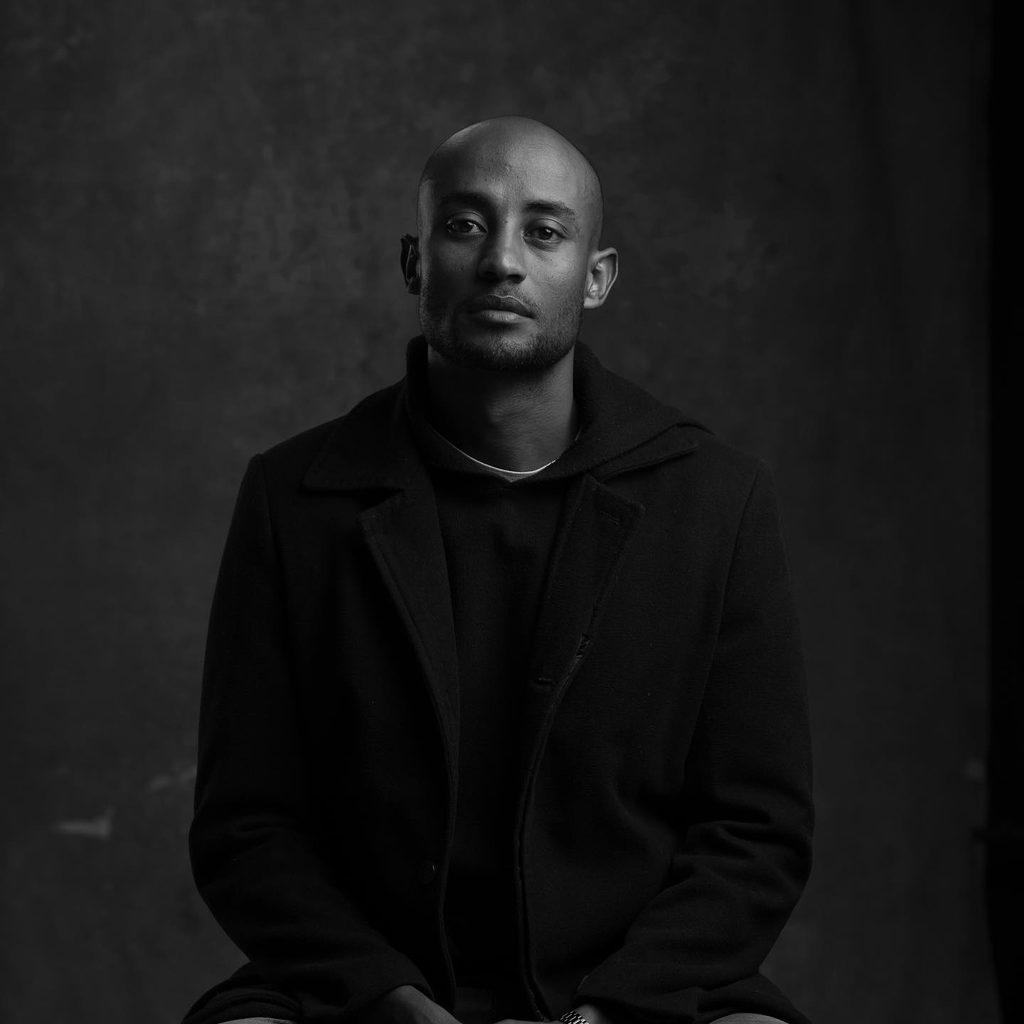
After years of researching musical traditions across East Africa, Ethiopian producer and creative director Guta Wakuma Chimsa is developing CHIKKA, an ambitious cultural project that draws on the region’s shared rhythms, instruments and histories. In conversation with Music Custodian, he reflects on the discoveries that shaped its sound, the people who guided its creation and his vision for a more connected East African creative future.

Interview by Jordan Abiola Bolade
Written by Music Custodian Editorial Team
Custodian Conversations
There were three people in the room: one Ethiopian, one Kenyan and one Sudanese.
They were listening to an instrumental that had emerged from months of research into East Africa’s musical traditions. There were no vocals yet, no featured artists and no established audience to tell them whether their experiment had succeeded. What they had was a recording assembled from rhythmic ideas, instrumental relationships and a creative direction that Ethiopian producer Guta Wakuma Chimsa had been imagining for almost a year.
Then something happened that brought the purpose of the project into focus.
Each listener recognised something familiar in the music.
The Ethiopian could hear it as a contemporary expression of Ethiopian music. The Kenyan heard something that resonated with their own musical background. The Sudanese listener felt a similar connection.
“Wow, this could be from anywhere,” Guta recalls of their reaction.
The recording had not been created to represent any one of those countries. Its purpose was to explore what might happen when musical traditions from different parts of East Africa were studied together and reimagined through contemporary production.
For Guta, that listening session offered an early indication that the project he had been developing was beginning to take shape.
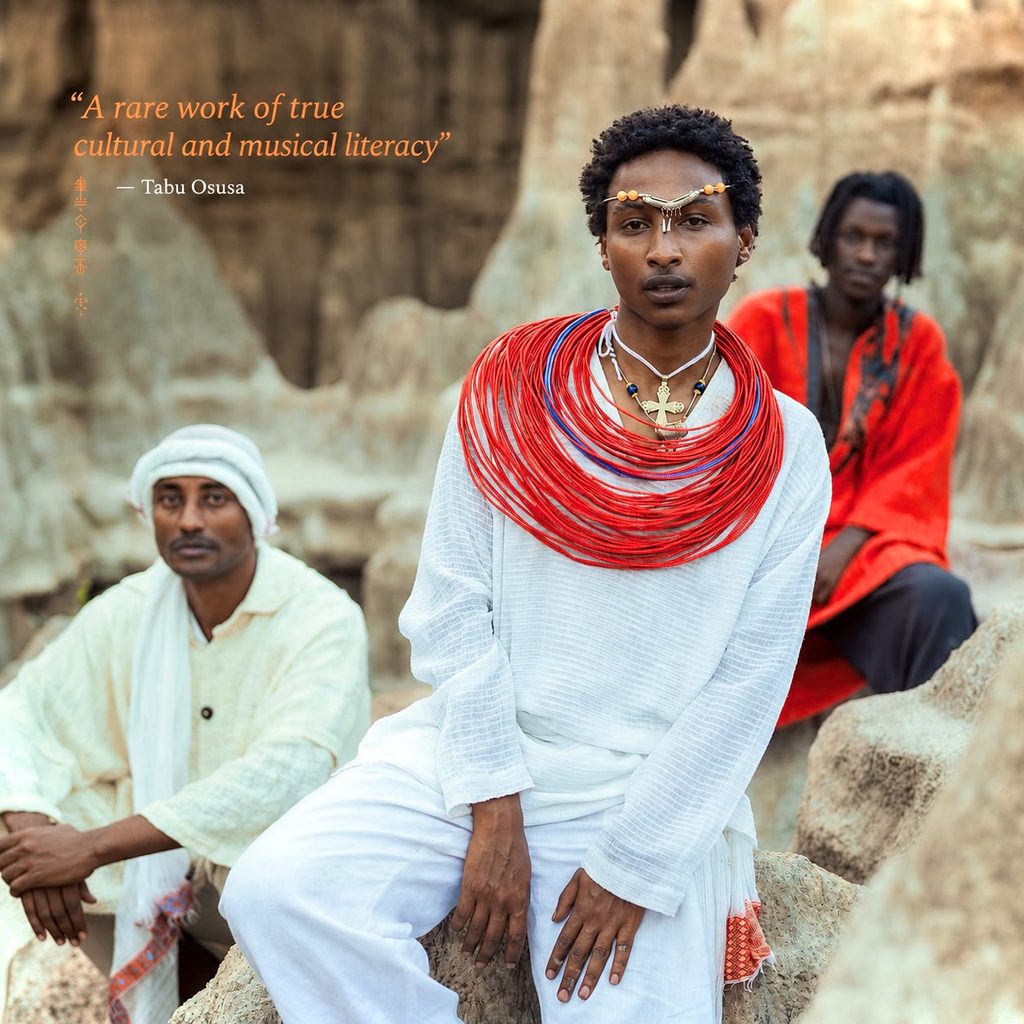
“We ran listening sessions with different musicians at the studio, and they felt the same way,” he tells Music Custodian. “That was the moment we said, oh my God, we’re onto something, and this cannot be only about sound.”
The project was CHIKKA, an ambitious undertaking that began as an investigation into East Africa’s shared musical inheritance and gradually expanded into a vision encompassing music, dance, fashion and regional cultural collaboration.
Its origins, however, were considerably less elaborate.
CHIKKA began with a question.
A Region Searching for a Common Musical Language
Guta had spent years working within Ethiopia’s music industry, where his interest in traditional music and contemporary production informed his approach to developing artists. Through Meedo Records, the label he runs, he had explored ways of introducing older musical forms to new generations.
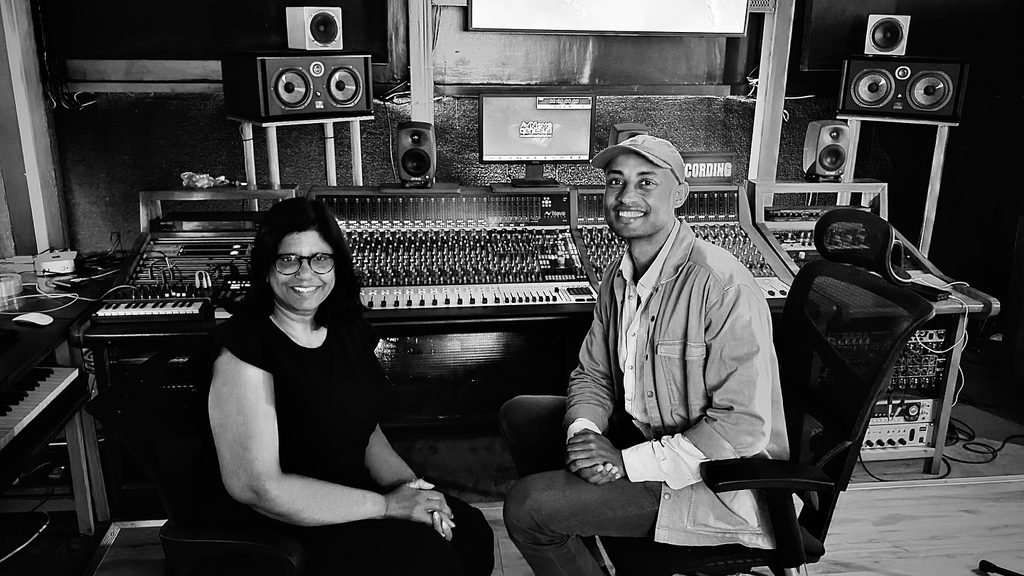
But his travels and conversations across East Africa gradually led him to consider a larger challenge.
Why, he wondered, did a region with such a rich and interconnected cultural history appear to lack a contemporary musical movement that could bring its different markets together?
“There’s been this ongoing conversation among artists and creatives in East Africa about why we don’t have the sound that can tie us together,” he explains.
He had observed that artists and music markets in neighbouring countries often operated independently, with limited dialogue between them.
The contrast with other African regions interested him. West African popular music had developed through successive generations of experimentation, while Southern Africa had produced musical movements capable of circulating widely beyond their places of origin.
East Africa, in Guta’s assessment, possessed an equally substantial cultural foundation, but its contemporary music industries had not developed the same degree of shared regional identity.
His concern was not that East African countries lacked their own sounds. It was that the connections between those sounds had received insufficient attention.

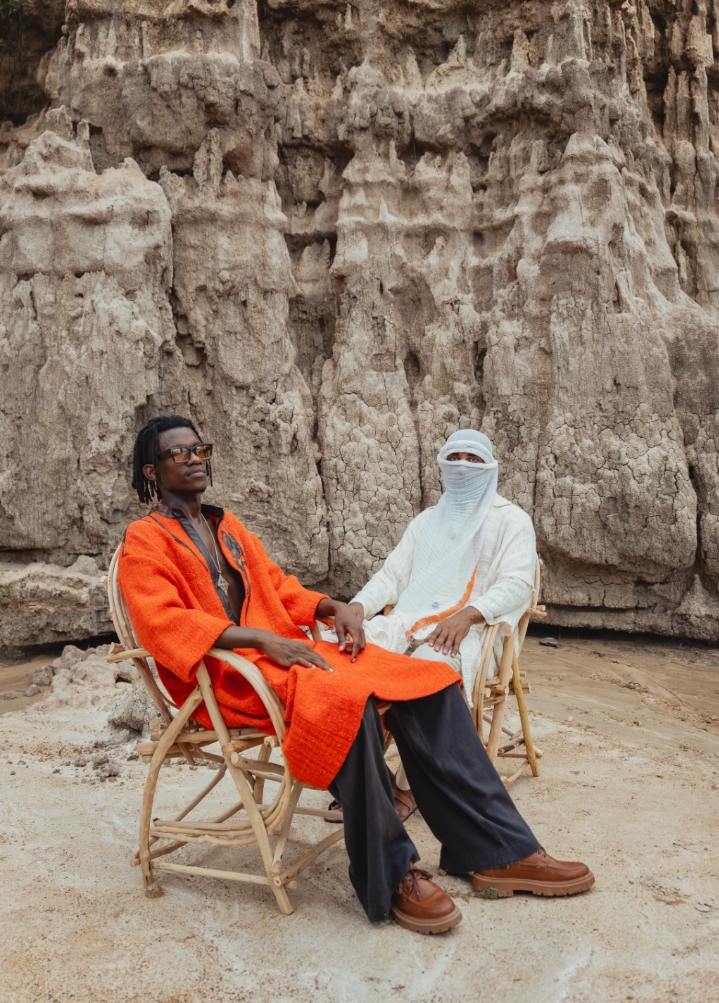
“When you look at Sudanese people, Ethiopian people, Djibouti, Eritrea, you can see there’s something that ties us together,” he says. “We have similar instruments, similar vocal techniques, similar dance.”
These observations prompted him to speak with experienced musicians who had spent decades studying and practicing the region’s musical traditions.
Their responses suggested that the relationships he had noticed were worth investigating more seriously.
“There’s a specific rhythm, a specific technique, specific instruments, vocal techniques, and so on,” he recalls being told.
What began as curiosity developed into a research project intended to examine those similarities and translate them into contemporary music. Guta wanted to create something that could function as a common musical language without erasing the individuality of the communities contributing to it.
He also began to consider music’s potential as a form of cultural diplomacy.
The objective, as he describes it, was to develop music that could bring people together, drawing on traditions familiar across the region rather than identifying exclusively with one national market.

The Ethiopian Foundations of a Regional Vision
Guta’s relationship with cultural preservation is rooted in his upbringing.
Growing up in Ethiopia, he encountered traditional music, dance, food and fashion as visible parts of everyday life. These experiences informed his understanding of cultural identity long before he began considering its possibilities within contemporary music production.
“As an Ethiopian, when you grow up you’re exposed to a lot of culture, a lot of music, a lot of dance, even food and fashion, that are very rooted in tradition,” he explains.
That environment encouraged an enduring interest in how older musical practices might be interpreted for younger audiences.
At Meedo Records, Guta and his collaborators had already been experimenting with this approach, working with artists to develop contemporary expressions of Ethiopian musical traditions.
One project involved attempting to reimagine a melody with a history he describes as stretching back approximately 1,500 years.
For Guta, these experiments were part of a larger responsibility: ensuring that traditional music could continue to develop rather than gradually become disconnected from younger generations.
“As the world gets more and more advanced, your traditional music needs to go through some kind of innovation to be able to travel across the world,” he says.
His approach did not require abandoning older musical forms. Instead, he sought to understand which elements could be preserved and which could be developed through new production methods.
Over time, the challenge grew beyond Ethiopia.
Guta became increasingly interested in the cultures of Somalia, Kenya, Sudan and other East African countries, and in the possibility of applying his earlier experiments to a wider regional context.
“I really developed a need, an interest, to serve the region as a whole rather than just Ethiopia,” he explains.
That decision would eventually take him to Nairobi.
Before the Music, There Were Conversations
For approximately the first eight to ten months of CHIKKA’s development, Guta and his collaborators did not enter the recording studio to begin producing the project.
Instead, much of their time was spent meeting people.
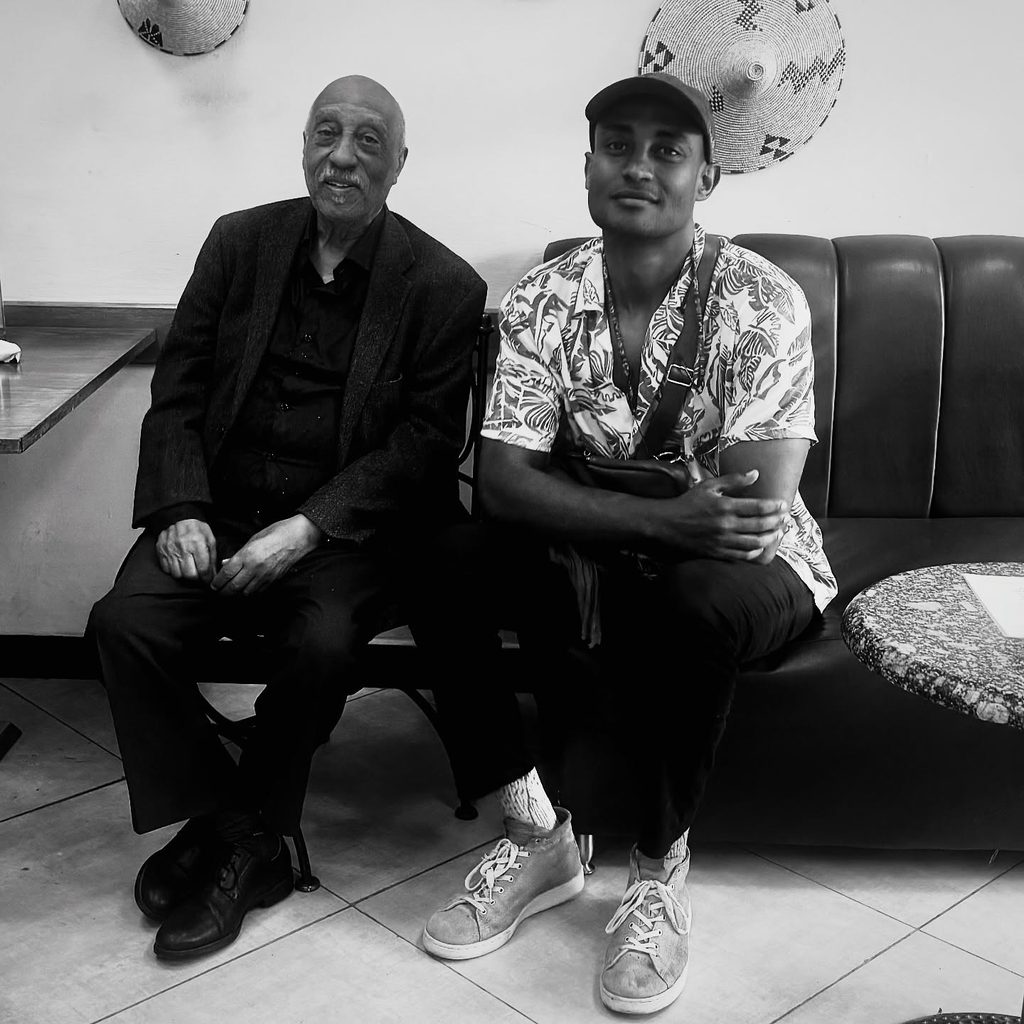
Guta travelled to Nairobi for an initial period of roughly two months, using the city as a base to connect with artists, researchers, experienced musicians and other cultural practitioners.
The process was less straightforward than he had anticipated.
Information about many East African musical traditions was not readily available through the research materials he could access. To understand the relationships between instruments, rhythms and performance practices, he needed to speak directly with people who possessed that knowledge.
“There isn’t a lot of research you can pull up on East African music, which is a sad reality,” he says.
Among those he consulted were Kenyan music industry figure Tabu Osusa, John Katana of The Mushrooms and Ethiopian jazz pioneer Mulatu Astatke.
These conversations became essential to the project’s direction.
Guta recalls that a discussion with Katana helped move his thinking from a broad ambition around cultural conservation and archiving toward the possibility of developing a specific contemporary sound for the region.
The project subsequently engaged researchers from approximately six or seven countries, according to Guta’s recollection.
Their task was not simply to compile information from existing publications. They were expected to gather knowledge through conversations with musicians and cultural practitioners, including older people whose experiences reflected traditions passed between generations.
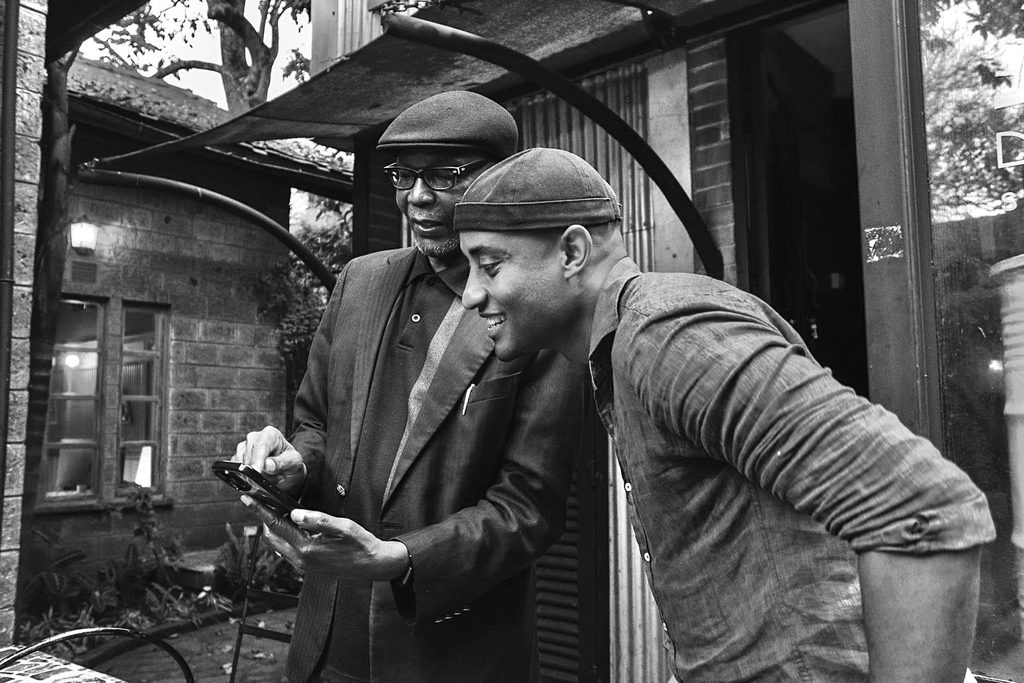
“Most of what they did was go and talk to other seasoned musicians and put in all the information that’s available orally,” he explains.
The findings were then presented to the production team and used to inform its musical experiments.
It was a process that revealed how much cultural knowledge remained dependent on personal memory and direct transmission.
For Guta, the absence of accessible documentation was both a practical obstacle and an indication of why the work mattered.
The Musical Connections He Had Never Considered
As the research developed, Guta began encountering similarities that challenged assumptions he had carried since childhood.
Instruments and performance techniques he had considered uniquely Ethiopian appeared to have close relationships with traditions elsewhere in East Africa.
He points to string instruments, vocal practices, dance traditions and rhythmic structures as examples of the connections the team investigated.
“It was quite eye-opening,” he recalls, “because even the things I thought, as an Ethiopian, were uniquely Ethiopian, like our instruments, they’re everywhere.”
The discoveries were not limited to instrumentation.
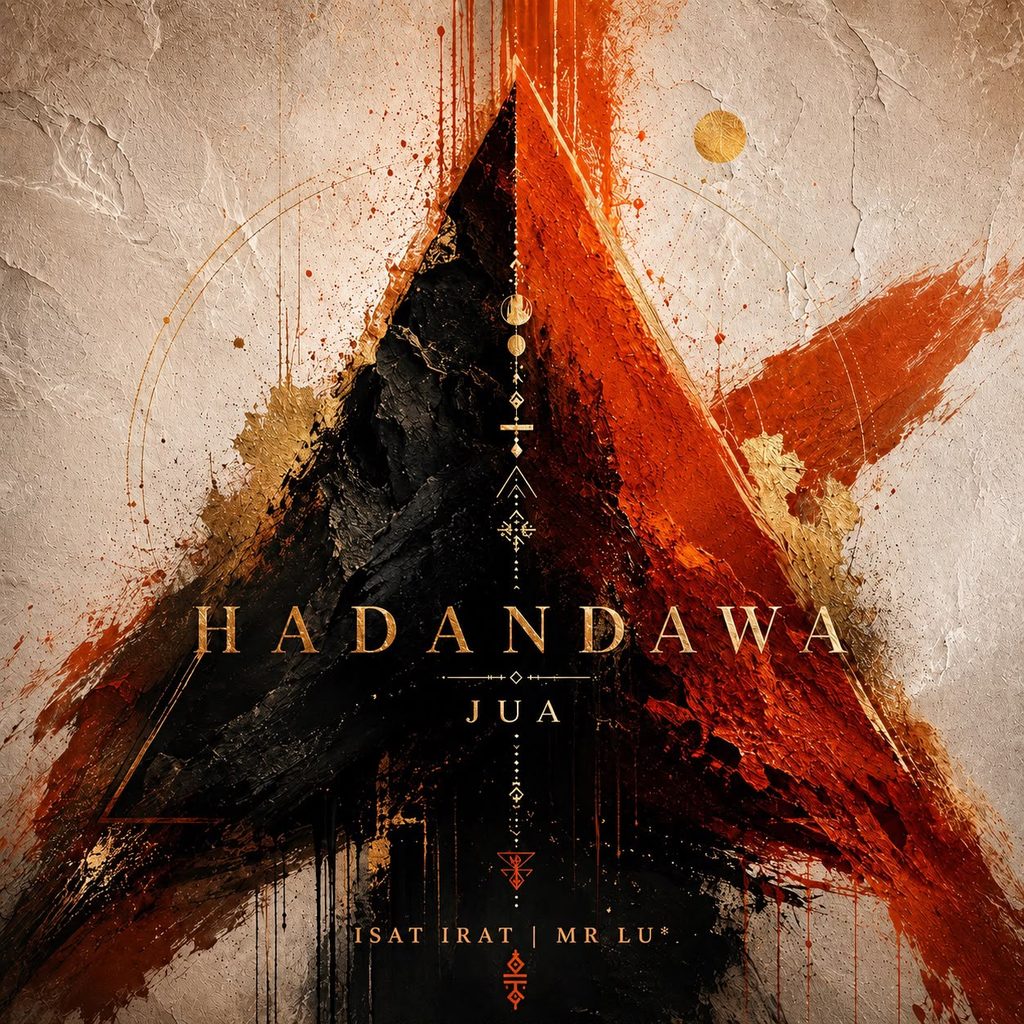
Guta became particularly interested in rhythmic structures associated with traditional music, including the Ethiopian rhythm known as Chikchika, which he connects to musical practices in the Amhara and Gurage regions.
He wanted to explore how these rhythmic ideas might inform contemporary dance music without simply reproducing the four-beat structures prevalent in many popular genres.
His team investigated approaches involving three-beat and six-eight patterns, examining how different rhythmic and instrumental elements could work together.
The experiments also encouraged him to reconsider assumptions about the musical practices of other communities.
He recalls being told during his early research that Maasai musical traditions would be difficult to adapt to contemporary production.

The subsequent work challenged that assessment.
For Guta, the project increasingly demonstrated that musical possibilities could be overlooked when particular traditions were dismissed or poorly understood.
His research also raised questions that remain unresolved.
The similarities between communities were evident to him, but their precise historical origins and patterns of transmission were not always clear.
Rather than presenting CHIKKA as a definitive explanation of East African musical history, he acknowledges that further investigation is necessary.
The project represents an interpretation of the relationships its researchers and musicians encountered.
And it was through this process that Guta began to understand how much more East African communities might share than contemporary national identities suggest.
When Music Is More Than Entertainment
One of the discoveries that stayed with Guta concerned the place of music within everyday life.
He encountered traditions in which music was not treated as a separate activity reserved for performance or commercial consumption.
Instead, it accompanied agricultural work, ceremonies, celebrations and other aspects of communal existence.
“Harvesting is music. Birth is music. Seasons are music. Holidays are music. Everything is music,” he says.
“It’s connected to their lives and their land and their culture and their beliefs.”
This understanding shaped his approach to CHIKKA.
The team was not simply looking for distinctive musical sounds that could be incorporated into contemporary production. It was investigating practices connected to people’s histories, environments and ways of life.
Guta also became interested in relationships between vocal techniques used in different communities.
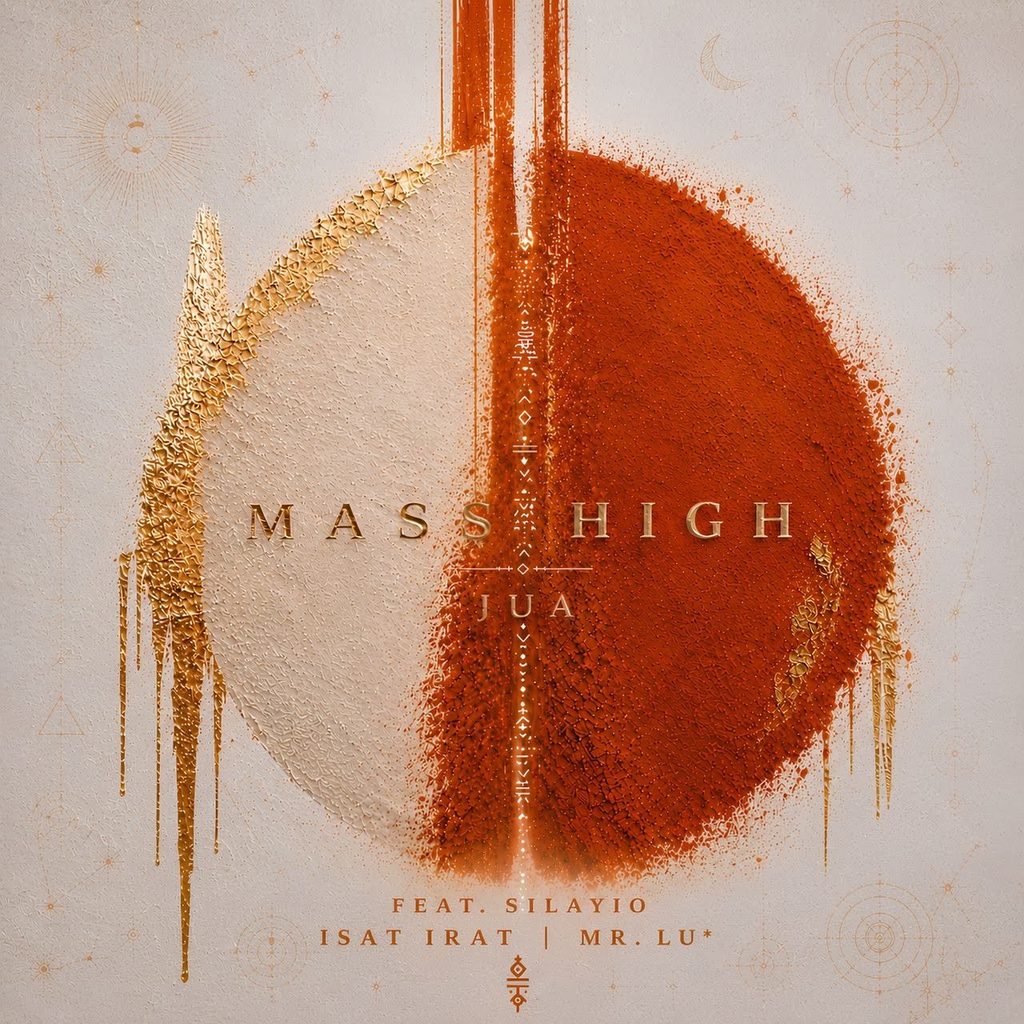
He points to similarities he observed between practices in Ethiopia’s highlands and those associated with the Maasai, where the human voice can serve rhythmic and accompanying functions beyond conventional singing.

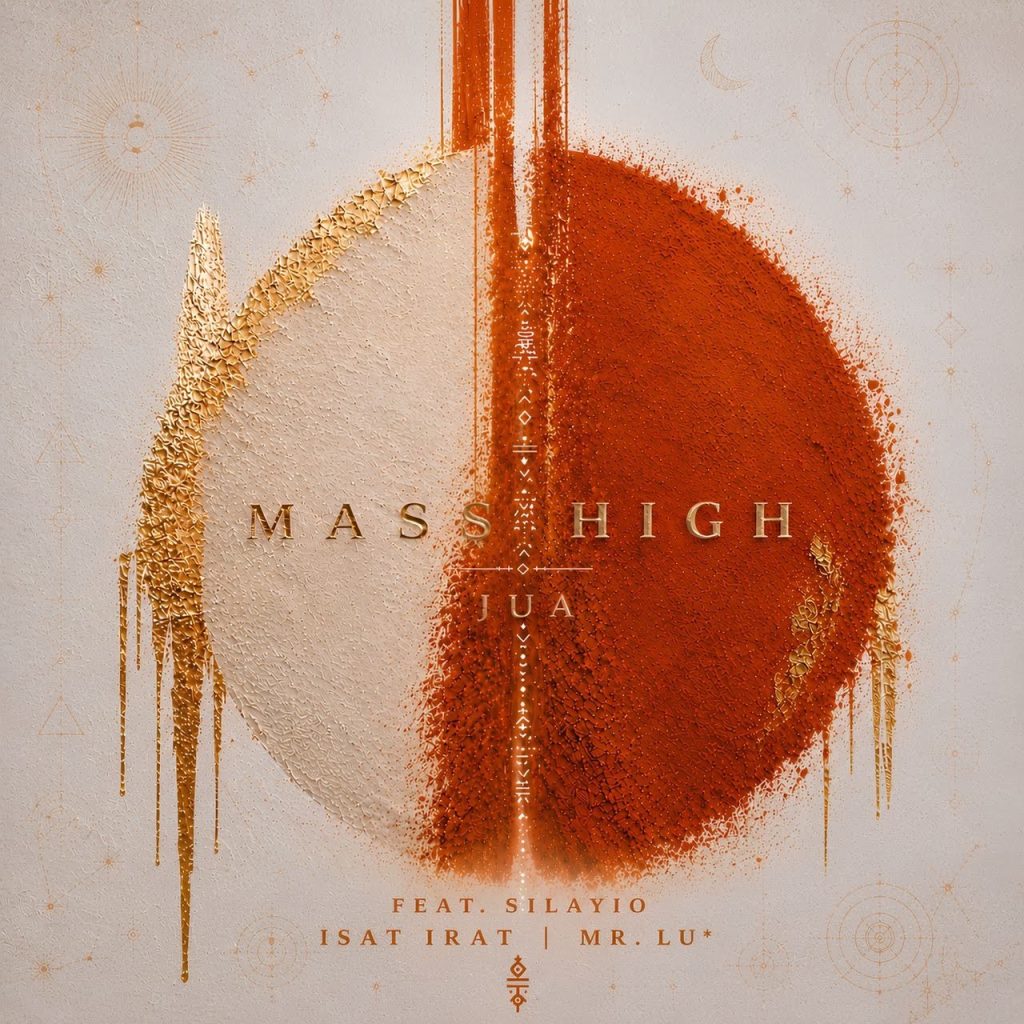
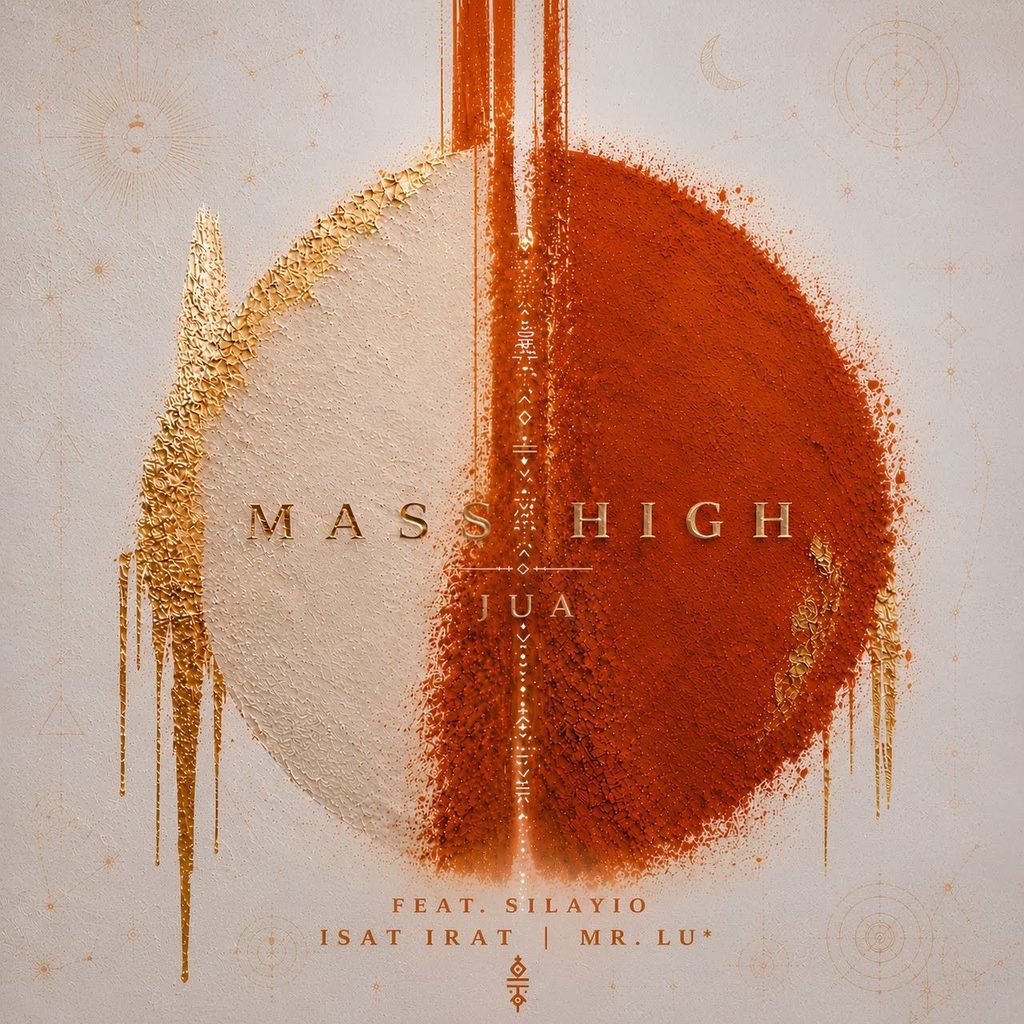
These observations informed the production of CHIKKA’s single “Mass High.”
They also reinforced his belief that musical relationships across the region deserved more sustained research.
The commercial music industry often concentrates on finished recordings, performances and audience consumption. Guta’s research drew attention to the cultural knowledge from which those recordings might emerge.
It was this relationship between inherited practice and contemporary expression that he hoped CHIKKA could explore.
Why Nairobi Became the Project’s Home
Nairobi’s importance to CHIKKA extended beyond its location.
Guta regarded the Kenyan capital as a practical meeting point for musicians from across East Africa, particularly because of its accessibility, creative networks and established infrastructure.
He also found the city’s cultural environment conducive to collaboration.
“Nairobi is incredible,” he says.
During the production process, Guta recalls being able to contact artists from neighbouring countries and arrange studio sessions within a relatively short time.
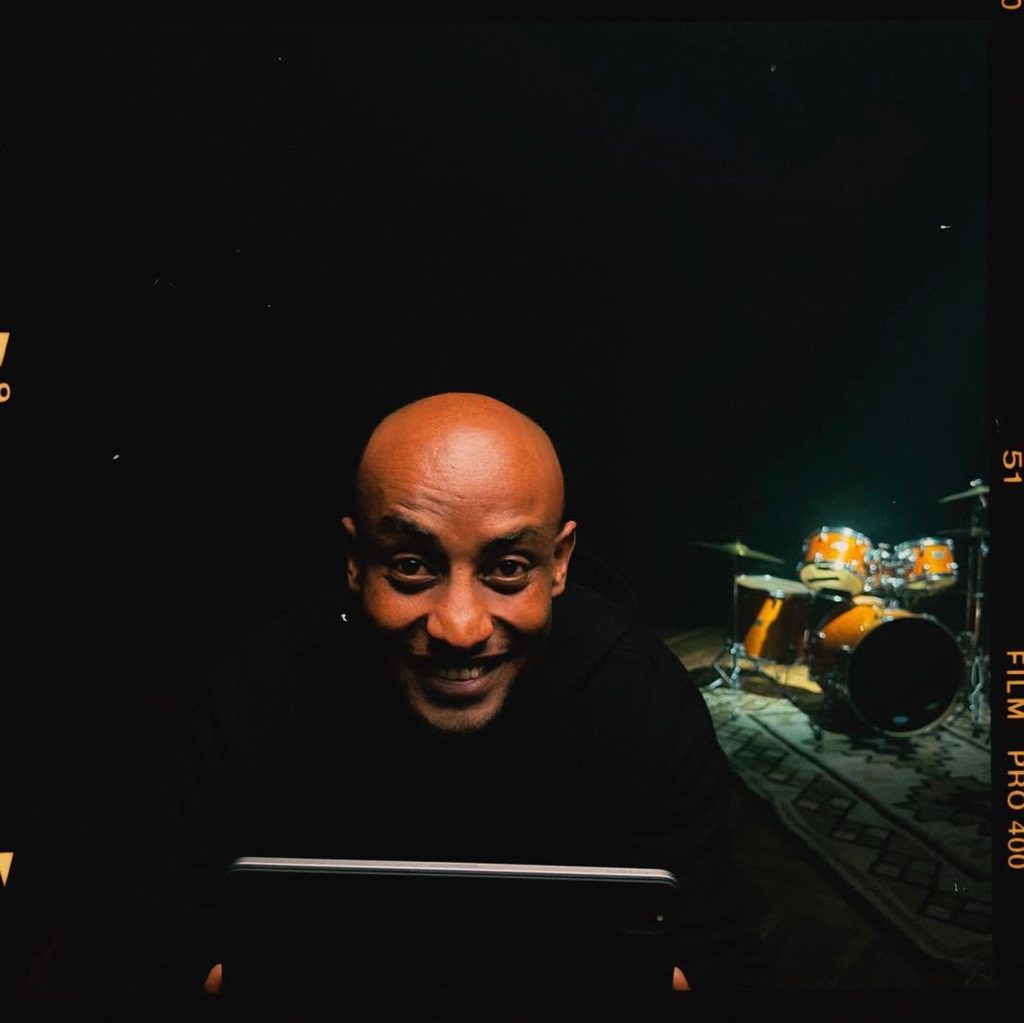
That ease of connection was significant for a project dependent on bringing together musicians with different national and cultural backgrounds.
He contrasts the experience with the difficulties he believed he would have encountered trying to assemble a similarly diverse group in Addis Ababa.
In Nairobi, the relationships required for CHIKKA could develop through direct contact.
Guta credits the city’s infrastructure, regional connections and the welcoming attitude he encountered among Kenyans.
His account also illustrates the importance of physical creative spaces in developing regional music industries.
Digital platforms may allow artists to discover one another’s work, but projects such as CHIKKA still depend on opportunities to meet, exchange ideas and experiment together.
For Guta, Nairobi provided an environment in which those encounters could take place.
Choosing to Sing in East African Languages
The project’s musical direction was not the only aspect shaped by its research.
Language became another important consideration.
Guta initially imagined using languages with wider international recognition, believing this might make CHIKKA more accessible beyond East Africa.
But a conversation with one of the researchers prompted him to reconsider.
The researcher pointed out that listeners regularly connect with music performed in languages they do not understand.
A vocal performance can communicate through melody, rhythm, tone and emotion, even when its words are unfamiliar.
“Our vocal cords are also an instrument,” Guta explains.
“When a guitar is being played, you don’t need to understand what the guitar is saying; you can just feel what the guitar is doing.”
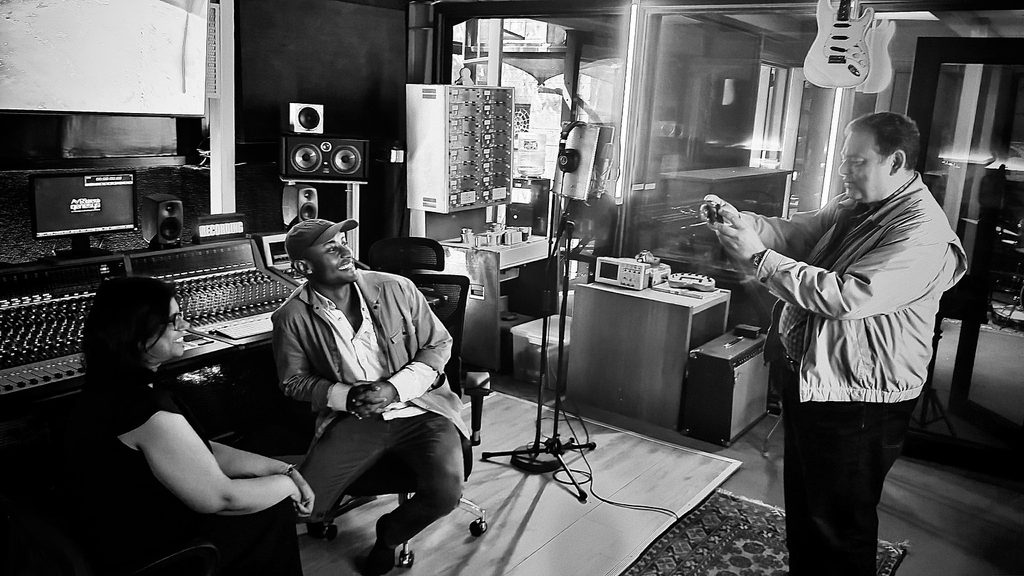
The observation changed his thinking.
He began to see the use of East African languages not as a limitation to overcome, but as an essential part of the music’s identity.
There was also the question of translation.
Guta believed that adapting culturally specific stories into other languages could diminish aspects of their meaning and emotional character.
He therefore chose to prioritise vernacular expression, allowing the music to retain qualities that might otherwise be lost.
The decision reflects a broader concern running through his work: the tendency for African artists to adjust their creative identities in anticipation of international audiences.
For Guta, CHIKKA needed to begin with the people and traditions it intended to represent.
A Sound Rooted in the Present
Although CHIKKA draws heavily on traditional musical knowledge, Guta does not regard it as a nostalgic undertaking.
His intention is not to recreate an earlier period of East African music.
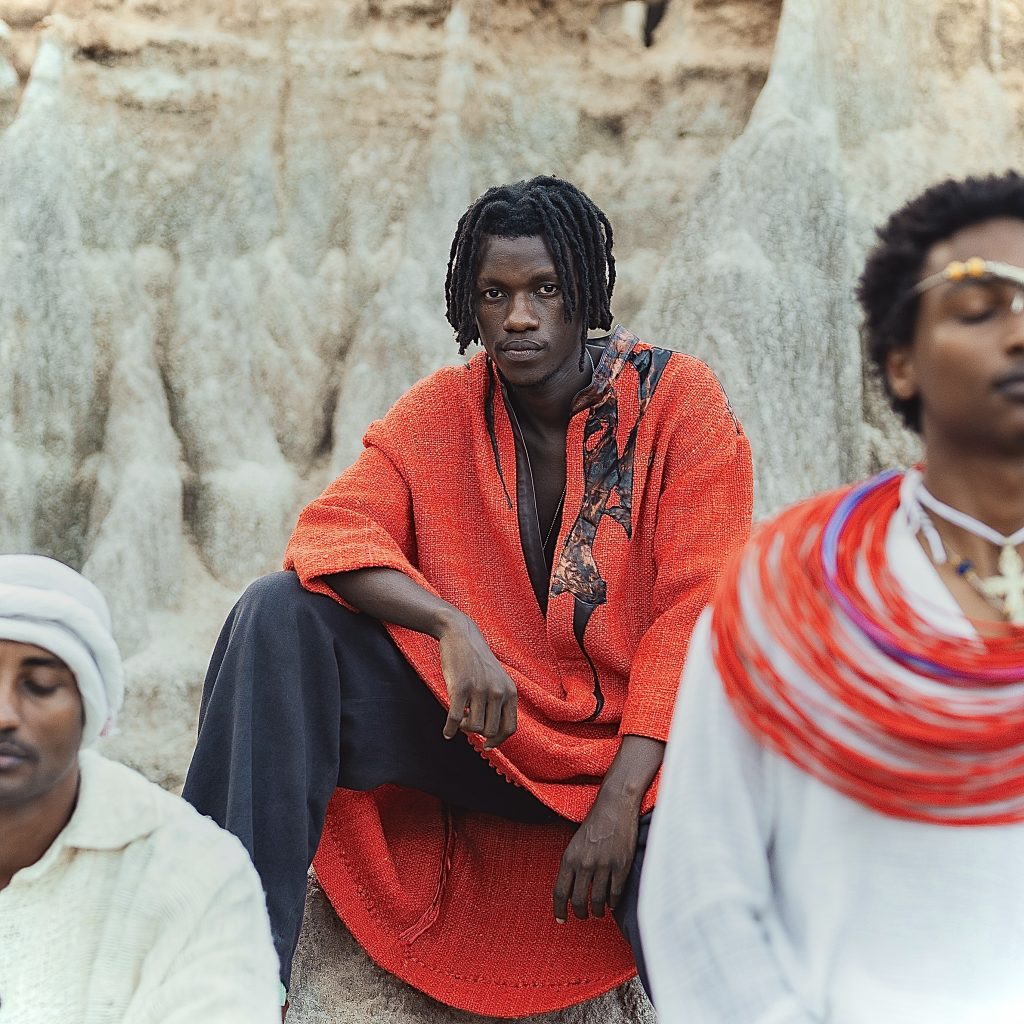
It is to investigate the region’s cultural inheritance and consider what contemporary artists can create from it.
When asked how musicians might remain rooted in heritage without becoming trapped by nostalgia, he distinguishes between reproducing the past and understanding the present.
“What we’re working on is actually the present,” he explains.
“It’s more about having access to what is being East African right now, rather than what East Africa was before.”
That distinction is important to his assessment of the region’s contemporary music scene.
He believes many urban artists draw inspiration primarily from Western popular music or, increasingly, successful musical movements elsewhere in Africa.
While those influences have contributed to contemporary creativity, he worries that they can also overshadow the possibilities available within East Africa’s own traditions.
“We’re sitting on a cultural currency, like a cultural safe deposit, of immense proportions that we haven’t done anything about,” he says.
He points to Ethiopian artist Rophnan and Uganda’s Faizal Mostrixx as musicians whose work demonstrates the creative possibilities of drawing from cultural traditions while developing distinctive contemporary sounds.
For Guta, the challenge is not to choose between local identity and modern production.
It is to understand how the two can strengthen one another.
Must African Music Look Outward to Succeed?
Guta’s vision for CHIKKA also challenges how success is commonly discussed within contemporary African music.
International chart positions, streaming achievements and collaborations with global stars have become prominent measures of commercial progress.
He recognises their importance, but believes East African artists should devote more attention to developing audiences within the region itself.
“I think what we should focus on is authenticity first,” he says.
His argument is partly cultural and partly economic.
East Africa’s substantial population represents a significant potential audience, yet its music markets have not always operated as an interconnected commercial environment.
Guta believes stronger regional engagement could help artists build sustainable careers while retaining their cultural identities.
He refers to Jamaican reggae and South Korean popular music as examples of musical cultures that developed distinctive identities and strong audiences before achieving wider international recognition.
“I think our core attention should be authenticity and being able to connect to our own people,” he explains.
For CHIKKA, this means developing music that East Africans can recognise and embrace before measuring its success through distant markets.
It does not require rejecting international opportunities.
Instead, Guta wants global interest to emerge from a musical identity that has already established meaning within its own cultural environment.
The Album Is Only a Beginning
As CHIKKA moved from research into production, its ambitions expanded.
Guta began imagining how the project’s approach might influence other creative disciplines.
Dance was an immediate consideration, particularly because the musical traditions informing CHIKKA were closely connected to physical movement.
Fashion and visual art also entered the conversation.
He wanted to encourage creative practitioners to investigate regional fabrics, visual traditions and other forms of cultural expression with the same curiosity that had guided the music.
The resulting vision was larger than an album.
Guta describes CHIKKA as a contemporary interpretation of East African identity, developed through research but intended to remain open to new contributions.
“We’d like it to be a tool that East Africa can use, that they can rally behind, communicate with each other through, and dance together to,” he says.
The ambition is substantial, but Guta is careful not to present the project as a finished cultural formula.
He considers it an early experiment that other artists should be able to develop.
“For us, success would be people actually accepting it as their own, and artists coming up with different variations of it,” he explains.
“Because this is just a prototype, and it can travel a long way if a lot of amazing minds, better minds than ours, can come together and help it travel.”
This openness is central to his understanding of CHIKKA’s future.
He wants the project to encourage collaboration rather than establish another exclusive creative circle.
When describing the community he hopes to build, he speaks of people who are ambitious, curious and prepared to work toward shared goals.
He also makes clear that access to creative opportunities should not be controlled by unnecessary barriers.
“I would like to build a community where gatekeeping is obsolete and is the enemy of progress,” he says.
Preserving Culture While the World Moves Faster
Despite his optimism, Guta remains concerned about the future of East African cultural traditions.
He believes digital connectivity has accelerated the movement of ideas, music and cultural influences to a point where preservation efforts can struggle to keep pace.
The same technologies that allow African artists to reach audiences around the world can also expose younger generations to an overwhelming volume of external influences.
For Guta, the concern is not simply that cultures change. His own work depends on change and experimentation.
It is that valuable knowledge could disappear before people have taken the time to understand and document it.
“The work we’re doing on cultural preservation does not even match how fast the world is moving in the digital space,” he says.
He worries particularly about traditions that remain dependent on oral transmission and have limited institutional support.
Without greater investment in research, education, cultural documentation and media, he believes some practices may become increasingly difficult to recover.
The concern helps explain why CHIKKA required so much work before the production process began.
Guta wanted the music to emerge from sustained engagement with cultural knowledge rather than superficial references to traditional sounds.
His approach suggests that contemporary production and cultural preservation need not be separate activities.
When undertaken thoughtfully, one can create new opportunities for the other.
The People Who Continue to Inspire Him
Guta’s musical influences reflect his interest in artists who work across the boundaries between traditional and contemporary expression.
He speaks admiringly of Morena Leraba, the Lesotho-born musician who contributed to CHIKKA, alongside Faizal Mostrixx and Afrotronix.
He also identifies Mulatu Astatke as an important mentor and source of inspiration.
What attracts him to these musicians is not necessarily their commercial visibility.
It is their willingness to develop distinctive creative identities through experimentation and cultural knowledge.
“There are a lot of artists operating in the alternative scene who are incredibly talented, and you can draw a lot of inspiration from them,” he says.
During the closing portion of our conversation, Guta recommends Rophnan’s Sidist (VI) and Mulatu Astatke’s catalogue to listeners interested in exploring East African music.
Asked which cultural practice he would most like to preserve, he identifies traditional instruments.
And when invited to describe CHIKKA in one word, he chooses “Transcendence.”
It is an ambitious description, but one that reflects his desire for the project to move beyond the limitations of individual national music markets.
A Future the World Travels to Experience
Guta’s vision for East African music does not end with getting more records onto international charts or festival stages.
He wants the region to develop cultural experiences capable of attracting audiences from elsewhere in the world.
One of his ambitions is to see East Africa host a major festival that brings together music, art and other forms of creative expression.
Rather than continually exporting artists to established international cultural centres, he imagines building the infrastructure that encourages people to visit East Africa itself.
“I want a big festival that the whole world travels to, a big festival in East Africa,” he says.
“I don’t want to go and serve it where they are. I want them to come and experience it where we are, and to build the industry and the infrastructure where we are.”
He recognises that such a vision would require considerable work.
Research, artistic development, marketing, institutional support, media and performance infrastructure would all need to contribute.
But he believes the region possesses the cultural resources necessary to pursue that future.
For him, the opportunity is not simply to make East African music more visible.
It is to build an environment in which East African creativity can develop, circulate and be experienced on its own terms.
The Sound of Recognition
When Guta reflects on CHIKKA’s development, he returns repeatedly to the importance of conversation.
Conversations with experienced musicians challenged his assumptions about musical history. Researchers introduced him to traditions that were unfamiliar or poorly documented. Collaborators from different countries helped transform those discoveries into contemporary recordings.
Each stage depended on a willingness to listen.
The early studio experiment that brought together Ethiopian, Kenyan and Sudanese perspectives remains a particularly revealing moment in that journey.
It suggested that a musical idea could feel new while drawing on something recognisable across different cultural experiences.
Whether CHIKKA ultimately develops into the shared regional sound Guta imagines will depend on how other musicians and audiences respond to it.
He does not claim to have completed that work.
Instead, he hopes the project will encourage more artists to investigate the region’s traditions, develop their own interpretations and contribute to a wider conversation about East African identity.
The ambition is cultural as much as musical.
In a continent whose creative achievements are increasingly celebrated through international recognition, Guta is asking what might become possible if more attention were devoted to the knowledge, relationships and opportunities already present within African communities.
CHIKKA is his attempt to explore one answer.
And beneath the research, experimentation and ambition, his hope for listeners remains remarkably simple.
“Being East African is something to be really proud of.”
Guta Wakuma Chimsa spoke with Jordan Abiola Bolade, Founder and Editor-in-Chief of Music Custodian, in a remote conversation recorded on July 17, 2026. This feature is adapted from the verified interview transcript and edited for narrative structure and readability.
Custodian Conversations | Music Custodian™