Twenty years after Big Brother Naija’s inaugural season, Nigerian music executive Obi Asika revisits the decisions, relationships and broadcast infrastructure that helped Nigerian artists reach audiences across the continent.
Long before Afrobeats became a fixture on international charts and streaming playlists, Nigerian music was finding its way across Africa through television, radio, music videos and the determination of industry professionals working to expand its reach.
One of those platforms was the inaugural edition of Big Brother Nigeria, now widely known as Big Brother Naija, which aired between March and June 2006.
While the reality television programme introduced audiences to a group of young Nigerians living together under constant observation, its cultural significance extended beyond the housemates and their daily interactions.
Behind the production was a deliberate effort to place Nigerian music, fashion, personalities and creative expression before a continental audience.
In a retrospective essay published by Vanguard on May 11, 2026, Obi Asika, who served as executive producer and spokesperson for the inaugural season, revisited the decisions that shaped that ambition.
His account offers a perspective on a period when Nigerian music was gaining momentum but still faced significant barriers to distribution and visibility.
It also raises an important question about the development of African creative industries: what happens when the people producing the culture begin influencing the platforms through which it is experienced?
The Decision to Prioritise Nigerian Music
According to Asika, one of the defining moments in the show’s preparation came when the production team secured access to Sony BMG’s extensive international music catalogue.
The agreement was welcomed as a solution to the programme’s music requirements.
Asika, however, had another priority.
He wanted approximately 70 percent of the music played on the show to be Nigerian.
The proposal was met with a response suggesting that the music would need to meet an international standard.
For Asika, that exchange reflected a wider problem facing Nigerian creative industries at the time: the assumption that local music required external validation before it could be considered suitable for major broadcast platforms.
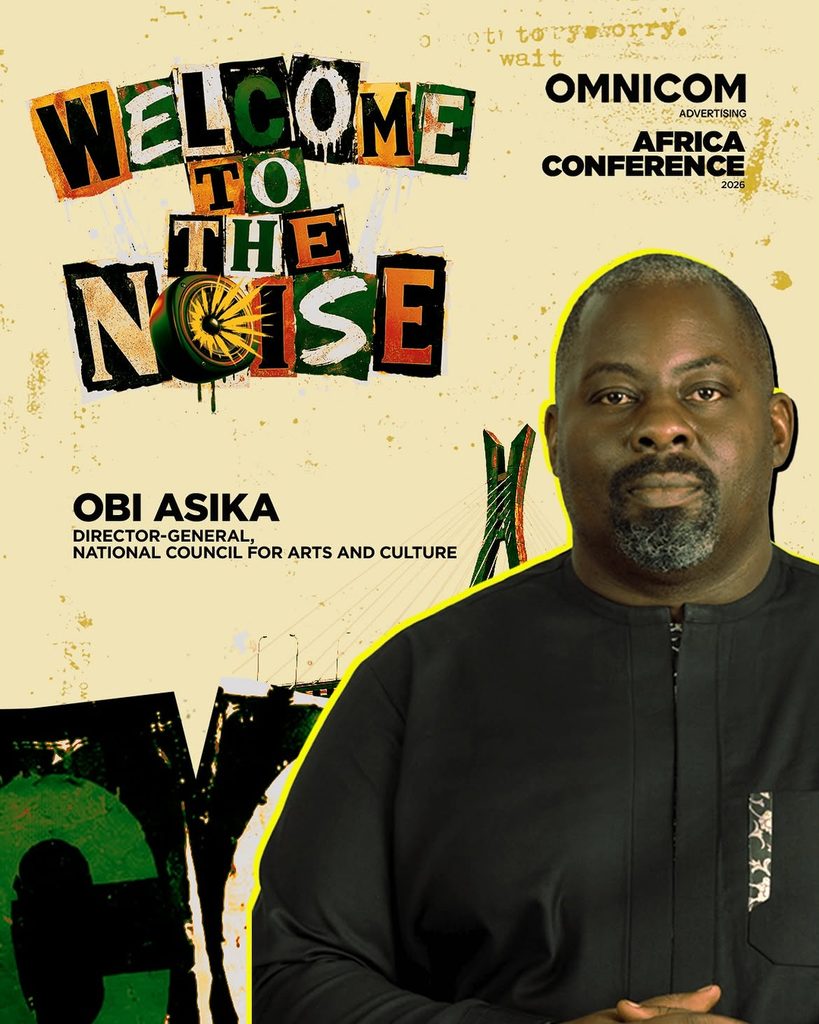
His position was informed by developments already taking place within Nigeria.
Following the withdrawal of major international record companies from the country during the early 1990s, indigenous labels, broadcasters, producers and entertainment entrepreneurs had continued developing the local music business.
Organisations such as Kennis Music and radio platforms including Raypower were helping build an audience for Nigerian popular music.
Yet access to influential continental television networks remained an important challenge.
Big Brother Nigeria presented an opportunity to address that imbalance.
By placing Nigerian records within the soundtrack of a programme distributed across Africa, the production could introduce audiences to artists they might not otherwise encounter through their local broadcasting systems.
The decision was about more than entertainment.
It was an attempt to make Nigerian music a central part of how the country represented itself.
A Reality Show Became a Music Platform
The programme’s music strategy extended beyond the songs played inside the house.
Asika recalls the introduction of live musical performances during eviction nights, alongside Channel O-linked events at the now-defunct Vault Nightclub in Victoria Island, Lagos.
These gatherings created opportunities for Nigerian artists to perform before audiences connected to a major continental television network.
According to his account, more than 120 artists benefited from the exposure generated through the show’s associated performances and broadcast relationships.
The opening ceremony itself became a significant moment.
Styl-Plus had initially been considered for the performance, but following a change in circumstances, D’banj, Don Jazzy and the Mo’Hits collective took the stage.
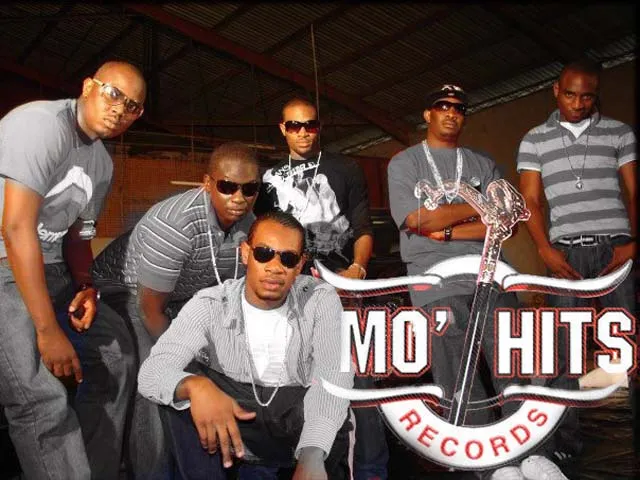
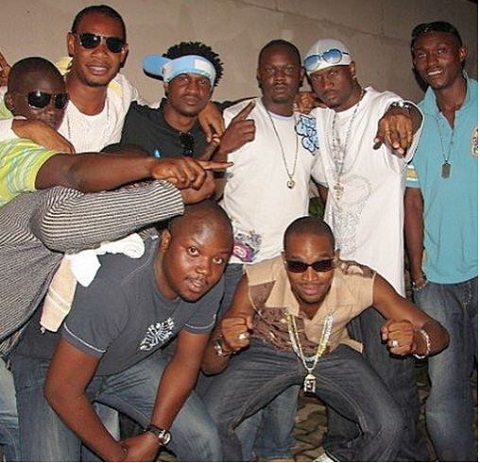
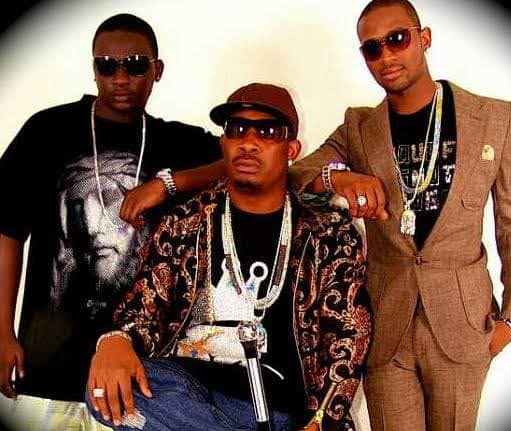
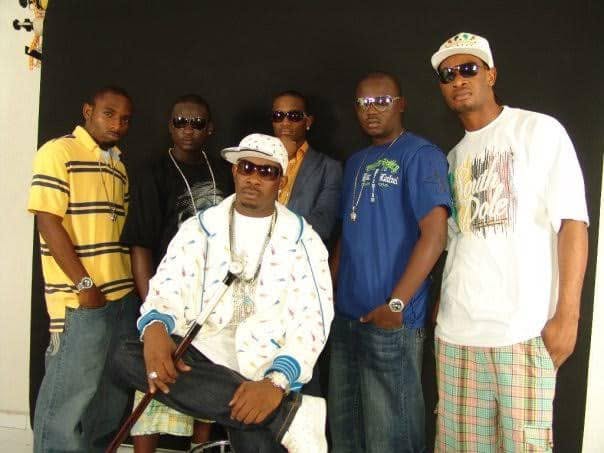
At the time, the collective was part of a generation of Nigerian performers developing a new commercial and cultural identity for contemporary popular music.
Their appearance placed that energy before audiences beyond Nigeria.
The programme also featured established performers, including Sir Shina Peters and Onyeka Onwenu, demonstrating the breadth of Nigerian musical expression across generations.
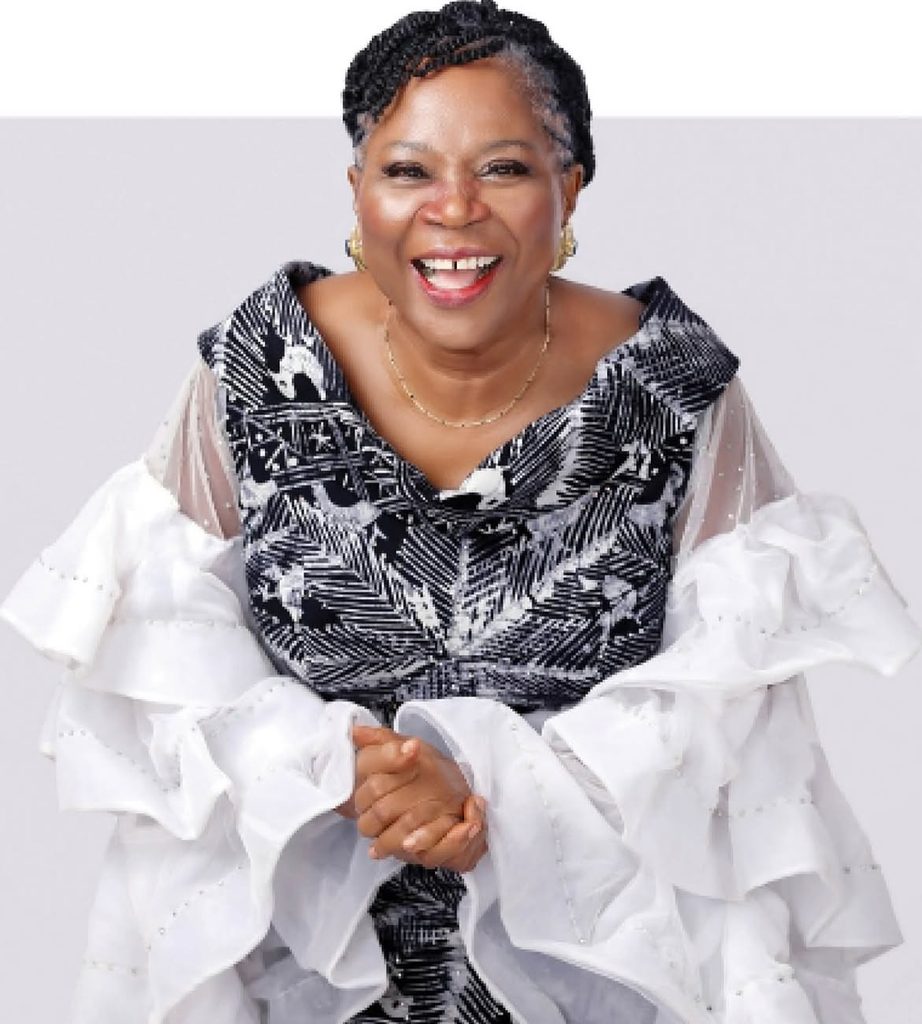
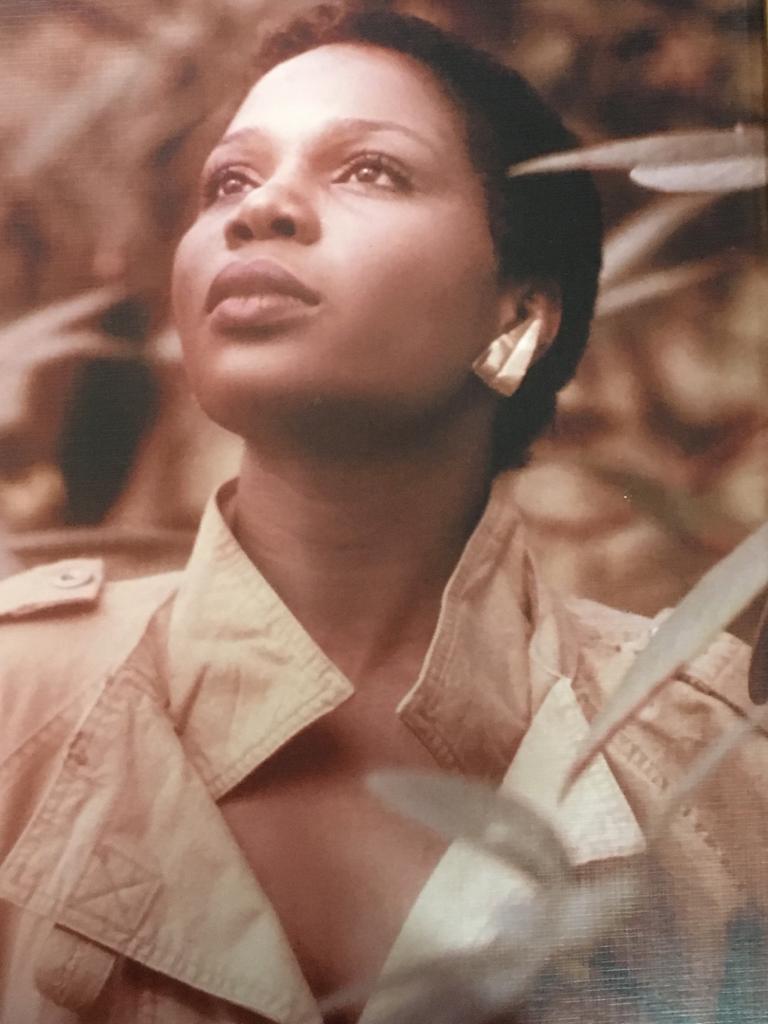

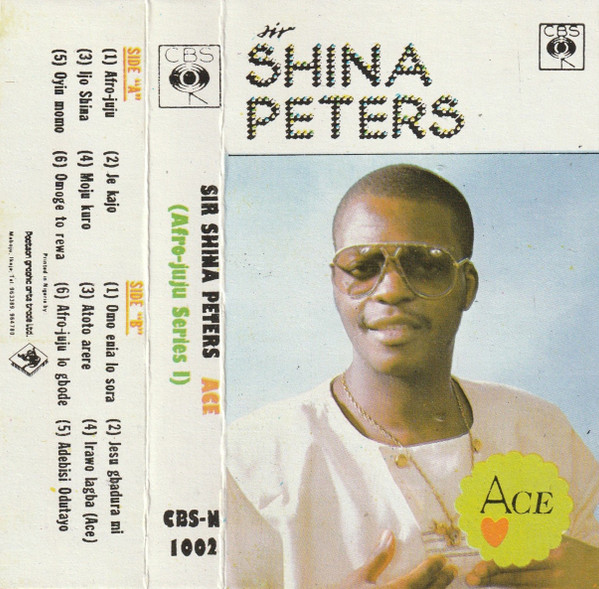
These appearances mattered because they placed emerging popular music alongside artists whose careers reflected longer histories of Nigerian performance and cultural identity.
The result was a television environment in which music became part of the programme’s identity rather than an occasional addition to its entertainment schedule.
The Channel O Connection
One of the most revealing parts of Asika’s account concerns the relationship between Nigerian music executives and South African television networks.
During the mid-2000s, channels such as Channel O and MTV Base occupied influential positions within African music television.

For Nigerian artists seeking continental exposure, getting a music video onto those platforms could significantly expand the audience for their work.
But access was not automatic.
Asika recalls working with colleagues and partners to secure opportunities for Nigerian performers and music videos, including through relationships with Channel O executives and production teams.
He identifies Yolisa Phale as an important figure in opening Channel O’s programming environment to Nigerian content.
He also acknowledges DJ Waxxy’s role in introducing Nigerian music to audiences through his Channel O programme.
The work could be surprisingly physical.
Asika describes travelling with Martin Mabutho and Tola Odunsi to Johannesburg, carrying Nigerian music videos to television contacts during a period when digital distribution infrastructure was far less developed.
There was another striking consequence.
According to Asika, some artists whose videos had appeared on Channel O recorded those broadcasts and presented them to local Nigerian television stations as evidence that their music deserved domestic airtime.
The experience exposed a contradiction within the industry’s development.
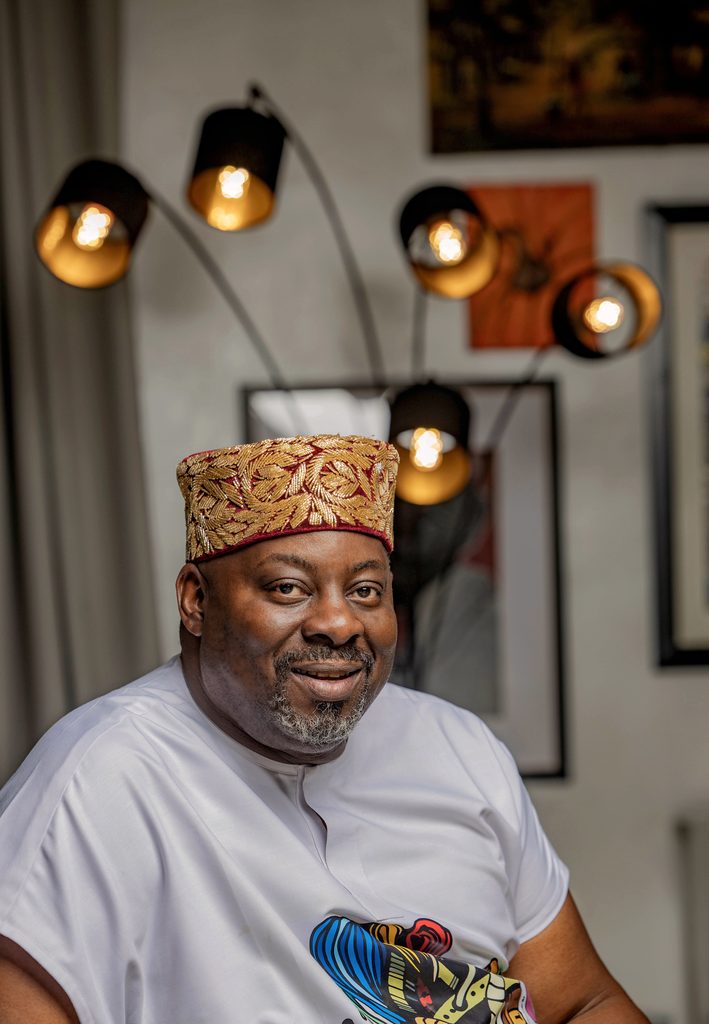
Continental recognition could sometimes become a means of persuading broadcasters at home to support their own artists.
It also demonstrated how distribution relationships, rather than artistic output alone, influenced which musicians could reach wider audiences.
The Industry Was Building Beyond the Television Screen
Big Brother Nigeria’s inaugural season arrived during a particularly active period for Nigerian entertainment.
Asika places the programme within a wider sequence of music releases, concerts, video premieres, media partnerships and international appearances taking place throughout 2005 and 2006.
His recollections include projects involving Dare Art Alade, Jazzman Olofin, Ikechukwu, D’banj, Don Jazzy, Naeto C and other performers associated with the expanding Nigerian music business.
He also highlights Nigerian artists’ presence at the Notting Hill Carnival in London and their increasing recognition at the Channel O Music Video Awards.
Asika recalls a major Nigerian showing at the 2006 awards ceremony in Johannesburg, interpreting it as evidence of the industry’s growing continental influence.
Those developments should not be attributed to a single television programme.
Nigerian music’s expansion was the result of years of work by artists, producers, record labels, broadcasters, promoters and creative entrepreneurs.
However, Big Brother Nigeria provided another highly visible platform through which those efforts could connect with audiences.
The production also involved commercial partnerships, sponsorship arrangements, talent relationships and audiovisual professionals whose work extended beyond the show’s original season.

Asika credits Tola Odunsi with helping develop the commercial operation, while acknowledging the contributions of Nigerian and South African production teams.
Those relationships helped establish experience and professional networks that would remain relevant to Nigeria’s expanding television industry.
The People Behind the Cultural Shift
The programme’s influence was not limited to music.
Its hosts, Olisa Adibua and Michelle Dede, represented Nigerian broadcasting talent before a continental audience.
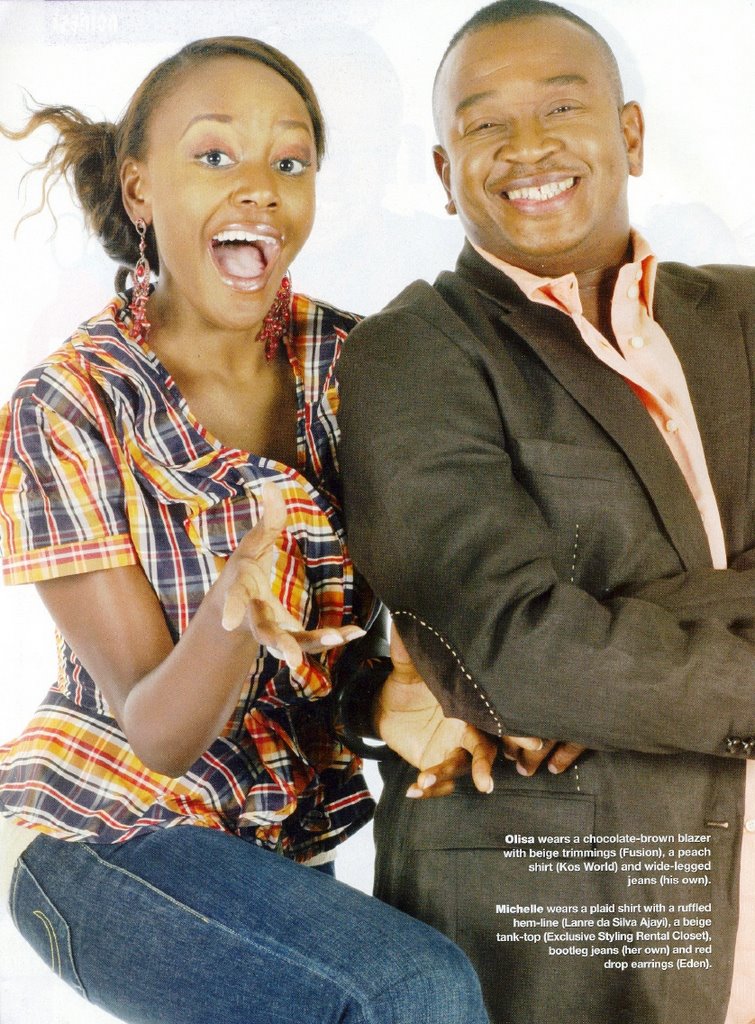

Fashion professionals including Omoyemi Akerele, Bola Balogun and Dakova contributed to a visual identity that deliberately foregrounded Nigerian creativity.
The show’s housemates also became part of a changing entertainment landscape.
Among them were Ebuka Obi-Uchendu, Gideon Okeke and Katung Aduwak, whose subsequent careers illustrate different opportunities emerging within Nigeria’s television and entertainment industries.



Asika also recalls an early connection with Uche Eze, whose BellaNaija platform would become an influential part of Nigeria’s digital media landscape.
Together, these stories reveal an entertainment ecosystem in which music, fashion, television, digital publishing and talent development were increasingly connected.
Big Brother Nigeria provided visibility for some of those relationships, but the individuals involved were already participating in a much broader transformation of Nigerian creative culture.
That distinction is important.
The programme did not create the country’s creative talent.
It offered another platform through which that talent could be recognised.
Twenty Years Later, the Question Has Changed
In 2006, one of the industry’s major challenges was securing access to influential broadcast platforms.
Today, African music operates within a considerably different distribution environment.
Streaming services, social media, short-form video and digital publishing have created new opportunities for artists to reach international audiences.
Nigerian performers have become central participants in global popular music, while African music companies, media platforms and creative entrepreneurs continue developing new business models.

Yet greater visibility has not eliminated questions about ownership, distribution and commercial sustainability.
In his retrospective, Asika distinguishes between the work of demonstrating the cultural value of Nigerian entertainment and the continuing challenge of building the business structures required to sustain that value.
That distinction remains relevant.
Who owns the platforms through which African music reaches audiences?
Who controls the relationships between artists, distributors, advertisers and consumers?
And how can African creative industries develop institutions that retain more of the economic value generated by their cultural influence?
These questions extend beyond the history of Big Brother Nigeria.
They concern the future of African music journalism, independent labels, publishing, distribution, broadcasting and the wider creative economy.
For Music Custodian, Asika’s account is also a reminder that documenting African music requires attention to the people and institutions working behind the scenes.
Artists remain central to the story.
But their journeys are shaped by producers, broadcasters, executives, journalists, promoters and creative communities whose contributions are not always visible to audiences.
Twenty years after the inaugural Big Brother Nigeria season, the industry’s methods of reaching listeners have changed considerably.
The underlying responsibility has not.
African creativity needs platforms that recognise its value, institutions capable of supporting its development, and historical documentation that acknowledges the people who helped build its foundations.
Big Brother Nigeria 2006 represents one chapter in that history.
Its significance lies not in claiming that a reality television programme created a musical movement, but in recognising how deliberate decisions about programming, access and representation contributed to the conditions in which Nigerian music could travel further.
Source acknowledgement: This retrospective draws principally on Obi Asika’s essay, “On Big Brother Naija 2006, Agency, and Learning the Worth of What You Already Are,” published by Vanguard on May 11, 2026. Historical figures and production recollections attributed to Asika reflect his firsthand account.