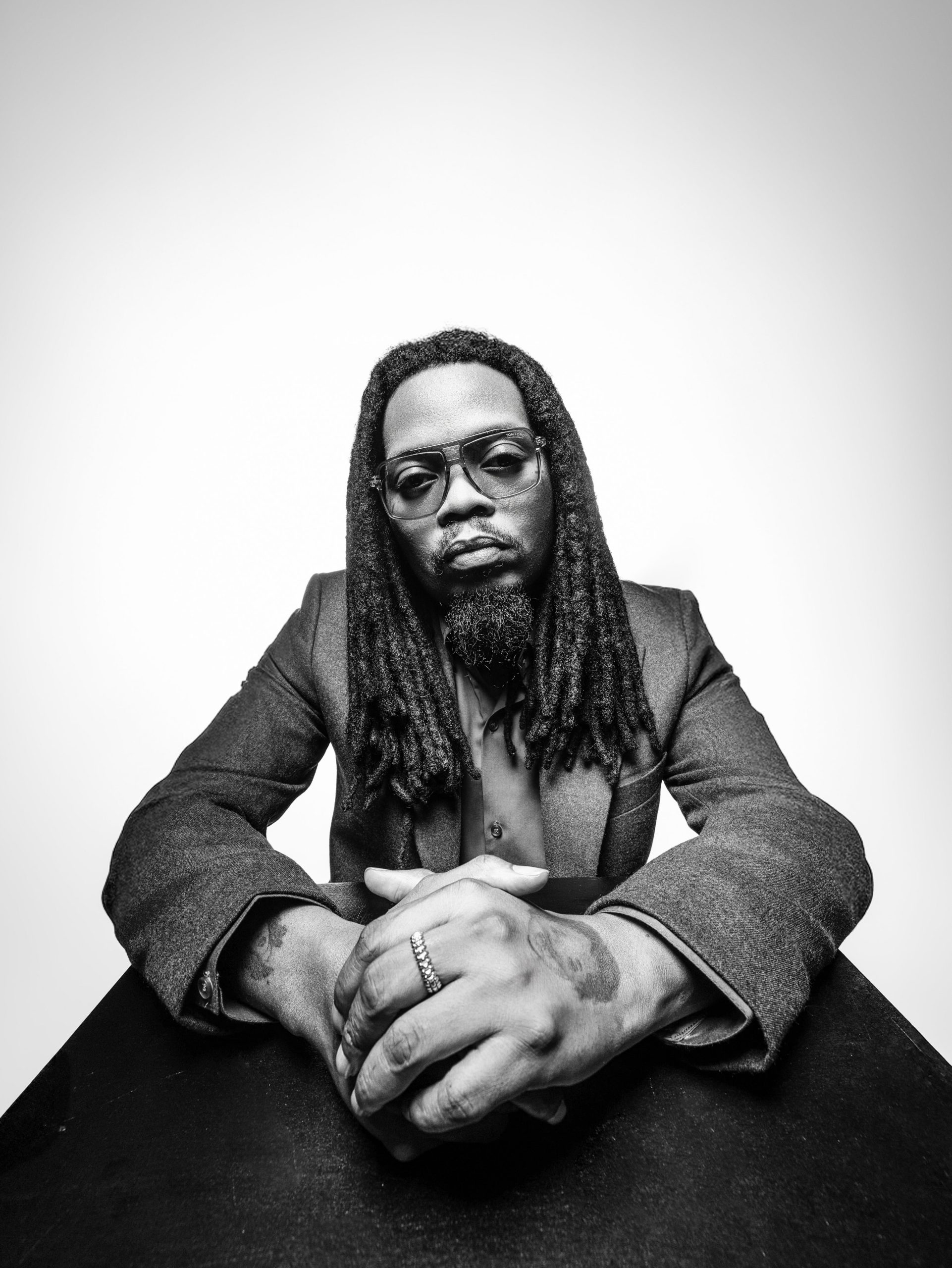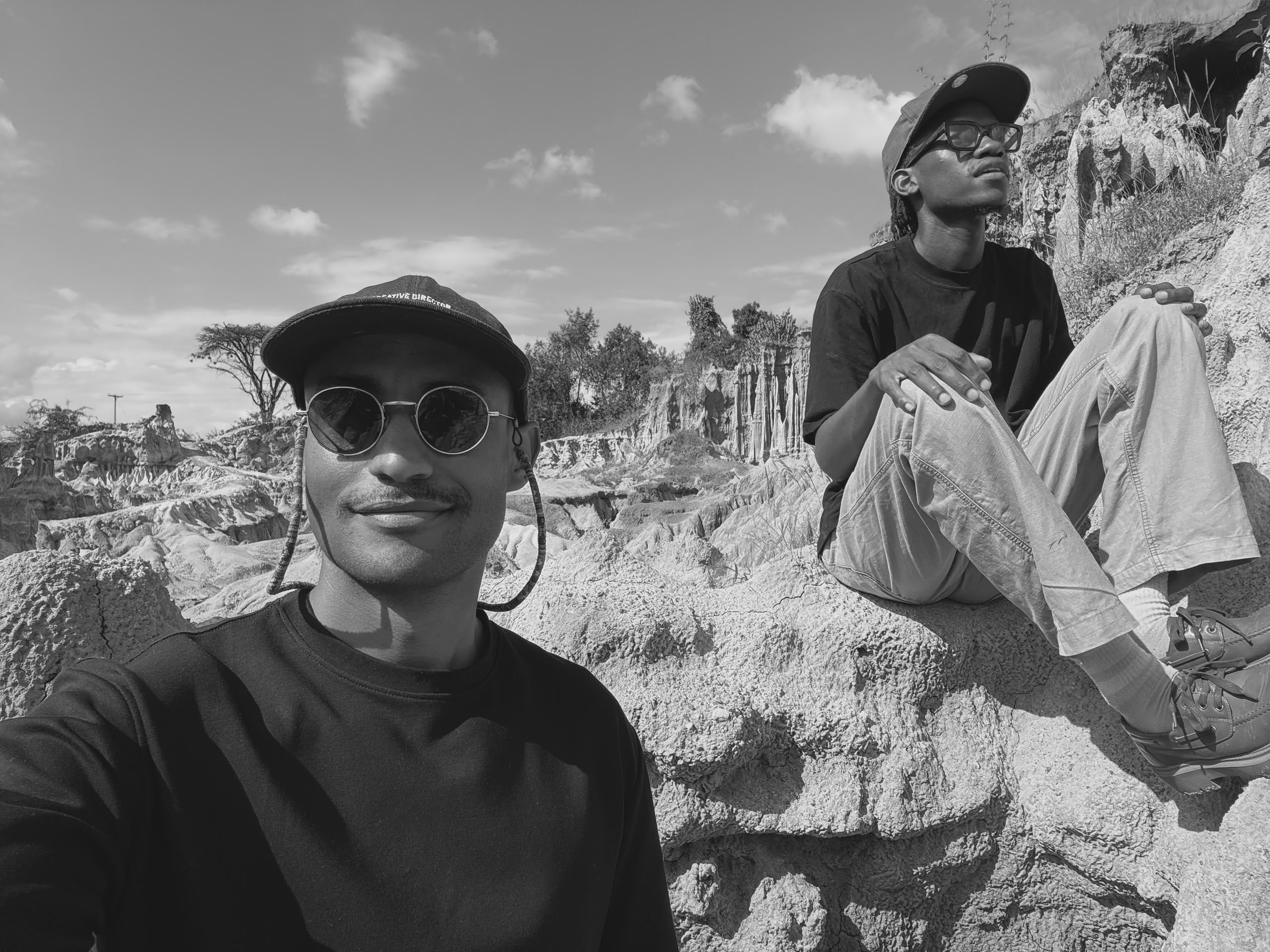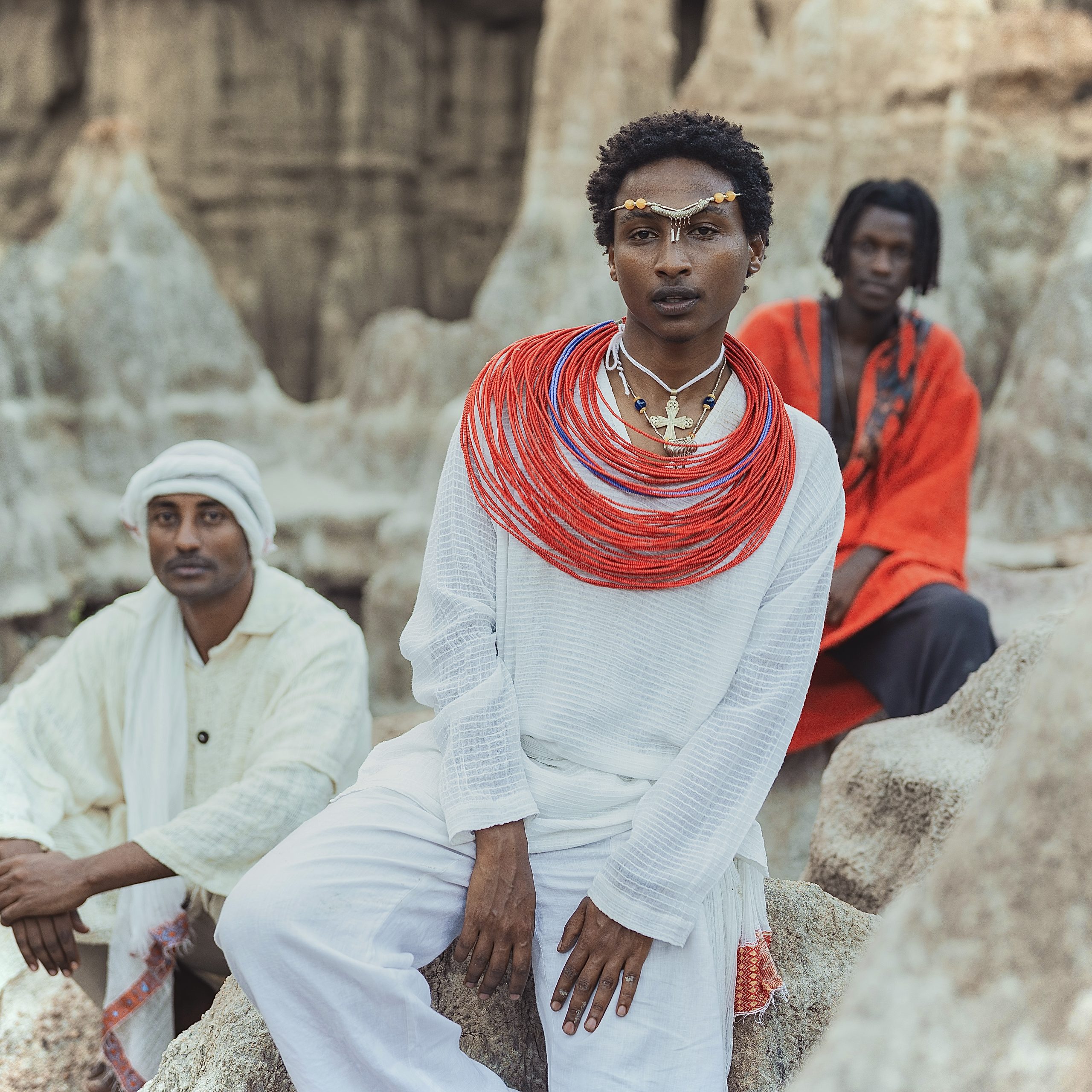
What if East Africa has been singing the same song all along? Not the same lyrics. Not the same instruments. Not even the same languages. But the same pulse. That question sits at the heart of CHIKKA, an ambitious musical and cultural project conceived by Ethiopian producer, researcher and creative director Guta Wakuma Chimsa.
What began as a curiosity slowly evolved into something much larger.
As Guta spent the better part of two and a half years researching rhythmic traditions across East Africa, he noticed a recurring pattern. Musical ideas, rhythms, vocal techniques and cultural expressions that appeared distinct on the surface often seemed connected beneath it.
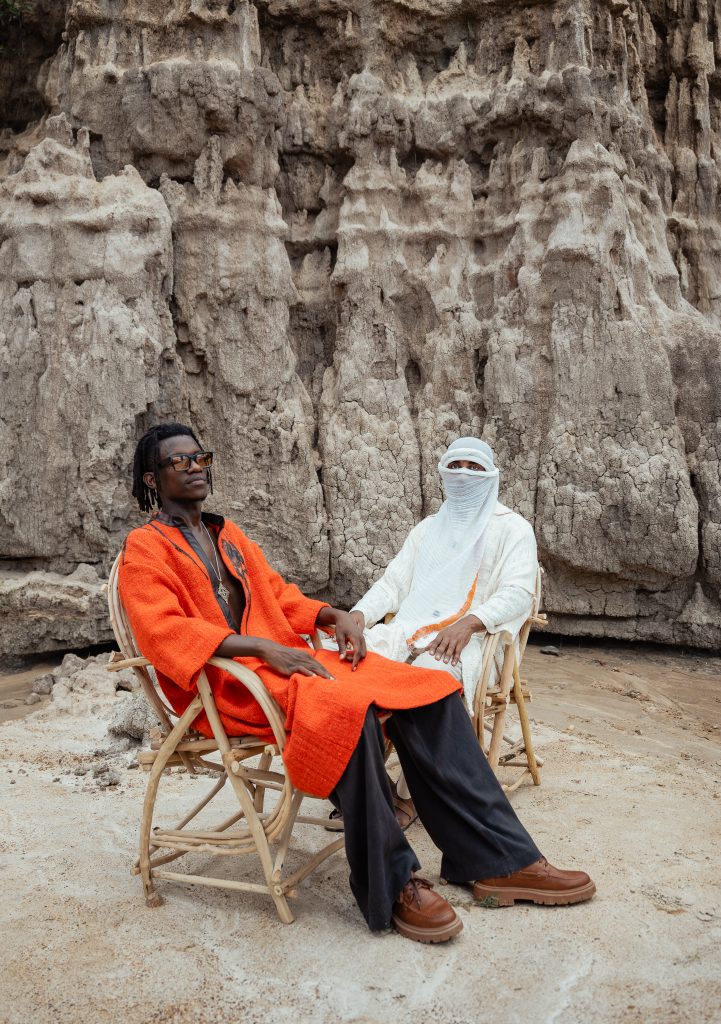
“The most surprising discovery was how often musical traditions from different countries seemed to echo one another,” he tells Music Custodian.
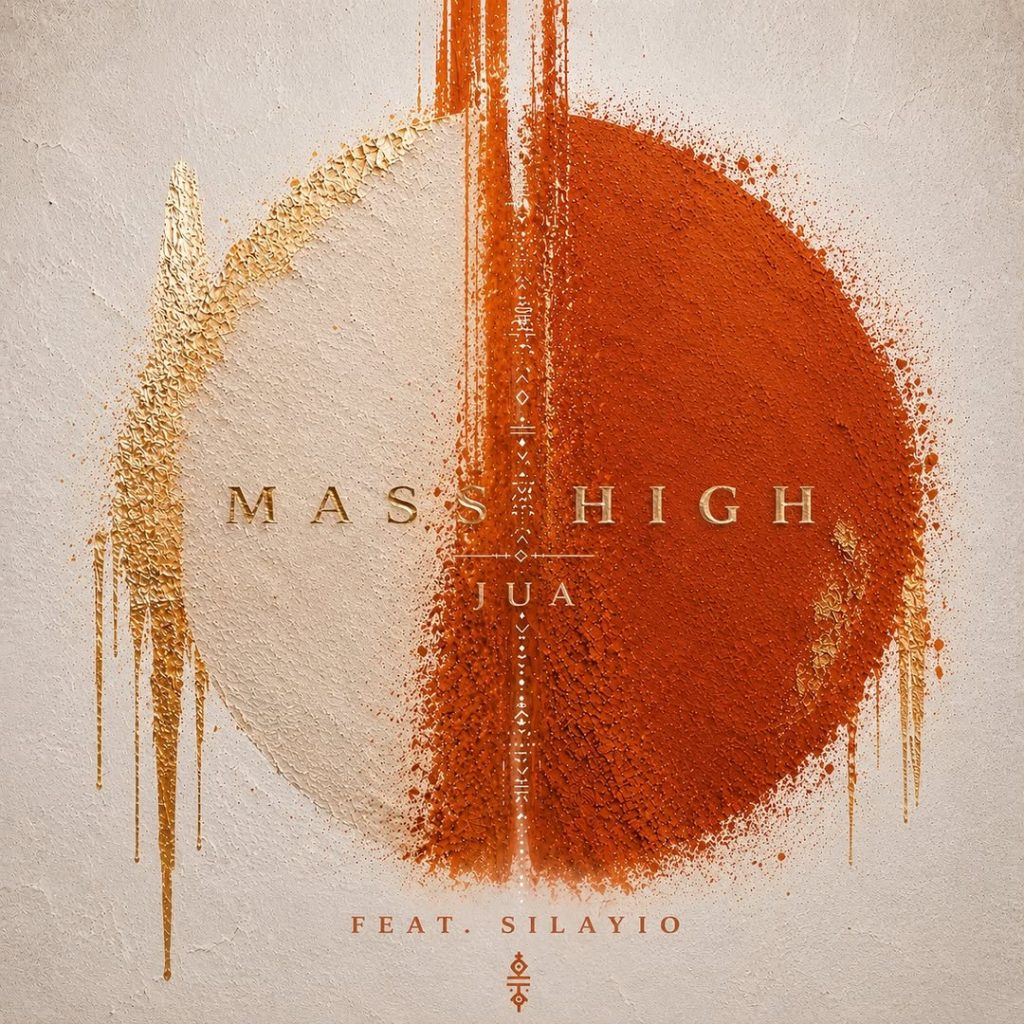
“In Mass High, for example, there is a beautiful conversation between Ethiopian and Kenyan throat singing traditions. Despite borders and distance, these vocal expressions felt deeply related. We kept finding moments like that throughout the research.”
The discovery challenged conventional ways of understanding geography and culture.
Modern maps divide East Africa into nations, languages and identities. Music, however, often ignores those boundaries.
For Guta, CHIKKA became an opportunity to explore what existed underneath.
“As we were uncovering relationships between communities, traditions and histories that many people had never considered, it became clear that CHIKKA was carrying a much bigger story.”
That story eventually found a home in Nairobi.
The Kenyan capital has long occupied a unique position within the region. It is one of the few cities where East Africans from across the continent routinely live, work, create and collaborate together.
“Nairobi is one of the few places in East Africa where the entire region naturally meets,” Guta explains.
“Artists, creatives, entrepreneurs and communities from across East Africa live, work and collaborate here every day. Through DARAJA, Nairobi gave us access to those conversations and collaborations. It became the ideal place to test ideas, bring people together and imagine a shared East African future.”
That phrase — a shared East African future — may be the most important idea within the entire project.
At a time when African music is receiving unprecedented global attention, conversations often centre around exports, markets and international success. CHIKKA asks a different question:
What does East Africa sound like when it speaks to itself?
For Guta, the answer is not found in imitation.
“The New East African Sound means confidence,” he says.
“It means creating from who we are rather than trying to imitate what is happening elsewhere. It is not about replacing existing traditions but building on them and creating contemporary music that reflects the realities and aspirations of a new generation of East Africans.”
That philosophy ultimately extends beyond the album itself.
While CHIKKA’s first expression arrives through music, Guta sees the project as something far larger than a collection of songs.
“The album is simply the first expression of CHIKKA,” he says.
“I see it as a creative framework that invites collaboration across borders. The music is important, but the larger idea is creating a space where East Africans can discover one another through culture and build new creative possibilities together.”
In many ways, that vision feels remarkably timely.
Across Africa, conversations around regional cooperation, creative economies and cultural exchange continue to intensify. Yet few projects have attempted to use music itself as a vehicle for imagining what deeper regional connection might look like.
Five years from now, Guta hopes CHIKKA will have contributed something meaningful to that conversation.
“If CHIKKA can help inspire a stronger regional identity, encourage new creative partnerships, and contribute to the emergence of East Africa as a recognized cultural force on the global stage, I would consider that a success.”
Ultimately, CHIKKA is not asking listeners to abandon their identities.
It is asking them to listen more closely.
Because perhaps beneath the languages, borders and histories that separate us, there has always been a rhythm connecting East Africa.
And perhaps all CHIKKA is doing is helping us hear it again.