Sixteen years after his passing, Michael Jackson has once again repositioned himself at the centre of global music consumption; this time not through radio, MTV, or physical sales, but through the very systems that define modern music: streaming and digital metrics.
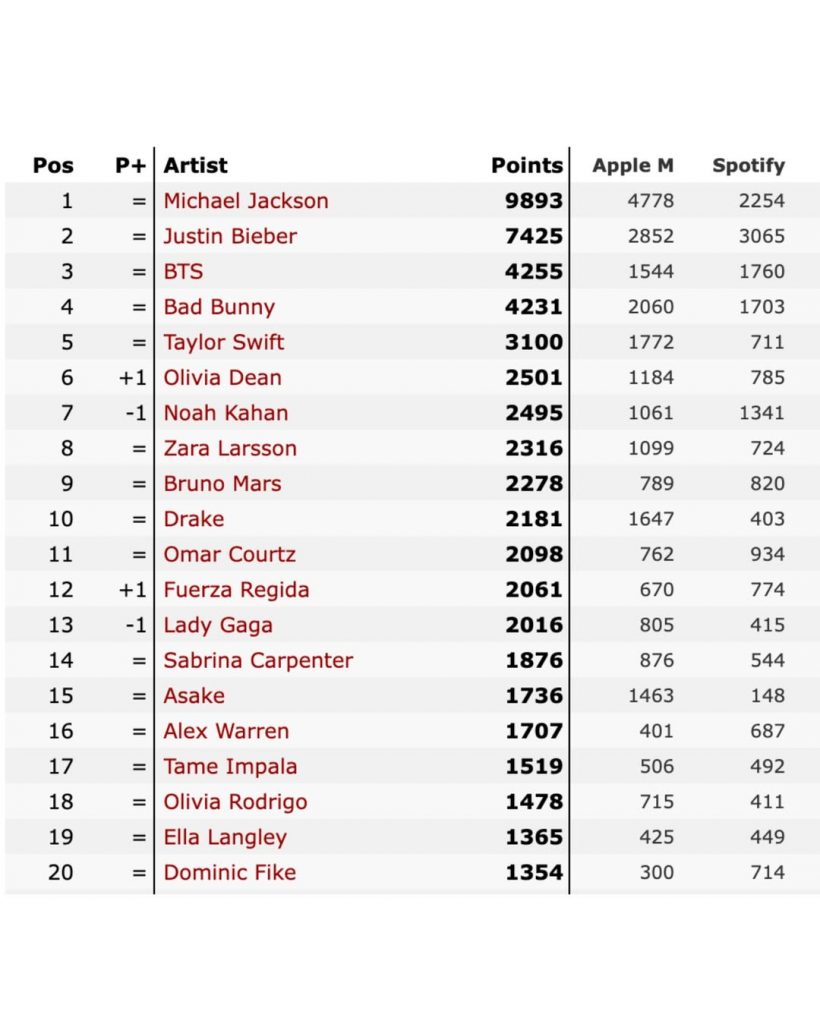
According to Kworb data circulating across platforms, Jackson has ascended to the #1 Global Digital Artist, surpassing Justin Bieber – a contemporary figure whose dominance has been shaped entirely within the digital era.
This is beyond simply a statistic; more so, it is a cultural statement. It suggests that Michael Jackson’s catalogue is not aging, it is adapting, recalibrating itself within new technological environments and continuing to compete with artists actively releasing music today.
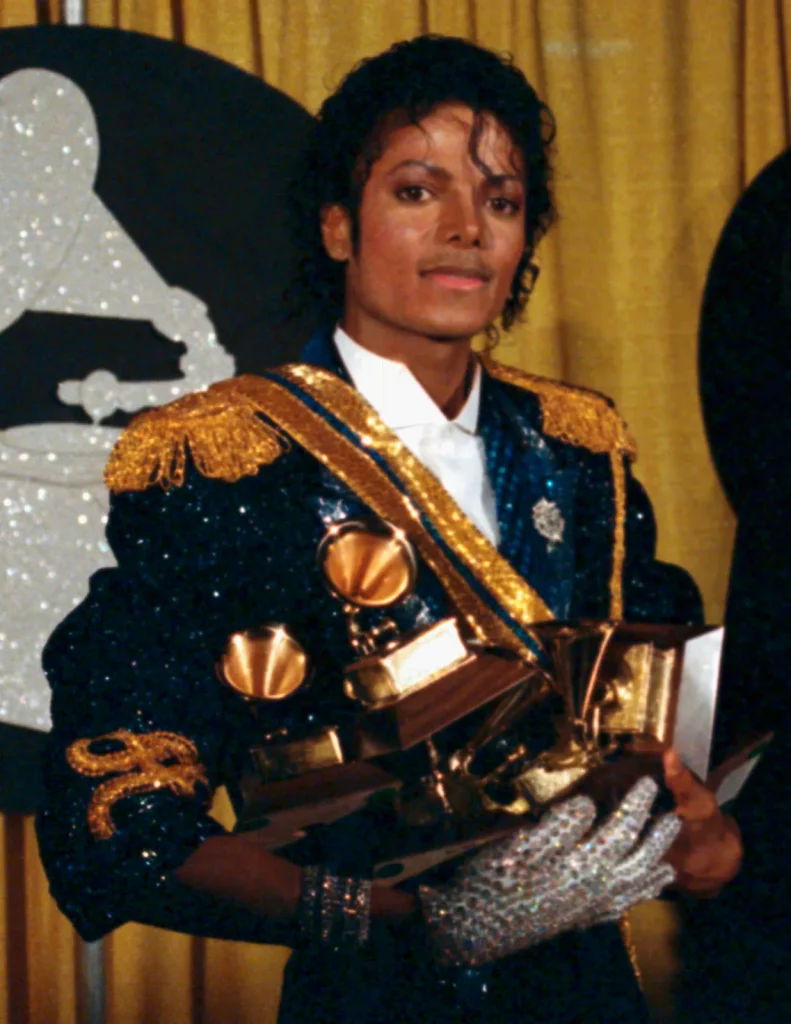
The catalyst for this resurgence is clear. The release of the biopic Michael has functioned as both a commercial and cultural ignition point. The film opened to record-breaking numbers – grossing nearly $97 million in its opening weekend and contributing to a global haul exceeding $400 million – while simultaneously triggering a massive spike in music consumption.
In the immediate aftermath, Jackson’s streams surged by 95% in the United States, with tens of millions of plays recorded within days. What we are witnessing is not nostalgia in its passive form, but reactivation: a re-entry of catalogue music into active cultural rotation, driven by narrative, visual storytelling, and renewed public discourse.
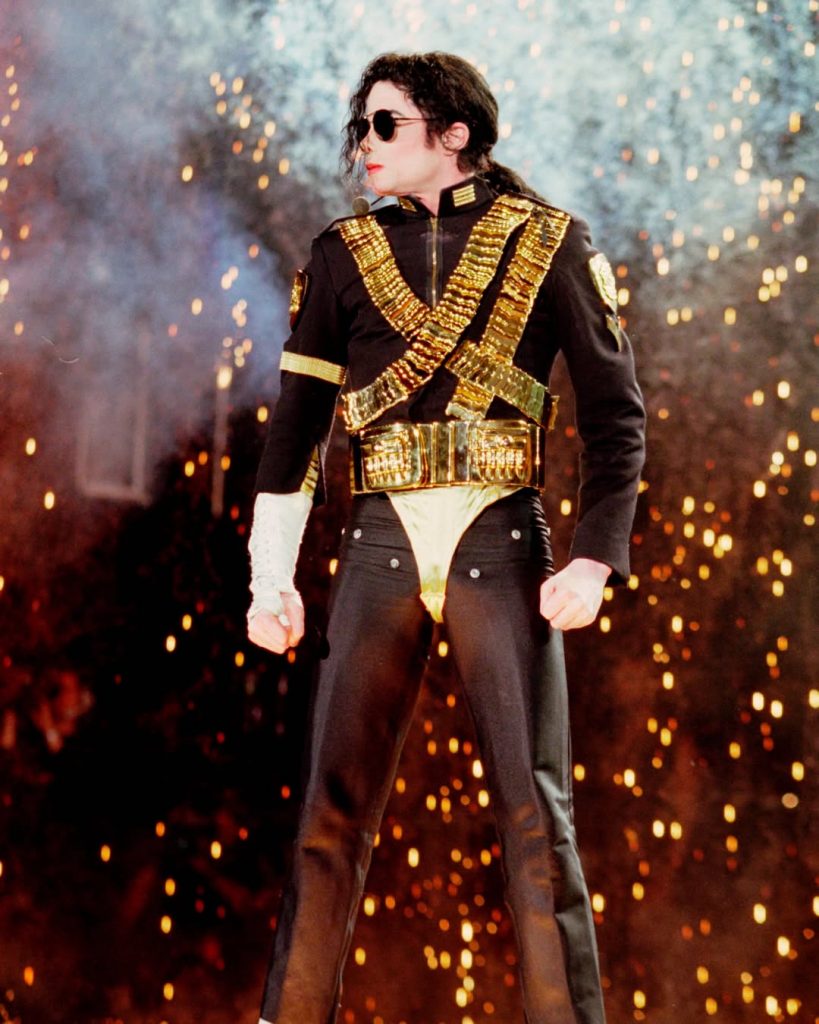
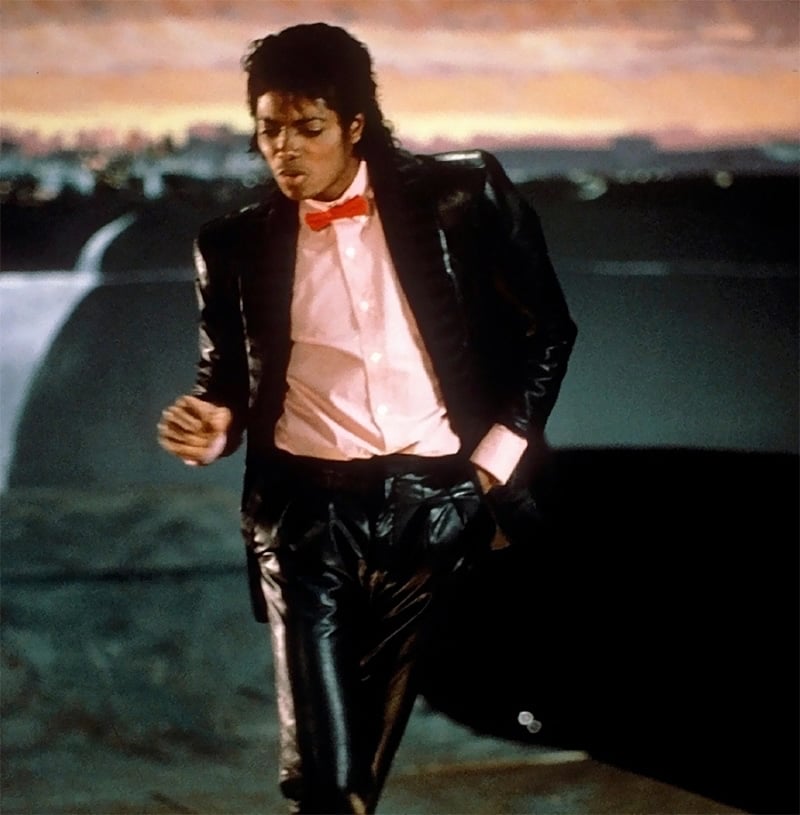
Beyond the numbers lies a more telling layer – the audience response. Across social platforms, particularly within comment sections surrounding the announcement of his digital dominance, a recurring sentiment emerges: disbelief not at the achievement itself, but at its continuity.
The discourse is less “he’s back” and more “he never left.” Listeners point to the timelessness of records like Billie Jean and Thriller, noting how seamlessly they exist alongside contemporary releases.
Others highlight a generational shift – young listeners discovering Jackson for the first time through the biopic, engaging with his music not as history, but as present-day sound. This dual engagement – legacy audiences revisiting and new audiences discovering; creates a rare feedback loop that few artists, living or deceased, have ever sustained.
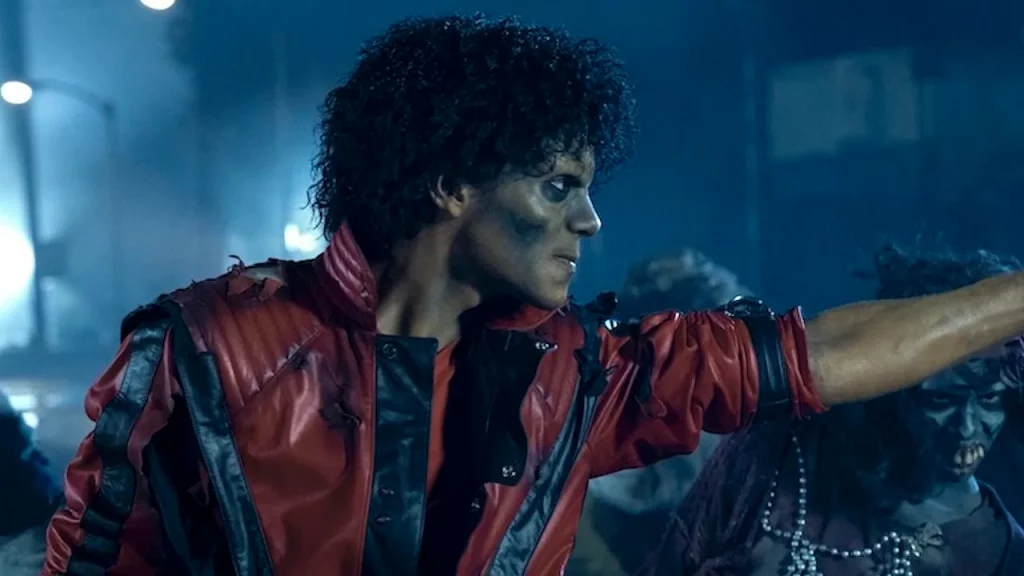
There is also a symbolic continuity embedded in this moment. Jaafar Jackson, portraying his uncle in the biopic, becomes both a vessel and a bridge – carrying forward the physicality, movement, and aura of Michael Jackson into a new era.
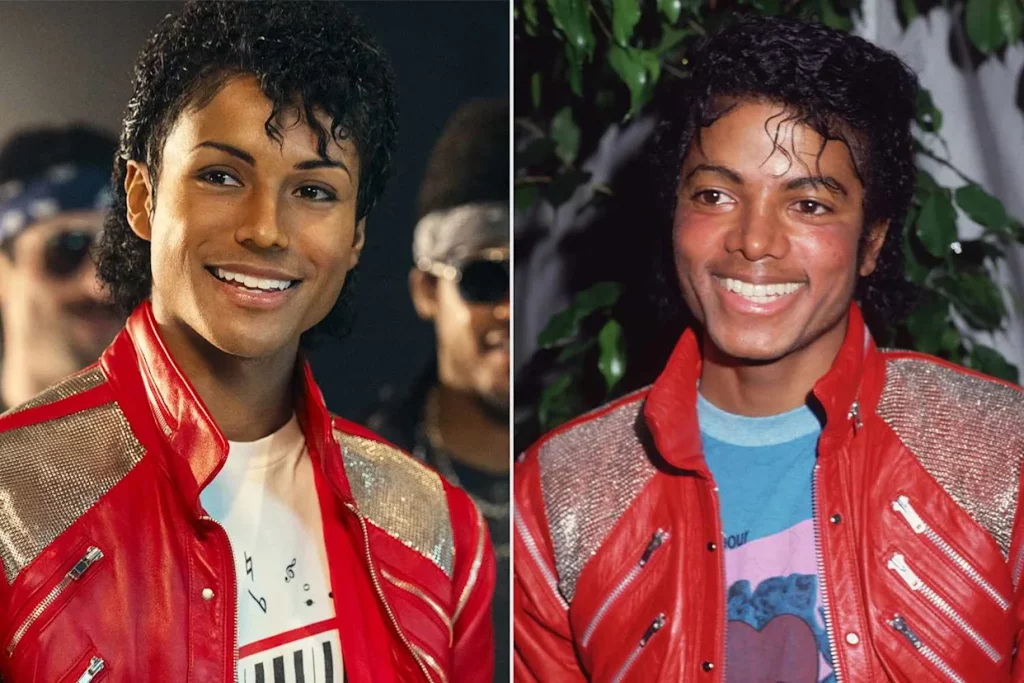
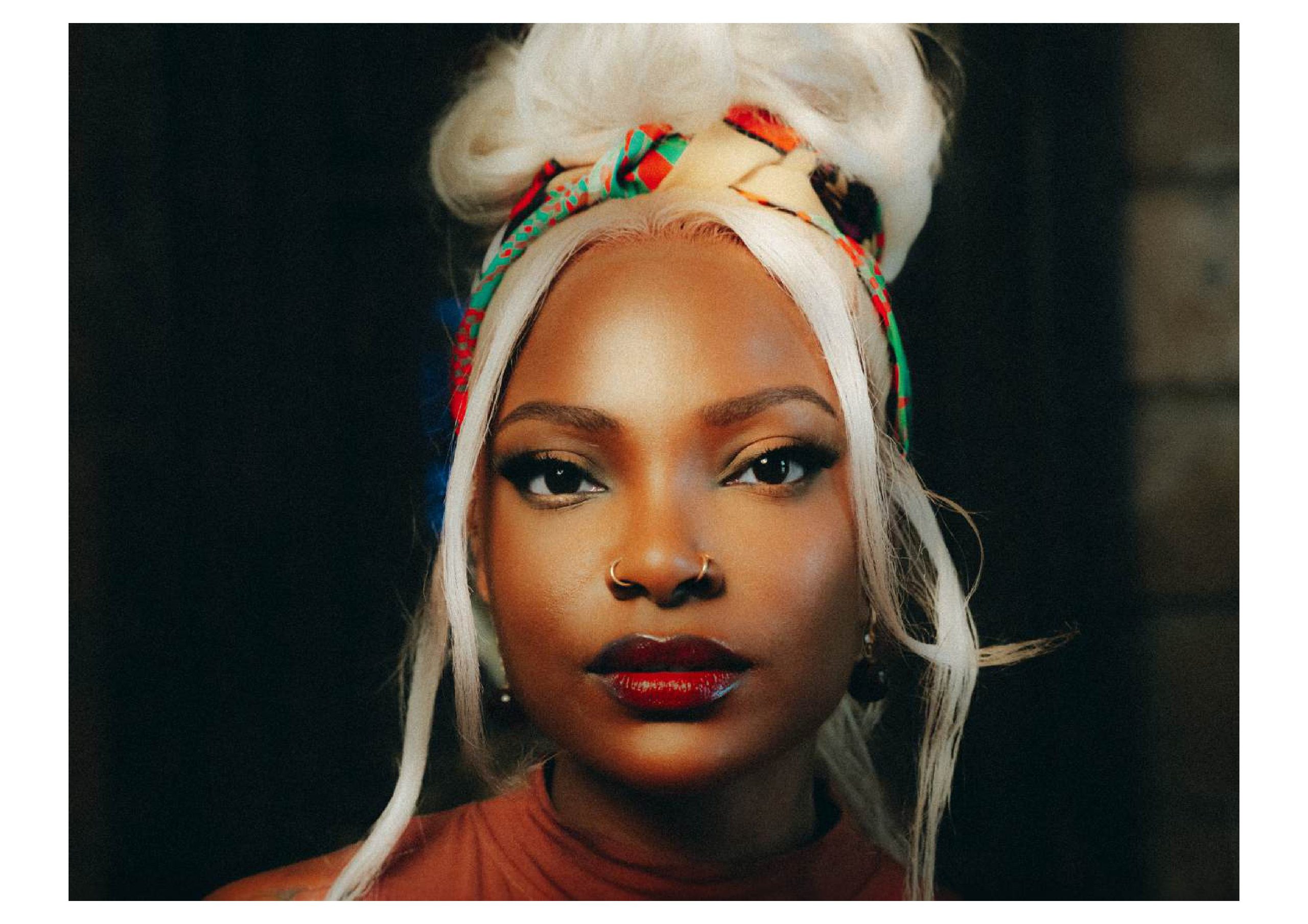
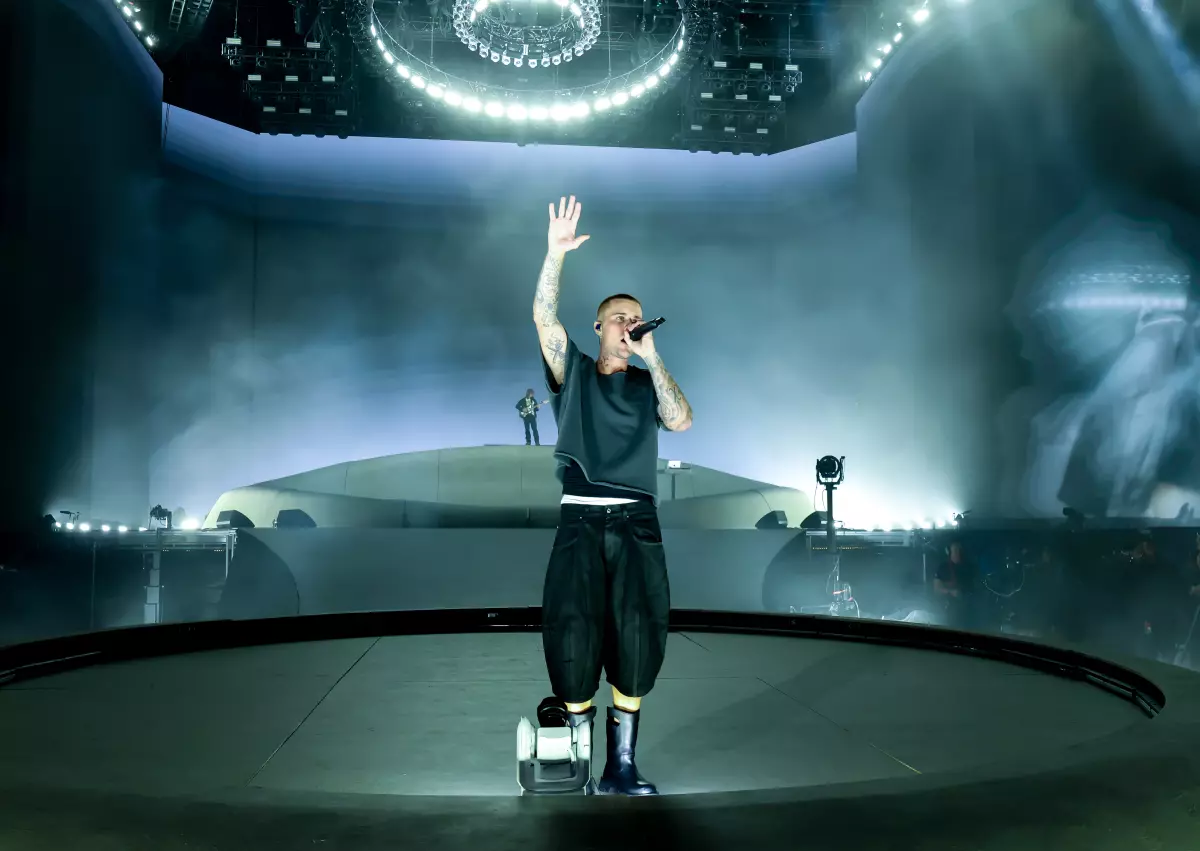
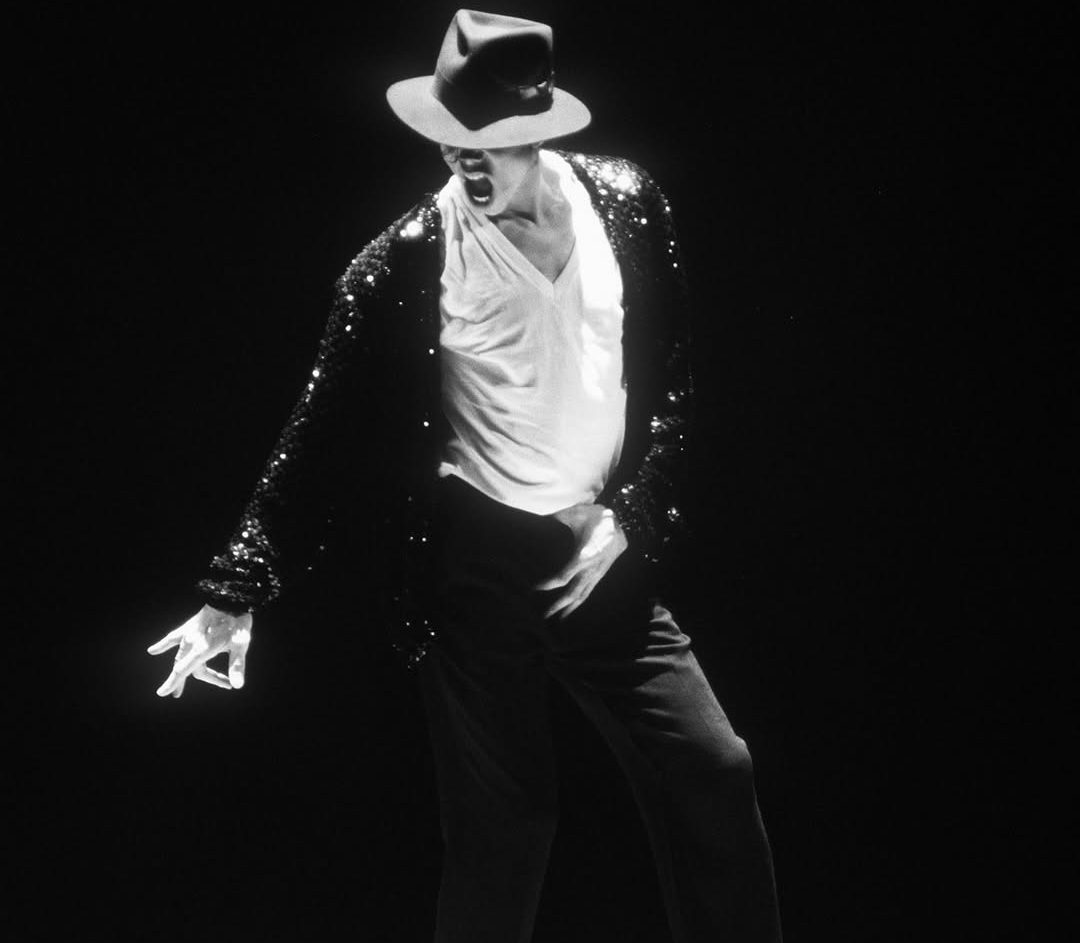
Jaafar Jackson as Michael Jackson in ‘Michael’; Michael Jackson at the opening of ‘Dream Girls’ in 1983.
His performance has been widely noted as a key factor in the film’s emotional resonance, reinforcing the idea that legacy, when properly stewarded, can evolve rather than diminish.
In this sense, the Jackson narrative is no longer confined to archival reverence – it is being actively reinterpreted, re-performed, and reintroduced.
From an industry standpoint, this moment disrupts conventional thinking around catalogue music. Streaming has long been perceived as a space dominated by recency – new releases, viral moments, algorithmic spikes.
Yet Michael Jackson’s current positioning suggests something more enduring: that true cultural capital can override temporal relevance. His music, created in an entirely different technological era, is outperforming artists optimized for the current one. It reframes the conversation from “what’s trending” to “what lasts.”
For Music Custodian, the takeaway is clear; Michael Jackson is not simply a legacy act benefiting from renewed attention – he is a case study in permanence.
His work continues to function as both art and infrastructure within global music culture.
The biopic may have reignited the flame, but the fuel was always there.
And in an industry increasingly driven by speed, virality, and short-lived cycles, his continued dominance serves as a reminder: greatness, when built on innovation and emotional truth, does not expire – it compounds.