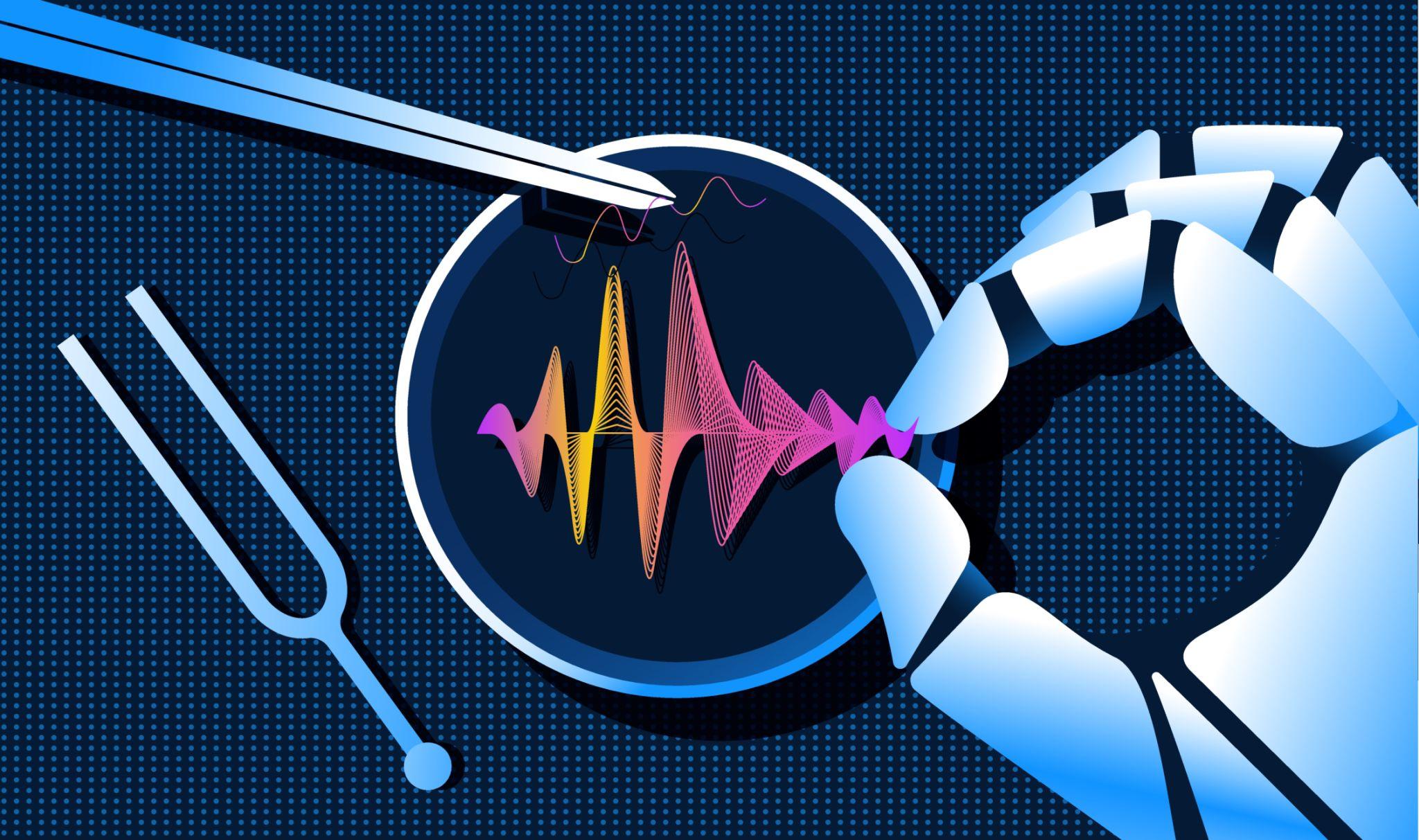
The music industry has encountered disruption before, AI won’t be the first. From the decline of physical sales to the rise of streaming platforms, each technological shift has redefined how music is distributed, consumed, and monetized.
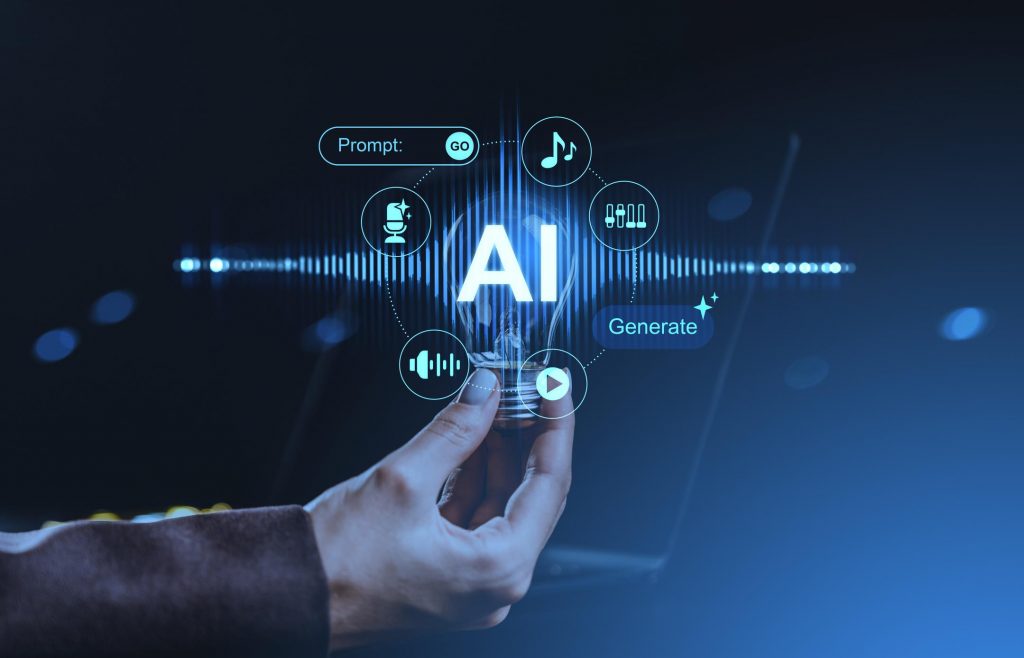
Yet the current moment signals something far more fundamental. Artificial intelligence is no longer operating at the margins of the industry; it is beginning to enter the core of creation itself. AI can now generate melodies, replicate voices, produce full-length compositions, and even simulate the stylistic signatures of established artists.
The question is no longer whether AI will impact music – it already has. The more pressing question is what happens to authorship when creation becomes automated.
At its most basic level, music has always been an extension of lived experience. It is shaped by geography, memory, emotion, and cultural context. From the percussive traditions of West Africa to the improvisational language of jazz, music has historically carried the imprint of human existence.
AI, by contrast, operates through pattern recognition. It does not feel; it processes. It does not remember; it retrieves. This distinction introduces a fundamental tension: while AI can replicate the form of music with increasing accuracy, it cannot originate the conditions that give music meaning.
What we are witnessing, therefore, is not simply the evolution of a tool, but the emergence of a system that challenges the very definition of artistic authenticity.
This tension becomes particularly evident in the growing phenomenon of AI-generated vocals and deepfake recordings. Artists’ voices – once considered deeply personal and biologically anchored – are now being cloned, manipulated, and deployed in contexts they did not authorize.
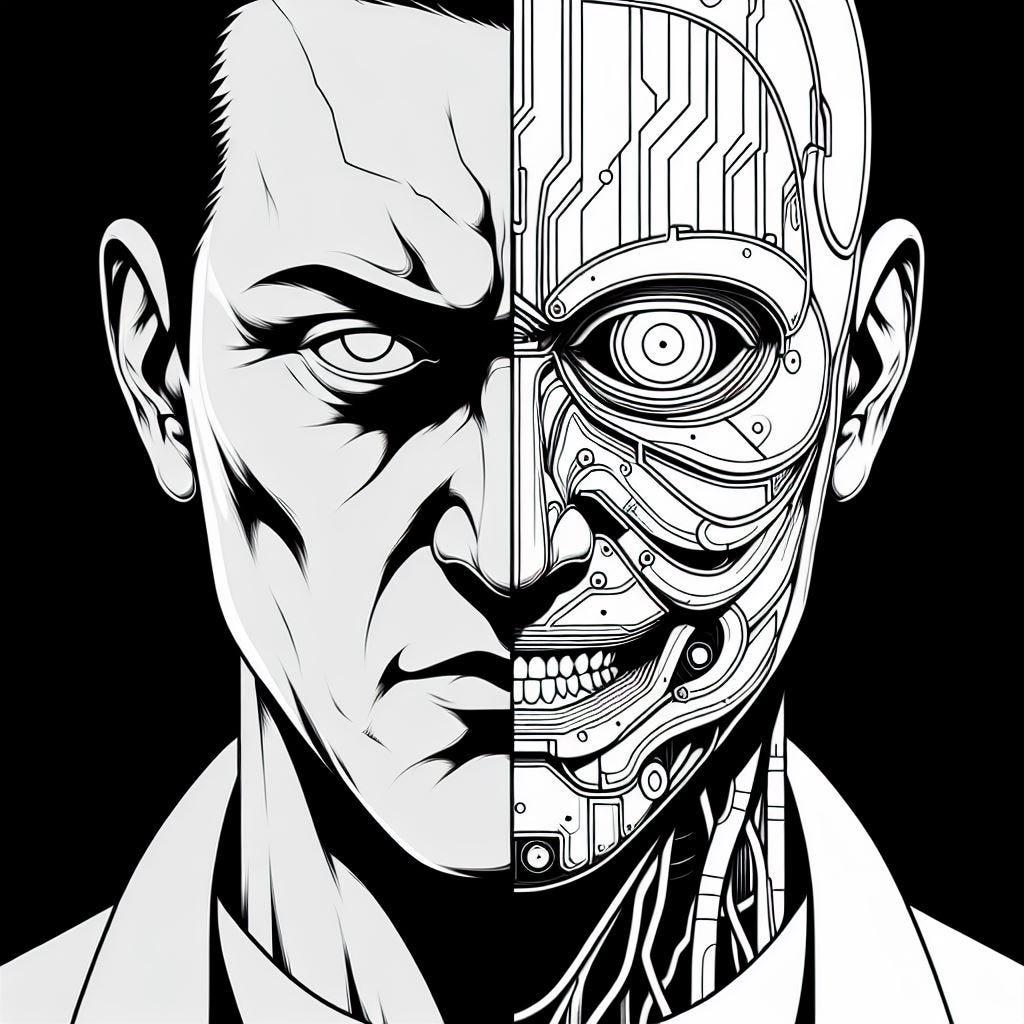
In some cases, listeners engage with these recordings without even realizing their artificial origins. This blurring of boundaries between the real and the synthetic raises complex ethical questions. Who owns a voice? Can an artist’s identity be separated from their vocal imprint? And perhaps most critically, what happens when audiences become indifferent to the distinction?
From an industry perspective, the implications are equally significant. Record labels, publishers, and streaming platforms are now confronted with the challenge of regulating a form of creation that exists outside traditional frameworks.
Copyright law, which has historically been built around human authorship, struggles to accommodate works generated by algorithms. At the same time, AI offers undeniable efficiencies: faster production cycles, reduced costs, and the ability to generate content at scale. For an industry already driven by metrics and output, the temptation to prioritize volume over depth becomes increasingly pronounced.
Yet within this acceleration lies a deeper risk. Music, when reduced to content, loses its cultural weight. The danger is not that AI will replace artists entirely, but that it will normalise a form of music that is technically proficient yet emotionally vacant.
In such a landscape, the distinction between art and output begins to erode. Listeners may continue to consume, but the relationship between creator and audience becomes increasingly abstract – detached from the shared human experiences that have historically defined musical connection.
For African music, this moment presents both vulnerability and resilience. On one hand, the global success of Afrobeats and related genres makes them prime targets for algorithmic replication. Rhythmic patterns, melodic structures, and even vocal textures can be analyzed and reproduced at scale. On the other hand, much of African music remains deeply rooted in lived experience – language, community, spirituality, and socio-political context.
These are elements that resist easy replication. While AI may approximate the sound, it struggles to capture the soul – the intangible quality that emerges from context and consciousness.
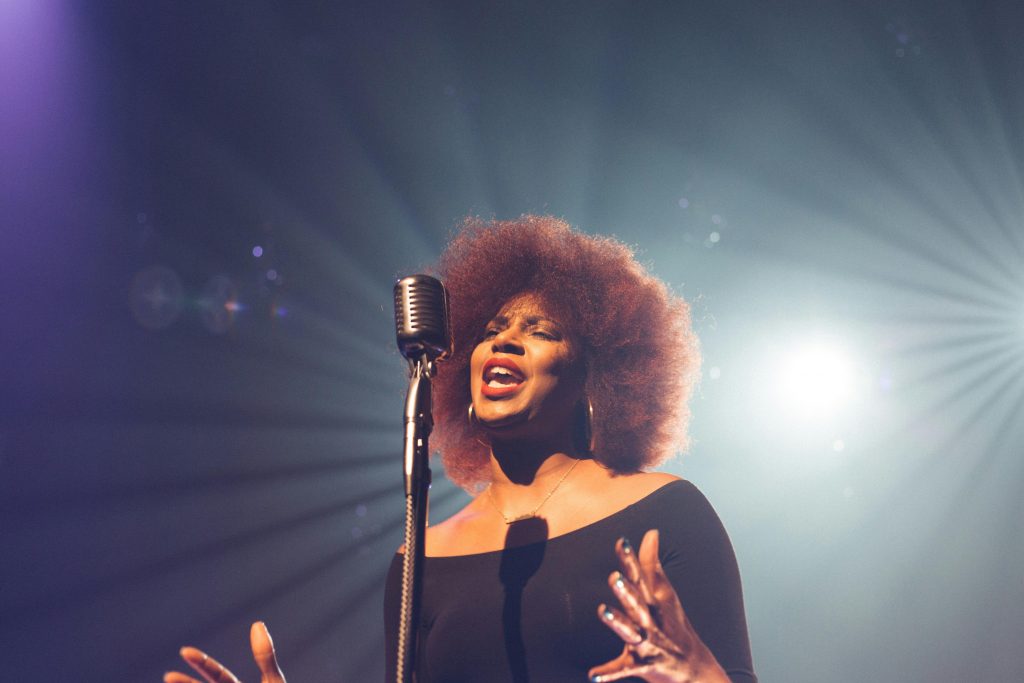
There is also a generational dimension to consider. Younger audiences, raised within digital ecosystems, are often more receptive to technological integration in creative fields.
For them, the distinction between human-made and machine-generated content may feel less rigid. This does not necessarily indicate a decline in taste, but rather a shift in perception.
The challenge for artists, then, is not to resist technology outright, but to assert the value of human authorship within it – to create work that cannot be easily replicated because it is rooted in specificity, vulnerability, and truth.
In response to these developments, some artists have begun to incorporate AI as a collaborative tool rather than a replacement. Used thoughtfully, AI can enhance creativity – generating ideas, assisting with production, and expanding sonic possibilities.
The distinction lies in authorship. When AI is guided by human intention, it remains a tool. When it operates independently, it becomes something else entirely: a parallel system of creation that exists without lived experience.
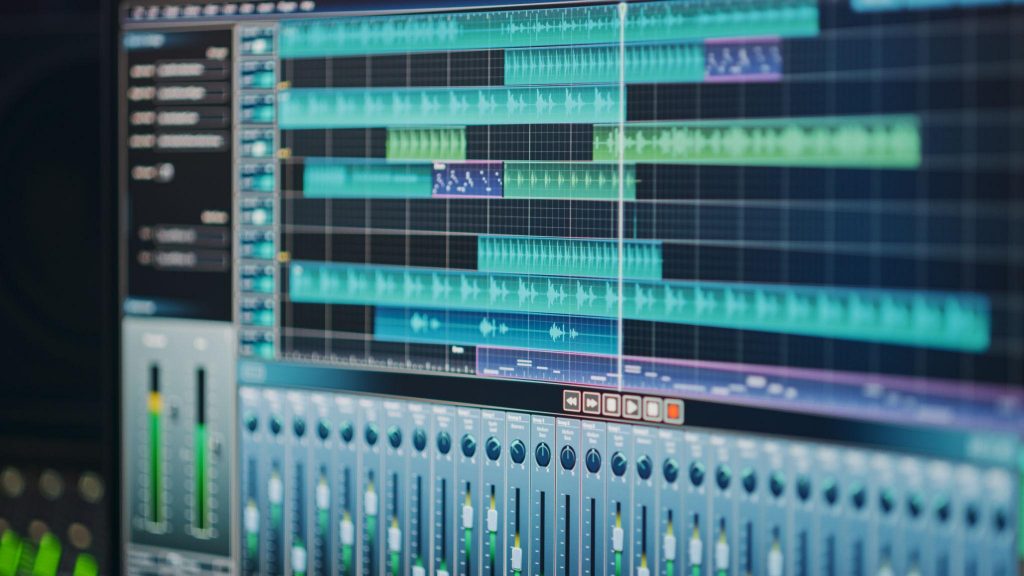
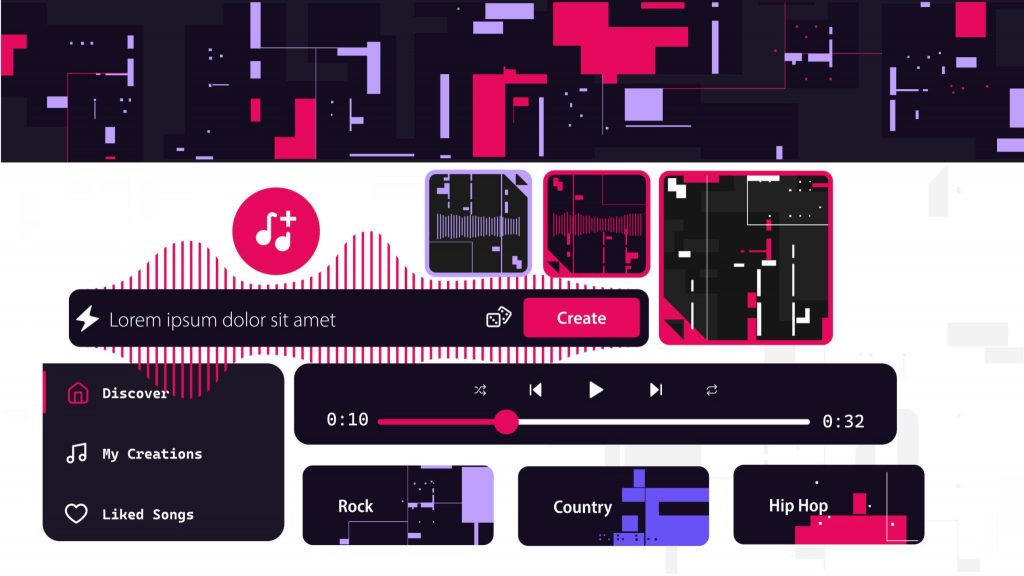
Ultimately, the future of music will not be determined by whether AI can make songs – it already can. The more consequential question is whether audiences will continue to value the human element that has historically defined music as an art form.
In an era where anything can be generated, authenticity becomes not just an artistic choice, but a cultural currency.
For Music Custodian, this moment represents a critical inflection point. As the industry navigates the intersection of technology and creativity, the responsibility to document, interpret, and preserve the essence of human expression becomes even more urgent.
AI may reshape the mechanics of music, but culture is not built on mechanics alone. It is built on memory, emotion, and lived experience – elements that cannot be coded, only carried.