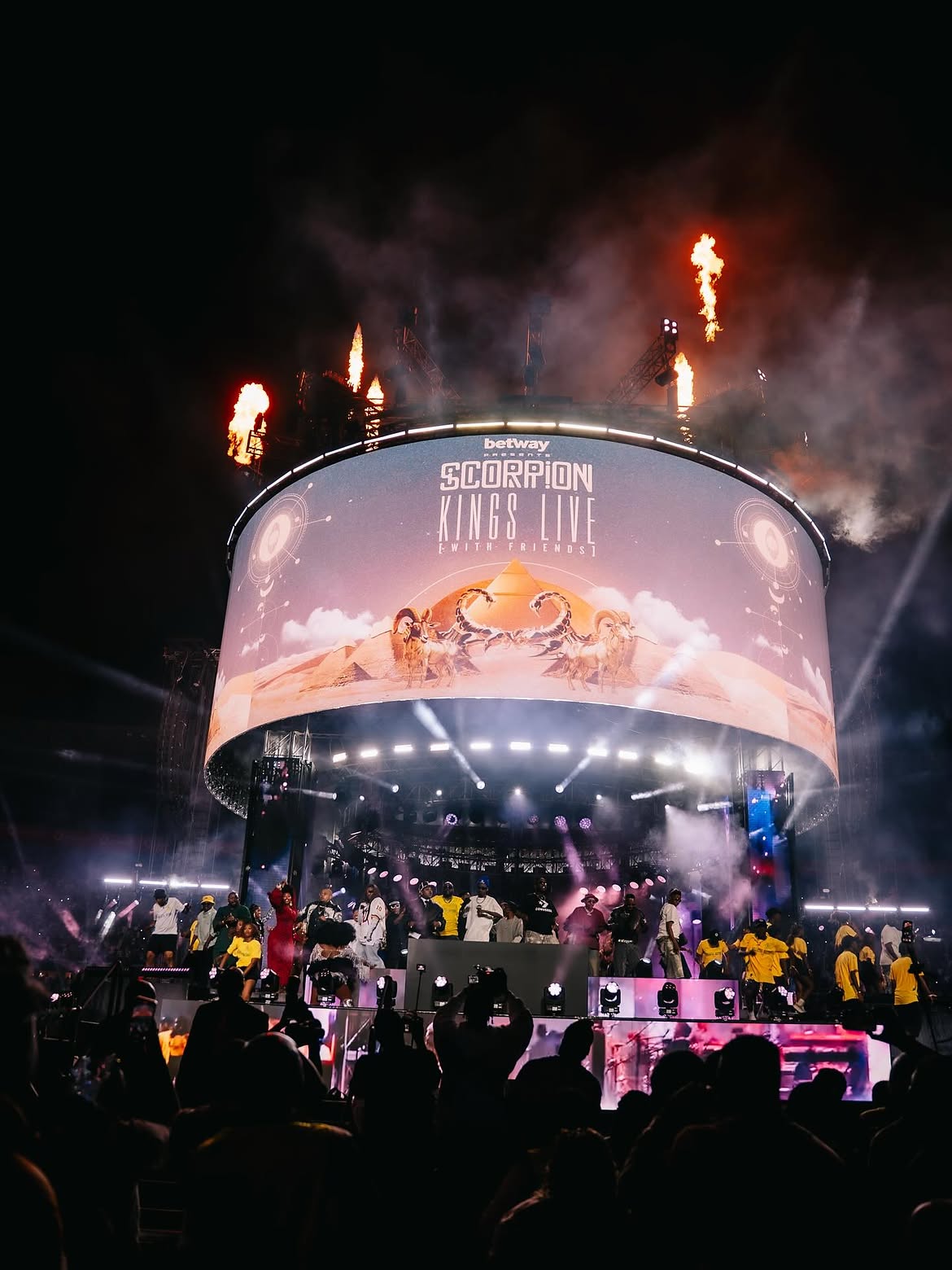
It would be easy to describe the moment simply as another milestone in Amapiano’s extraordinary rise, but filling FNB Stadium tells us that Amapiano is popular.
As Kabza De Small and DJ Maphorisa prepare to bring Scorpion Kings Live to more than 70,000 people at Johannesburg’s FNB Stadium, Amapiano’s journey is becoming about more than global influence. It is increasingly building the live infrastructure, labour economy and commercial ecosystem capable of carrying the culture at home.
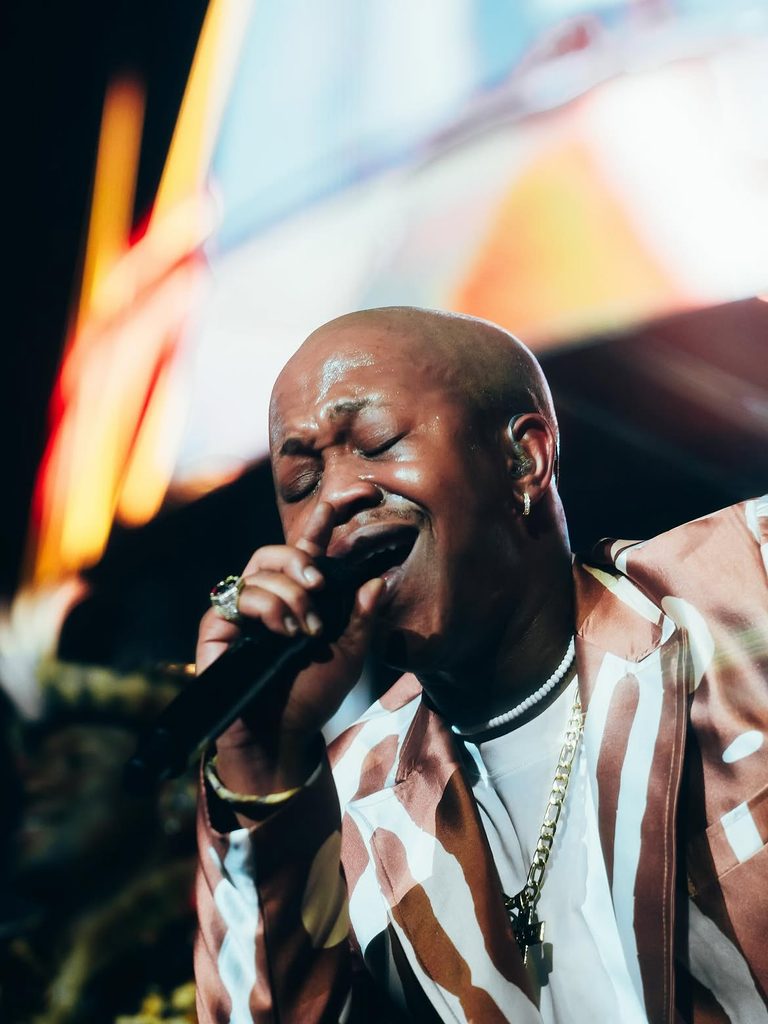
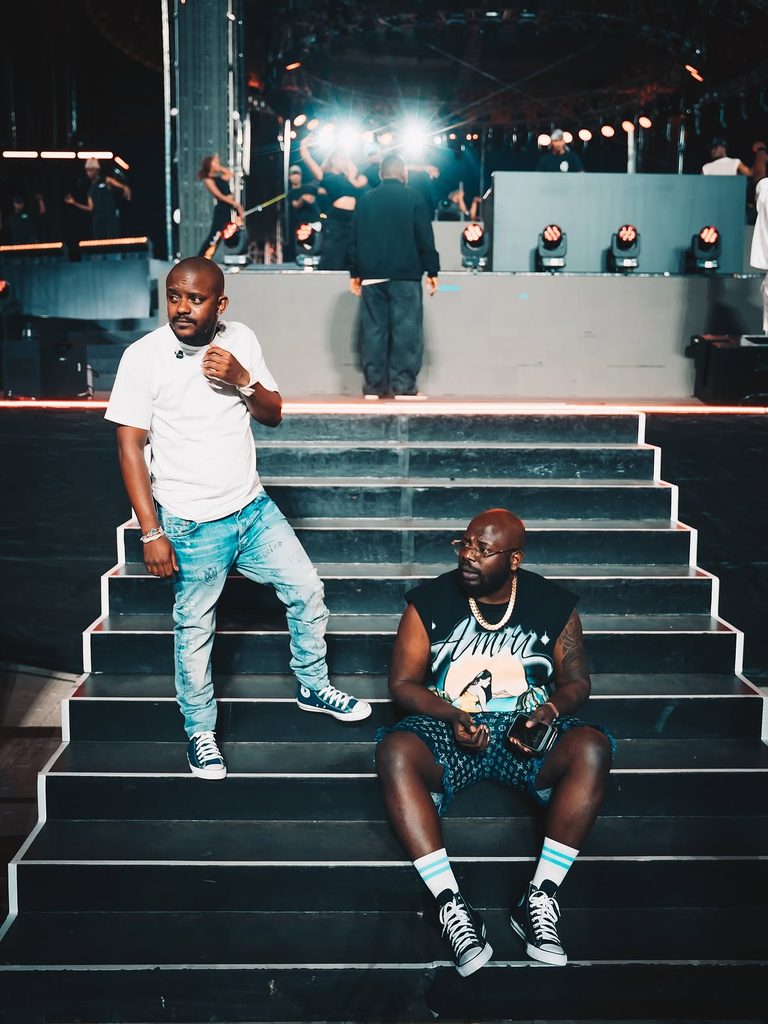
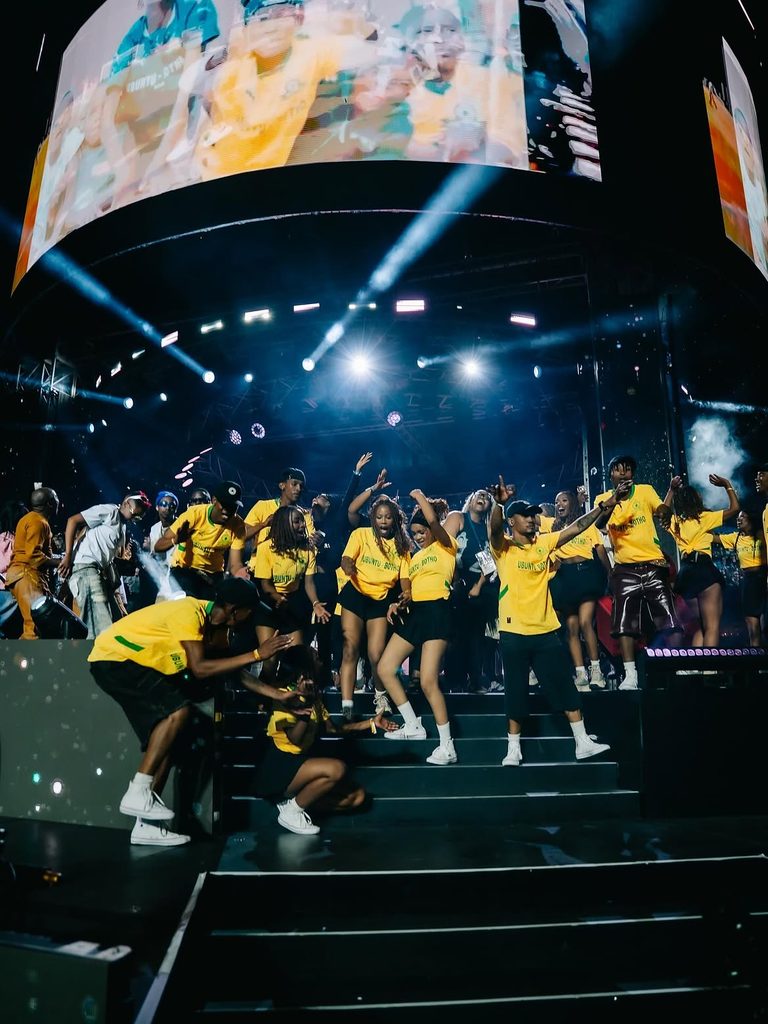
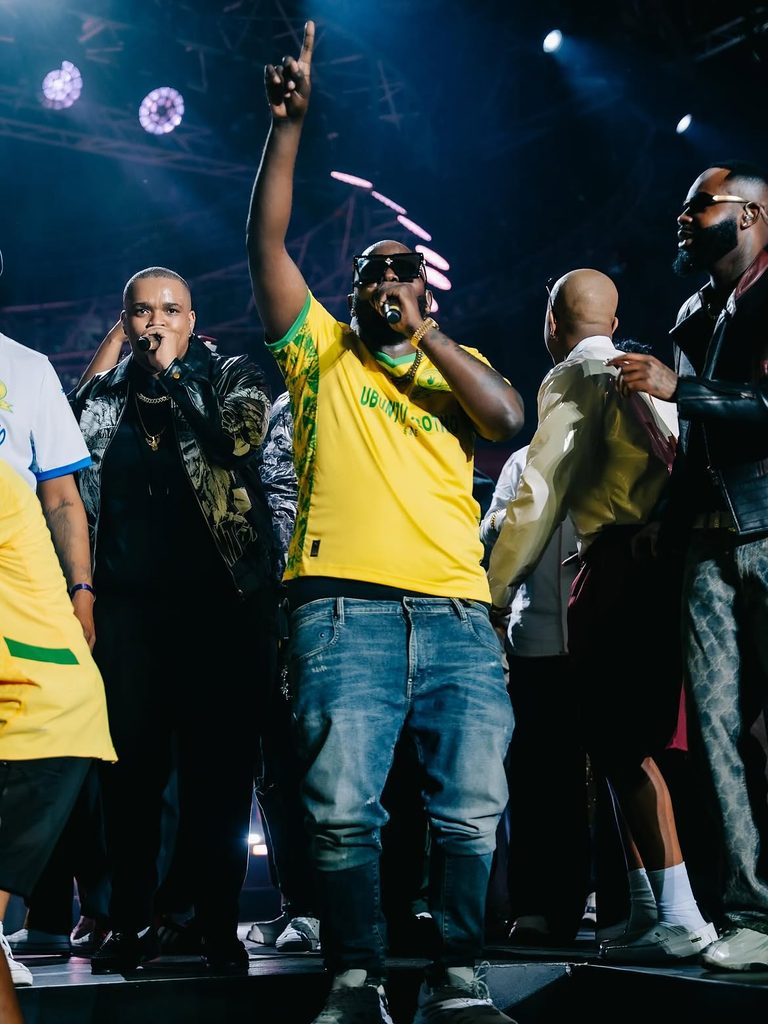
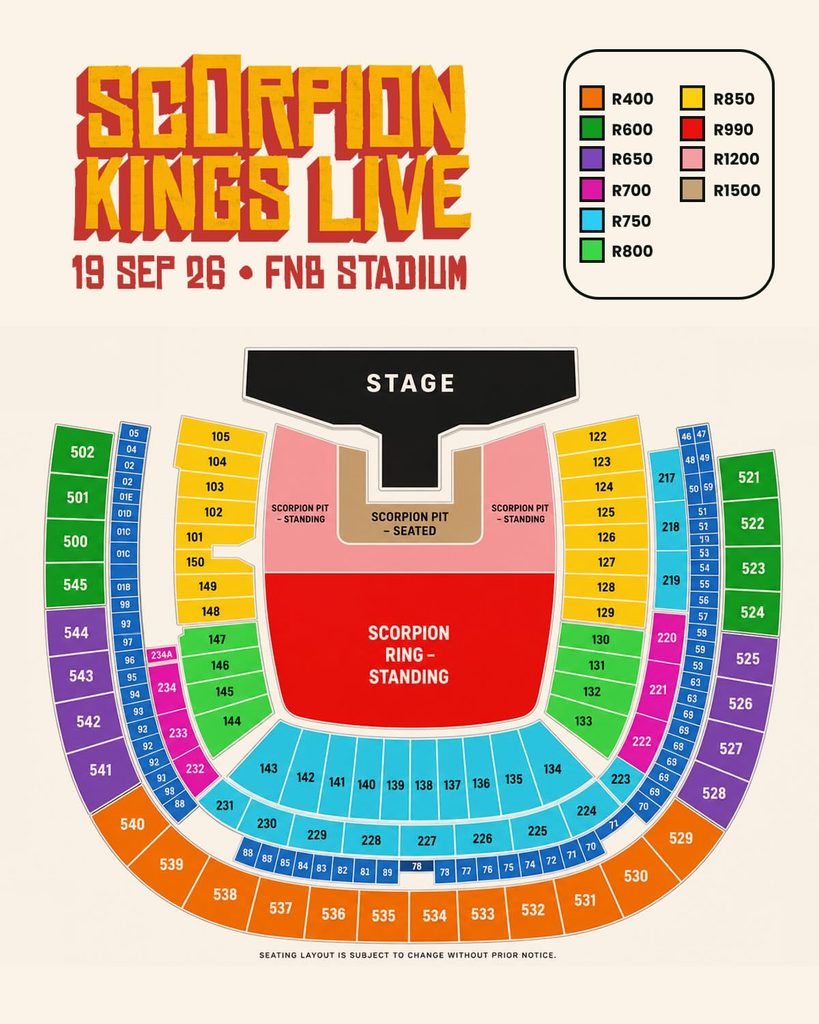
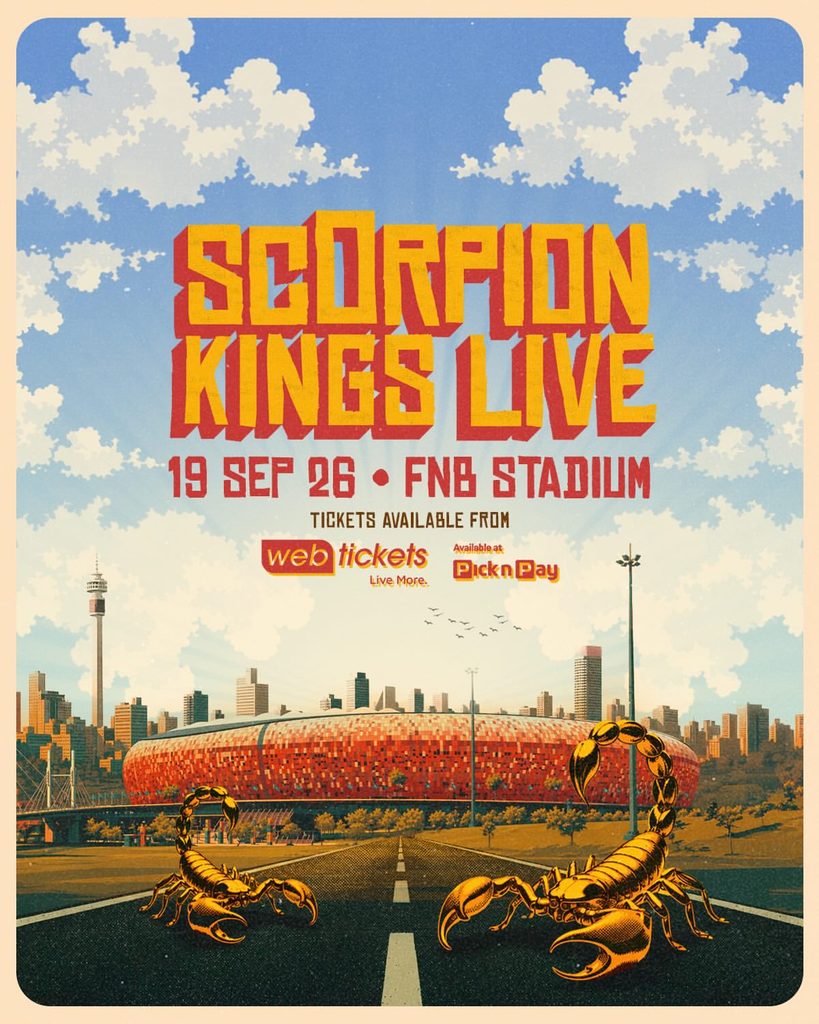
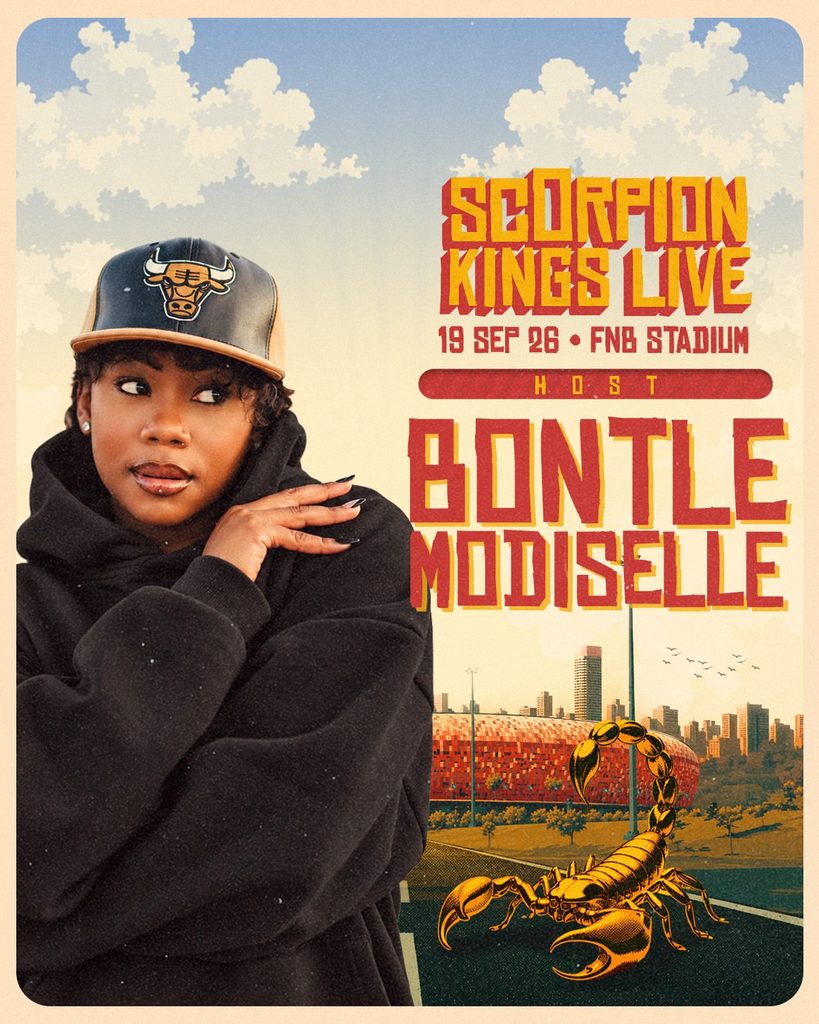
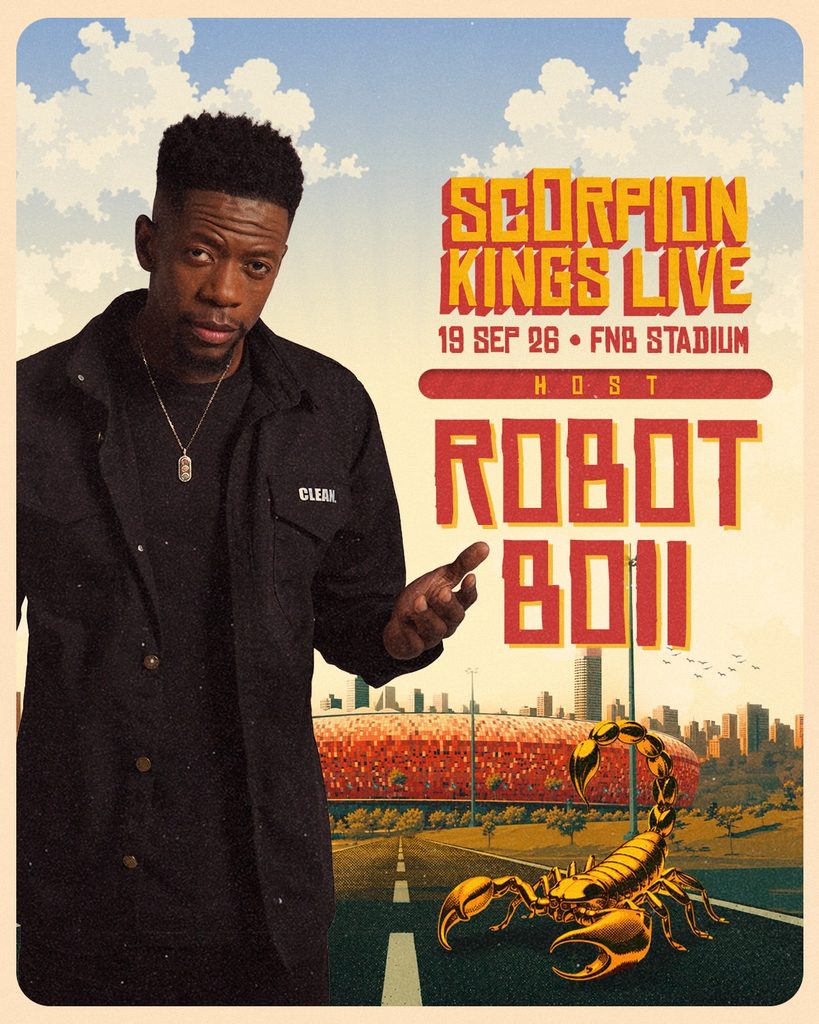
On Saturday, 19 September, more than 70,000 people are expected to gather inside Johannesburg’s FNB Stadium for Scorpion Kings Live: A Family Affair, led by Kabza De Small and DJ Maphorisa.

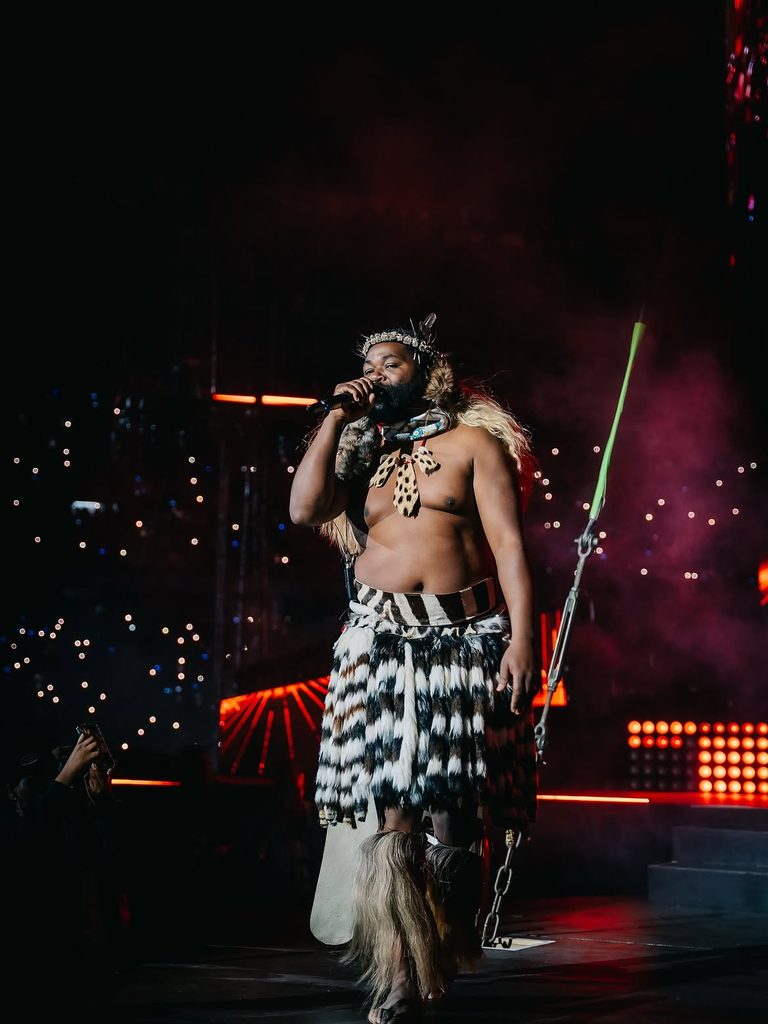
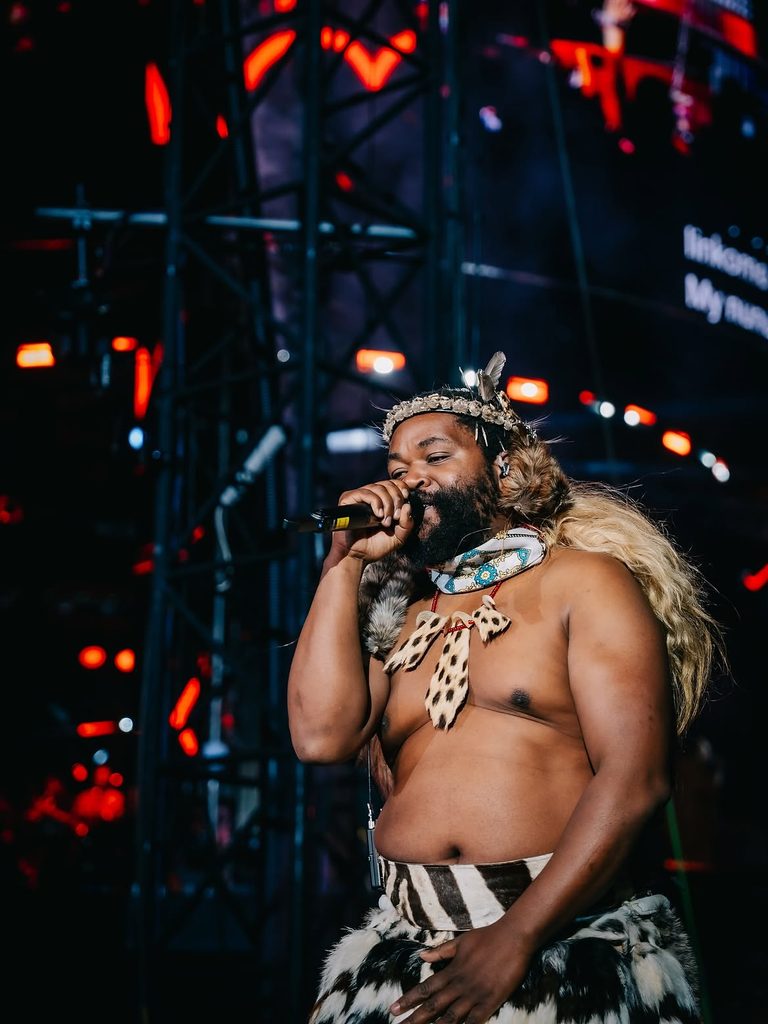
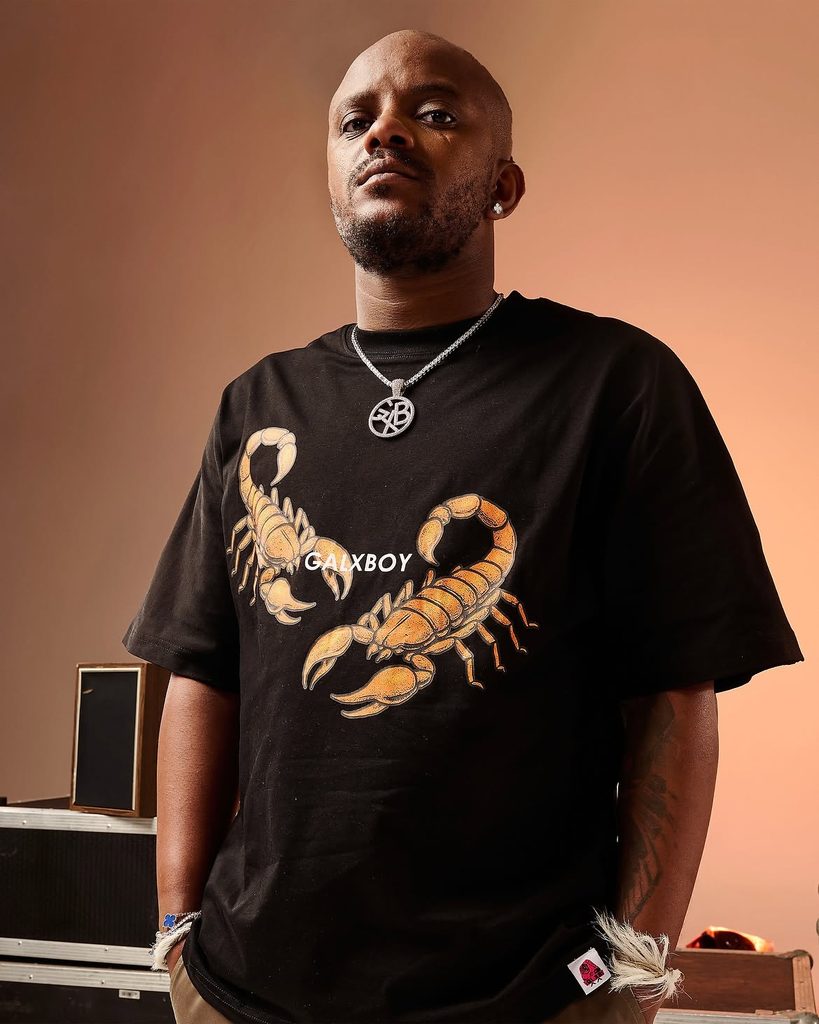
More than 50 performers are billed across Amapiano, Afro-soul, hip-hop, house and contemporary South African music. Tickets began at R400. SABC1 is attached as broadcast partner, GalXBoy as merchandise distribution partner and Gautrain as transport partner, alongside commercial activations involving RocoMamas, McCafé, Sprite and Castle Lite.
It would be easy to describe the moment simply as another milestone in Amapiano’s extraordinary rise.
But filling FNB Stadium tells us that Amapiano is popular.
What happens around filling FNB Stadium tells us whether Amapiano is becoming an economy.
And that may ultimately be the more consequential story.
The Stadium Is Not Where the Economy Begins
Amapiano did not suddenly become economically significant when it became capable of entering a stadium.
Long before the genre became an international export, an ecosystem had already formed around it: producers working from home studios, DJs circulating music through parties and digital networks, vocalists moving between collaborators, dancers translating records into movement, photographers documenting nightlife, promoters creating spaces for audiences and local businesses participating in the social economy surrounding those spaces.
The stadium is therefore not the beginning of Amapiano’s economy.
It is one of the clearest demonstrations yet of how large that economy has become.
Kabza De Small and DJ Maphorisa themselves locate the genre’s history within small spaces and South African communities. Speaking ahead of the FNB show, Kabza described music first experienced in intimate environments before reaching enormous audiences, while Maphorisa argued that the production may become larger without requiring the cultural DNA of Amapiano to disappear.
That journey – from community spaces and studios into one of the continent’s most recognizable stadiums – changes more than audience capacity.
It changes the amount of infrastructure required to carry the culture.
The Stadium Has a Payroll
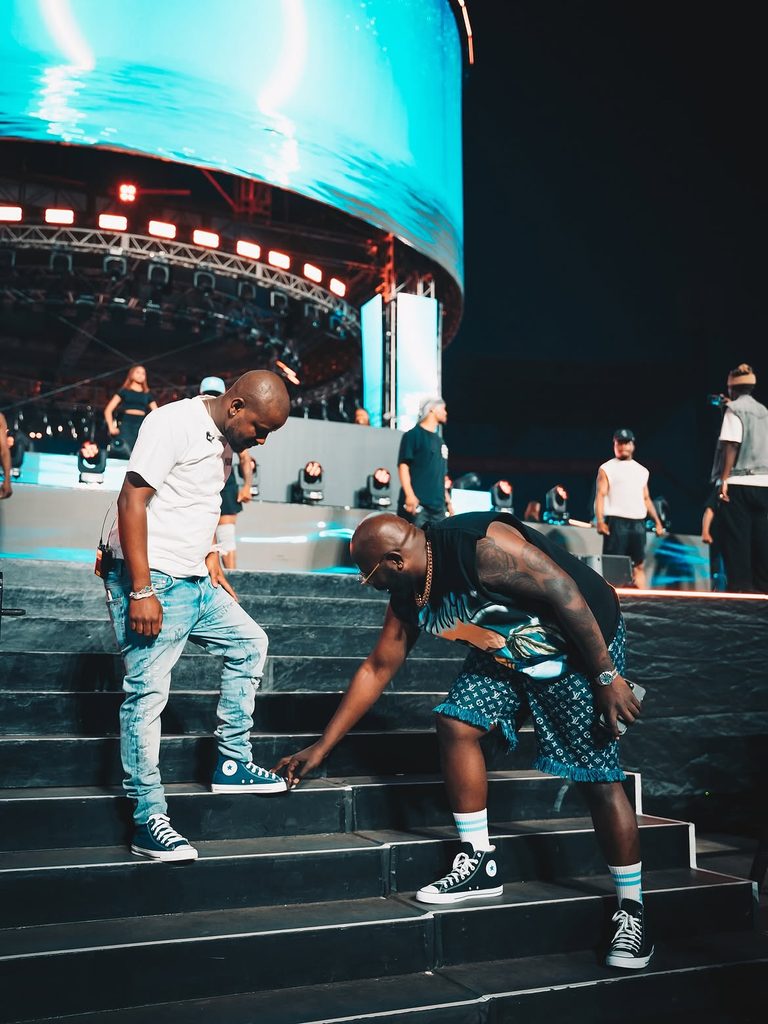
Behind a stadium concert is labour.
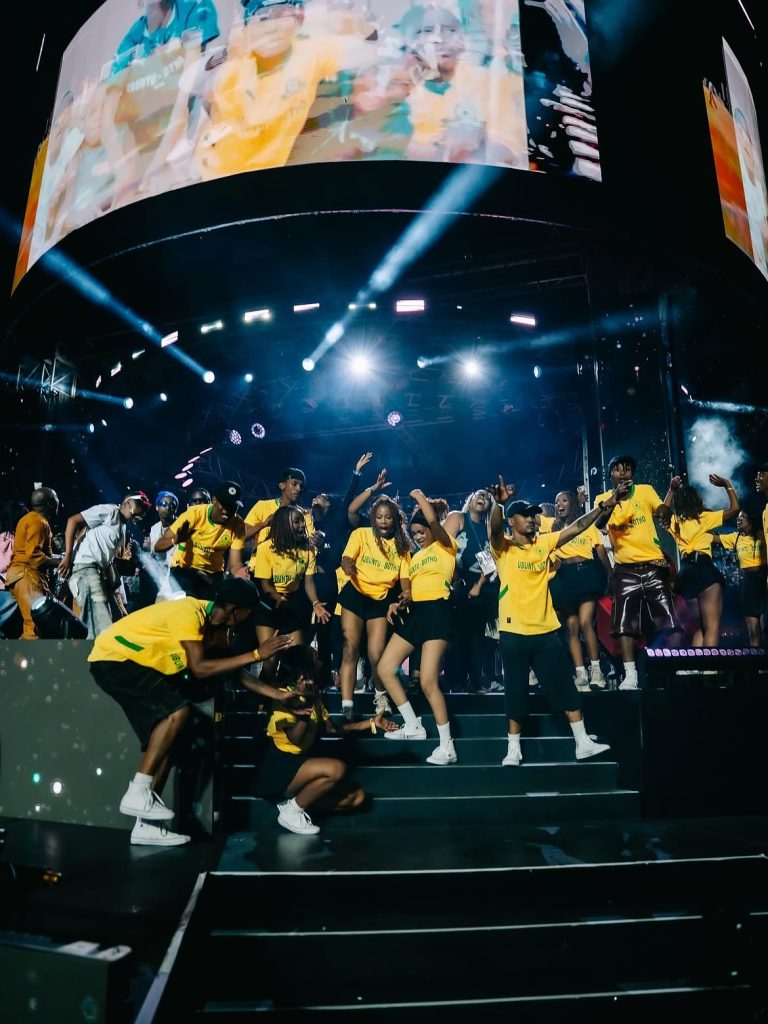
Sound engineers. Lighting technicians. Stage crews. Security personnel. Producers. Vocalists. Musicians. Dancers. Photographers. Videographers. Promoters. Hospitality workers. Transport operators. Vendors. Event coordinators.
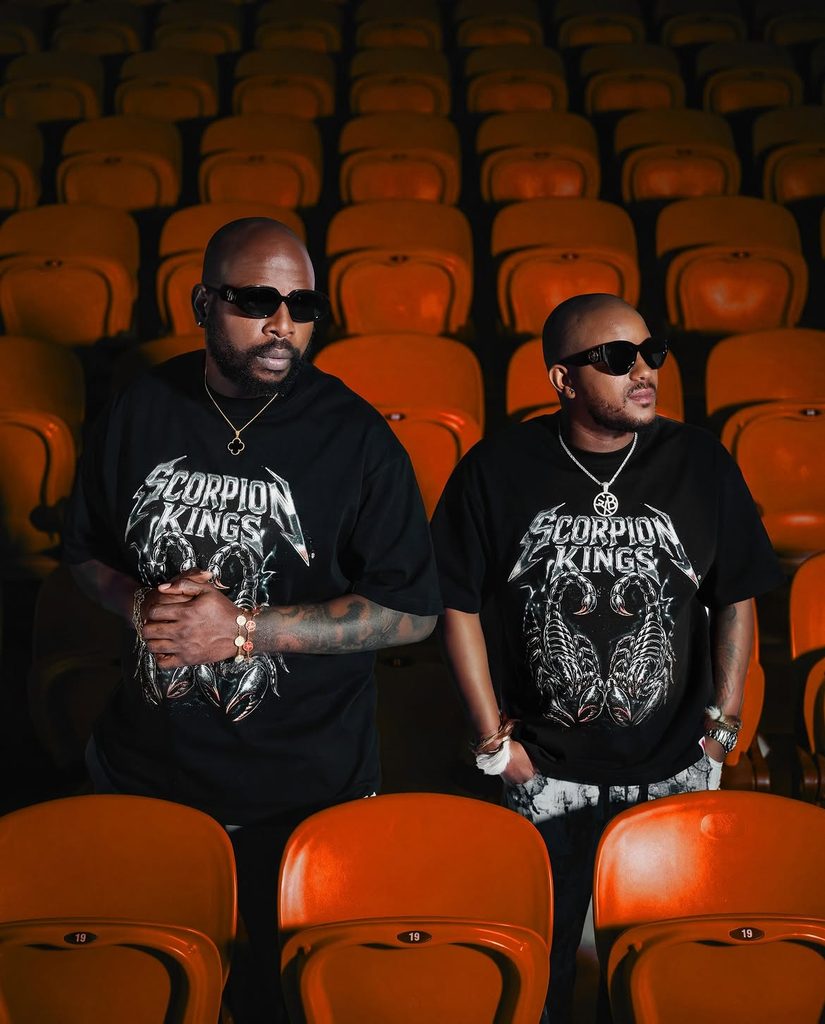
Maphorisa has described precisely this network ahead of the show, arguing that Amapiano cannot be reduced to the artists whose names appear on posters. Kabza similarly points to the collaborative nature of the studio itself: one person produces, another contributes vocals, another melody or instrumentation.
At stadium scale, that collaborative culture becomes economic infrastructure.
And there is measurable evidence.
In 2025, South Africa’s National Youth Development Agency announced a partnership with Scorpion Kings intended to provide 150 young South Africans with practical creative-industry experience, including event coordination and front-of-house operations. The agency said at the time that more than 1,000 jobs had already been created through the Scorpion Kings event, primarily employing young people.
Suddenly, the phrase A Family Affair begins to mean something beyond branding.
A stadium has a payroll.
And when African music generates enough demand to activate that payroll, its cultural influence is also becoming an employment story.
Amapiano Is Learning to Own the Room
Much of African music’s international success is understandably measured through movement outward.
Streams.
International festivals.
European tours.
American collaborations.
Global charts.
Foreign awards.
These remain meaningful measurements of expansion. But they can sometimes obscure another important question:
What is African music capable of building at home?
FNB Stadium offers one answer.
Rather than South African music entering infrastructure created around an international superstar, domestic cultural demand itself becomes capable of activating one of the country’s largest entertainment spaces.
The distinction matters.
African artists succeeding inside global systems demonstrates reach.
African audiences sustaining large-scale African cultural infrastructure demonstrates power of another kind.
This is where Amapiano’s evolution becomes particularly interesting.
The genre is no longer simply travelling through infrastructure.
Increasingly, infrastructure is reorganising itself around the genre.
From Songs to Consumer Ecosystems
Look around the FNB event and the expansion becomes visible.
There is an official broadcast relationship.
There is merchandise.
There are transport arrangements.
There are food activations.
There are beverage partners.
There is hospitality.
There are brand relationships.

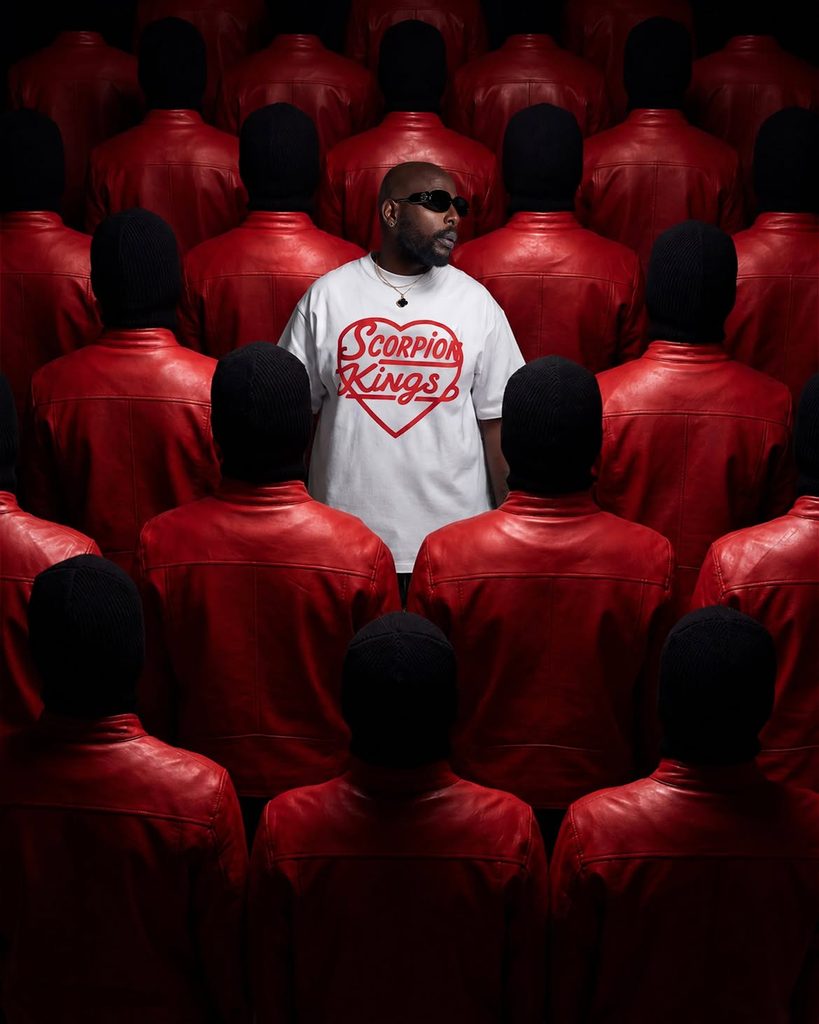

There are thousands of consumers whose movement through Johannesburg on Saturday exists because music has given them somewhere to be.
The official event ecosystem identifies SABC1, GalXBoy and Gautrain across broadcast, merchandise and transport respectively, alongside food, beverage and activation partners.
That creates a considerably longer economic chain than:
artist → song → stream.
It begins looking more like:
music → audience → tickets → production → employment → transport → food → fashion → hospitality → media → brands → cultural capital.
The music remains the engine.
But an economy is beginning to assemble around the engine.
Collaboration Is Becoming Infrastructure
There is another reason Amapiano may have been particularly capable of producing this kind of ecosystem.
Collaboration isn’t merely something the genre does occasionally.
It is embedded deeply within how the music moves.
Producer meets vocalist. Vocalist appears across projects. DJs circulate records. Dancers translate songs into visual culture. Artists build around one another’s audiences. Producers become performers. Performers become brands. Songs become social behaviour.
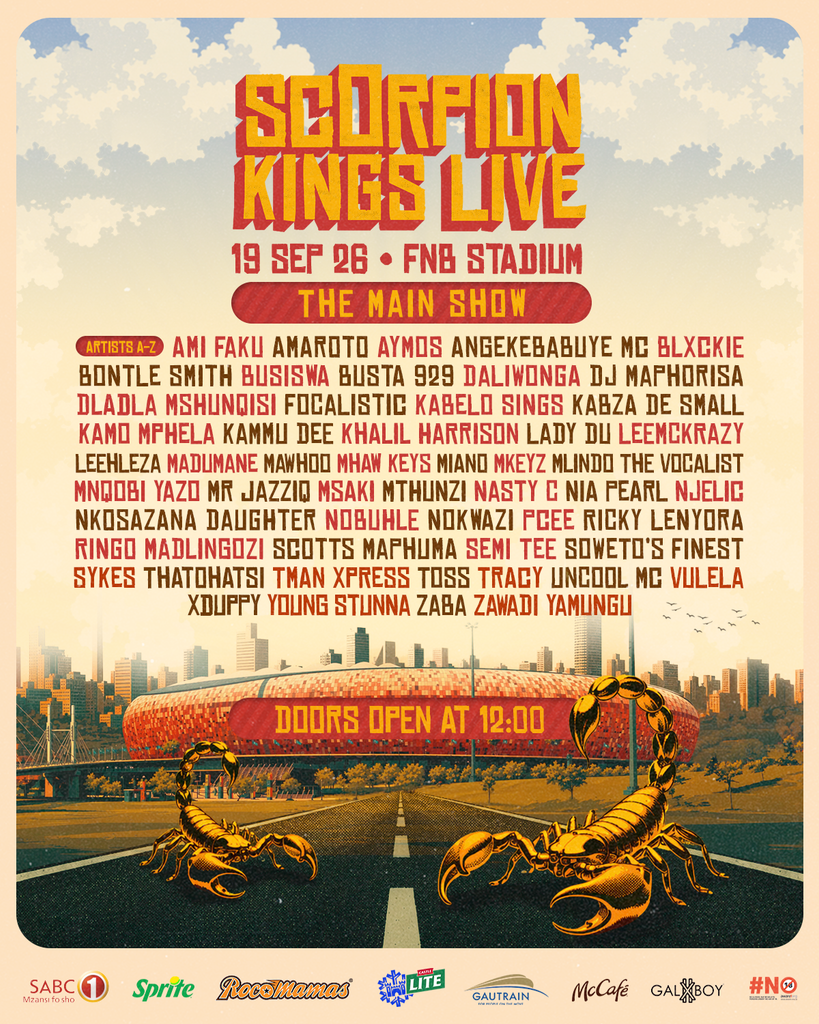
The extraordinary FNB lineup reflects some of that interconnectedness. More than 50 names stretch across generations and neighbouring South African sounds, including Young Stunna, Focalistic, Kamo Mphela, MaWhoo, Nasty C, Msaki, Ami Faku, Mr JazziQ, Nkosazana Daughter, Daliwonga and many others.
Perhaps Amapiano’s collaborative character is therefore not only an artistic feature.
It may also be part of its economic architecture.
When networks grow together, success does not necessarily have to stop with one artist.
It can travel through the network.
But Visibility Is Not Ownership
There is, however, a danger in turning the stadium into an uncomplicated victory lap.
Seventy thousand people gathering around South African music is evidence of demand.
It does not automatically tell us who captures the value created by that demand.
Who owns the event intellectual property?
Who owns the production infrastructure?
Who controls distribution?
How much sponsorship revenue remains within African-owned businesses?
How are performers and technical workers compensated?
Who owns the companies supplying staging, ticketing, hospitality and technology?
Can independent promoters access the same infrastructure?
And when Amapiano travels internationally, how much of the economy surrounding its popularity travels with it?
Those questions matter because visibility and ownership are not the same achievement.
A cultural movement can become globally influential while much of the infrastructure monetising that influence belongs elsewhere.
Maphorisa appears conscious of the distinction. Asked what should come after stadium-scale success, he pointed not simply toward larger venues but toward studios, labels, opportunities for producers, rights education and more businesses owned by people from the communities producing the culture.
That may be the most important ambition surrounding FNB.
Not simply bigger.
More owned.
From Cultural Movement to Cultural Infrastructure
For years, Amapiano’s international story has been told through its movement.
From South Africa to London.
From Johannesburg to Lagos.
From dance floors to TikTok.
From local collaborations to international festivals.
But perhaps another chapter is beginning.
One in which the question is no longer simply how far Amapiano can travel, but what can be built around it once the audience arrives.
On Saturday, the lights inside FNB Stadium will inevitably focus on Kabza De Small, DJ Maphorisa and the enormous constellation of South African artists surrounding them.
But beyond the stage will exist another story.
Workers.
Businesses.
Transport.
Broadcasting.
Food.
Fashion.
Brands.
Production.
Technology.
Hospitality.
Thousands of people participating in an economy because South African music convinced more than 70,000 people to gather in one place.
The log drum travelled.
The audience followed.
Now the infrastructure is learning how to follow the audience.
And perhaps that will become one of Amapiano’s most important contributions to African popular culture: not simply proving that a sound born from South African communities can travel around the world, but demonstrating that African cultural demand can become large enough to build economies around itself.