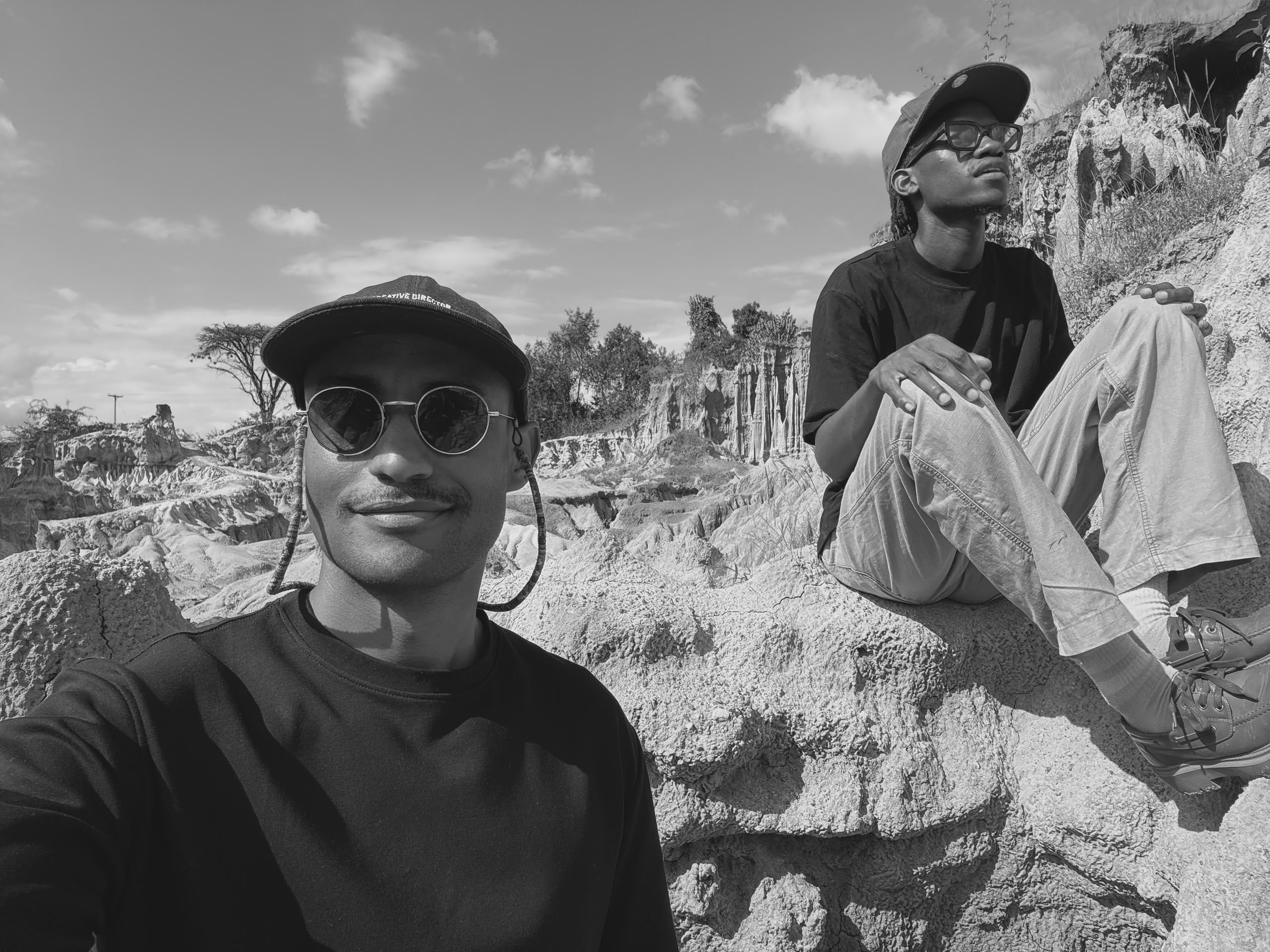
Cinq Music Group is expanding its footprint in African music through a new distribution and artist-services partnership with Nairobi-based Soul HQ, bringing Xenia Manasseh, AYLØ and Altair Saïd into a global infrastructure designed to connect locally developed African talent with international audiences.
Barely a month after announcing a partnership with D’Banj’s C.R.E.A.M platform in Nigeria, Cinq Music Group is turning further east. The Los Angeles-headquartered independent music company has entered a new partnership with Soul HQ, the Nairobi-based artist-development and creative-services company founded by Faiza Hersi, extending Cinq’s growing network of relationships across African music while placing East Africa more firmly within that expansion.
Under the partnership, Soul HQ will bring its locally developed expertise across management, A&R, mentorship and label services into Cinq’s international distribution, marketing and artist-services infrastructure. The objective is straightforward but increasingly important: giving African artists greater access to global systems without requiring them to abandon the identities, teams and creative foundations developed within their home markets.
For Cinq, it represents another investment in African music.
For Soul HQ, however, it also represents the next stage of an infrastructure that has been years in the making.
From Nairobi R&B to Soul HQ
Long before the international partnership arrived, Hersi had already identified a gap within Nairobi’s music ecosystem.
She founded Nairobi R&B in 2019 after recognising that artists operating within R&B and alternative spaces needed stronger platforms for performance, discovery and community. The event series subsequently brought international and regional artists into conversation with Kenyan talent, helping create stages where artists including Xenia Manasseh and Karun could exist alongside visiting acts.
When the pandemic interrupted the live-events business, that vision evolved.
Hersi and collaborator Emily Awino launched Soul Headquarters in 2021, initially as an artist-management agency before expanding its operations into PR, distribution and label services. Music Custodian previously documented that evolution while profiling Hersi among the women helping shape African music behind the scenes.
That history makes the Cinq partnership particularly significant.
Soul HQ isn’t being introduced into East Africa to discover whether an R&B ecosystem exists. It emerged from that ecosystem itself.
And now international infrastructure is meeting it there.
Xenia Manasseh, AYLØ and Altair Saïd Lead the First Chapter
The first three artists set to launch globally through the partnership are Xenia Manasseh, AYLØ and Altair Saïd, representing a corner of contemporary African music that has often existed outside the louder global conversation surrounding Afrobeats and amapiano.
Their selection is revealing.
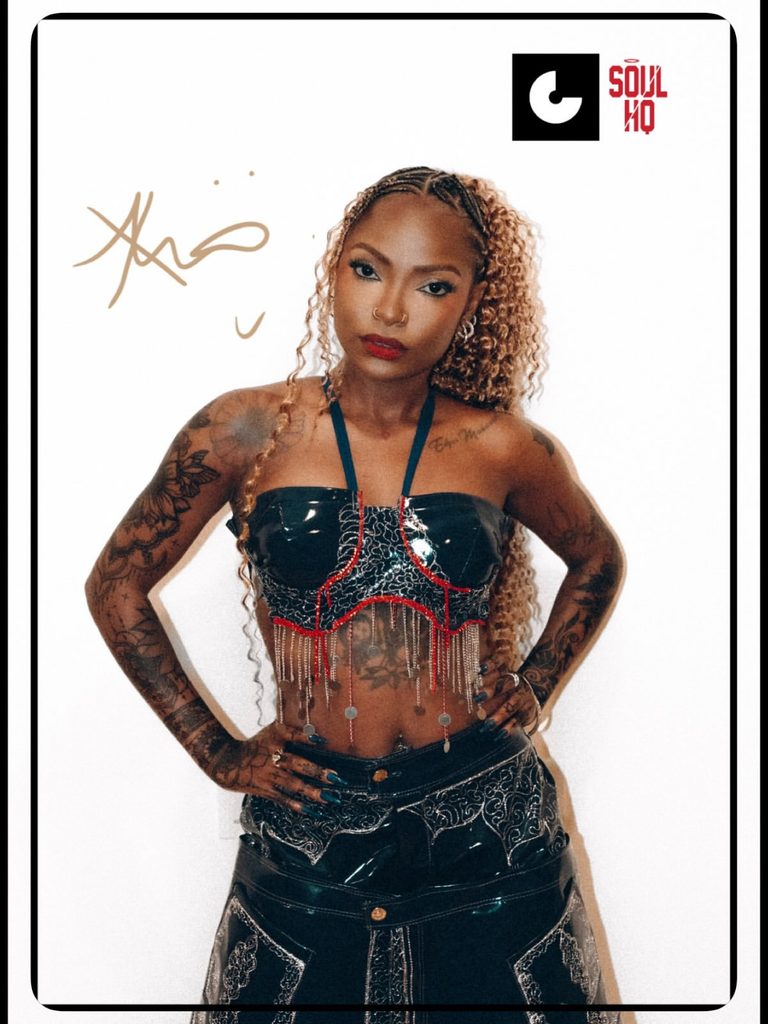
Xenia Manasseh has become one of Kenya’s recognisable contemporary R&B voices, developing a catalogue that moves between soul, R&B and alternative African music while increasingly collaborating beyond Kenya. Her work has previously reached international platforms including COLORS, while Spotify featured her among the African R&B creatives participating in its COLORSxSTUDIOS collaboration.
AYLØ similarly occupies the alternative end of the African music spectrum. His relationship with Soul HQ predates this latest partnership, with previous releases including Warm appearing under the Soul HQ imprint.
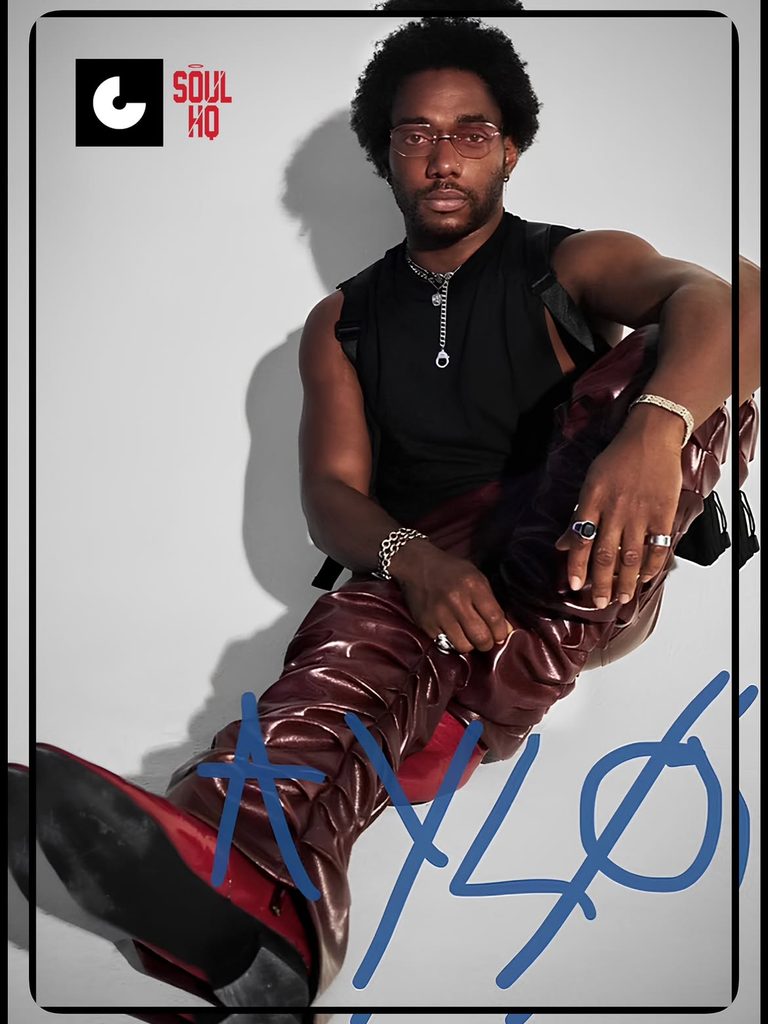
Altair Saïd, meanwhile, represents an earlier stage of that development pipeline – and appropriately becomes the artist entrusted with opening the partnership’s release chapter.

Altair Saïd Opens the Door With “So Easy”
The first official release under the new Cinq and Soul HQ arrangement arrived on August 14 with Altair Saïd’s “So Easy.”
Built around warm, atmospheric production and intimate vocals, the record explores love through a contemporary R&B framework while drawing on the classic soul sensibilities at the centre of Saïd’s developing artistic identity.

According to the announcement, So Easy is only the beginning. Additional releases are expected from the Soul HQ roster over the coming months, with full EPs from the participating artists planned for later in the year.
That makes Saïd’s release more than another single campaign.
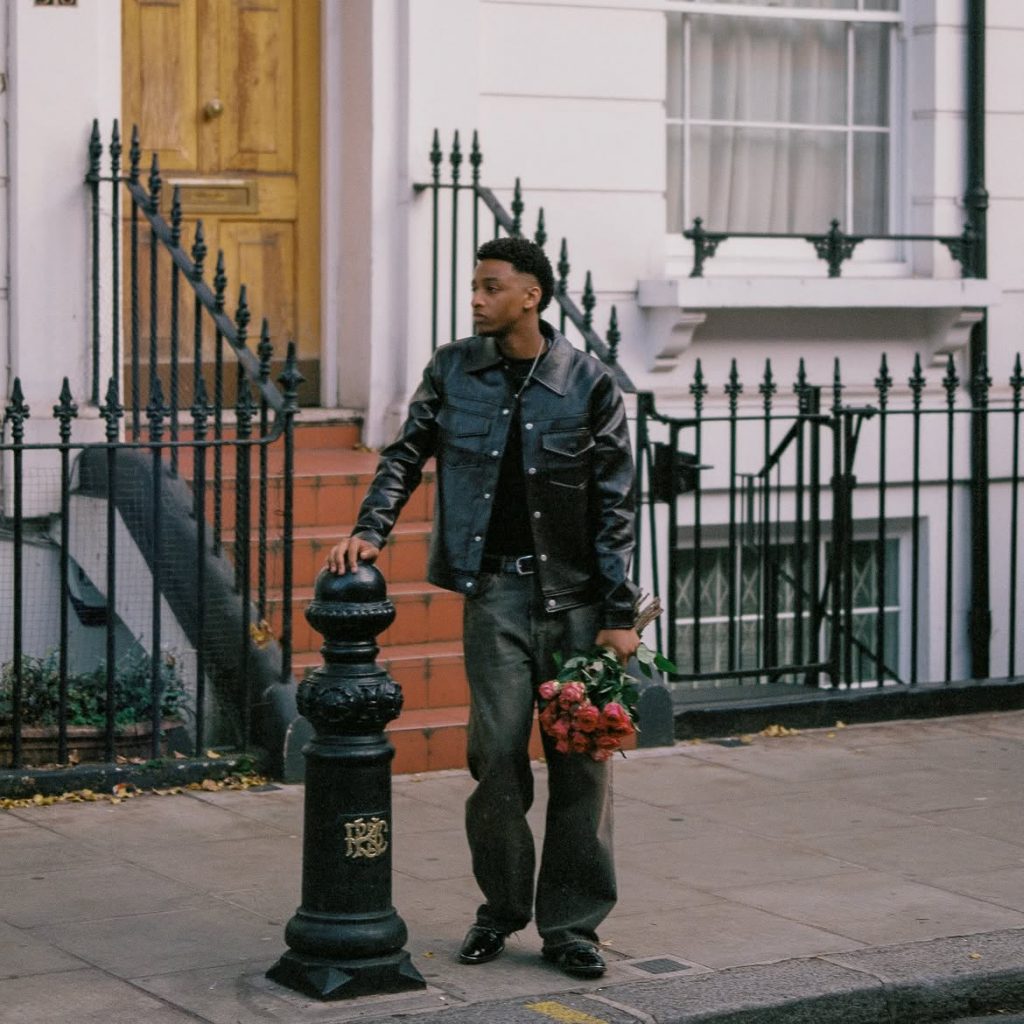
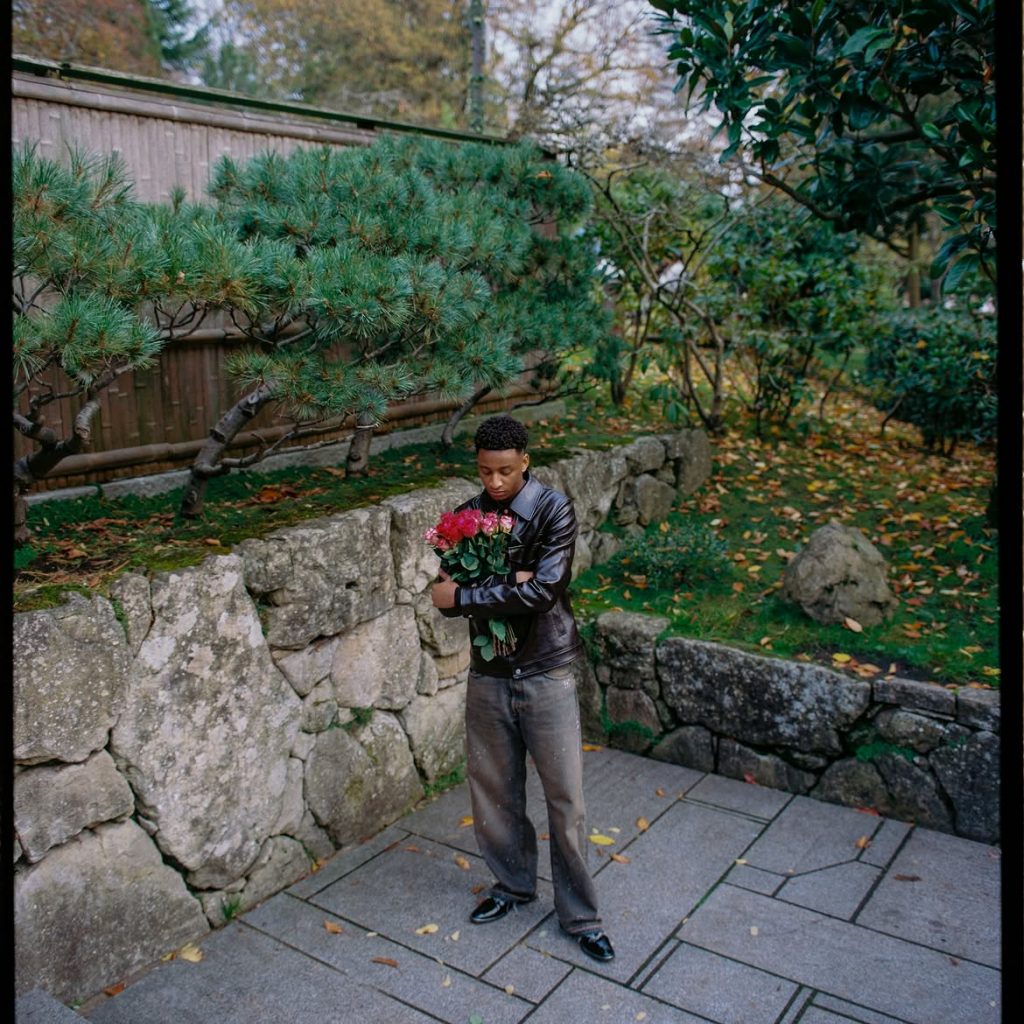

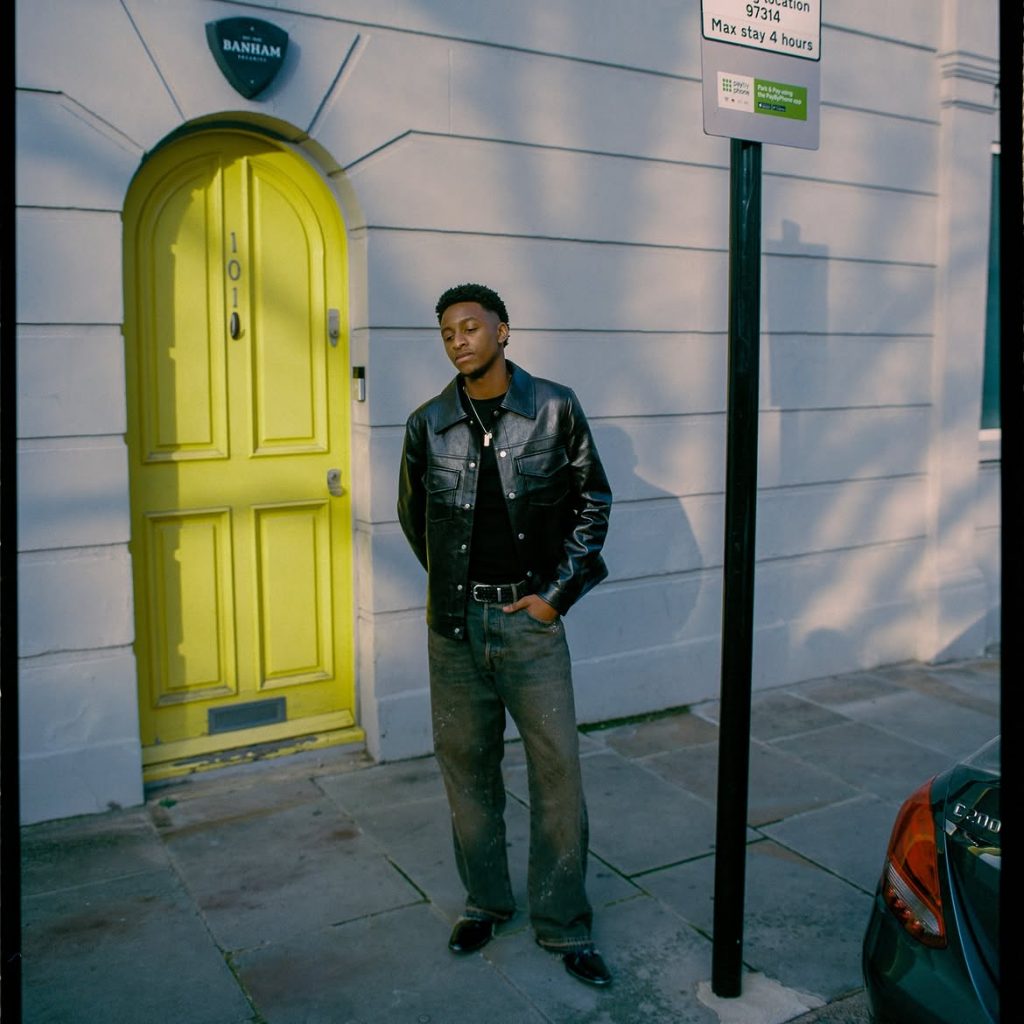
It is effectively the first public test of how the new relationship will operate: local artist development feeding into international distribution, marketing and artist services without dissolving the ecosystem that developed the artist in the first place.
Cinq’s African Strategy Is Becoming Harder to Ignore
The timing makes the announcement more interesting.
In July, Music Custodian reported Cinq’s partnership with C.R.E.A.M, the talent-discovery platform founded by Nigerian artist D’Banj. That agreement created a pathway through which selected emerging African artists could access distribution, marketing, funding and development resources while connecting C.R.E.A.M’s discovery infrastructure to Cinq’s international network.
Now comes Soul HQ.
The two partnerships are not identical and should not be treated as such. C.R.E.A.M operates from a talent-discovery proposition in Nigeria, while Soul HQ has developed around artist management, creative services and an established R&B/alternative community in Nairobi.
But viewed together, they reveal an interesting pattern.
Rather than attempting to build every component of its African pipeline from scratch, Cinq is partnering with organisations that already possess local relationships, cultural knowledge and artist-development infrastructure.
That approach matters.
International music companies entering African markets face a fundamental challenge: capital and distribution can travel quickly; cultural intelligence cannot.
The organizations closest to artists often understand the nuances that international infrastructure alone cannot replicate – how scenes develop, which communities matter, where audiences gather, what an artist needs before global expansion becomes useful, and which creative identities should be strengthened rather than reshaped.
Why Nairobi Matters
The partnership also arrives during a period when Nairobi’s music ecosystem is becoming increasingly difficult to overlook.
The city has developed a distinctive R&B and alternative scene alongside its hip-hop, gengetone, electronic and experimental communities. International platforms have noticed that affinity too: Spotify’s previous African R&B programming has included multiple Kenyan artists and collaborations involving Nairobi creatives.
Music Custodian has increasingly documented the other side of this evolution as well: not simply the artists emerging from Nairobi, but the infrastructure forming around them.
That distinction is important.
A sustainable music economy cannot depend entirely on individual breakthroughs.
It needs managers, A&R, publishers, venues, promoters, distributors, creative agencies, media, artist-development programmes, and companies capable of retaining institutional knowledge after any single artist cycle ends.
Soul HQ’s progression – from an ecosystem connected to Nairobi R&B into a broader artist-development company and now an international distribution partnership – offers one example of how that infrastructure can develop organically from within a local scene.
Global Infrastructure, Local Knowledge
Faiza Hersi describes the Cinq partnership as the culmination of years spent building foundations that allow African artists to compete internationally.
Cinq’s Head of A&R and African Expansion, Fotemah Mba, similarly positions Soul HQ as an important part of the company’s continued investment in East Africa, pointing specifically to Hersi’s work developing a platform for regional talent.
Behind those statements sits the more consequential question.
What happens when global music infrastructure begins partnering with African infrastructure rather than simply extracting individual African talent from it?
The answer will ultimately depend on execution.
International distribution does not automatically create sustainable careers. Neither does funding, marketing or access in isolation. The long-term value of partnerships like this will be measured by whether artists develop larger audiences, stronger businesses, meaningful ownership and careers capable of surviving beyond individual releases.
It will also be measured by what remains locally.
If global partnerships strengthen African managers, A&R professionals, labels, creative businesses and artist-development organisations alongside the artists themselves, then the benefits can extend beyond a roster.
They can contribute to an ecosystem.
The Bigger African Music Story
African music’s international rise has produced extraordinary individual success stories over the past decade.
The next chapter may be less glamorous – but potentially more important.
It concerns the infrastructure underneath those successes.
Who discovers tomorrow’s artists?
Who develops them before international attention arrives?
Who owns the companies around them?
Where does intellectual property sit?
Who understands the communities from which new sounds emerge?
And when international capital enters the equation, can locally built organisations grow alongside the artists they helped nurture?
Cinq’s recent movement from a partnership with C.R.E.A.M in Nigeria to another with Soul HQ in Kenya does not answer those questions.
But it makes them increasingly worth asking.
For Soul HQ, the immediate story begins with Xenia Manasseh, AYLØ and Altair Saïd, with So Easy opening the partnership’s release schedule.
For Nairobi, it represents another international acknowledgement of an ecosystem that has been developing its own artists, audiences and institutions for years.
And for African music more broadly, perhaps the most significant development is not simply that another global music company is investing in the continent.
It is that some of the bridges connecting African artists to the world are increasingly being built in partnership with Africans who were already doing the work at home.