On Sunday evening, as Spain lifted the FIFA World Cup trophy before more than 80,000 fans inside New York New Jersey Stadium and millions more watching around the world, football introduced a new tradition.
For the first time in the tournament’s 96-year history, the FIFA World Cup Final paused for a halftime show.
The spectacle was ambitious. Curated by Coldplay’s Chris Martin, it featured an international cast of music icons including Madonna, BTS, Justin Bieber and Shakira. But as the show reached its closing moments, it was a performance rooted in African and Latin musical traditions that brought the historic occasion to its emotional peak.
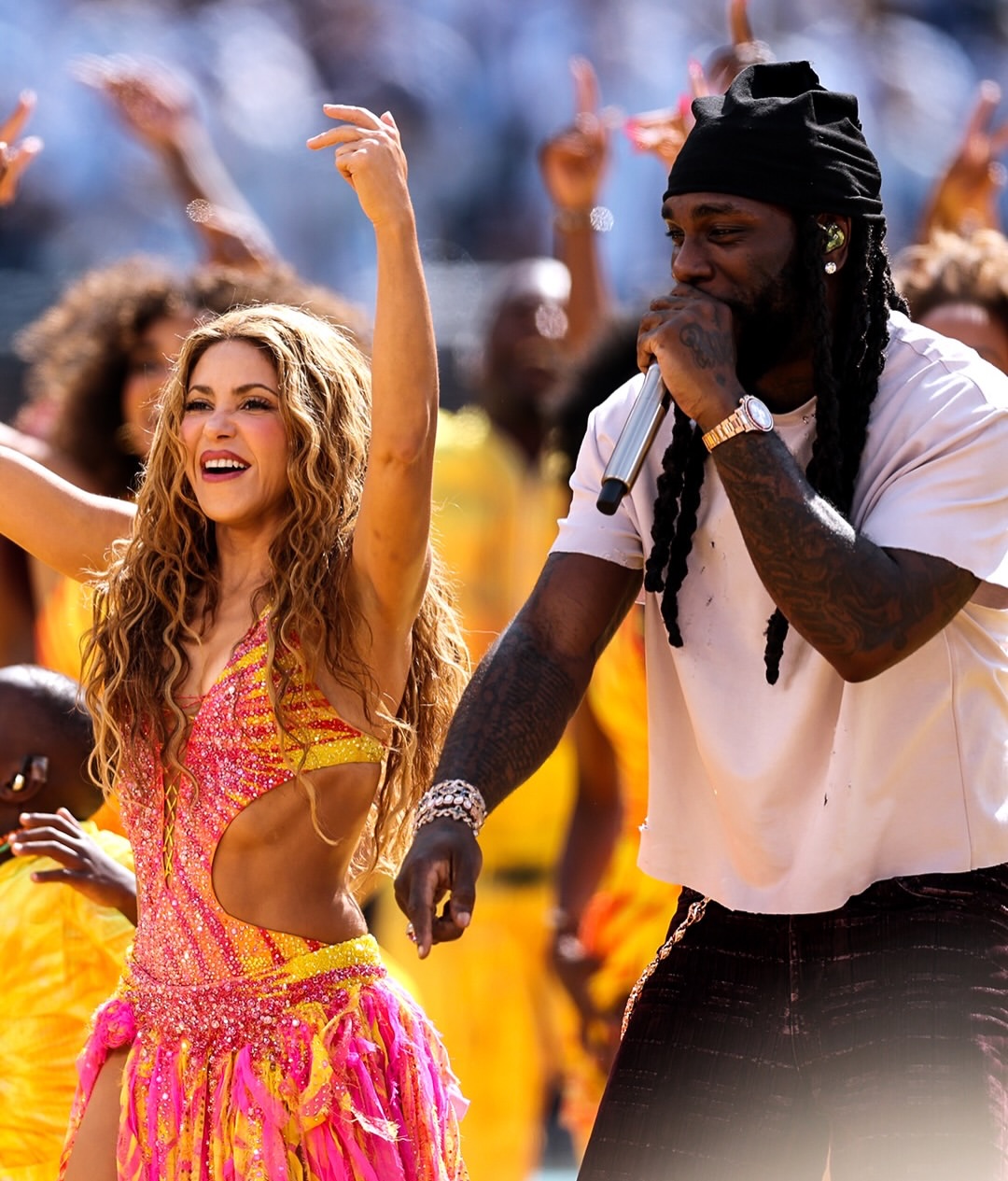
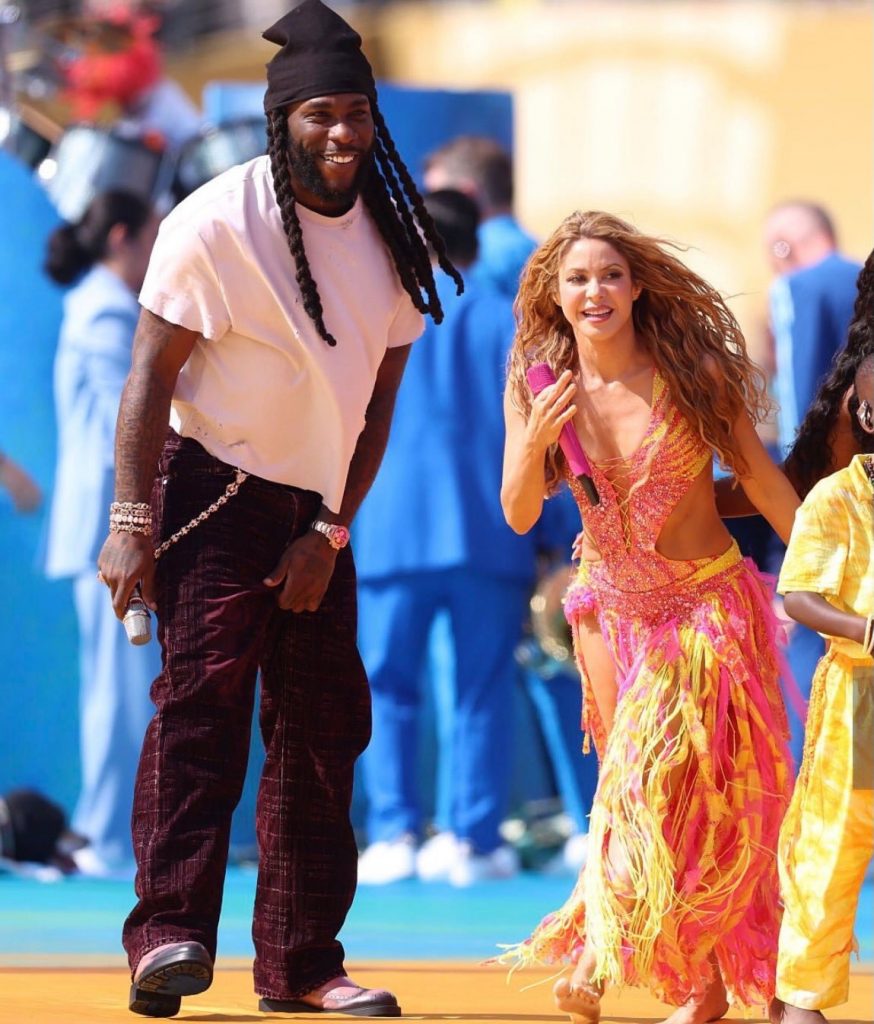
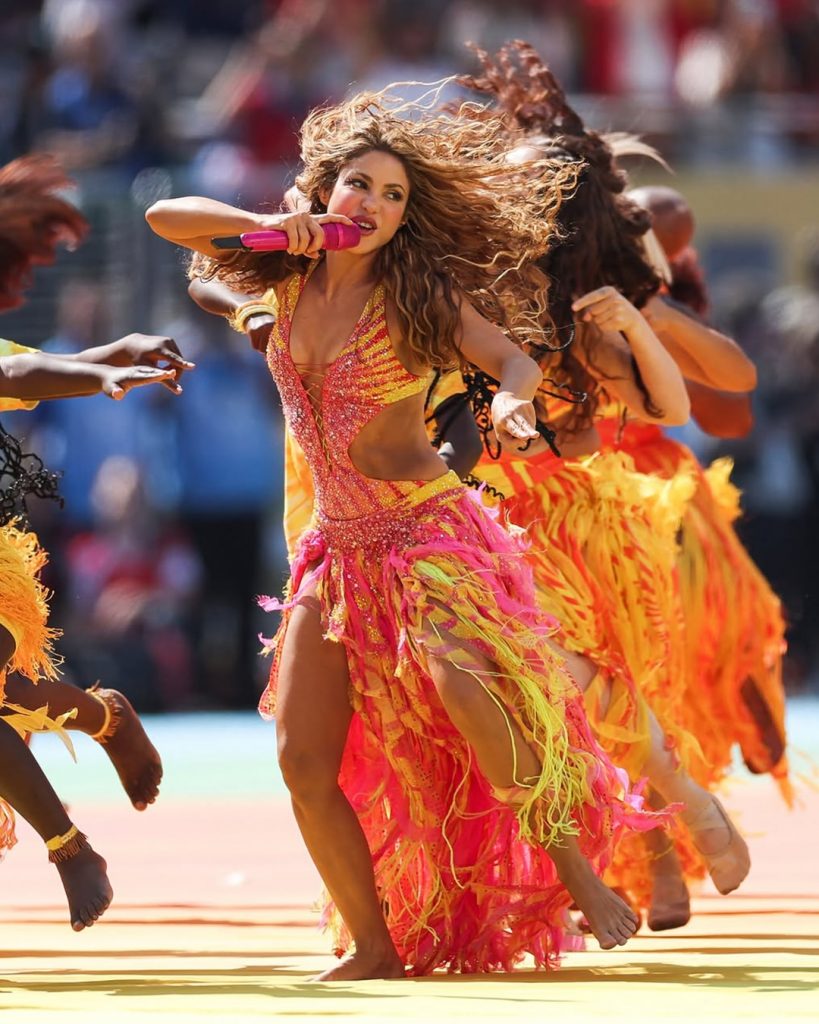
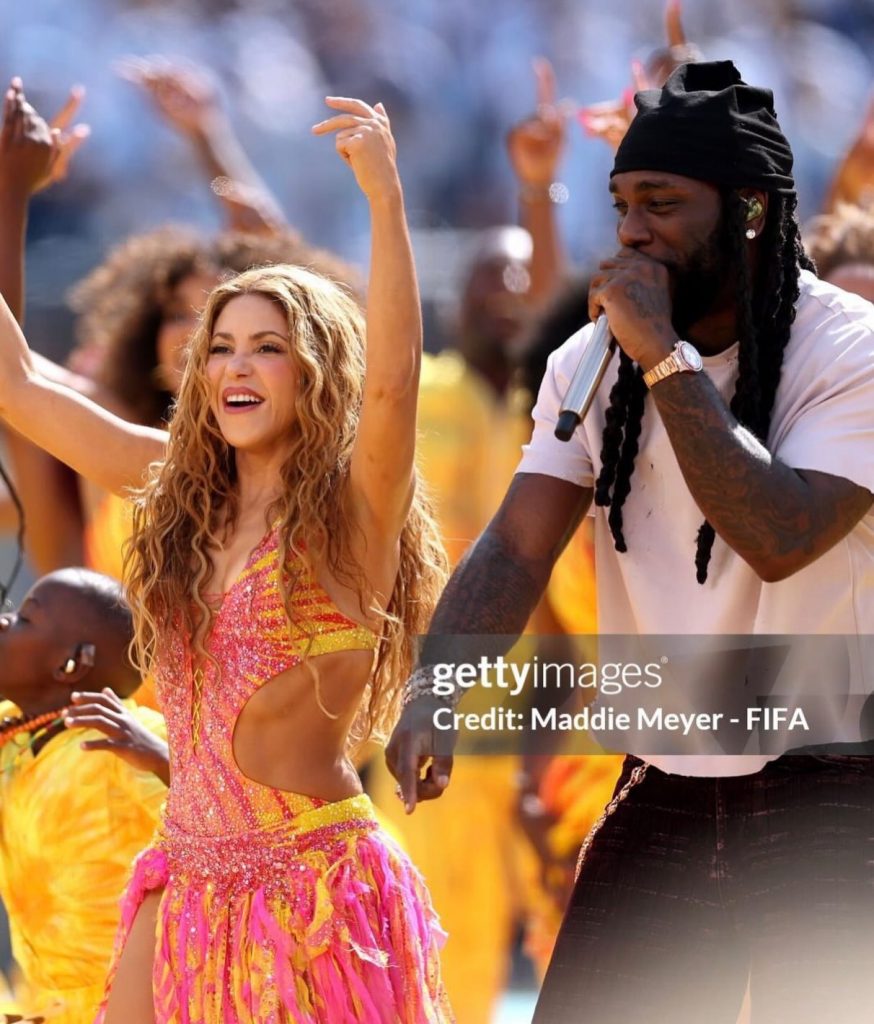
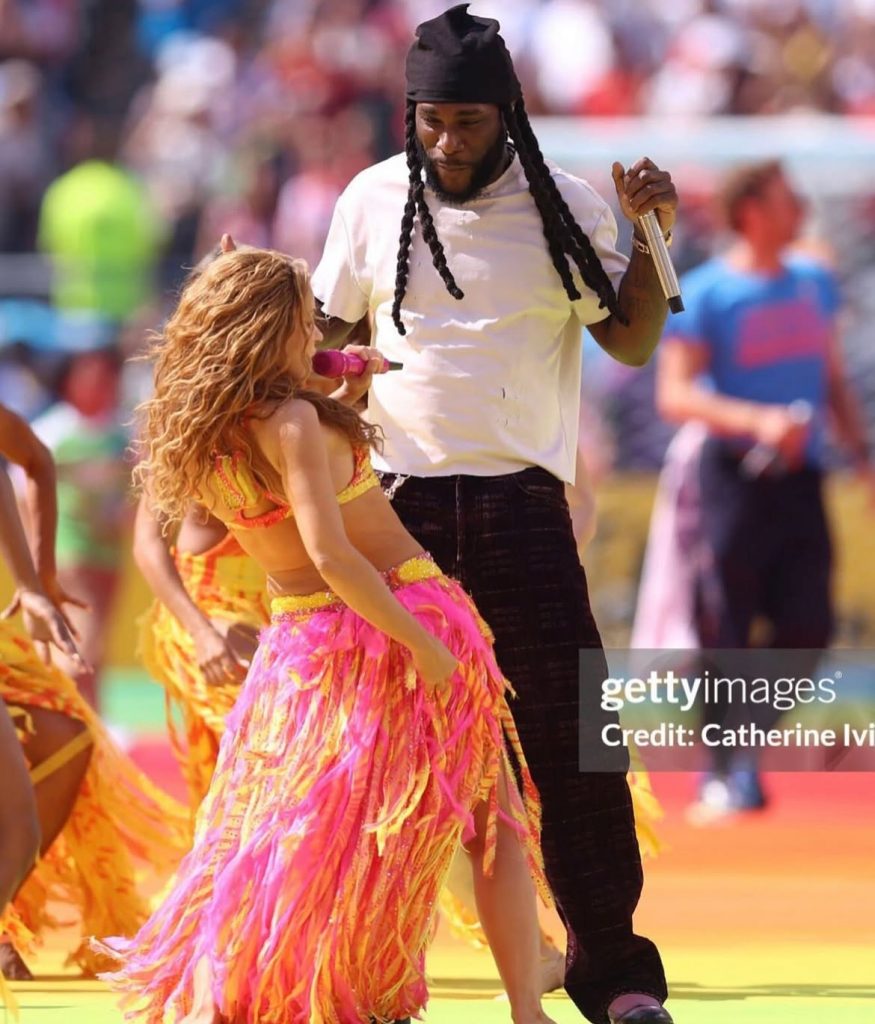
Shakira and Burna Boy stepped onto football’s biggest stage to perform “Dai Dai,” the Official FIFA World Cup 2026™ Song. It was more than a performance. It was the culmination of a cultural journey that had followed the tournament from its opening ceremony in Mexico City to its final night in New Jersey – a journey built on music, movement and the belief that football belongs to the world.
Yet perhaps the most moving image of the night stood just behind them.
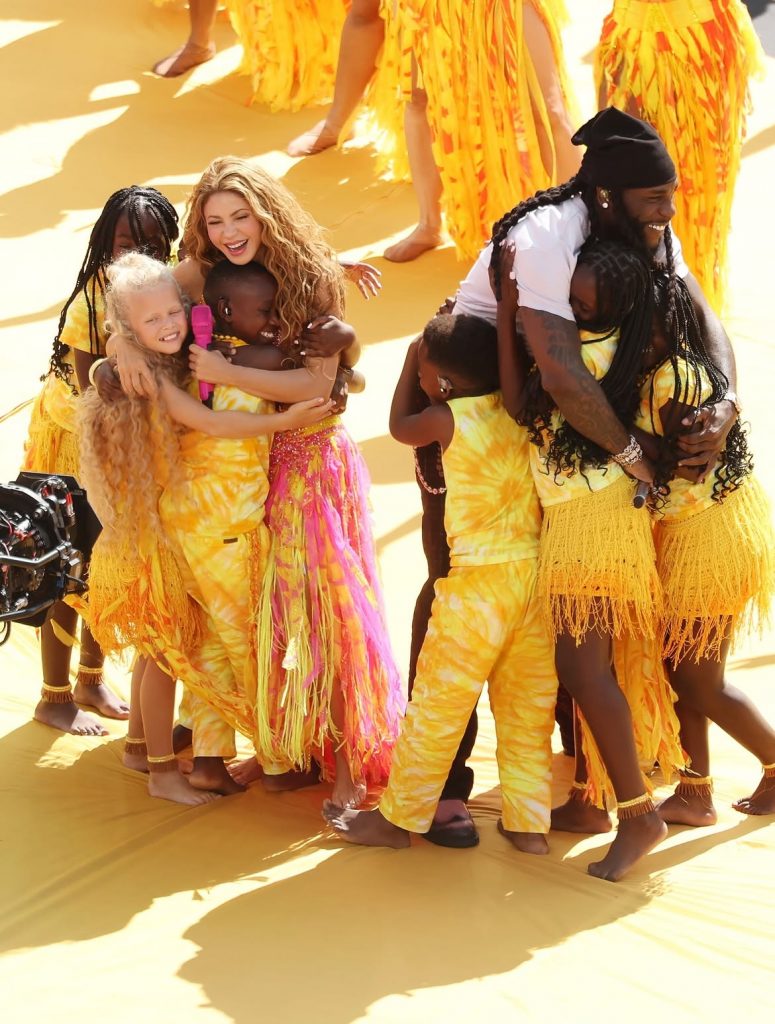
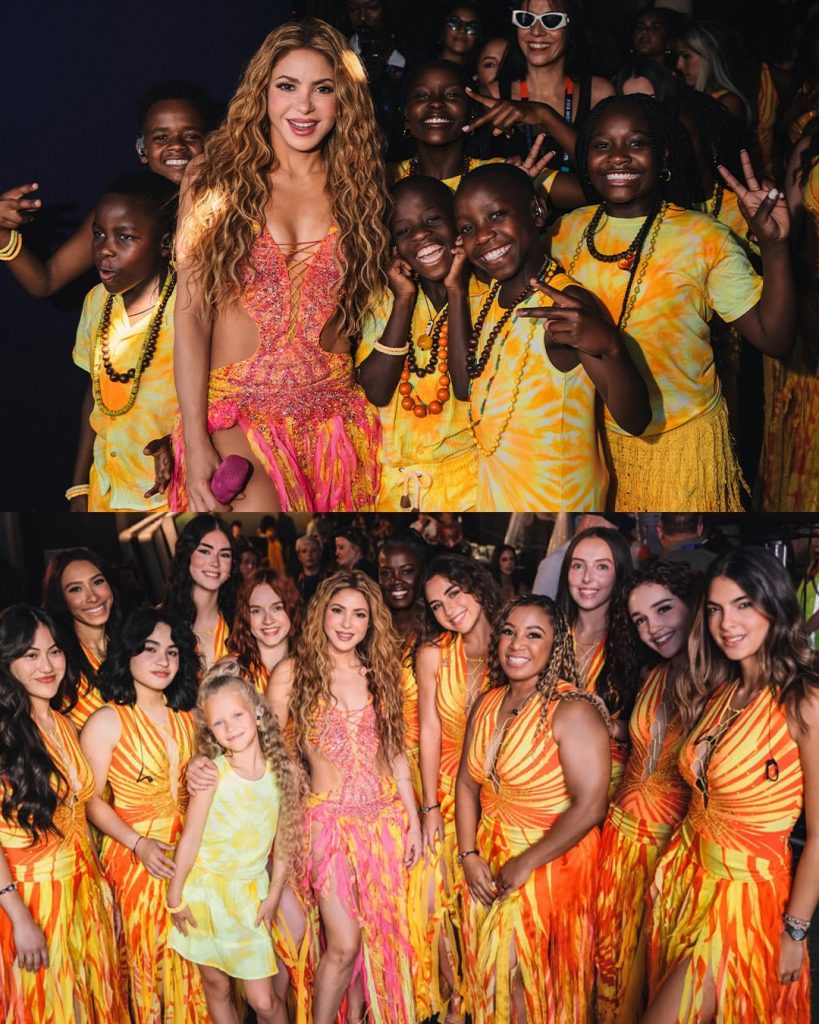
There were the Ghetto Kids.
The Ugandan dance collective, whose story began on the streets of Kampala and whose talent has inspired audiences across continents, danced before one of the largest global audiences any performer could hope to reach. After the performance, the group reflected on the moment with heartfelt gratitude, thanking Shakira, FIFA, Global Citizen, Burna Boy, MTN Uganda and the Uganda Tourism Board for making what they described as “an experience we will carry with us for a lifetime.”
For many watching across Africa, that moment carried a significance beyond choreography.
It was possibility made visible.
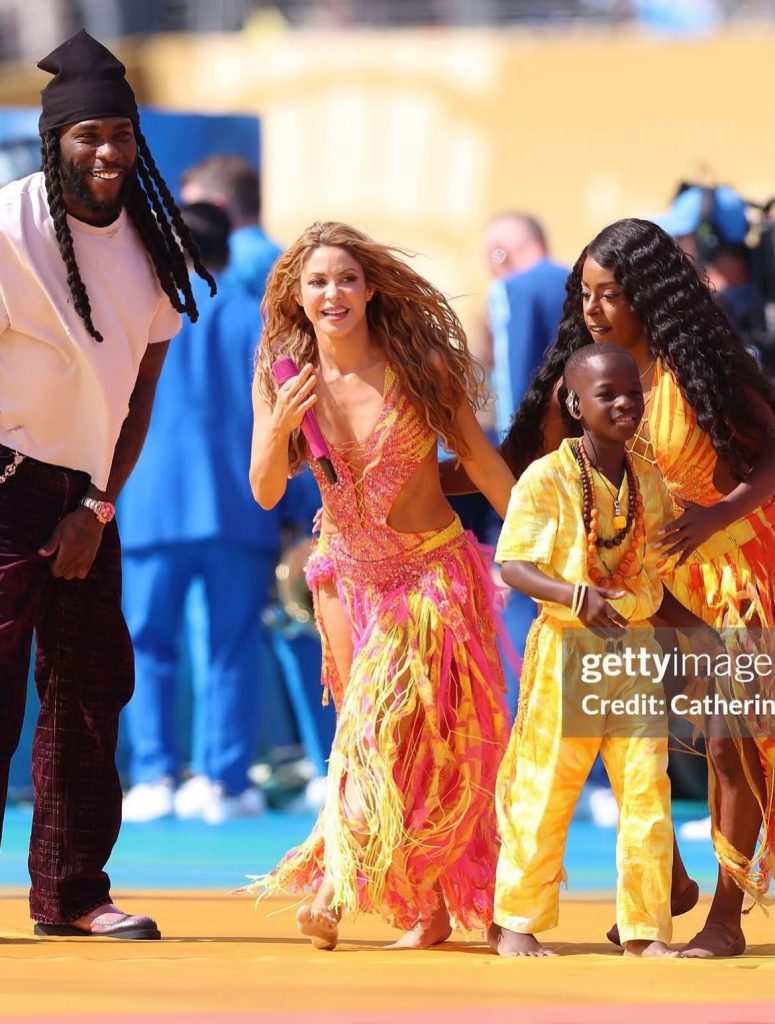
The World Cup has always been football’s greatest stage. On Sunday, it also became a stage where African creativity occupied the very centre of the world’s attention.
That symbolism extended beyond the stadium.
As the tournament reached its conclusion, “Dai Dai” continued its remarkable ascent, reaching No. 1 on Spotify’s Global chart. It was a fitting achievement for a song that had become more than the soundtrack to a football tournament. It had become one of the defining records of the summer, connecting fans through a multilingual celebration of football, culture and unity. Earlier in the tournament, FIFA had already highlighted the song’s rapid global rise, reflecting the growing intersection between music, sport and digital culture.
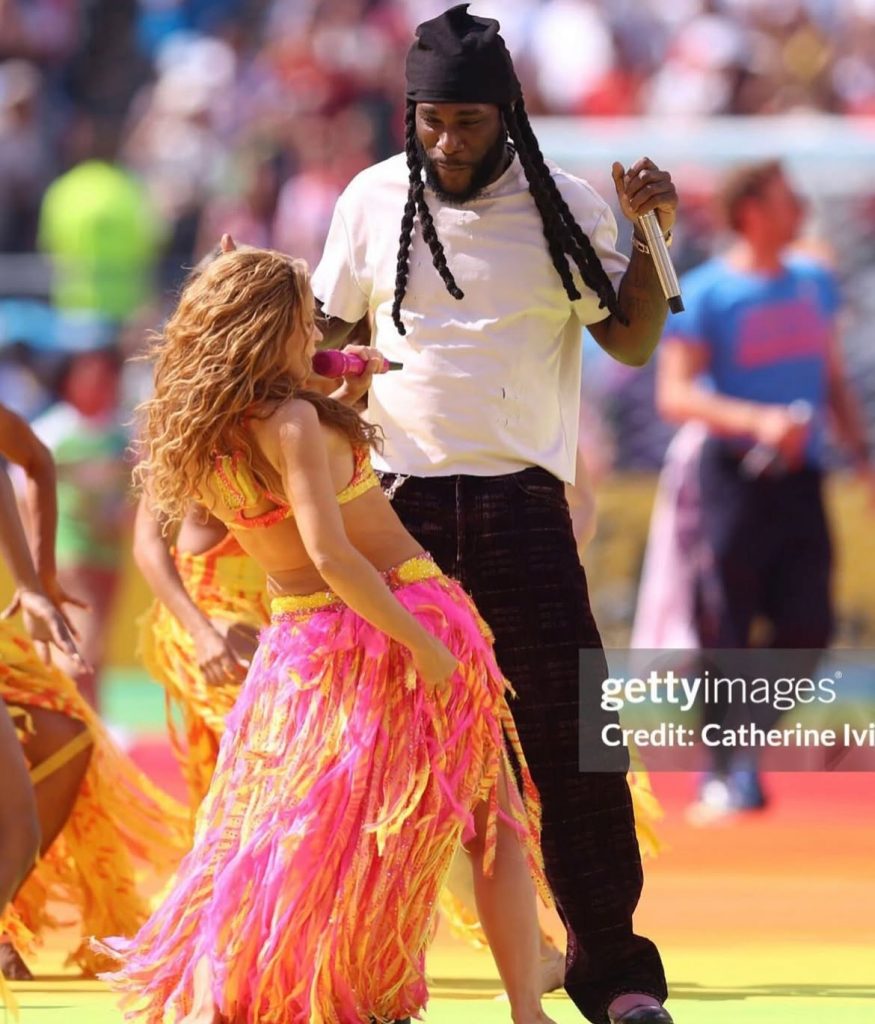
For Burna Boy, the performance represents another milestone in a career that has steadily expanded the global reach of African music. From arenas and stadium tours to international award stages, the Nigerian superstar has consistently demonstrated that African artists are no longer participating in global pop culture from its margins – they are helping shape its future.
His collaboration with Shakira felt especially meaningful.
Few artists have become as closely associated with football as the Colombian icon. Across nearly two decades, her music has become part of the tournament’s collective memory, from Berlin in 2006 to South Africa in 2010, Brazil in 2014 and now North America in 2026. This latest chapter, shared with Burna Boy, reflected football’s increasingly multicultural identity – one where Latin rhythms and African sounds stand together at the heart of the world’s most celebrated sporting event.
There is another layer to “Dai Dai” that deserves attention.
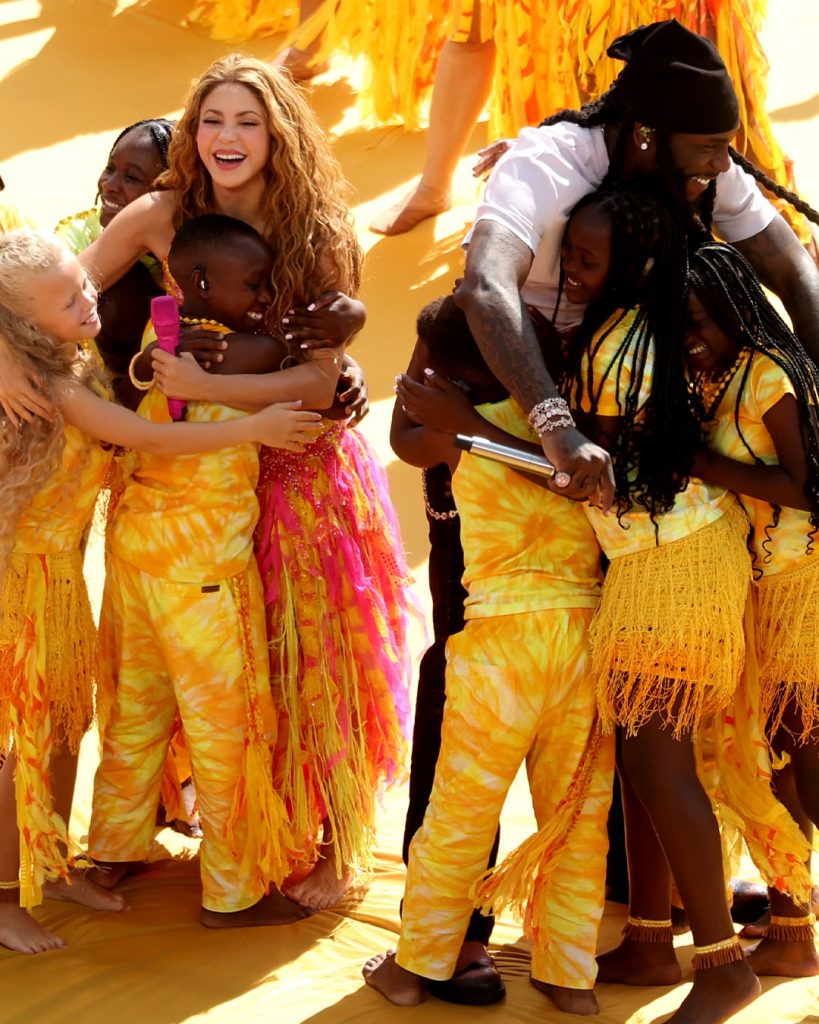
The song was created in support of the FIFA Global Citizen Education Fund, with royalties contributing to efforts aimed at expanding access to education and football opportunities for children around the world. In that context, the presence of the Ghetto Kids felt especially resonant. Their appearance was not simply entertainment; it embodied the very idea that talent, when nurtured and given opportunity, can transcend circumstance.
History often remembers trophies.
It remembers champions.
It remembers scorelines.
But history is also written in the moments that redefine culture.
Years from now, people will remember Spain becoming world champions. Others will remember the night FIFA embraced a new halftime tradition. Many will remember the spectacle itself.
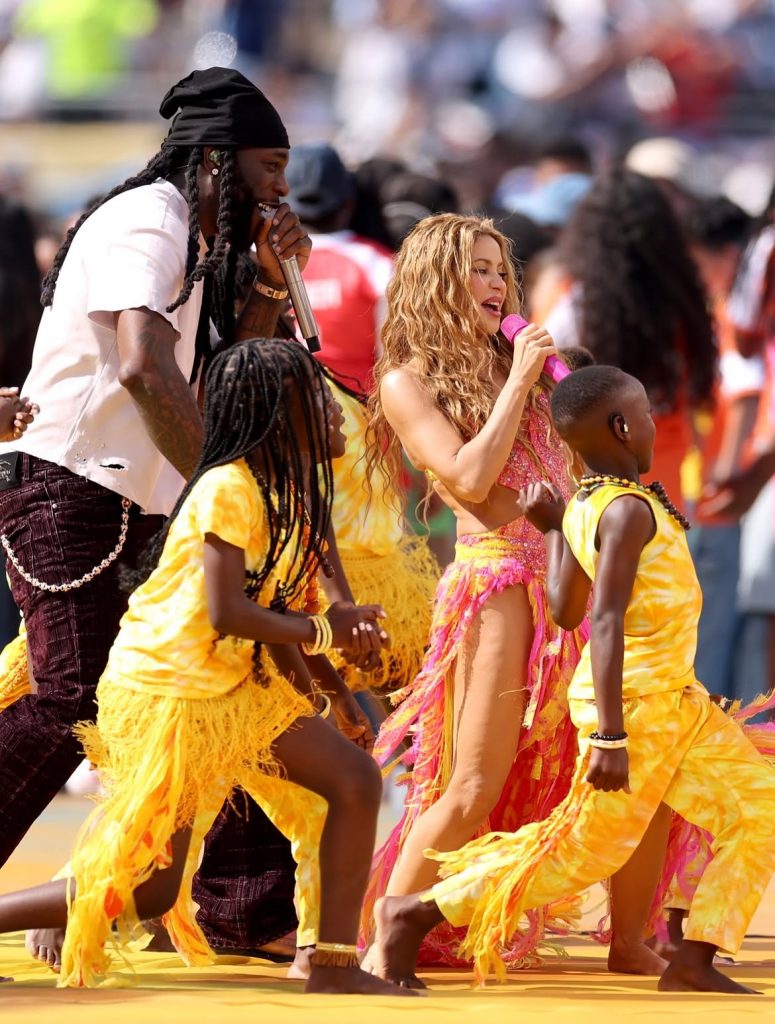
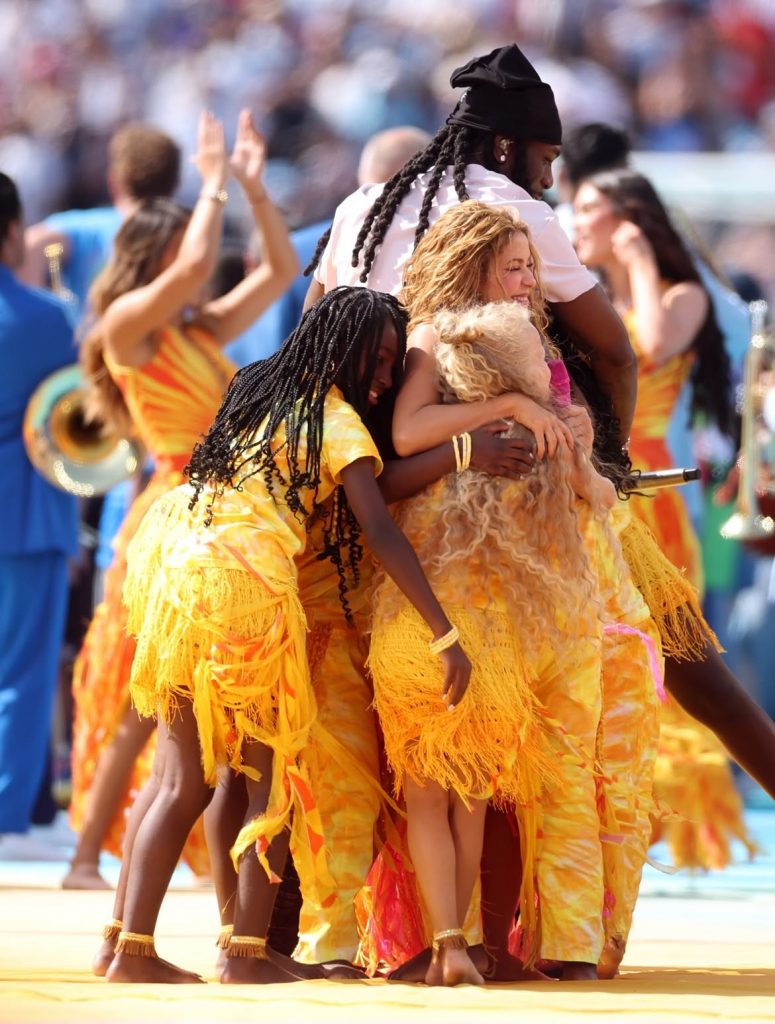
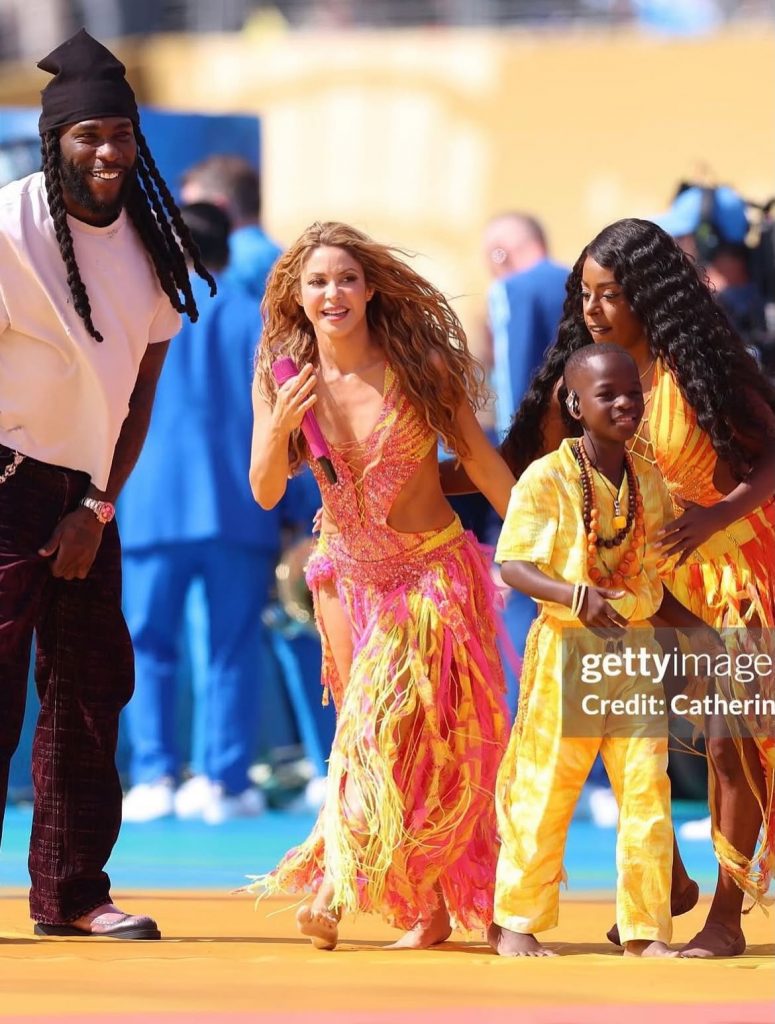
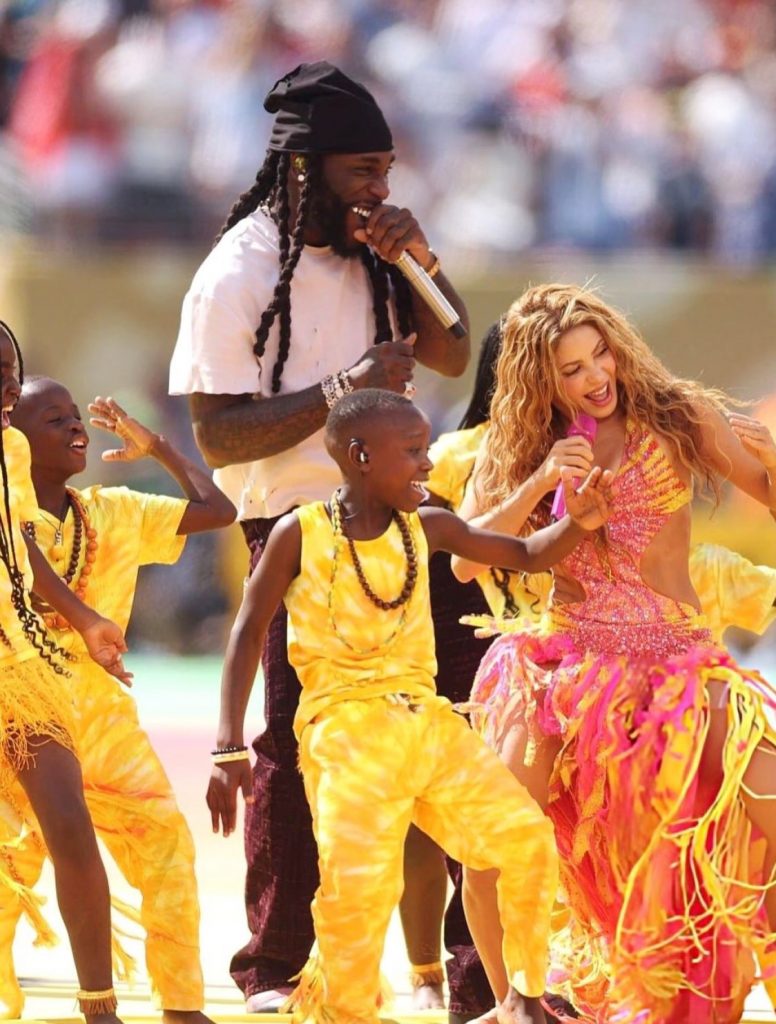
There was something profoundly poetic about seeing the Ghetto Kids beneath the brightest lights football can offer. Their story has never simply been about dance. It has been about possibility. Children whose joy first travelled the world through short videos now found themselves performing before hundreds of millions of viewers. In many ways, they represented the promise that talent can emerge from anywhere – and that when the world chooses to pay attention, geography becomes less important than imagination.
Here in Africa, however, this final may be remembered for something even more profound.
A Nigerian artist. A Ugandan dance collective. A Colombian global icon.
Standing together before the largest audience in world football.
Not as guests.
Not as an afterthought.
But as central figures in a performance that reflected the increasingly global sound of the beautiful game.
For generations, football has united nations.
On this night, it also reminded the world that some of its most compelling cultural stories are now being written through African music, African movement and African imagination.
The World Cup found a new tradition.
Africa helped give it its first heartbeat.
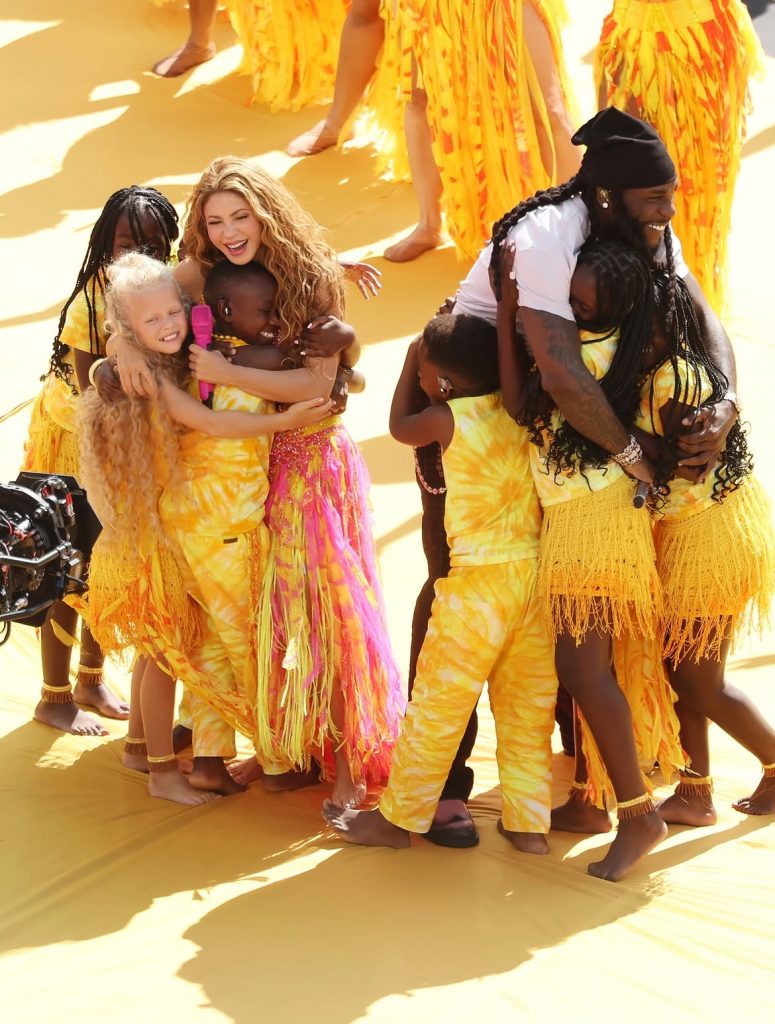
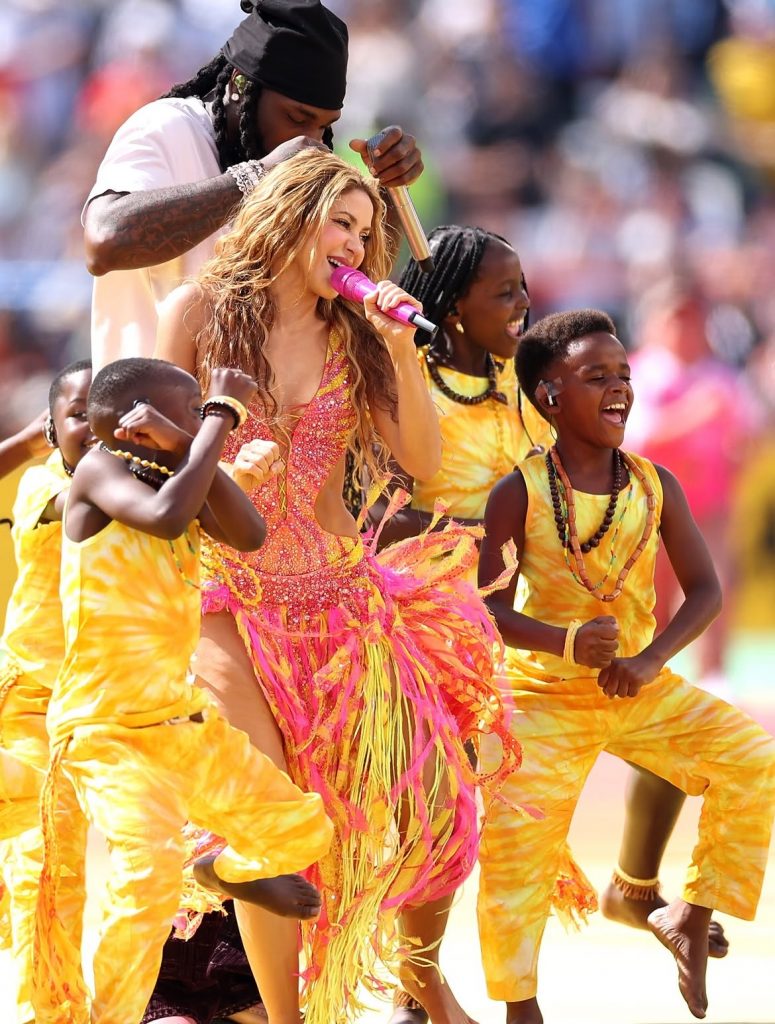
Long after the confetti settled and the trophy was lifted, another image will remain.
A Nigerian musician.
A Colombian icon.
A group of Ugandan children.
Standing together before the largest audience in world football.
Not because the world was searching for diversity.
But because this is what the world’s cultural centre increasingly looks like.
Football has always been called the beautiful game.
On this night, it sounded unmistakably African.