Spotify Greasy Tunes arrives in Kenya as a 12-day cultural programme celebrating the communities, conversations and creativity shaping one of Africa’s youngest music cities.
By Music Custodian
For years, streaming has changed the way we discover music. Playlists have become modern mixtapes, algorithms have introduced us to artists we’d never have found otherwise, and a song recorded in Lagos can now soundtrack a morning commute in Nairobi within moments of its release.
But this week, Spotify is asking a different question.
What happens when music leaves the app?
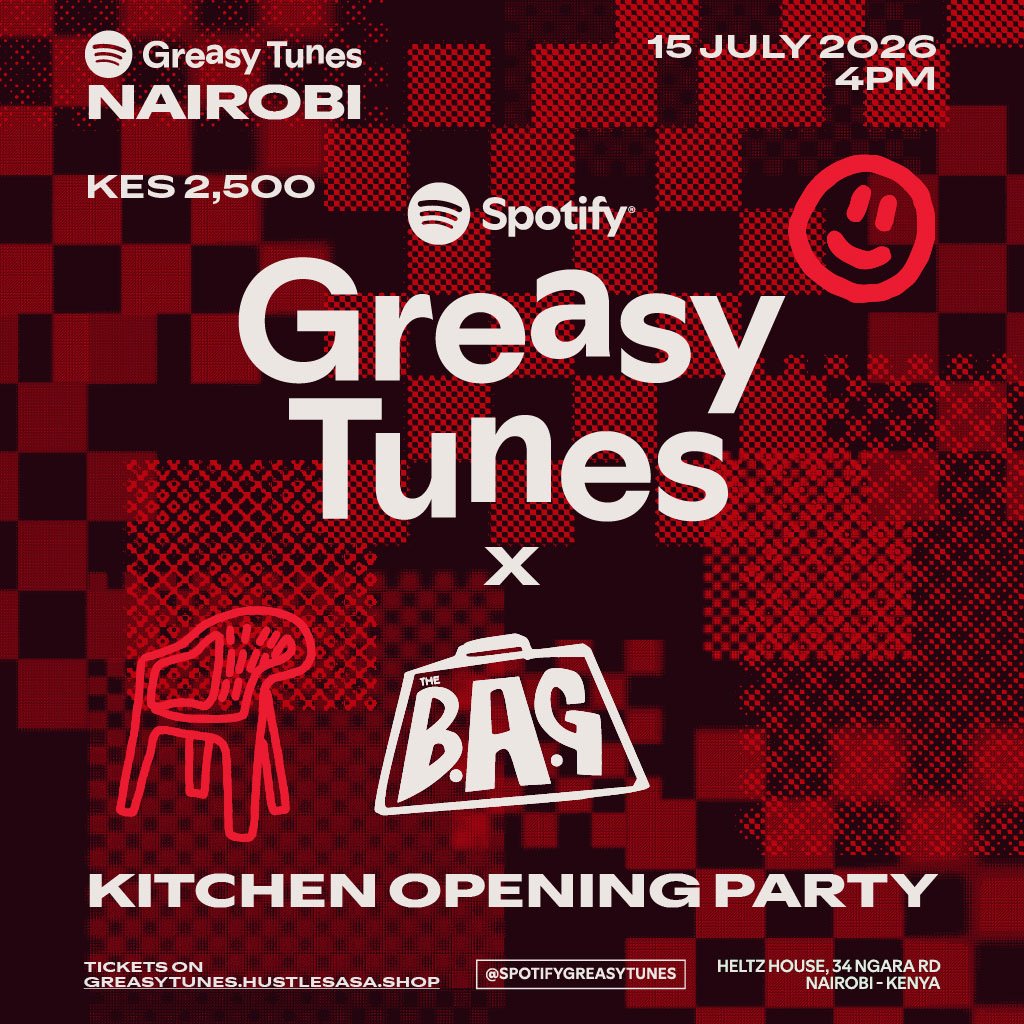
Beginning yesterday, 15 July, Spotify officially launches Greasy Tunes Nairobi, a twelve-day cultural programme transforming Heltz House in Ngara into a meeting point for music, food, fashion, podcasts, football, art and community. Running through 26 July, the initiative features around 20 events designed to reflect the many ways Nairobi’s young creative community experiences culture beyond streaming.
Rather than presenting a traditional music festival built around headline performances, Greasy Tunes adopts a neighborhood approach. Throughout the programme, visitors will encounter live podcast recordings, emerging artist showcases, creative workshops, football watch parties, food experiences, producer conversations and community-led activations that blur the lines between entertainment and everyday life.
In many ways, it reflects a reality that African cities have understood for generations.
Music has never existed on its own.
It lives beside fashion.
Food.
Street football.
Podcast conversations.
Neighbourhood cafés.
Creative collectives.
Late-night debates.
Community.
Spotify appears to be recognizing that the modern listener doesn’t simply consume music through headphones – they build identities and relationships around it.
Why Spotify Greasy Tunes In Nairobi?
The choice of Nairobi feels intentional.
Ahead of Greasy Tunes, Spotify released new listening insights showing that listeners aged between 18 and 24 accounted for 53.7% of all Spotify streams in Nairobi during June 2026, the highest share among the African cities Spotify compared. By contrast, listeners in the same age group represented 44.4% of streams in Lagos and 29.9% in Johannesburg.
The data also paints a picture of a generation refusing to be boxed into a single sound.
Among Kenyan listeners aged 18 to 24, Dancehall emerged as Spotify’s fastest-growing genre with 95% year-on-year growth, followed by Bongo Flava (75%), Gengetone (48%), Gospel (37%), Amapiano (34%), R&B (28%), Afrobeats (25%) and Afropop (21%). Rather than converging around one dominant genre, Nairobi’s young listeners appear increasingly comfortable moving between local, regional and global influences in the same day.
Spotify also noted that podcast consumption among Nairobi’s Gen Z audience now outpaces Lagos and Johannesburg, reinforcing the city’s appetite for audio storytelling beyond music.
Spotify Greasy Tunes Nairobi 12 Days Is More Than a Schedule
The first week alone offers a glimpse into that diversity.
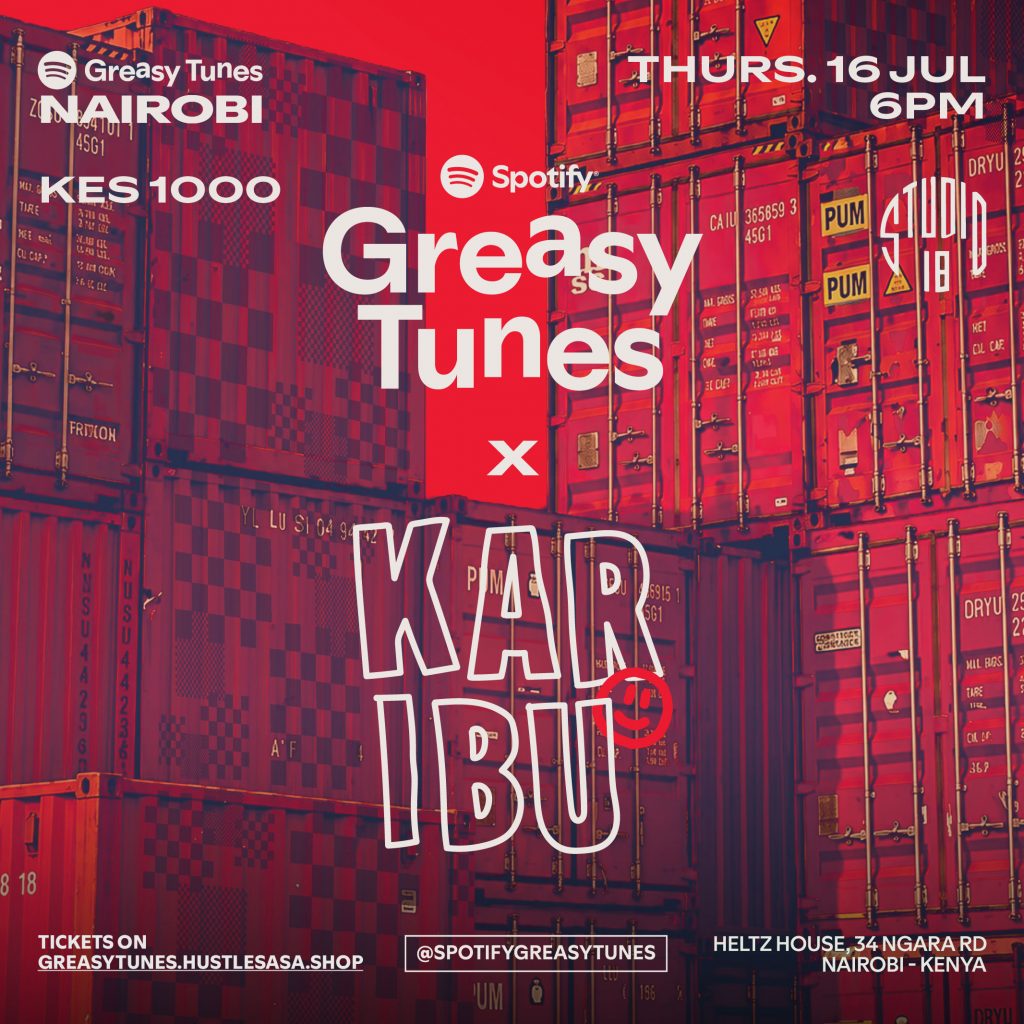
Visitors can expect community café activations, Studio 18 pop-ups, producer sessions featuring Eric Musyoka, live recordings by 30% Podcast and Mic Cheque, food experiences, football watch parties and creator-led conversations. Over the course of the programme, Spotify’s Fresh Finds showcase, Nakili Sessions, gospel and alternative music programming, and fashion-focused experiences further broaden what a music event can look like.
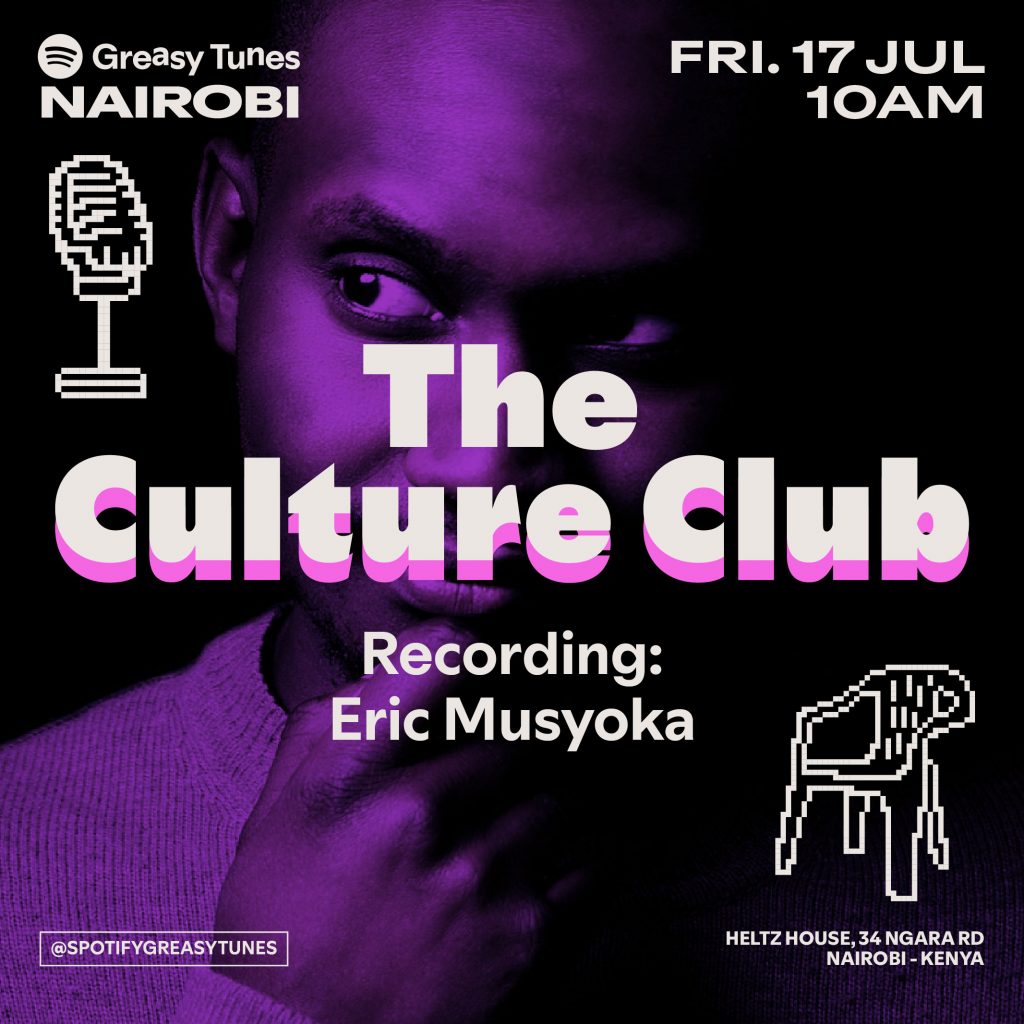
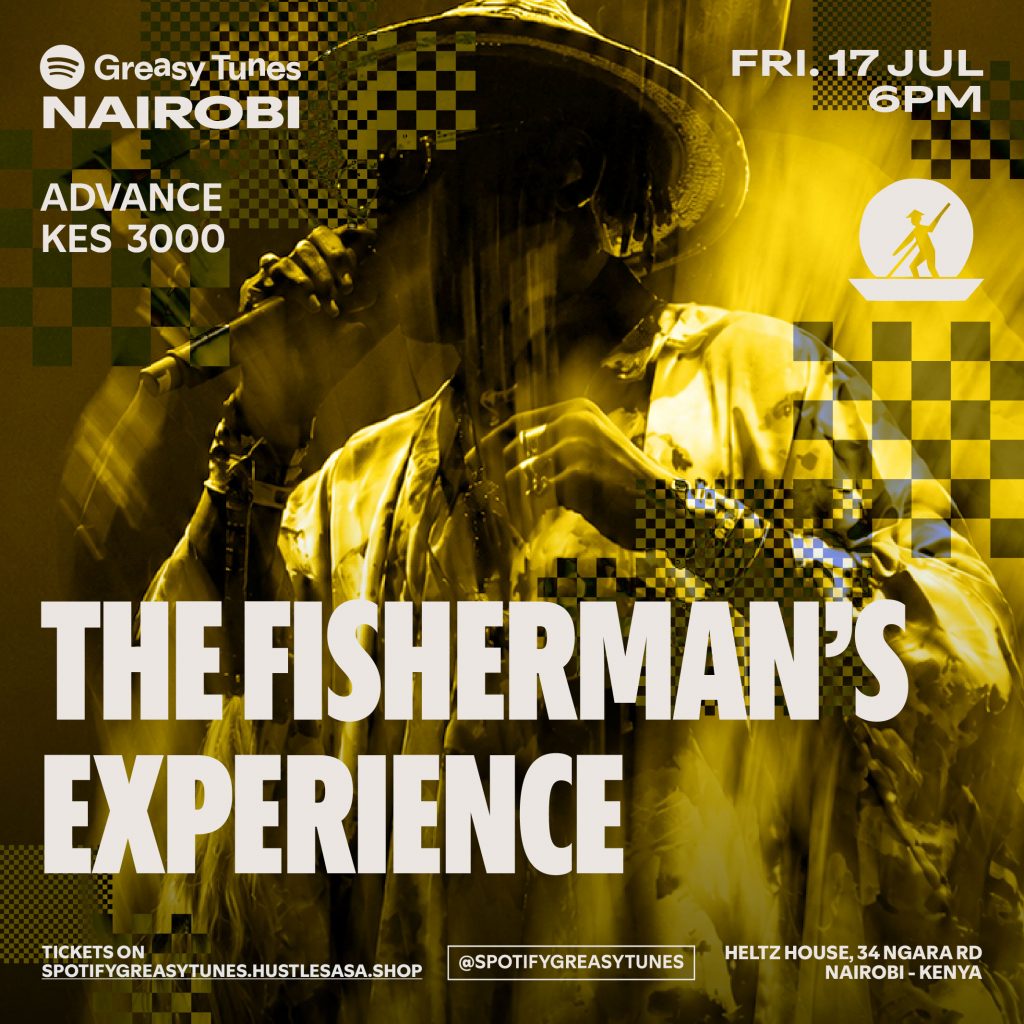
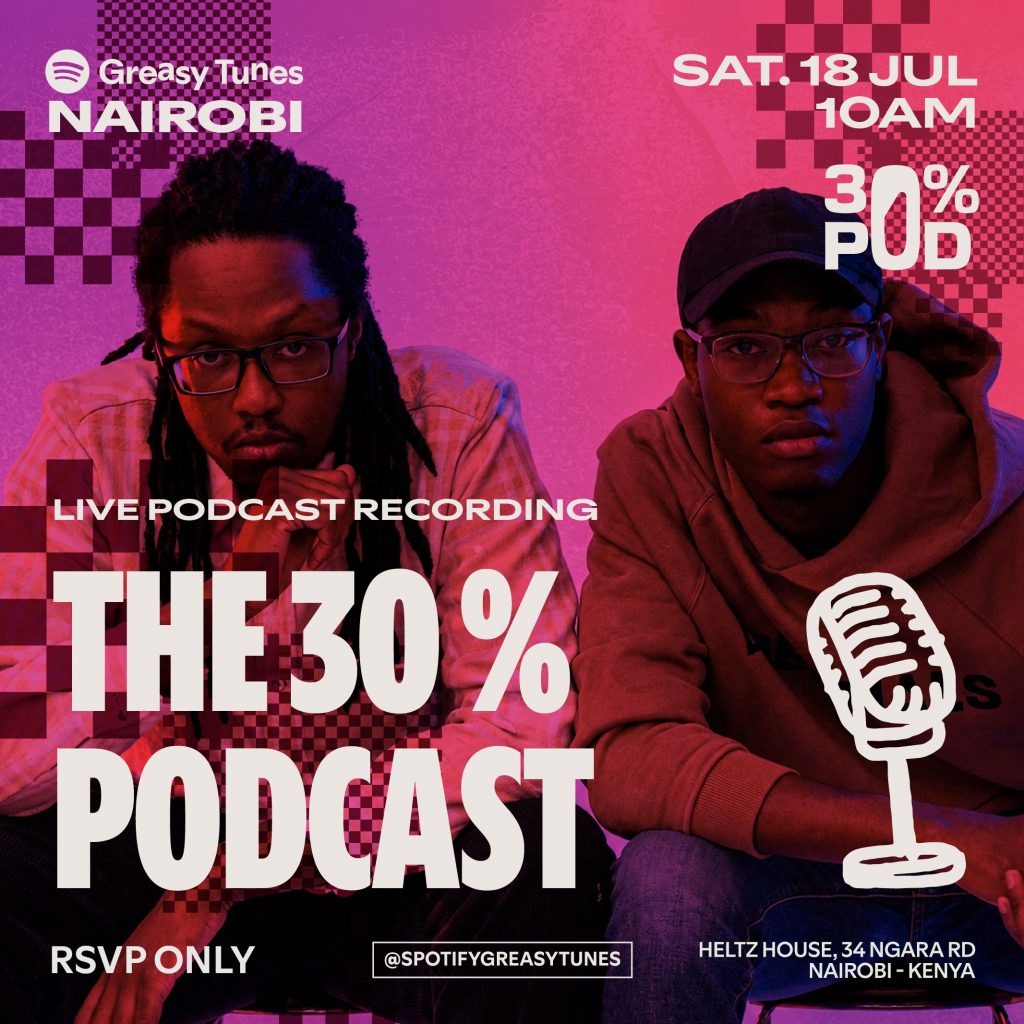

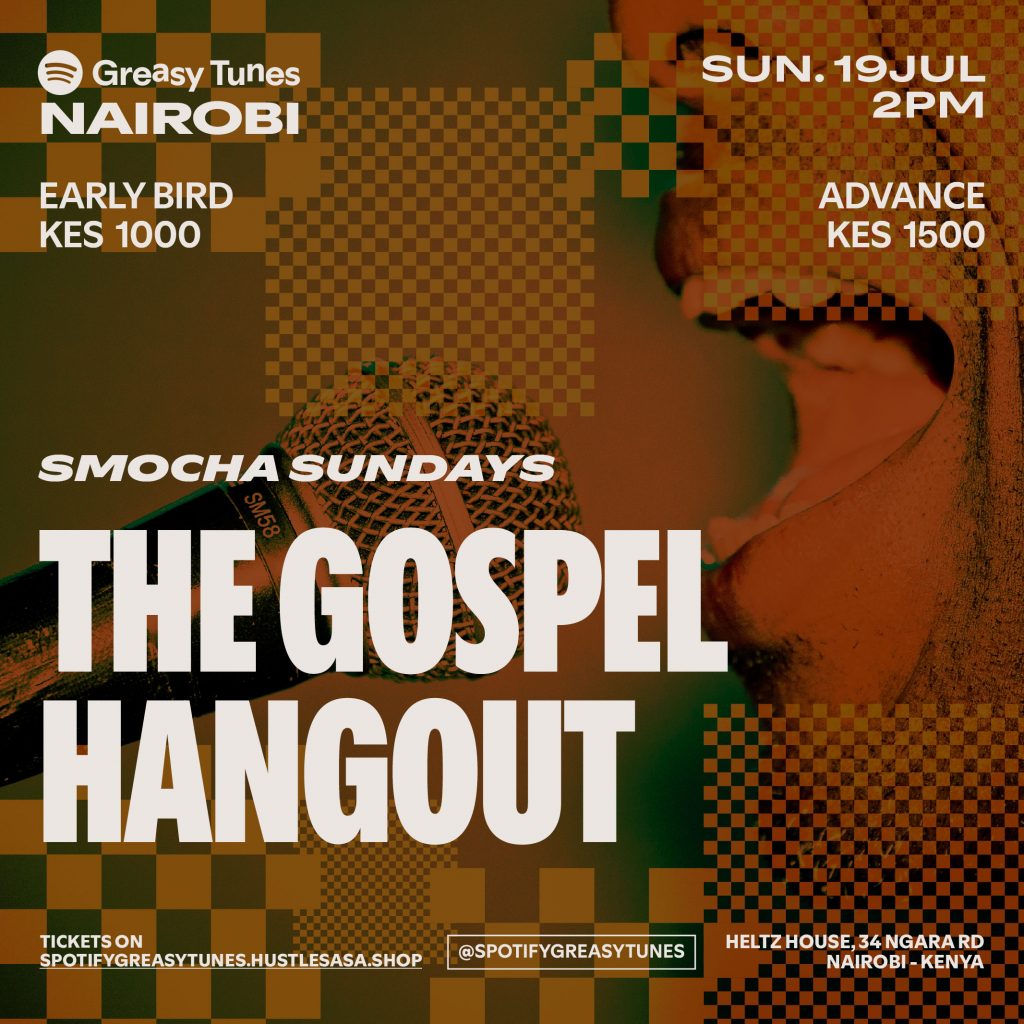

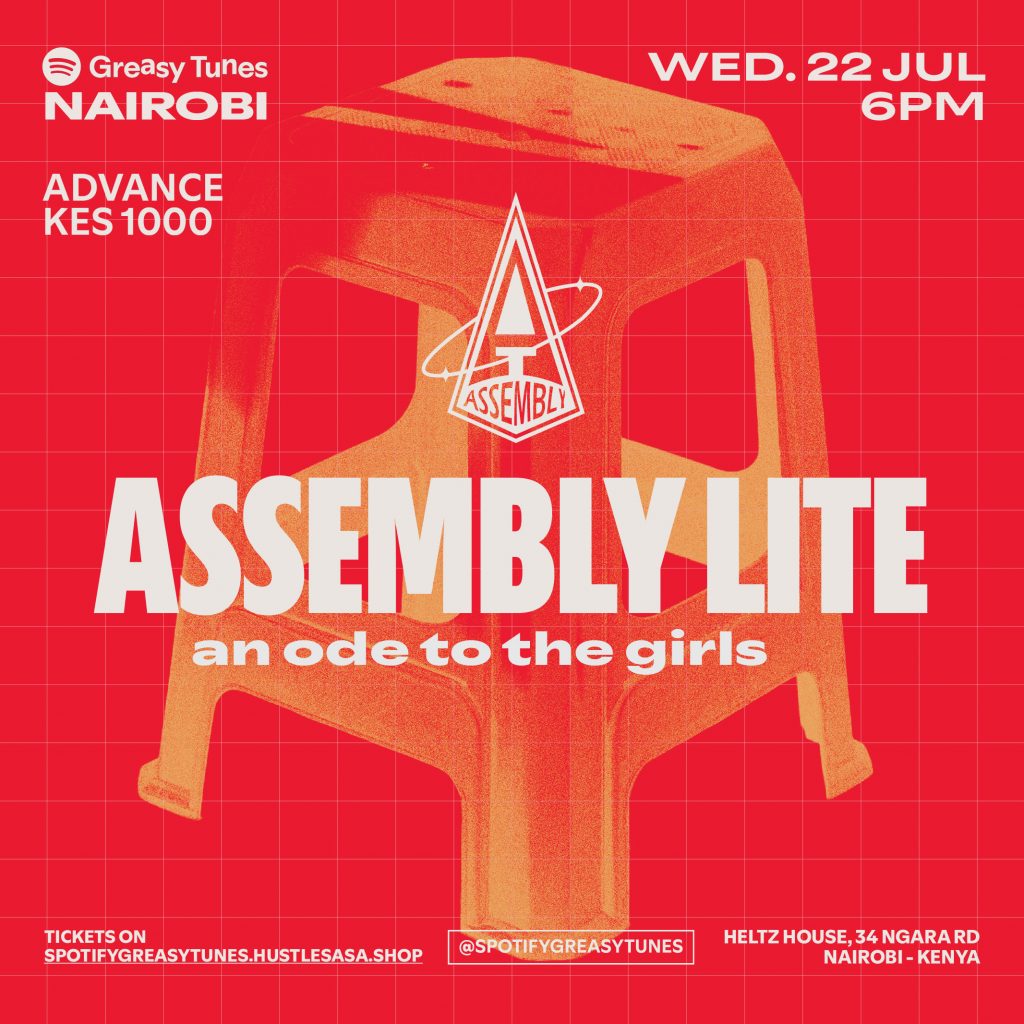
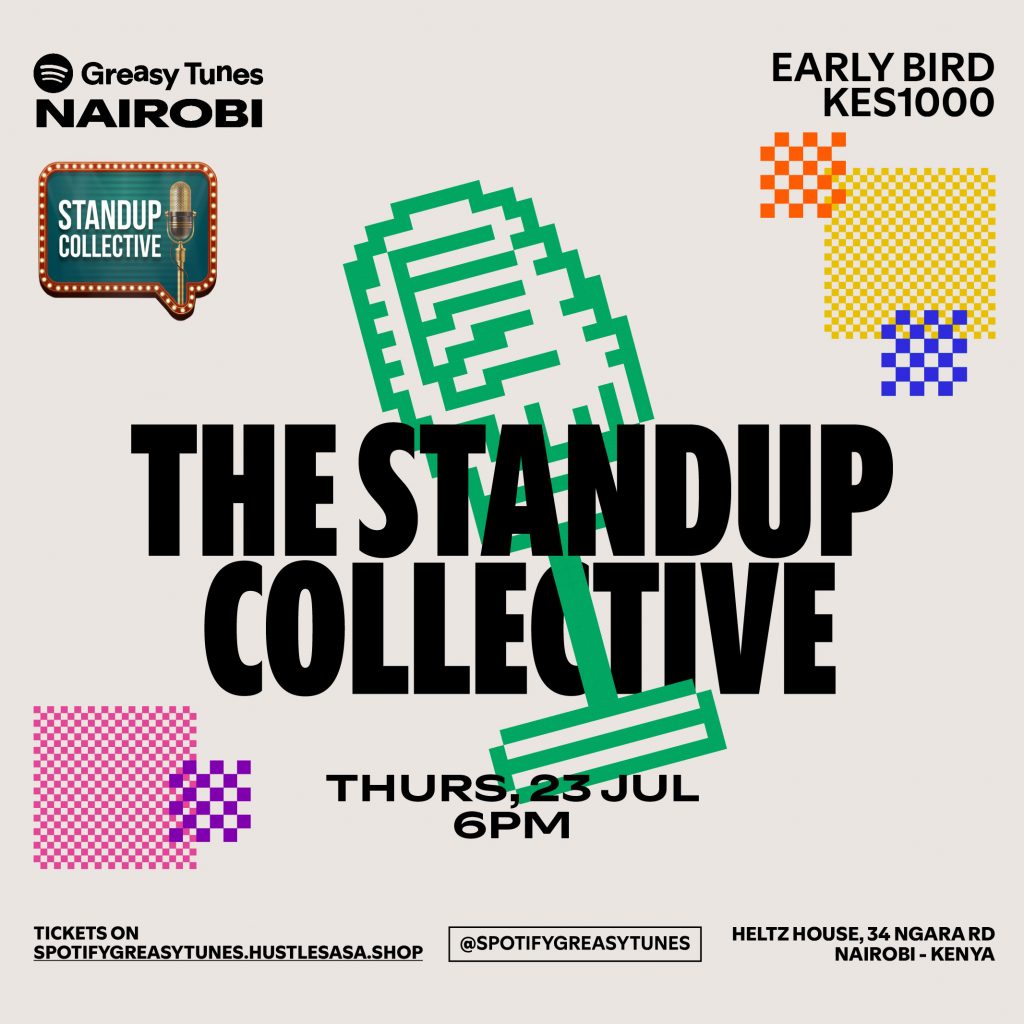
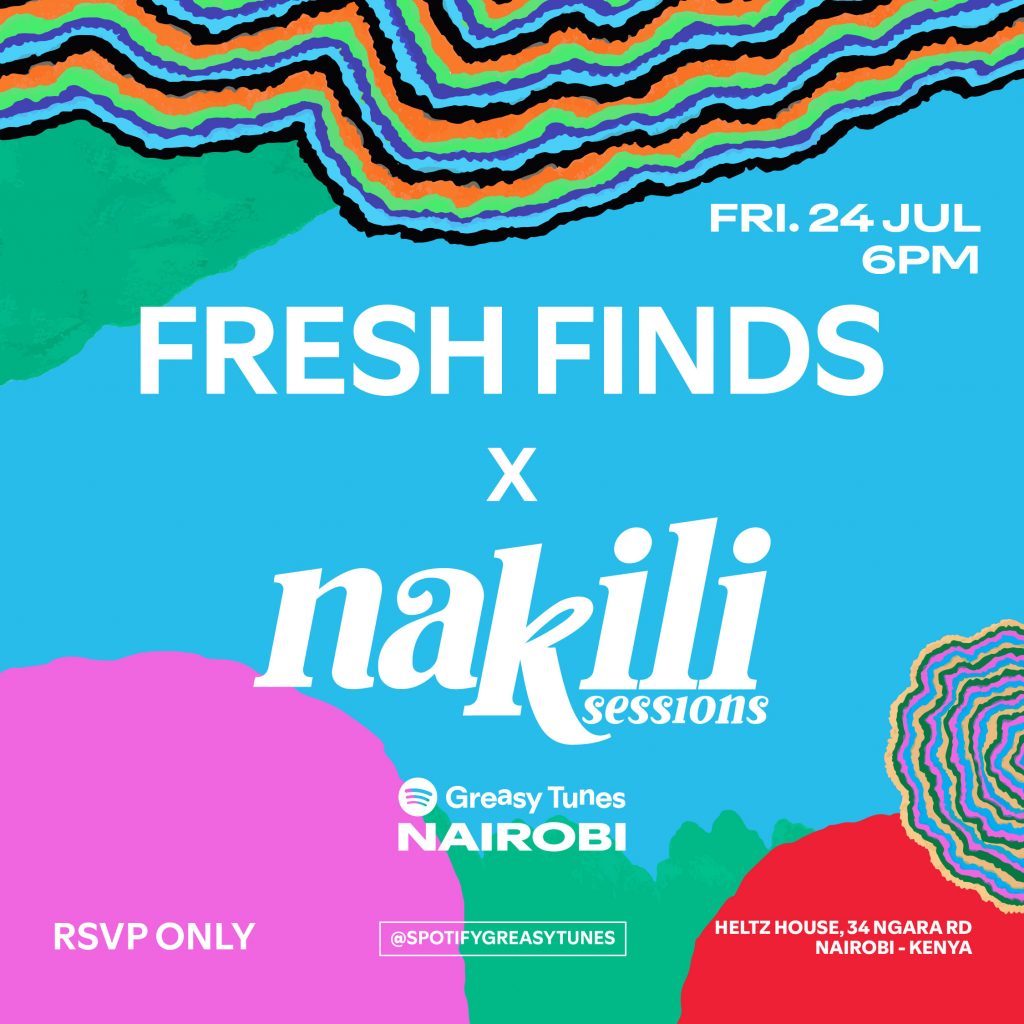



Taken together, Greasy Tunes feels less like a festival and more like a temporary cultural district—one where multiple creative disciplines coexist under a shared belief that music is at its richest when experienced collectively.
Is This A New Chapter for Streaming?
Greasy Tunes is not entirely new. Spotify previously brought the concept to Johannesburg in 2023 before expanding it to Lagos in late 2025, where the “Greasy Tunes Café” transformed local listening habits into an immersive experience centred on food, conversation and live performance. Nairobi now becomes the latest city to host the programme, suggesting that Spotify sees long-term value in connecting digital listening with real-world communities.
That evolution matters.
For much of the streaming era, success was measured by plays, playlists and monthly listeners.
Greasy Tunes hints at a broader ambition.
One where streaming platforms become active participants in the creative ecosystems they serve.
One where data informs experiences rather than simply recommendations.
One where listeners become communities.
On Spotify Greasy Tunes, Music Custodian Says….
As African music continues to shape the global cultural conversation, the institutions surrounding it must evolve as well.
Streaming platforms have transformed how music travels.
Now they are beginning to rethink how culture gathers.
Greasy Tunes may only last twelve days.
But if it succeeds, it points toward a future where music companies invest not only in algorithms and playlists, but also in neighbourhoods, conversations and the creative communities that give those algorithms meaning.
Because music has never lived inside an app.
It has always lived among people.