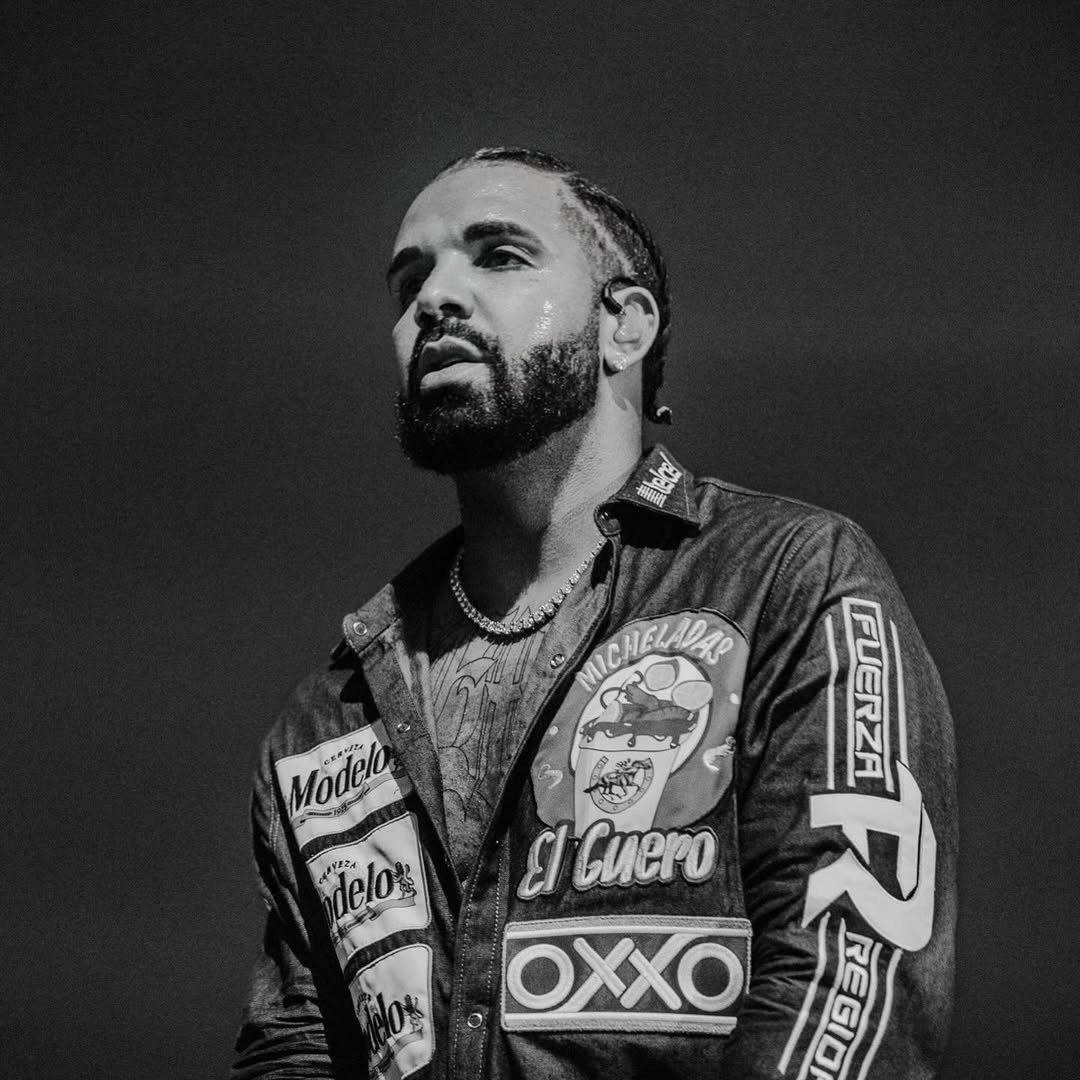
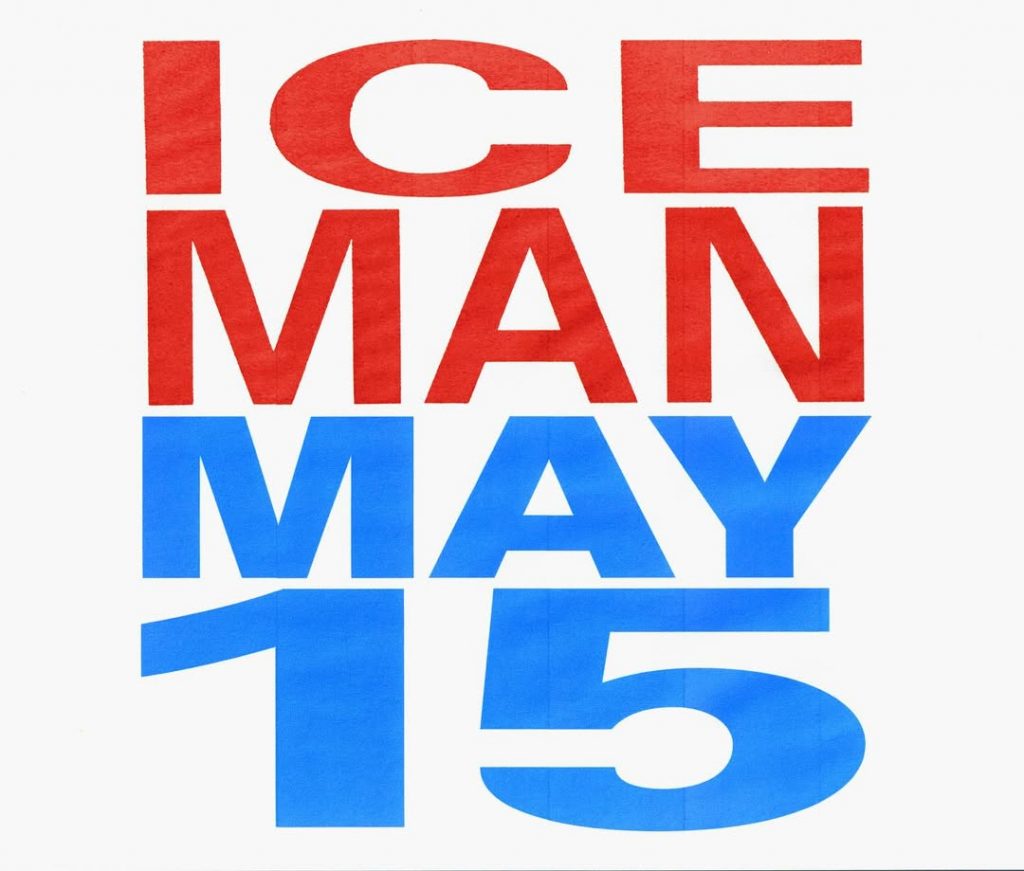
Drake’s new project Iceman is no longer functioning as a regular album release. It has become a cultural referendum. Released on May 15, 2026, alongside two surprise companion projects, Habibti and Maid of Honour, the rollout marks Drake’s first major solo statement after the Kendrick Lamar feud reshaped public conversation around his place in rap.
That context matters because Iceman is not arriving into neutral territory; it is entering a climate where Drake’s commercial dominance remains enormous, but his cultural authority has been openly questioned in ways it had never been before.
The central tension is no longer whether Drake can attract attention. He can. The more important question is whether attention still translates into authority. After Kendrick’s “Not Like Us” became a defining cultural moment, won major Grammy recognition, and carried into the Super Bowl conversation, Drake’s next solo era became inevitably loaded with expectation.
For over a decade, Drake has operated as one of music’s most efficient hit-making systems: rap, R&B, pop, diaspora sounds, internet language, and emotional confession all collapsed into one global machine. But the feud exposed a vulnerability beneath that machinery: the difference between being streamed and being believed.
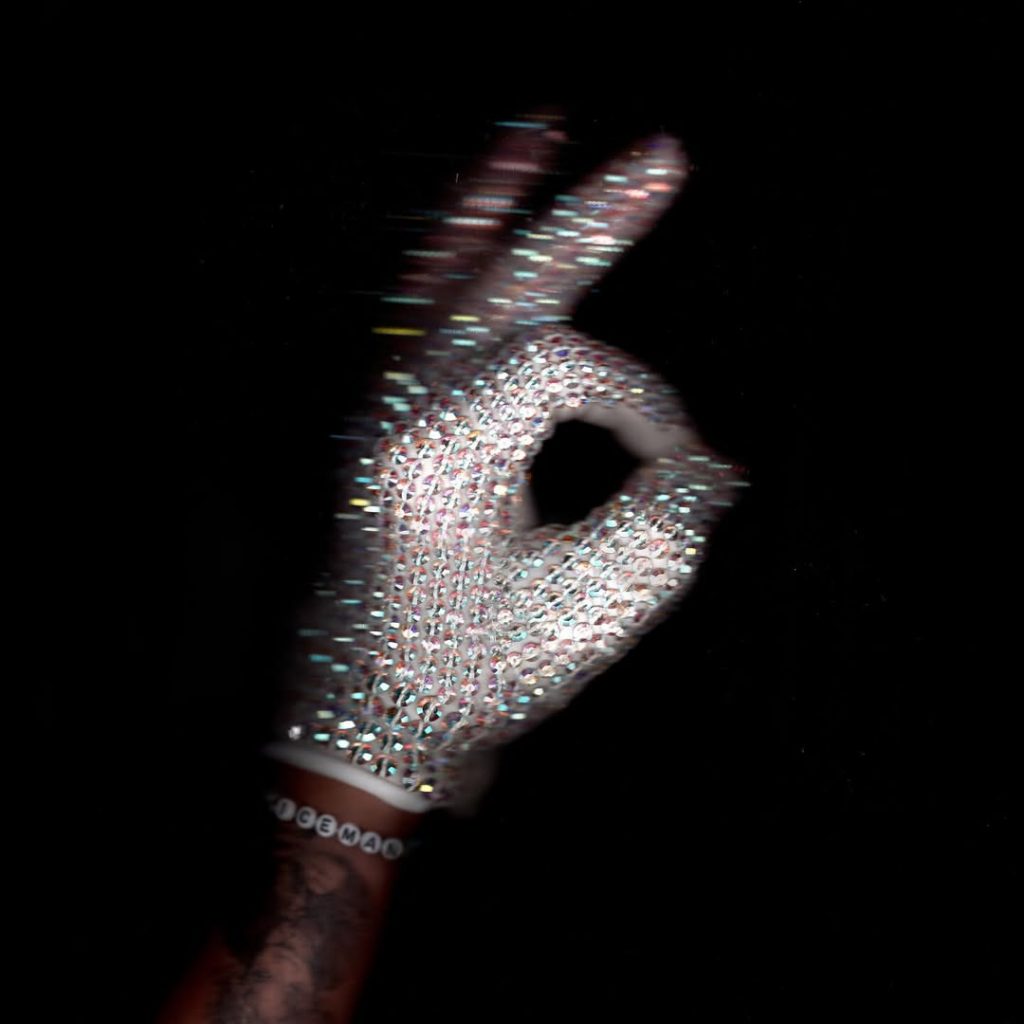
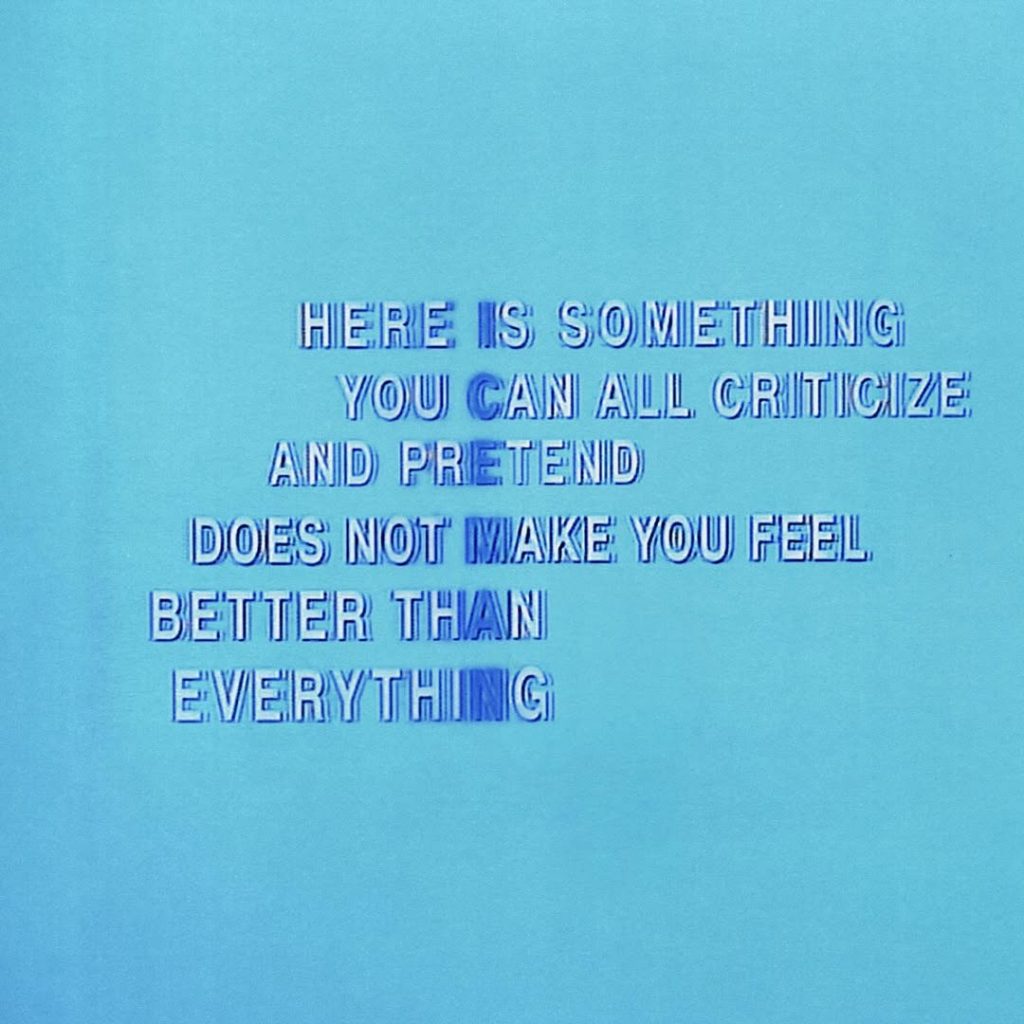
That is why the Iceman rollout is so instructive. From ice sculptures in Toronto to livestream-led teasers and cryptic visual language, Drake appears to be returning to one of his strongest abilities: controlling spectacle. The marketing has been deliberate, meme-aware, city-rooted, and theatrical, turning anticipation itself into part of the product.
Yet the project’s real test will not be its first-week numbers alone. It will be whether the music produces a new emotional argument for Drake’s relevance – whether it offers growth, vulnerability, innovation, or simply another demonstration of scale.


The reported triple-release strategy complicates the conversation further. Dropping Iceman, Habibti, and Maid of Honour at once suggests abundance, but abundance can read two ways: as creative overflow or strategic saturation. For an artist whose career has often been defined by omnipresence, the move feels both on-brand and risky.
It reminds audiences that Drake still possesses the infrastructure, collaborators, and audience gravity to dominate the digital field. But it also raises the sharper question: after a public cultural defeat, is more music enough, or does the moment require a more precise artistic recalibration?

What makes this story important for Music Custodian is the way it reveals a larger shift in global rap culture. We are watching an era where commercial power, algorithmic reach, fan armies, lyrical legitimacy, and moral perception are all colliding.
Drake is not simply releasing music after a beef; he is attempting to renegotiate his public meaning.
Whether Iceman becomes a restoration, a reinvention, or merely another massive release, its arrival confirms one thing clearly: in contemporary music, the biggest battles are no longer fought only on records. They are fought across platforms, narratives, audiences, institutions, and memory.