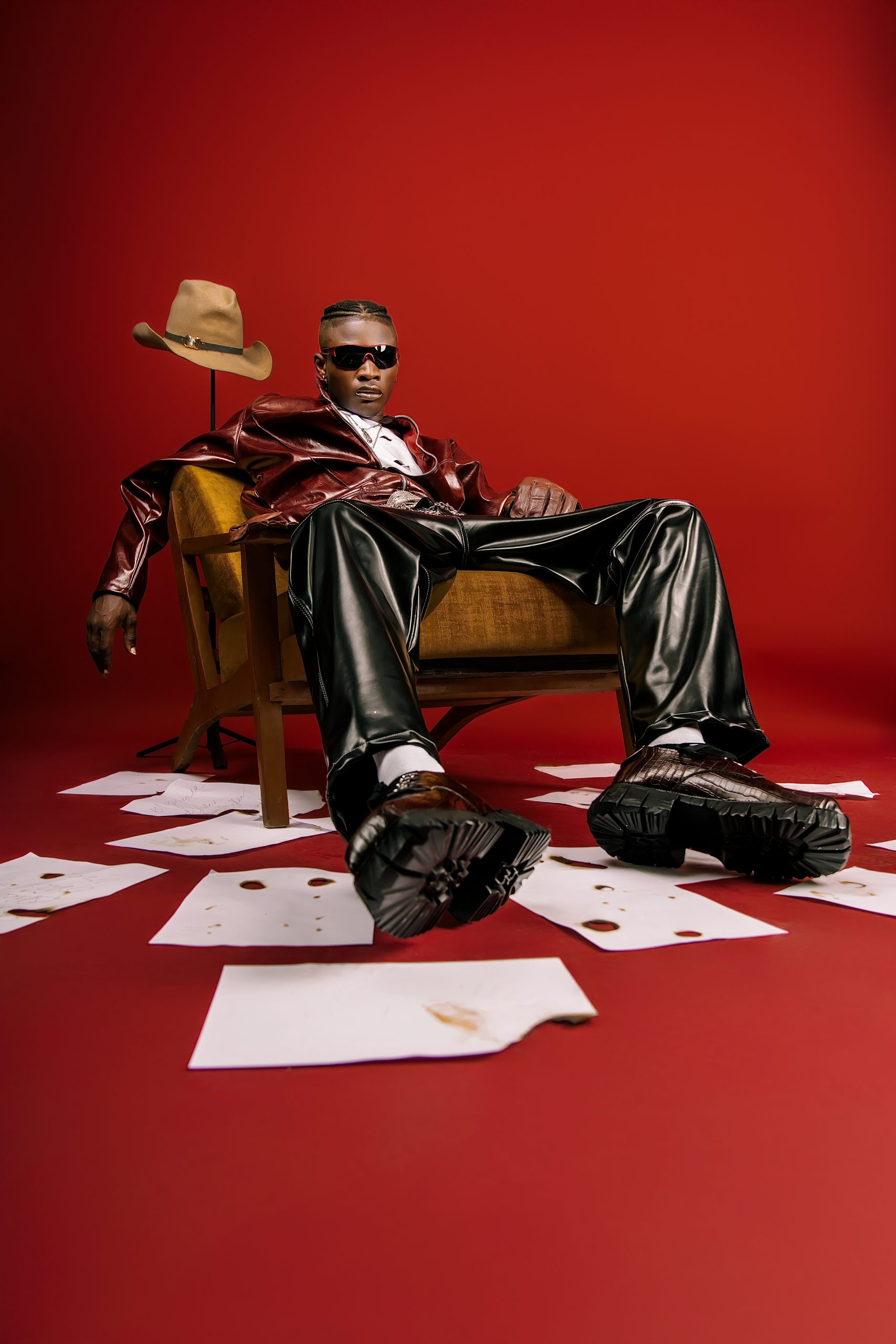
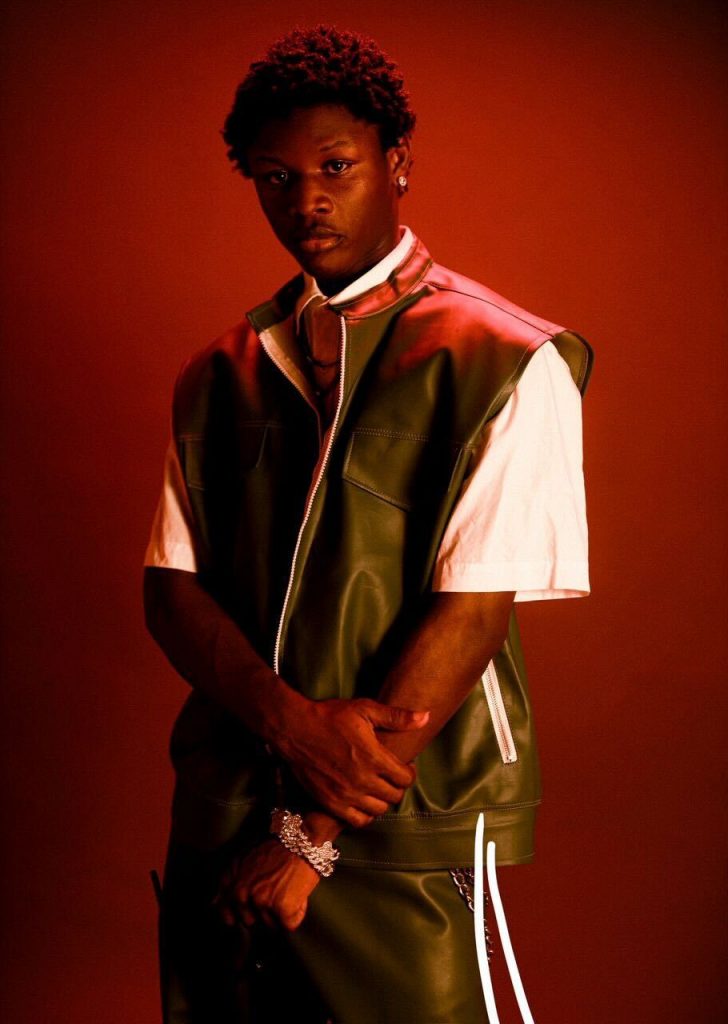
As the new year unfolds, Music Custodian opens its 2026 Custodian Conversations series with Tolibian, an artist whose journey reflects the evolving intersection of culture, humor, and music in Nigeria’s creative ecosystem.
Shortly after the buzzing release of the remix of his single “Ramadan” featuring legendary gospel musician Yinka Ayefele, we connected with Tolibian for a reflective conversation about creativity, virality, and the long road toward cultural impact.
For Tolibian, Ramadan is more than a seasonal release, one can say it’s a record built around reflection, spirituality, and communal feeling, themes that resonate deeply during the holy month. Yet his story stretches far beyond a single viral moment. It traces a path from comedy skits to music storytelling, from internet humor to building records that live within cultural conversations.
In this conversation, Tolibian opens up about his transition from comedy to music, the unexpected virality of Abaya, the role of collaboration, and why authenticity, not algorithms, remains the core of his creative philosophy.
MC: How are you, and what is going on today?
Tolibian: I´m doing absolutely great, thank you for having me.
MC: Did your comedy work open doors for your music career, and how did that transition occur?
Tolibian: I started as a comedian before transitioning fully into music. Back then, I was making skits, acting as different characters, and playing multiple roles. Comedy was my first entry point into entertainment. This skit eventually evolved into music-infused comedy, a hybrid format that allowed me to experiment with melody and storytelling.
That experimentation opened doors within Nigeria’s comedy ecosystem, where I collaborated with creators such as Cute Abiola, Twyse, and Taooma.
“At the time, I was signed under Cute Abiola Entertainment as an artist. Comedy gave me visibility, but music was always growing in the background.”. The breakout moment came with “Abaya”, a record that intentionally broke traditional song structure.
“Abaya didn’t follow the usual verse-chorus format. It felt more like a melodious dialogue layered on a beat, almost like a musical skit.”What seemed unconventional eventually became a defining signature.
MC: At what point did you realize music was more than an add-on and would be your main vehicle?
Tolibian: For me, the moment music became more than an extension of comedy was when audiences began responding emotionally to the records.
“I realized music had become the center when people started requesting more songs, not just laughing at the humor but connecting with the feeling behind the music.”
Those early releases became a period of creative discovery, where he refined his sound and learned how to translate personality into storytelling, performance, and sonic identity.
MC: Did you anticipate “Abaya” becoming viral before release?
Despite its cultural impact, Tolibian insists he never predicted the scale of Abaya’s success.
Tolibian: I believed in the record because of the feeling I had when recording it. I even changed my normal recording process that day and decided to go to a producer’s studio instead. Still, the magnitude of its virality was beyond expectation. I knew it was special, but I didn’t anticipate it becoming a cultural timestamp.
MC: How did collaborating with Raybekah on the remix influence your view of collaboration?
Tolibian: Since the song itself is built around a relatable point of view, what Raybekah did was really special because she approached it from the female perspective. That was how the remix naturally came about. That moment made me realize that collaboration is an important part of the music industry – it doesn’t always have to be just your idea from start to finish. Sometimes you can share a half-formed idea with someone else and build something even stronger together if the energy aligns.
Working with Raybekah really opened my eyes to the endless possibilities that collaboration can bring. Naturally, I’m more of a lone wolf when it comes to creating, not out of pride, but simply because that’s how I’ve always been wired creatively. But that experience helped me appreciate how powerful it can be to create with others.
Of course, I also understand that in the industry, money is often an important factor when it comes to making collaborations happen. But that hasn’t changed my perspective about working with people. If you truly believe in your dream, you have to be willing to take the risk and stay committed to it.
So far, by God’s grace, things have worked out. Whenever resources are needed, it has never been beyond what we can handle. I believe when the substance is there, people are always willing to work with you, even if the timing may not always be perfect.
MC: Do you intentionally create songs that can live on social media?
Tolibian: Social media is obviously a major platform today – it’s where creatives, businesses, and artists eventually share their work to reach a wider audience. It plays a big role in marketing and visibility. But personally, I’ve never created music specifically for social media buzz or validation. My focus has always been authenticity. For me, social media amplification is the result, not the starting point. Before anything goes online, the substance of the music has already been tested and confirmed by me offline. Whatever happens on social media is simply an extension of that effort.
As we say, ‘no be there we start to dey cook.’
Many times, the records are already fully made before I even post a freestyle or snippet online. Of course, I’m aware of how media and promotion work, and I respect that side of the process. But it’s not the center of my creative process – the music itself comes first.
MC: Was there any moment you felt boxed in or dismissed as a novelty artist?
Tolibian: Well, we’re all human, so emotions will always be part of the journey. But I’ve learned to weigh my options and keep things in perspective. I won’t be the first artist to face doubt, and I definitely won’t be the last. Even among the people who may not believe in what you’re doing, there are still many who genuinely support the music and appreciate the vision you’re building.
So I choose to stay grateful and focus on those voices instead of letting the negativity get to me. People will always have opinions – that’s just the nature of things, and others will naturally resonate with those opinions as well.


I think creatives need to understand that reality and eventually turn it into a form of affirmation: I’m not making this for them, I’m making it for myself. And interestingly, when you create from that honest place, you often end up giving the audience the best version of your work.
MC: What usually inspires your songwriting process?
Tolibian: I’d say my songwriting comes from a mix of lived experiences, cultural observation, and emotional awareness. I always want listeners to be able to take something meaningful away from the music.
Sometimes the inspiration comes from my own story, other times from the experiences of people around me. And occasionally, it might even come from an imagined situation – something that isn’t necessarily a real-life experience yet but still feels relatable.
That blend of reality, observation, and imagination is really what shapes my creative process.
MC: Is there a side of your artistry the audience hasn’t seen yet?
Tolibian: Personally, I feel there are still many introspective layers to my artistry that I’m gradually revealing over time. What people have seen so far is just the beginning – it’s like we’re only opening the first few pages of the book, and we haven’t even reached a chapter yet. Right now, I’m still shaping and defining my sound in a way that when people hear my music, they can immediately recognize it and identify it sonically. That process is part of the journey I’m still unfolding.
MC: How do you balance humor with reverence in Ramadan-themed songs?
Tolibian: I think it really comes down to understanding the culture and the significance of religion in today’s society. As an artist, my role is to interpret that cultural and spiritual resonance through my music.
It’s important to understand the core principles of the faith and be mindful when referencing religion in a song. Both sensitivities and responsibilities come with it, so it’s about approaching it with knowledge and respect, especially when drawing from the teachings of the holy book. That awareness helps ensure the message is communicated in the right way.
MC: How did the collaboration with Boj and Odumodu come about?
Tolibian: The collaboration initially started between Boj and me. It was really just a natural alignment of energy and sonic direction – everything came together quite effortlessly. Later on, OdumoduBlvck reached out to commend me about the song, and that conversation led to us connecting and building around the record as well.
From there, the synergy grew, and we ended up creating something fresh together. Interestingly, the original plan was for it to be just OdumoduBlvck and me on the record at first, but the process evolved organically.
So now you have Ramadan as a record on its own, and Ramadan Kareem as another version that carries a similar beat and instrumentation, but with additional verses from the collaborators. It all came together through genuine creative alignment.
MC: Are there contemporary Afrobeat artistes you see as complementary collaborators?
Tolibian: I’d love to mention a few names, but honestly, I prefer to keep it open. I have a lot of respect for artists who are creating genuinely and making intentional music. Those are the kinds of creatives I’d always be happy to collaborate with.
So rather than single anyone out, I’ll just say shoutout to everyone putting in the work and pushing the culture forward. There are many talented artists out there, and every one of them is important in their own way.
MC: How important is community to sustaining a viral record or a successful career?
Tolibian: Personally, I believe community is extremely important. It’s one thing for your music to go viral, but it’s another thing entirely to know there’s a real community of people out there genuinely rooting for you and supporting what you’re building
MC: In a saturated Afrobeat market, what makes you stand out among contemporaries?
Tolibian: Well, honestly, anyone can try to replicate music these days, but what sets me apart is the way I infuse culture, humour, and intentional storytelling into my work. It all comes from a personal space, and even if someone had the blueprint, they couldn’t truly be me. They might have the ingredients, but they can’t capture the real spice.
MC: How are you building towards longevity rather than immediacy?
Tolibian: Well, I’m focused on building my identity rather than chasing quick wins. I don’t rush the process, I want to create music that lasts for years. My records might not be topping charts right now, but down the line, anyone who discovers them will see the quality and the care that went into making them, and it will be worth it.
MC: Was the Ramadan-themed release timed intentionally?
Tolibian: This release was very intentional because every song carries its own relevance, and timing is key to making the impact right. With my track Ramadan, I hope to add meaning to the atmosphere of this holy month, bringing reflection, unity, and the spirituality that defines this season. I see it as part of a larger vision; creating music tied to moments like this ensures that every time Ramadan comes around, my work resonates and is remembered.
MC: Which medium feels like home — comedy or music?
Tolibian: Music is really home for me, while comedy is just an extension of that identity. I express myself more, genuinely through my music, and even though I’m not much of a talker, I believe people can feel what I’m expressing through my songs. I love the music I create, and for me, success isn’t just about charts, it’s about cultural impact, longevity, and the ability to keep creating. If I were to headline a big show, the O2 Arena would be an amazing place to share my music with a stadium singing back every word.
MC: Are there upcoming releases or projects your audience should expect?
Tolibian: I definitely have an album in the works, and I’m excited to share this announcement with Music Custodian first. The project will feature collaborations, including a track with the talented artist Firstklaz.
MC: Which of your records deserves more attention?
Tolibian: The Ramadan remix featuring Yinka Ayefele and Bhadboi OML is a track I’d sum up in one word: Reflection. Working with Yinka Ayefele taught me that learning is a continuous journey, there’s always something new to take away, no matter how experienced you are.
MC: What unexpected song is on your personal playlist?
Tolibian: There’s a Malian track by Oumou Sangaré that’s currently on my personal playlist; it’s one of those records that always resonates with me.
MC: If you were not in entertainment, what would you be?
Tolibian: If I wasn’t in entertainment, I’d probably be a creative entrepreneur or managing a major talent, still staying close to the world of creativity and artistry.
MC: Finish this sentence, Tolibian is……….
Tolibian: I see myself as an evolving expression of culture and creativity, always growing, always exploring, and always staying true to my artistry.
At Music Custodian, our mission goes beyond storytelling; our core mission is to document culture, archive creativity, and celebrate the artists shaping Africa’s musical landscape.
This conversation with Tolibian follows our Northstar and it’s a reminder of the incredible journey of creative individuals unfolding across the great continent.
We invite our community to keep following the rise of these remarkable talents, witnessing their growth, evolution, and cultural impact in real time. And for those looking to immerse themselves further in the sounds we’ve been exploring, be sure to check out our curated playlist