While the terms Hip-Hop and rap are often used interchangeably, they don’t mean the same thing. Rap is a musical practice within the wider culture of hip-hop, which also encompasses DJing, breaking, graffiti and other forms of expression. Hip-Hop transcends music. It’s the lifestyle, the cultural movement.1 Rap is the language of this cultural movement. A language that above all else, always seeks to give a voice to the voiceless. Artivism.2
When looking at Rap as a form of artivism, parallels can be drawn across the globe. Artists globally, including those in countries like France3 and Tunisia4, have long embraced rap to speak out politically.5 Typically, by youth in the most neglected parts of society and often at great personal risk.
Hip-hop emerged in part from a need for expression amidst social and economic adversity. In neighborhoods plagued by poverty, crime, and systemic neglect, rap became a medium through which disenfranchised youth could voice their realities and frustrations. The movement may have started in the US, but it has spread to all parts of the world, even Kenya.
For a genre that started only in the 1970s6, I’m fascinated by how quickly rap rose in the mainstream. It’s difficult to imagine a world where the genre did not exist. Few popular genres have travelled so widely across generations and borders.
According to Luminate’s analysis of listeners in the US, approximately one in every four streams today are for Hip-Hop.7 That scale of listening makes hip-hop’s cultural influence difficult to dismiss. Listeners respect it with their time and their money, but ironically, not always with their intellect.
There have been rappers praised for their intellect: Kendrick Lamar won a Pulitzer8 and Lupe Fiasco teaches rap at MIT.9 Yet these examples do not mean that rap’s intellectual traditions always receive the attention they deserve.
For the most part, rap is considered ‘commercial’ music, music you listen to at events, the gym, and the club. Something to set the scene while you make memories. And this is part of why Rap was formed, yes, but Rap was born from Hip-Hop, which is commercial, but also political and artistic. Rap is hardly looked at as an art, or a tool for political expression and artivism despite being one of the most accessible forms of modern artivism.
Rap works so well for artivism because the genre wasn’t created with structure in mind. It is a blank canvas. Two songs can belong to the genre but sound completely different. You don’t need to be able to read sheet music. You don’t need to be able to play an instrument. You need only have something to say. Its emphasis on voice and verbal invention can make it an accessible medium of expression, even as recording, distribution and visibility still demand resources.
I think rap is mostly disrespected intellectually. Like all cultural movements, we wear the parts we deem safe and appealing while looking away from the uncomfortable parts. Systems have always attempted to silence the parts that don’t fit into a narrative that is aesthetically pleasing. It’s why rap groups like N.W.A and Public Enemy faced so much public scrutiny.10
In Kenya, we saw it with UKOOFLANI MAU MAU. They were a Hip-Hop collective with members based in Kenya and Tanzania, best known for their 2004 album, Kilio Cha Haki.11
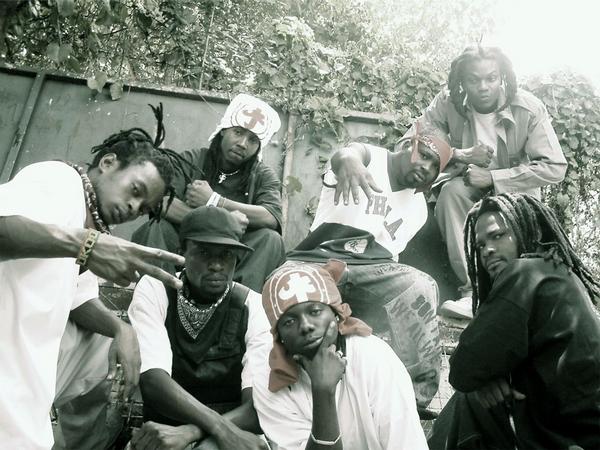
They borrowed part of their name from the anti-colonial movement that was instrumental in fighting British colonial oppression. In doing this, they joined their grandfathers and grandmothers in the fight against systemic oppression.
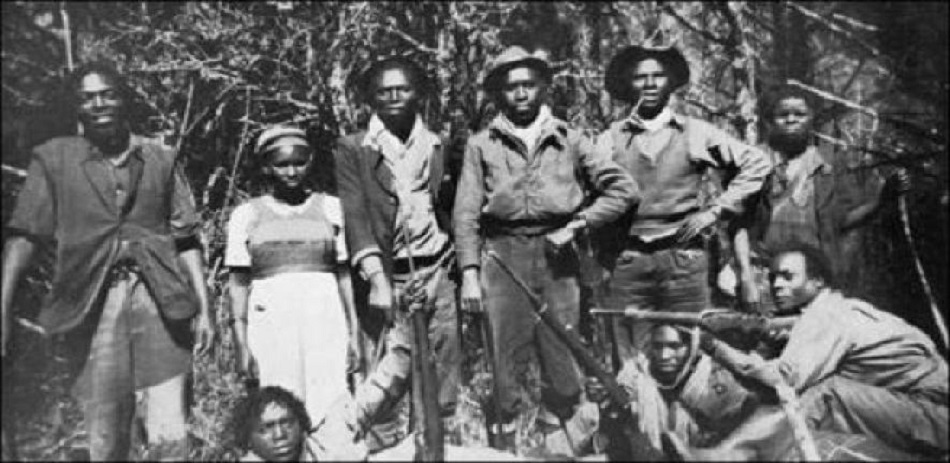
The name also evokes a longer history of resistance in Kenya. The parallels between anti-colonial struggle and contemporary hip-hop are compelling, although they should not be mistaken for a single, uninterrupted line of influence.
UKOO FLANI’s music condemned police brutality, corruption, and inequality during a time when the government pressured radio stations to blacklist political songs.14 This meant they didn’t get much airplay and their ability to earn from their music was heavily stunted (I wouldn’t be surprised if this is the first you’re hearing about them) Additionally, the mainstream pushed music that was raunchier, an occurrence that caused rap as a whole to be dismissed as “mindless” music.
Many of UKOO FLANI’s members hailed from Kibera and Dandora, neighbourhoods stigmatised as hotspots for crime and the kind of desperation that forces you to rethink morality. This, along with the fact that some rap acts perpetuated immoral lifestyles meant that the ruling class had a convenient excuse to crack down on all rap music, especially the kind that unapologetically called out their failures, by dismissing it as music that polluted the youth. Sounds familiar?
For a more current example, we can look at Wakadinali.
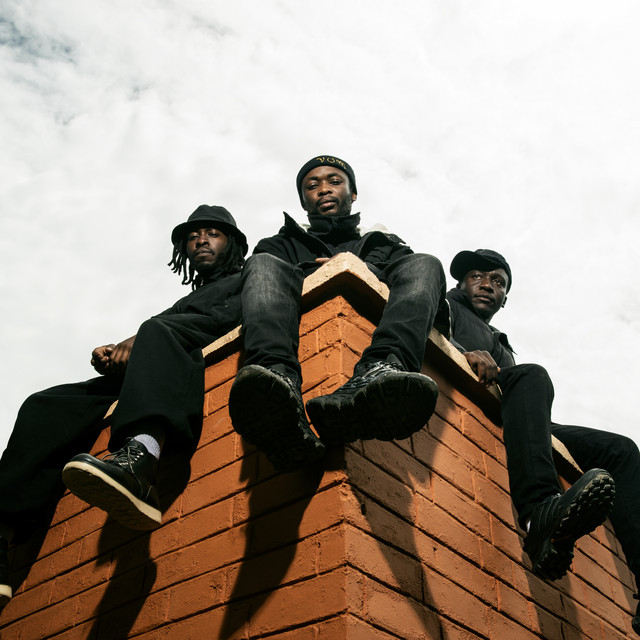
They’re in the mainstream. They have a fanbase that spans all walks of life now, but I hardly see them praised for their art and the social commentary behind their work. We hear more about rappers’ antics than their art. That’s why the court of public opinion was quick to withdraw Wakadinali’s goodwill after a show where they were alleged to have been performing drunk. The narrative they ran with is that they’re bad role models for the youth. A common sentiment being that “walitufail”
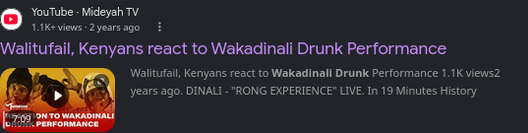
I’m not saying it was wrong for them to receive criticism. Their actions triggered important discussions about showmanship and giving fans pleasant musical experiences in exchange for their hard-earned money. However, criticism should not blind us to the social commentary in their music.
The wider significance of Sewersydaa’s song ‘Extremist’ receiving recognition through the ‘Lenga Ugaidi Na Talanta’ initiative,15 a movement that seeks to channel youth creativity towards fighting terrorism through art. In the song, he tells the story of Vojas, a young man with great ambitions but was failed by the system.
Sewersydaa details him falling into poverty, depression and a desperation that drove him to join Al-Shabaab, ultimately meeting his demise as a suicide bomber during the DusitD2 terrorist attack.16 This song is a perfect example of artivism because Sewersydaa forces listeners to link the economic neglect of his peers to national tragedies.
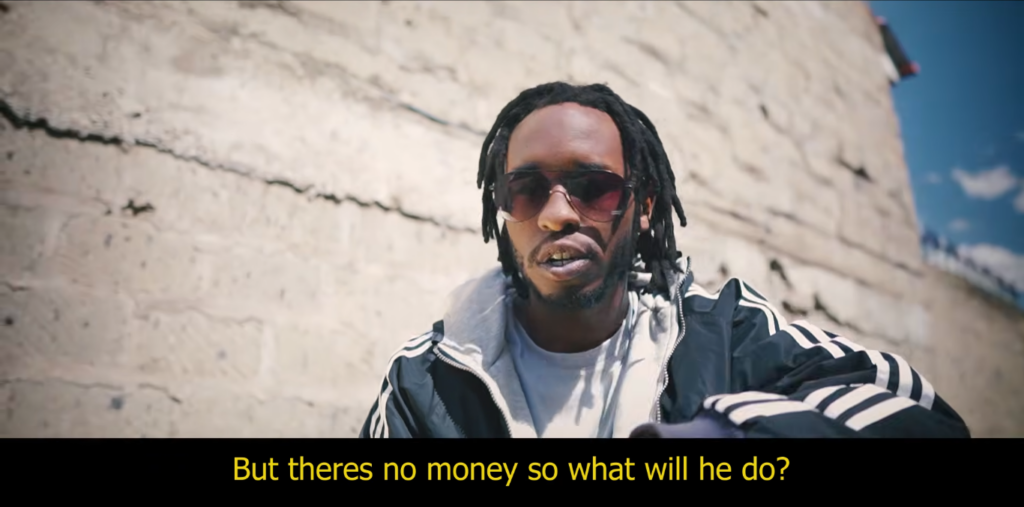
A big complaint about Wakadinali’s music is that a lot of their subject matter involves drugs and crime. But the group hails from the parts of Eastlands that many of us wouldn’t live in if we had the choice. Drugs and crime are a significant part of their environment. It is hardly surprising that these realities feature in their storytelling, although they are not the only subjects available to them.
Their music holds a big mirror to society that a lot of us are afraid to really look at, we prefer looking at the mirror only occasionally. We’ll dance to it in a club and for a TikTok challenge, then we’ll go back to our lives, all this while conveniently ignoring the fact that the lyrics we wear as cosplay are the inescapable realities of a lot of youth in Kenya.
Perhaps this type of music largely goes underreported because giving it attention means addressing the societal collapse that leads the youth into the kind of lives that they rap about.
It can be overwhelming to think of all the work that would need to go into making sure everyone has an equal chance. Maybe we’ll realise that the onus doesn’t entirely fall on the government, that we can also play a role. Even if the role is just consuming their art with the same intensity that we allocate to critically acclaimed art.
When we think of activism, we typically think about protests, boycotts and social media campaigns. But the role of art in activism is more pronounced than we give it credit for. It has the widest reach, because every one of us consumes art in one way or another. Rap holds a unique spot in artivism because it has always been one of the most unfiltered genres. Like other genres, rap also utilizes symbolism, metaphors and wordplay to get messages across. However, unlike other genres, rap has a word density that allows artists to express raw emotions with less restrictions.
Commercial popularity and social introspection do not always move together, but neither are they mutually exclusive. But music is a strong form of grassroots action against injustices we experience in our lives, and I’ll always respect Rap music and Hip-Hop culture for its willingness to confront us out of our comfort and give unfiltered perspectives of the world. All we need to do to understand it is consume it with a frame of its historical and social context.17
Considering we mostly listen to music as an escape; it makes sense that society shuns music that explicitly spotlights the ugliness we tend to look away from. But music is art and art should challenge us and introduce us to new perspectives. From NWA and the Kendrick Lamars to UKOO FLANI and the Wakadinalis, it is clear that Hip-Hop will always give a voice to the voiceless. We need only listen.
- Distinguishing Rap and Hip-Hop ↩︎
- Definition of Artivism. ↩︎
- French rap’s role in their society. ↩︎
- Tunisian rappers kept the revolution alive in 2011. ↩︎
- Rap has been used as a tool for protest globally. ↩︎
- The origin of Rap. ↩︎
- Luminate mid year report 2026. ↩︎
- Kendrick Lamar’s Pulitzer win. ↩︎
- Lupe Fiasco at MIT. ↩︎
- The political origins of rap. ↩︎
- Background on UKOO FLANI MAU MAU (Upendo Kote Olewenu Ombeni Funzo La Aliyetuumba Njia Iwepo). ↩︎
- Connection between the Mau Mau and the Black Panther movement. ↩︎
- UKOO FLANI interacted with them and the inspiration they gained from the Panthers bled into their music. ↩︎
- The Kenyan government put pressure on local radio stations to refrain from playing UKOO FLANI’s political songs. ↩︎
- Sewersydaa being presented with the award. This TikTok is one of the only sources I could find, a testament to how much the media ignores rappers telling positive messages through their music. ↩︎
- The DusitD2 terrorist attack. ↩︎
- The Social Significance of Rap & Hip-Hop Culture. ↩︎