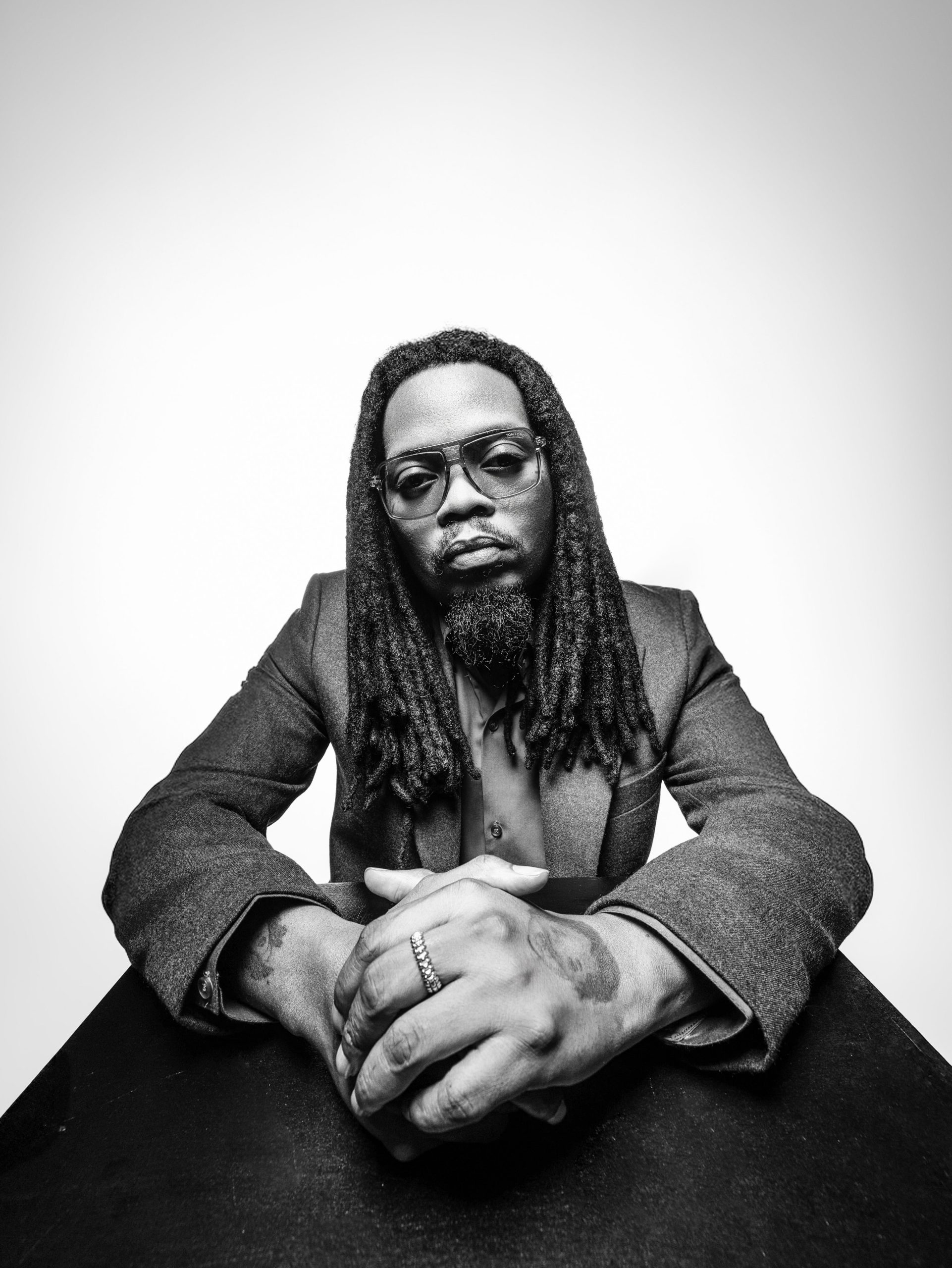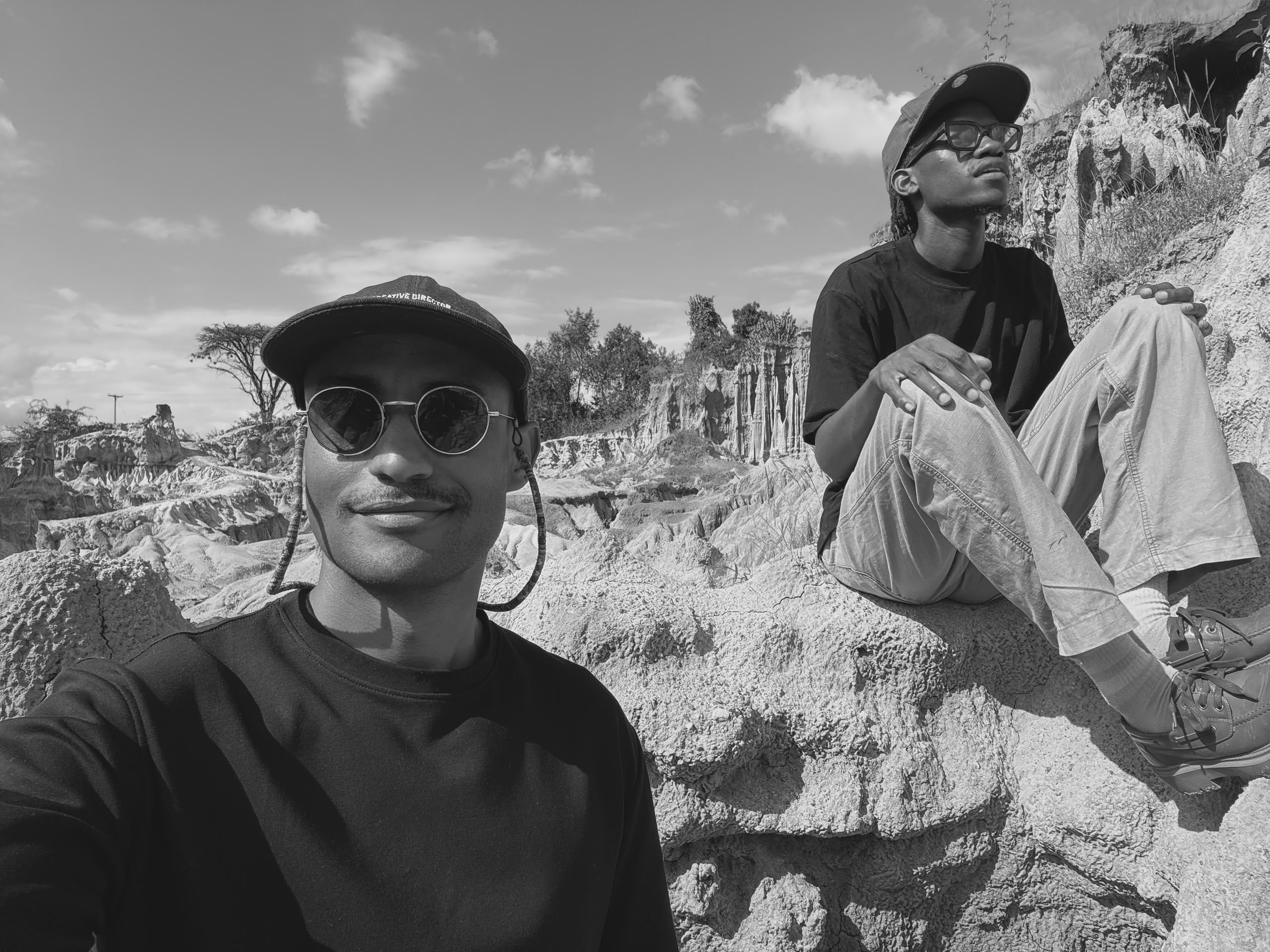
There’s a raw truth that runs through the streets—a rhythm of survival, of hustle, of becoming. For those born into the everyday realities of the low class, music isn’t just sound—it’s a lifeline, a language, a code. And while many echo the struggle, few turn it into a movement as boldly as Islambo.
From Nigeria to Cape Town and beyond, Islambo is building a new sonic religion he calls Lamba—a sound deeply rooted in the street, born from slang, and carried on the pulse of indigenous flair and house beats. With signature ad-libs like “Haibo” and “Hold something”, he’s not just blending genres—he’s connecting realities, amplifying voices, and reshaping what street music sounds like today.
We’ve had our ears to the pavement and our hearts wide open—and one name keeps rising above the noise: Islambo. The genre-bending architect behind the street-shaking anthem “LAMBA YI” isn’t just making music—he’s laying the foundation for a full-blown movement.
From his humble beginnings on the gritty edges of the street to a fast-rising spotlight in the mainstream, Islambo is shaping what he calls a New Street Renaissance. His sound—rooted in the everyday hustle, layered with indigenous flair and global house textures—isn’t just catchy; it’s culture, it’s language, it’s Lamba.
We recently got the chance to step into his mind, peel back the layers, and catch the gospel straight from the source. This is a conversation you’re going to enjoy. Let’s dive into it—as always, only here at Music Custodian.
Early Background
Hey Islambo! How are you feeling today? And how’s Cape Town treating you?
Islambo: I dey alright, everything is good over here. Thank you
Music Custodian: Let´s dive into it then. You began recording music at the age of 11. What do you remember about your earliest attempts at making music, and what kept you going?
Islambo: First off, I’d say music has always been a part of me. I was raised in a religious home and spent a lot of time in church, so it felt natural that I’d find my voice there. I recorded my very first single at the age of 11, and that experience was incredibly nostalgic for me. My church had a small studio where we’d prepare recordings ahead of Sunday services, and I was fortunate enough to be one of the few young people chosen to be part of that process.
Looking back, it’s wild to think how much that shaped me—because I grew up in the heart of a ghetto, surrounded by chaotic energy, rowdy neighborhoods, and tight, packed ‘face me, I face you’ apartments. There were different churches all around, each with its sound and energy. Outside of church, I was constantly exposed to a mix of sounds—Fuji blaring on one side, Sean Paul on another—while still holding on to gospel. All of that influenced the way I hear and create music. I remember every year when the church wanted to release new music, I’d be asked to write a verse—even as a kid. That responsibility gave me room to experiment. Sometimes I’d mix in Sean Paul’s style with Fuji elements or even draw from legends like Barrister and Sunny Ade.
I’ve been creating music since the days before digital streaming was even a thing. Back then, I didn’t understand the business side—nobody was talking about royalties or intellectual property the way they are now. I was just making music because I loved it, and people connected with my style.
Of course, there were moments when I doubted myself—especially seeing others get recognition even though I’d been in the game longer. But I had to remind myself: this is my calling. As long as I’m creating from a place of passion, I’m exactly where I need to be. That decision—to stay grounded in the joy of music—is one I made a long time ago.
Music Custodian: You’ve described Lamba as more than a genre—almost like a coded language. What does it represent to you personally and musically?
Islambo: For me, Lamba is more than just a sound—it’s a mirror of my upbringing. It tells the story of a ghetto kid navigating the delicate balance between street life and school life. I like to think of myself as a refined echo of old-school street energy, if that makes sense—like an evolved version of that gritty, raw reality.
Back then, there weren’t platforms like Apple Music, Spotify, or Twitch to share our voice and stories. But today, I see myself as a bridge between two eras. I’m using this modern space to reintroduce the street—not in a way that glorifies struggle, but in a way that brings understanding and intrigue to those who’ve never lived it. Through my music, I’m translating that life with style, giving people a reason to lean in and listen.
Defining Lamba & Redefining Afrobeats
Music Custodian: In some of your words, Lamba twists familiar Afrobeat into something sharper and more dynamic. What inspired you to take that creative leap?
Islambo: I’ve always been someone who looks ahead—someone who’s curious about what’s next. Over time, I started to pay attention to the diversity in our soundscape: Fuji, Apala, Amapiano, Afrobeat, Blues, Reggae—you name it. While I once followed what everyone else was doing, I reached a point where I knew I had to carve my lane.
That’s when I discovered House music during my research—a genre that fascinated me. I learned that it’s one of the foundational sounds that gave birth to Amapiano here in South Africa, where I currently live. The history behind it, its rhythm, its roots—it all pulled me in.
So when I created ‘Lamba Yi,’ it wasn’t random. I took time to study, understand, and respectfully blend that sound with my own identity. The result connected with people, and that moment validated my decision to explore and innovate rather than imitate.
Konsoliday EP: Gritty, Street Roots, and Full of Intention
Music Custodian: The Konsoliday EP consists of only eight tracks, featuring just three guest artists. What was the intention behind keeping it tight and avoiding filler?
Islambo: Right after I dropped ‘Lamba Yi,’ it felt like a re-introduction to my sound—and the response was wild. The track started going viral, and the momentum kept building. At the same time, a freestyle I had posted online was also gaining traction. People were tagging me, messaging me, telling me to release it as a full song. I listened. I announced the release date on social media and got to work. Now, one thing about me—I’m constantly recording. Everywhere I go, I find a way to turn the space into a mini studio. So turning that freestyle into a full record, now titled Marindoti, came naturally. I had it ready and was counting down to the release date when CDQ reached out. He told me he loved the song and wanted to jump on it. I was hyped.
Just three days before the original release date, CDQ sent me his verse. It was fire. I knew instantly we had to do this right, so I pushed the release by two weeks to make space for the feature—and when Marindoti dropped, it lit up again. By that time, I was in South Africa, and I could feel how much people wanted more from Islambo.
So I traveled back to Nigeria for shows and media runs—and began building my EP. That project now has three key collaborations: CDQ, Citiboi, and Snatty. Snatty is a South African artist who represents that rich African sound. The record we made together was already resonating heavily with the South African audience, so it only made sense to include it on the EP.
Citiboi, on the other hand, is more than just a collaborator—he’s my sound engineer, producer, and a creative brother. He rarely understands my sound, and I trust him with the full vision. Featuring him on the project felt natural because he’s played such an important role in shaping how the EP sounds overall. I’m big on quality, and with both of them, I knew I had the right people around me to make something special.
Music Custodian: How did you choose the collaborators for this project, and what made each of them right for the vision?
Islambo: First of all, I’d say it all comes down to synergy—and Citiboi and I have shared that creative synergy from day one. Even before ‘Lamba Yi’ started making waves, we already had a record out together titled ‘Lamba 247’. So, when some of my freestyles started going viral, I’d naturally reach out to him and say, ‘Let’s hit the studio.’ He’s been solid and consistent with me from the jump.
As for Snatty, she’s an incredible vocalist, and I’ve known her music since I moved to Cape Town. At the time I started experimenting with new sounds, I felt it was important to tap into the essence of where I’m currently based—South Africa—the home of House music and Amapiano. Snatty understands the roots and textures of the sound, and having her on the EP added that authentic local energy I was looking for.
Then there’s CDQ, who’s been showing love and supporting my music right from the beginning. When he heard ‘Marindoti’, he immediately expressed interest in jumping on it—and that collaboration elevated the record even further. So, when it came down to choosing collaborators for this EP, I just followed the vibes and trusted my instincts. These are artists I genuinely connect with, creatively and personally, and that chemistry reflects in the music we’ve made together.


Street Culture, Language & Energy
Music Custodian: A lot of your sound and lyrics speak directly to the streets. How do you stay tapped into that energy while operating from a different country?
Islambo: There’s a popular saying that goes, ‘You can take someone out of the streets, but you can’t take the streets out of them.’ That resonates with me. No matter where I am in the world—whether it’s Cape Town, Paris, or anywhere else—my roots remain deeply tied to home.
When I’m looking to unwind or be entertained, I don’t immediately turn to international content. I find myself going back to our classics—watching old Gbenga Adeboye skits or a compilation like ‘Best of Okele’. That’s not to say I don’t enjoy artists like Lil Durk or Meek Mill, but when it comes to leisure and laughter, I naturally gravitate toward Nigerian content creators like Sabinus and others who reflect our humor and stories.
I still eat my Nigerian food, I stay tapped into what’s going on back home, and I regularly connect with my friends and the people on the streets. They keep me updated and grounded—it’s like my body might be here in Cape Town, but my heart and soul never left the streets. Even as I chase my dreams and expand globally, I always know where I come from and where to go when I need to reconnect or do research for my music and storytelling. The culture is in me, and I carry it everywhere I go.
Music Custodian: What does it mean to carry “authentic Naija energy” in a time when a lot of street music is being diluted for broader appeal?
Islambo: First things first—I genuinely believe in my art. Deep down, I’ve always known that I’m capable of so much more than just making music. That might come from my background—I majored in Fine and Applied Arts, so I know my way around painting and drawing. A fun fact many don’t know is that most of my videos on YouTube were edited by me. I directed and edited about 90% of the visuals from my KONSOLIDAY project. That’s why I don’t want to be boxed in as just another “razz street artist.” I want people to experience the full essence of who Islambo is—my sound, my style, my visuals, and the art that ties it all together. That’s also why I didn’t go the usual Afrobeats route. I intentionally chose House music to make a statement. I want my sound to transcend borders. I want a Mexican listener to feel something—even if they don’t understand the language—just like how I enjoy South African or Spanish songs based on their rhythm and melodies alone.
I’m creating music that still elevates the streets but is accessible to the world. And yes, I’ve felt some pressure over time—to pivot or make something more commercially viable—but I’ve stayed focused. Instead of conforming, I’ve continued to add value to myself, sharpen my craft, and stick to my unique path. I’ve been around since the days of Ksolo and Danny Young—I was a kid back then, already creating. Today, I keep my head down, do my research, and stay grounded in my lane, because I know what I’m building. No one else is doing exactly what I’m doing—and I’m proud of that.
Philosophy, Discipline & Creative Risk
Music Custodian: What does your creative process typically look like, from idea to recording?
Islambo: I think one thing that stands out in my music is how much I lean into a state of mind when I create. Every beat I jump on puts me in a certain headspace. Sometimes, I’ll tap into the mindset of my 14-year-old self—those early days in church, the energy of the streets, secondary school memories—all of that plays into how I write and deliver my lyrics. If you listen closely, you’ll notice it’s different from how most artists tell their stories.
Other times, I find myself channeling the feeling of singing in the junior choir or even reflecting on my university days. It’s not forced; it just flows naturally from those mental spaces. And it’s not always about me—sometimes it could be a conversation I had with a friend or something that happened way back, say in 2015, that sparks something in me.
One of my favorite lines I’ve ever recorded is: ‘Wa berumi ni ibode, ma tewo si onibode’. Till today, people still ask me what I was thinking when I dropped that. It just shows how deep I get into that zone when I’m creating—it’s never surface-level for me.
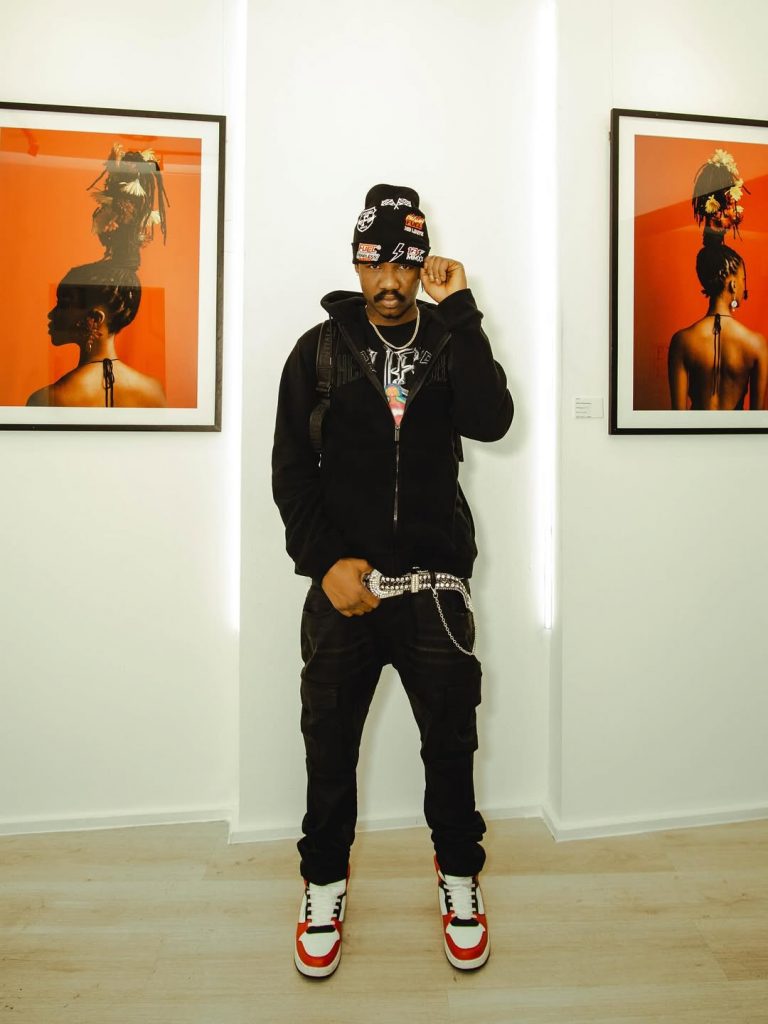
Music Custodian: What’s something you had to unlearn about being an artist to fully step into your current sound?
Islambo: At the start of my journey, I used to be overly cautious with my music. I was caught up in wanting everything to be perfect—constantly overthinking things like, “What if this doesn’t work?” or “Should I even do it this way?” But with time, I realized I had to let go of that mindset. Now, when those doubts come up, I remind myself to shut them out and just enjoy the process. That freedom has made me sound more honest and expressive.
As for influences, I’ve been shaped by so many sounds—growing up, I listened to legends like Obesere, Remi Aluko, King Sunny Ade, Ebenezer Obey, Saheed Osupa, Pasuma… even international acts like Sean Paul, 50 Cent, and especially 2Pac. 2Pac’s persistence struck a chord with me. That same fire—I see it in Burna Boy too. His boldness with his craft taught me the importance of owning your sound unapologetically.
Wizkid’s journey also showed me that you can rise from the streets and still move with finesse. Rema inspires me with his style and fearlessness, while Brymo’s depth in songwriting reminds me to keep my pen sharp. And when it comes to delivery, Olamide has been a big influence—he made me realize that being the voice of the streets doesn’t mean you can’t evolve or stay fresh. I see myself as a new version of that—authentic, but pushing boundaries. I’m very aware of the era we’re in and how important it is to balance influence with originality. So even as I take lessons from those who came before me, I’m doing the work—reading, researching, evolving—so I can create my blueprint and leave my mark.
Music Custodian: Your latest releases, Wire Check, AfroBTC, hint at a deeper cultural code. Can you talk us through how street language informs your writing and sound?
Islambo: One fun fact a lot of people don’t know is that I dropped both songs at the same time intentionally—it gives off that “Part 1 and Part 2” energy, like when you’re watching a movie and you’re eager to see how the story unfolds. Both tracks are connected, both thematically and emotionally.
The inspiration behind AFROBTC comes from the different stages of being an upcoming artist, especially the transition from just making music to earning from it. After dropping my EP, these songs were a kind of follow-up release. They served as a moment of self-affirmation, a reminder to myself that the sound is expanding, the audience is growing, and the music is beginning to pay off. It’s a testimony to progress.
The theme and language of the songs touch on the concept of music as a business—a commodity, even. I was simply using everyday street slang and language to express this idea. The title AFROBTC itself is a playful reimagining of “Afrobeats,” flipping it into something symbolic of the new era—AFROBTC being a nod to cryptocurrency and digital currency as new-age earnings. In this age, we don’t have to chase local Alaba promoters to make money from our craft anymore—streams, coins, and global audiences are all part of the equation now.
But to be clear—these songs don’t promote fraud or any negative activity. People who listen and understand the lyrics will catch the deeper meanings. I even laced the records with a few Biblical references to balance it all out. That way, people from the streets get their message, and those outside the streets can also take something meaningful away. That’s really what AFROBTC represents for me: street truth, self-belief, and the modern music hustle.
Music Custodian: Have you ever made a song or taken a direction you later regretted? How did that moment shape your evolution?
Islambo: When it comes to my music and the journey so far, I honestly have no regrets—none at all. The only challenges I’ve faced are just the ups and downs of life itself. But even in my lowest moments, I still find joy in creating.
I’ve invested my own money, time, and energy into this path—even when the results aren’t showing immediately. And still, I don’t feel any sense of loss. Instead, I feel fulfilled. Because at the end of the day, I get to watch my visuals, listen to my sound, and feel proud of the craft I’m building. That alone keeps me going. I genuinely love what I do—and most importantly, I love myself through every part of the process.
Home in Cape Town, Eyes on the World
Music Custodian: Living in Cape Town now, how do you see your music bridging cultures or sparking conversations beyond Nigeria?
Islambo: First of all, I give thanks to God for everything and how far I’ve come—especially since my breakout single, Lamba Yi.
Cape Town is quite a small city in South Africa, and I remember when I left Nigeria last December to return there. Before that trip, I’d already noticed that some people—maybe 10 to 15% of the Nigerian community in Cape Town—were listening to my music. But after I went back to Nigeria, performed at shows, and became more active on social media, something shifted.
By the time I returned to Cape Town, I was shocked—my music had spread like wildfire. The listenership doubled, and I suddenly had about 45% of Nigerians in Cape Town following my music. People would stop me in elevators, at supermarkets—taking photos, showing love—and most of them were Nigerians. Then, after I dropped my EP, the growth became even more obvious. Right now, I can say about 90% of Nigerians in Cape Town are listening to my music. I’m getting booked for shows and gigs regularly—something that wasn’t happening before.
So honestly, both Nigeria and Cape Town have been instrumental in shaping my journey. That trip back to Nigeria in December completely changed my trajectory. It helped my music go viral, and I’ve now built a strong connection with both cultures—100%. My audience is a vibrant mix of Gen Z and millennials, and they’re riding with me every step of the way.


Music Custodian: Has your audience changed since relocating? Do you approach music differently now that you’re outside your home base?
Islambo: Honestly, I don’t think my audience has changed—I’ve just grown and added more people to the tribe. From the start, I’ve had a mix of both the older generation and the newer generation tuning in to my music. What’s beautiful is that the older audience, in a way, is helping guide the younger ones. Everyone’s connecting through the music, and it feels like they’re all becoming part of the Islambo story together. It’s not about switching lanes—it’s about expanding the family.
Music Custodian: What role do you see Lamba playing in the global Afrobeat conversation in the next few years?
Islambo: I see Lamba following a similar path to what Trap did for Hip-Hop—an unexpected explosion that redefined the sound.
That’s the trajectory I believe Lamba is on. It’s a sound that will carve out its own space, a new frontier that might surprise everyone. People often assume that once you sing in Yoruba, it automatically falls under Afrobeats. But if you listen to the sonic elements of my music, it leans heavily towards House and Amapiano, not Afrobeats. Of course, based on popular classifications or how the industry tags music, it might get boxed into Afrobeats. But if you played three or five South African house tracks alongside mine, you’d hear the overlap—sonically, they’re close cousins.
I don’t worry too much about the labels, though. I just love creating music. Whether it’s Afrobeats, House, or a sub-genre, I’d rather call it African music. Like Asake said, “I don’t know the sound, I sha know say na sound.” [Laughs]
What’s Next for Islambo?
Music Custodian: If your next body of work had a title today, what would it be—and what would it mean?
Islambo: Haha, that’s a tricky one! Honestly, I don’t have a title for it yet because right now, I’m just flowing and letting the creative process lead me. But if I were to give it a name, it would be something that captures the essence of my sound—something that helps my fans understand the energy and direction I’m taking. Maybe a title like “Àlàshàkàshà” or “Lambactivity”—something bold and familiar that connects with what my listeners already know and feel from me.
Music Custodian: What’s one thing you want listeners to feel after hearing your music?
Islambo: What I want people to take away is that the street has evolved—it’s not just about the struggle anymore. It’s about potential, creativity, and resilience. I’m trying to paint a picture through my music that people from the street can become global pioneers and icons. Look at Olamide, Rahman Jago, even Meek Mill—they all came from that background and are now part of the global conversation. So for me, music is my way of telling that story, of showing the world the richness and power of street life in a new light.
Music Custodian: How would you describe the sonic DNA of Lamba to someone hearing it for the first time?
Islambo: I’d describe Lamba as street slang layered on House music—a fusion that speaks directly to the Nigerian experience. It’s that familiar street energy placed on global rhythms, something every typical Nigerian can vibe with and relate to, no matter where they are.
Music Custodian: As a pioneer of street-rooted sound, what kind of legacy do you want Islambo to leave—not just in the charts, but in culture?
Islambo: At the end of the day, music is a universal language—it doesn’t matter where you’re from, you can become whoever you want to be. The legacy I want to leave behind goes beyond just Lamba. Whether it’s Apala, Fuji, or any sound you choose to explore, as long as you can find that bridge and connect with people, go for it. That’s what truly matters.
And just like that, we come to the end of our deep dive into the gospel according to Islambo—the self-proclaimed prophet of Lamba and the leading voice of a New Street Renaissance. What we’ve witnessed isn’t just a sound—it’s scripture in motion. Islambo isn’t here to follow. He’s here to rewrite. To reimagine. To reconstruct the narrative of what it means to come from the street—and more importantly, where the street can go.
So whether you call him a genre-bender, a cultural translator, or the street’s new messiah, one thing is clear: Islambo is writing his religion. And the scriptures? They sound like “Marindoti.” They move like “Wire Check.” They live in every ad-lib, every verse, every beat that reminds us: the street is still holy ground.
We’ll be listening closely, tuning in to every drop, every word, because when Islambo speaks, the street doesn’t just listen, it echoes. Until the next revelation, dive into his sound on our curated Custodian Gems playlist—where the gospel of Lamba plays on.