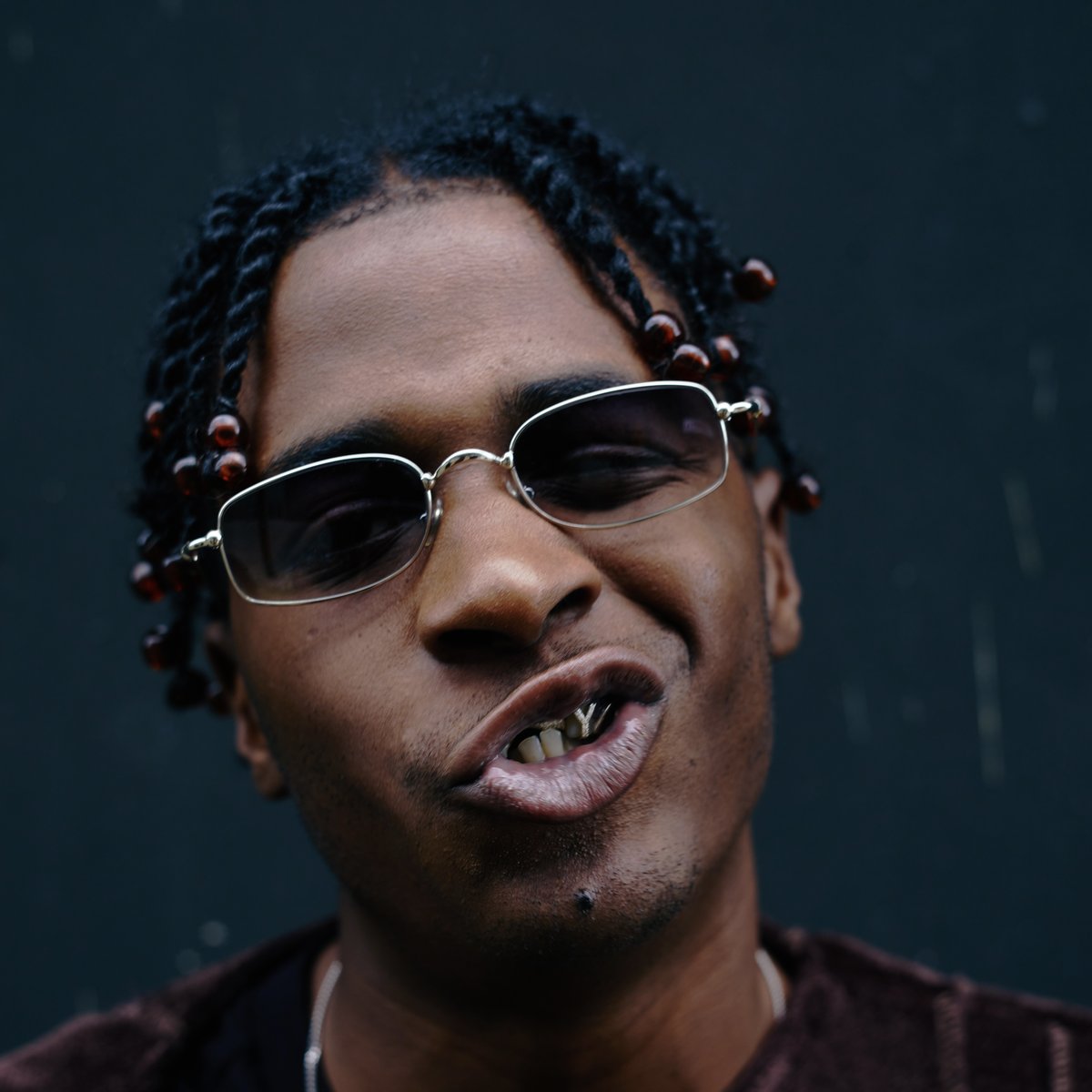
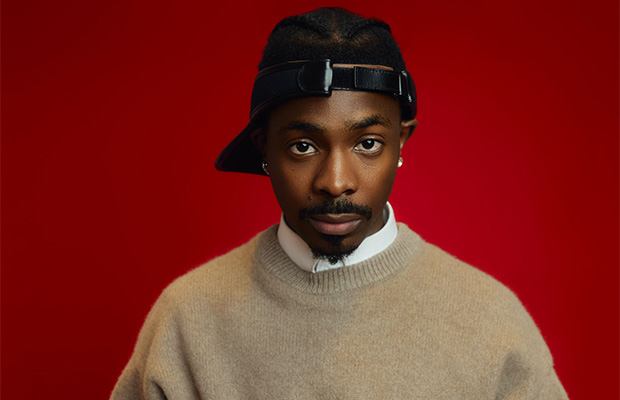
There are artists who cross genres because the industry demands versatility, and there are artists whose music naturally refuses the borders placed around it. Yamê belongs to the second category.
The French-Cameroonian artist has built his musical identity somewhere between rap, jazz, soul, R&B, French chanson, and African musical traditions. His voice can move from a tightly delivered rap cadence into something more theatrical and melodic; his piano playing can turn a hip-hop foundation into something closer to jazz or chanson; and his writing frequently moves between the intimate and the cultural.
That refusal to settle neatly into a category has become central to his appeal.
Yamê first attracted a wider audience through his COLORS performance of “Bécane”, but the story of the artist begins well before that moment. Born Emmanuel Sow, Yamê grew up between French and Cameroonian cultural references, with music already present within his family.
His father was a musician, while his mother worked in computing. He would eventually become a self-taught musician himself, developing through Parisian jam sessions before launching his solo career in 2020.
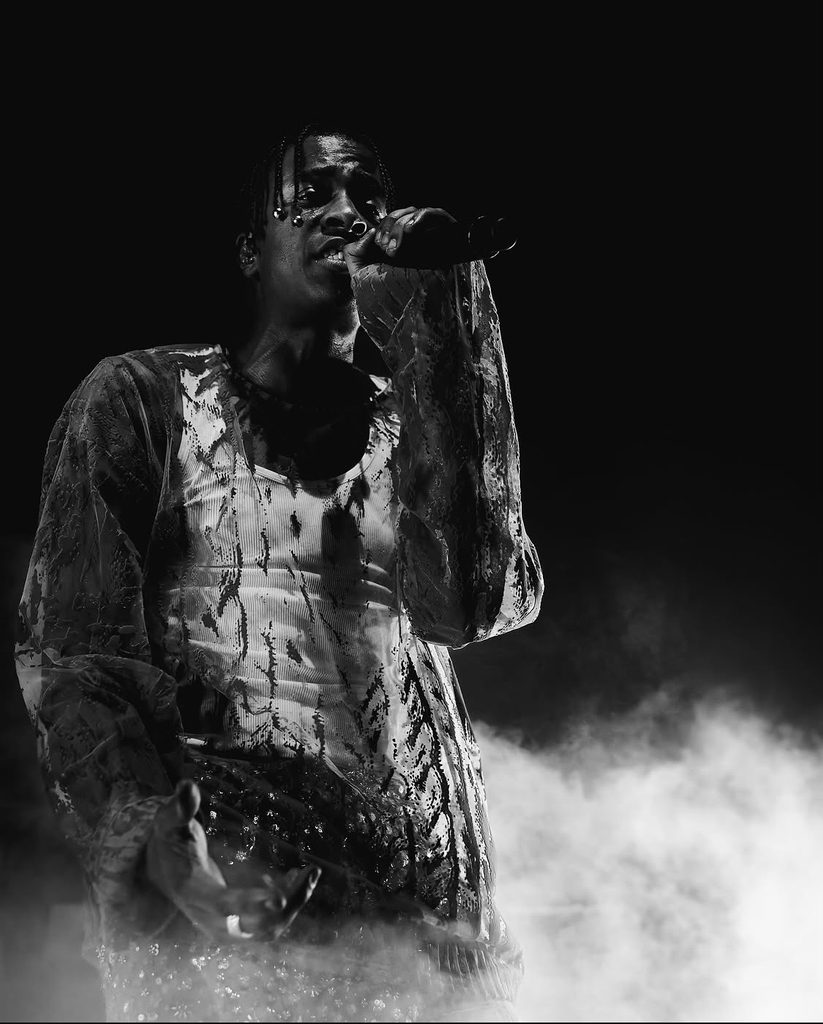
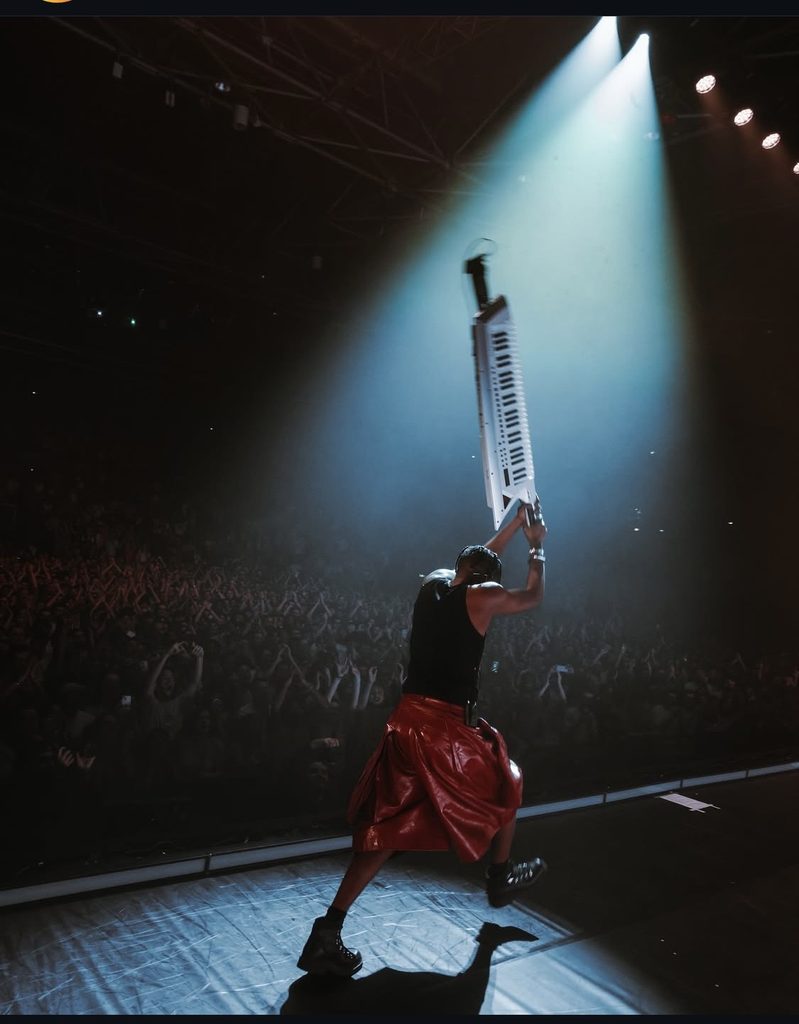
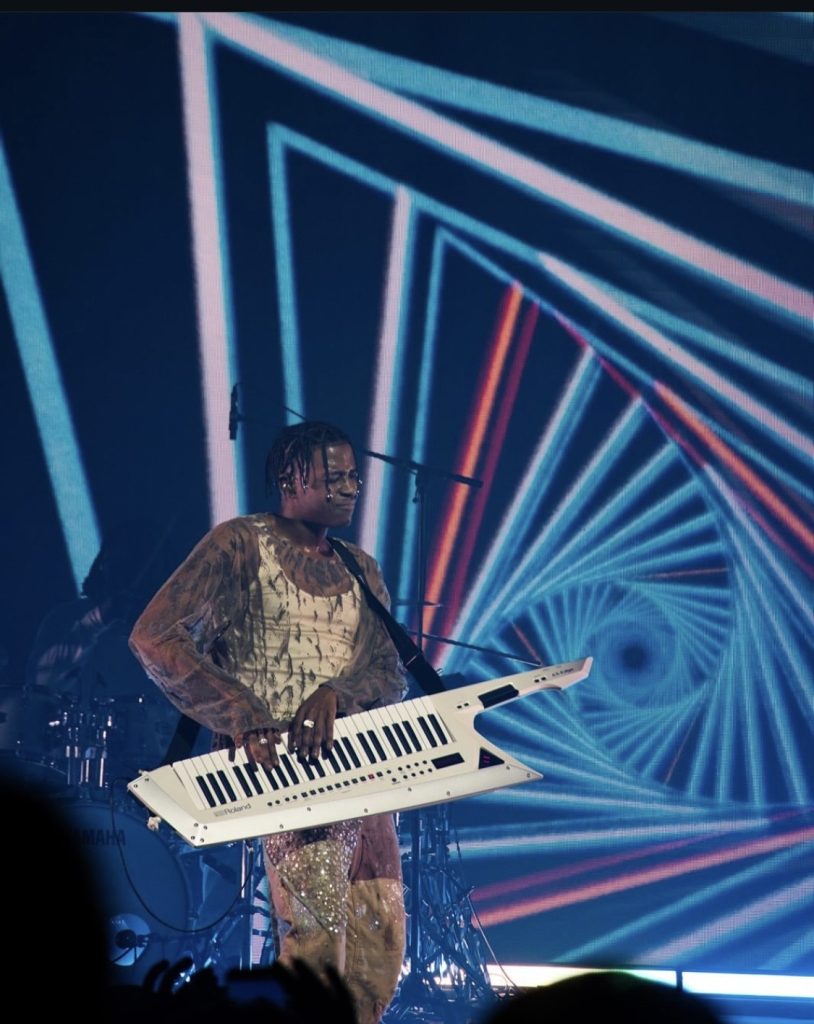
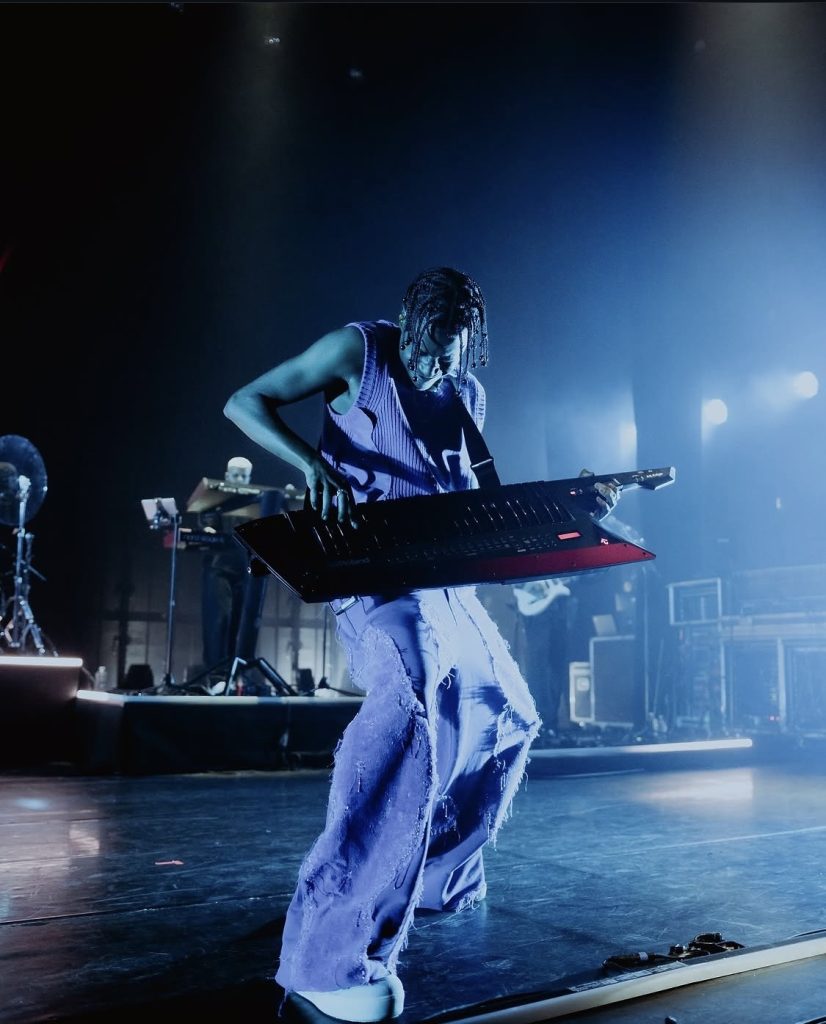
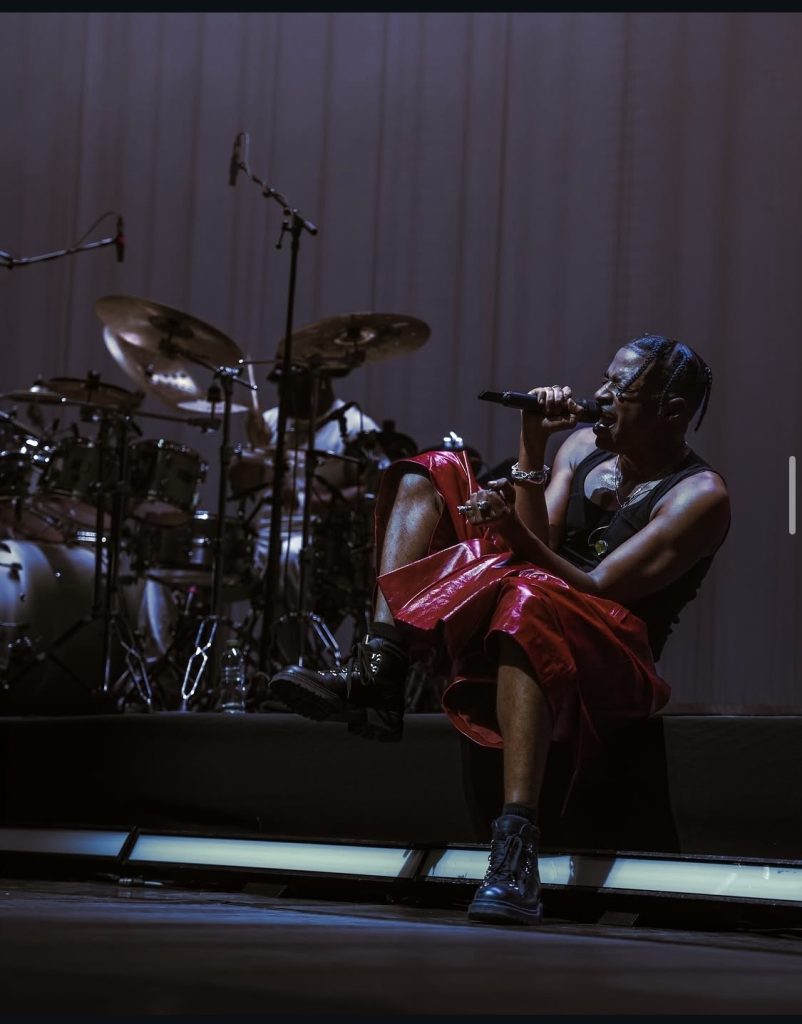
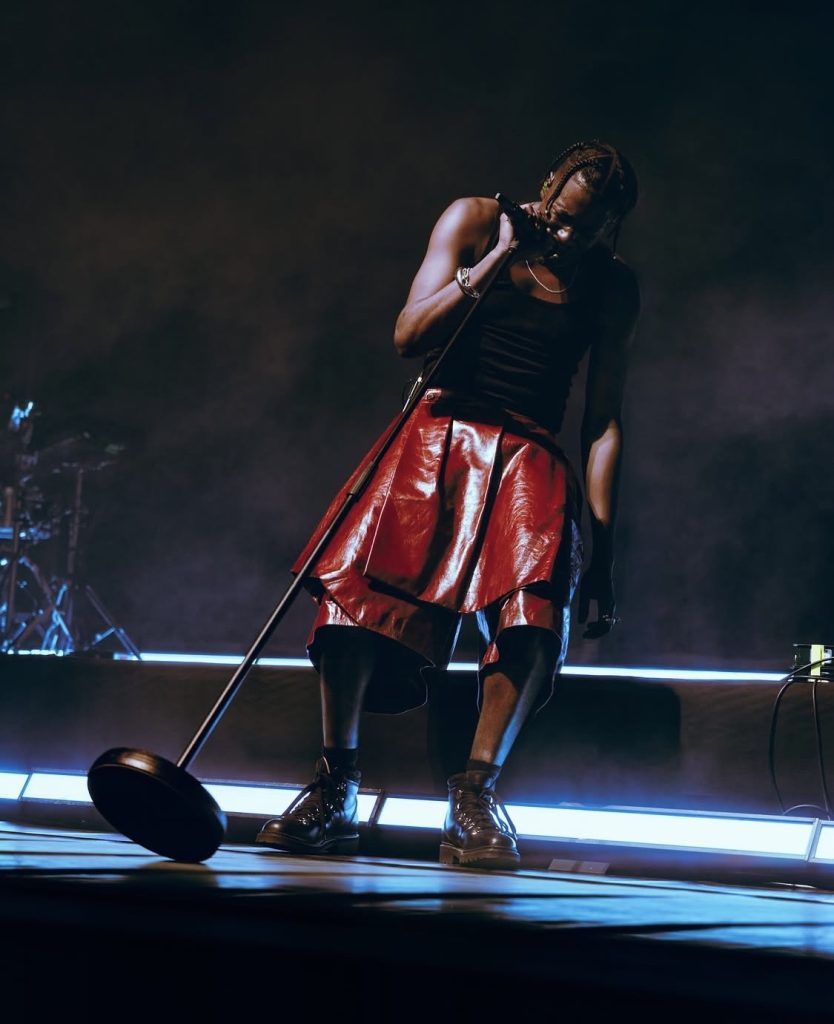
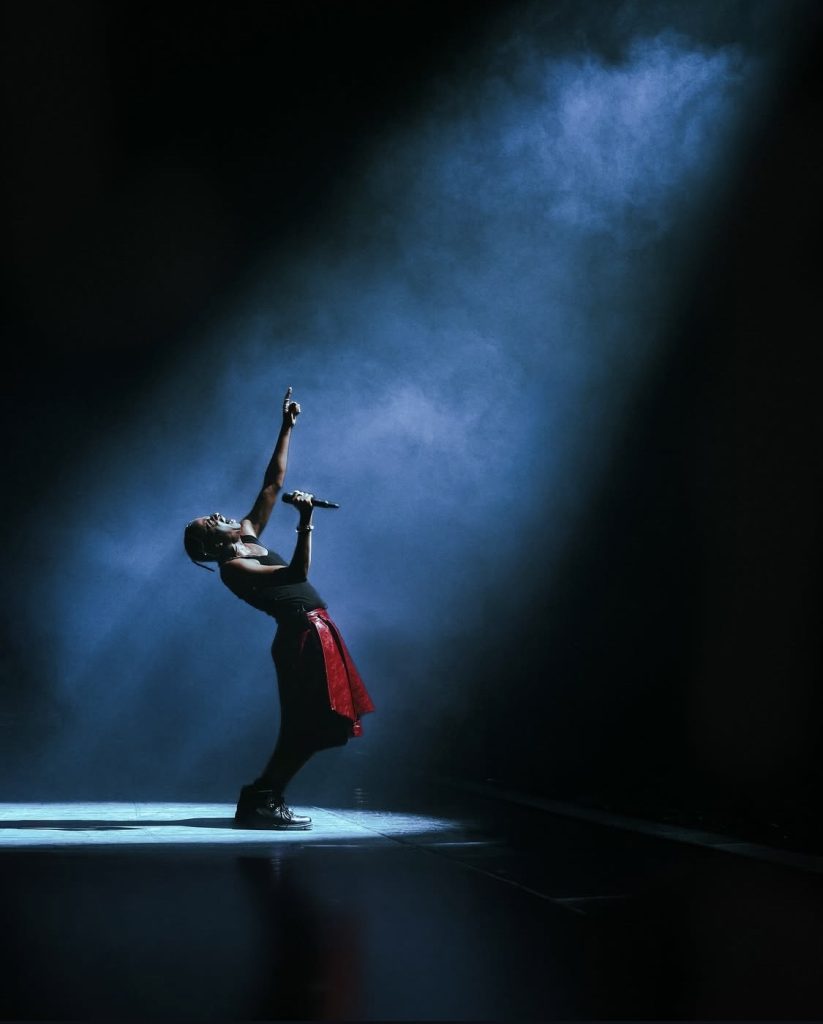
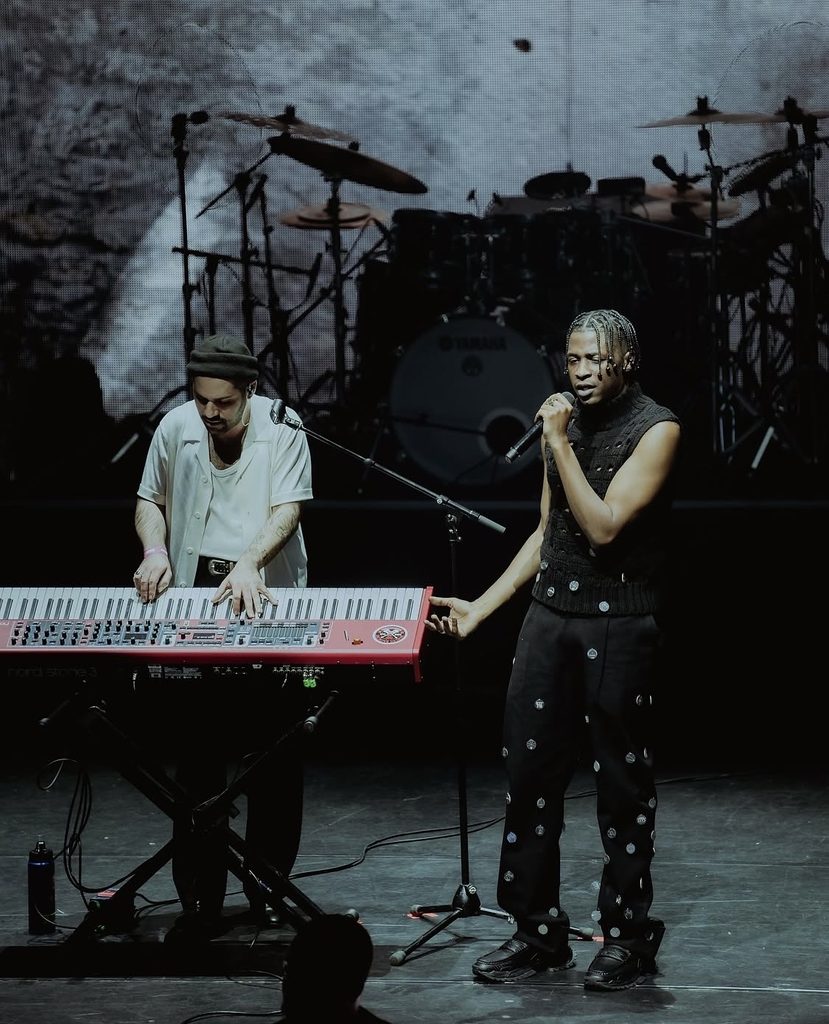
Yamê performing on stage
The distinction matters because Yamê’s rise is sometimes told as a viral success story. It is more accurately a story about a musician whose years of experimentation eventually found a global distribution mechanism.
“Bécane” may have accelerated his visibility, but it did not create the musical language audiences heard.
Before Bécane, There Was the Piano
His relationship with the piano was shaped through Parisian jam sessions, where experimentation, observation, and collaboration became an informal education. Rather than following a conventional conservatory path, Yamê developed his musicianship by immersing himself in live musical environments, learning from other performers and gradually finding his own language on the instrument.
Screenshot
Screenshot
Screenshot
“The piano became my way of understanding music — not just through learning the instrument, but through watching, listening, playing and discovering what I could create with it.”
That background helps explain something fundamental about Yamê’s music.
The piano in his work rarely feels like an ornamental addition. It functions as a compositional engine.
The instrument allows him to move between harmony, rhythm, and melody while maintaining the looseness of someone who learned by listening, observing, and playing with other musicians. His live performances have consequently retained an organic quality that is difficult to manufacture in a studio.
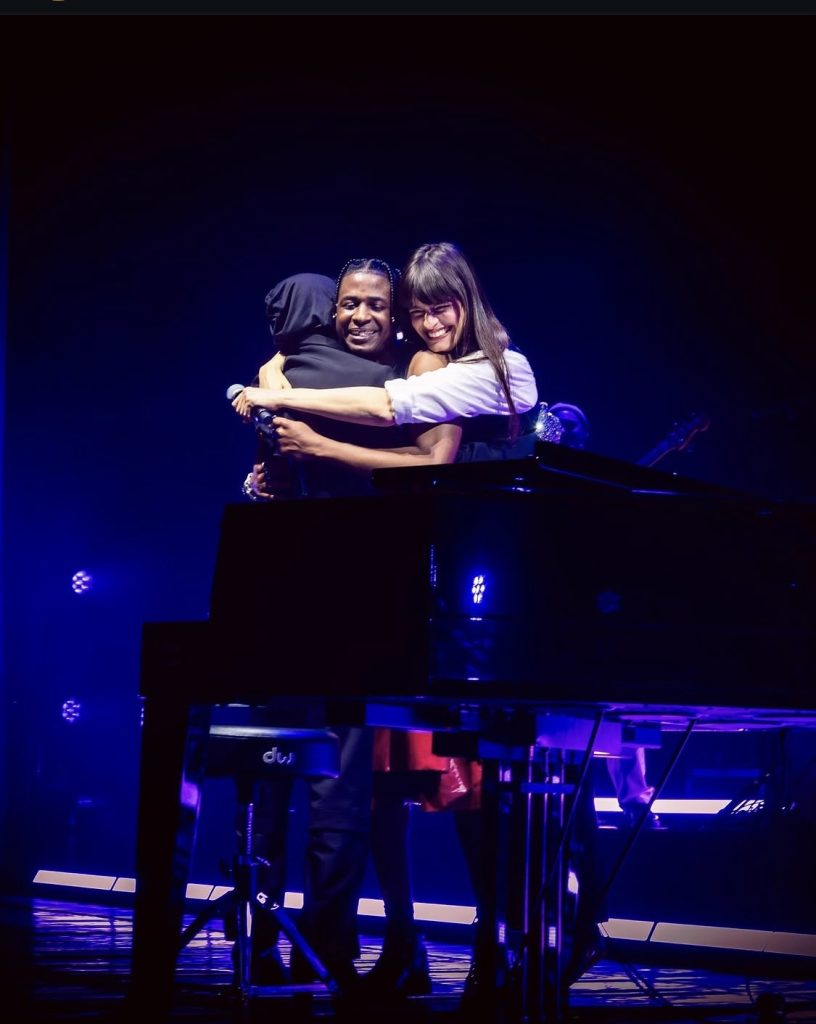
His earlier ELOWI Tour credits reinforce that relationship. Yamê performed vocals and piano, alongside bass, drums, DJ, and backing vocalists, with musical direction supporting the ensemble.
The piano is therefore not simply one instrument Yamê happens to play. It is one of the places where his different musical identities meet.
A Sound Built From Other Sounds
Ask Yamê to define his genre, and the answer is deliberately difficult.
“I don’t really see my music as belonging to one genre. It’s Yamê.”
That identity has been shaped by a wide musical vocabulary. The influence of Congolese legend Papa Wemba connects him to the vocal traditions and melodic sensibilities of Central African music, while Matthew Bellamy of Muse informs his relationship with the piano, theatricality, and expressive performance.
Rap remains another foundational language, particularly in the rhythm, cadence, and density of his writing. Alongside these influences sits the tradition of French chanson, where artists such as Charles Aznavour demonstrated how phrasing, storytelling and the emotional weight of a voice can become as important as the melody itself.
The combination is revealing. Yamê’s music does not simply borrow from these traditions; it allows them to speak to one another. Central African musical memory meets French lyricism, hip-hop cadence meets piano-driven harmony, and contemporary production becomes the space where these influences converge.
None of these influences needs to disappear for another to exist.
That is arguably the central principle of Yamê’s music.
His African identity is not presented as a decorative sonic reference, while his European upbringing is not treated as something that needs to be separated from it. The music exists in the tension between the two.
Screenshot
Screenshot
Screenshot
That tension has been present since his earliest projects.
His 2021 EP Agent 237, for example, used Cameroon’s international telephone code as part of its title while exploring the idea of a generation living between identities—an idea that would continue to appear throughout his work.
Screenshot
Screenshot
Yamê’s music consequently sounds less like an attempt to reconcile two cultures than an acceptance that both are already inside him.
The Voice as an Instrument
The piano may be the physical centre of Yamê’s musicianship, but his voice is arguably his most recognisable instrument.
There is a theatrical quality to the way he sings. He can rap with restraint, stretch a phrase into melody, or use his voice almost as another harmonic layer.
This is part of what made “Bécane” so effective
The COLORS performance stripped away much of the infrastructure surrounding an emerging artist and placed Yamê, his voice, and the song itself at the centre. The performance subsequently became a major international discovery point for him, helping “Bécane” travel far beyond the French-speaking market. The Music Moves Europe Awards describe the song as a piece about the pursuit of freedom despite obstacles, while noting the global resonance of the COLORS performance.
The song’s success also demonstrated an increasingly important reality of contemporary music: a live performance can now function as an international A&R platform.
COLORS did not simply distribute a song. It contextualised an artist.
For Yamê, the visual simplicity of the performance made his unusual voice, phrasing and presence the story.
From Jam Sessions to the Studio
Yamê’s development has also been closely connected to collaboration.
Producer Pandrezz has been an important creative partner across his catalogue, including “Shoot” and several tracks on ÉBĒM. The album credits show Yamê not merely as a vocalist and songwriter but repeatedly as a producer, working alongside Pandrezz, Bigdrum, LaSmoul, Banx & Ranx, Yelem, Lazy Flow, and others.
That collaborative ecosystem is important because it reveals another misconception about self-taught musicianship.
Screenshot
Screenshot
Being self-taught does not necessarily mean being self-contained.
Yamê’s development has happened through exchanges—with producers, instrumentalists, jam musicians, live bands, and artists operating across different traditions.
“Shoot,” for example, carries the intimacy of something made in close creative partnership with Pandrezz. Elsewhere on ÉBĒM, the production expands into a much broader palette, incorporating live drums, bass, guitars, keyboards, and strings in the album’s live presentation.
The result is music that can feel simultaneously programmed and performed.
ÉBĒM: Building a World, Not Just an Album
Released on 13 June 2025, ÉBĒM marked an important progression in Yamê’s artistic journey, expanding the ideas introduced on his earlier ELOWI project into a fuller, more deliberate body of work. Across its 14 tracks, the album moves fluidly between rap, soul, jazz, French chanson, electronic production, and African influences, reflecting the many musical and cultural references that have shaped his identity.
Yet ÉBĒM is more than a collection of songs. Its title comes from Mbo, the language connected to Yamê’s Cameroonian heritage, and evokes a space of gathering and storytelling—a place where experiences, memories, and wisdom are shared. That idea becomes central to the album’s wider creative world.
The project also extends beyond music. Yamê incorporates elements of animation, gaming, digital culture, and visual storytelling into his artistic universe, using them to explore subjects that range from personal relationships and identity to racism and belonging. In this sense, ÉBĒM becomes less a conventional debut album and more a sonic and visual world, one where heritage, imagination and contemporary culture meet.
This is where Yamê becomes particularly interesting as a contemporary African-diaspora artist.
He is not simply placing African references inside Western pop structures.
He is constructing a world in which African heritage, French language, hip-hop, gaming, animation, visual art, and internet culture can exist simultaneously.
The cultural archive is not being abandoned. It is being reinterpreted.
The Musicians Behind Yamê
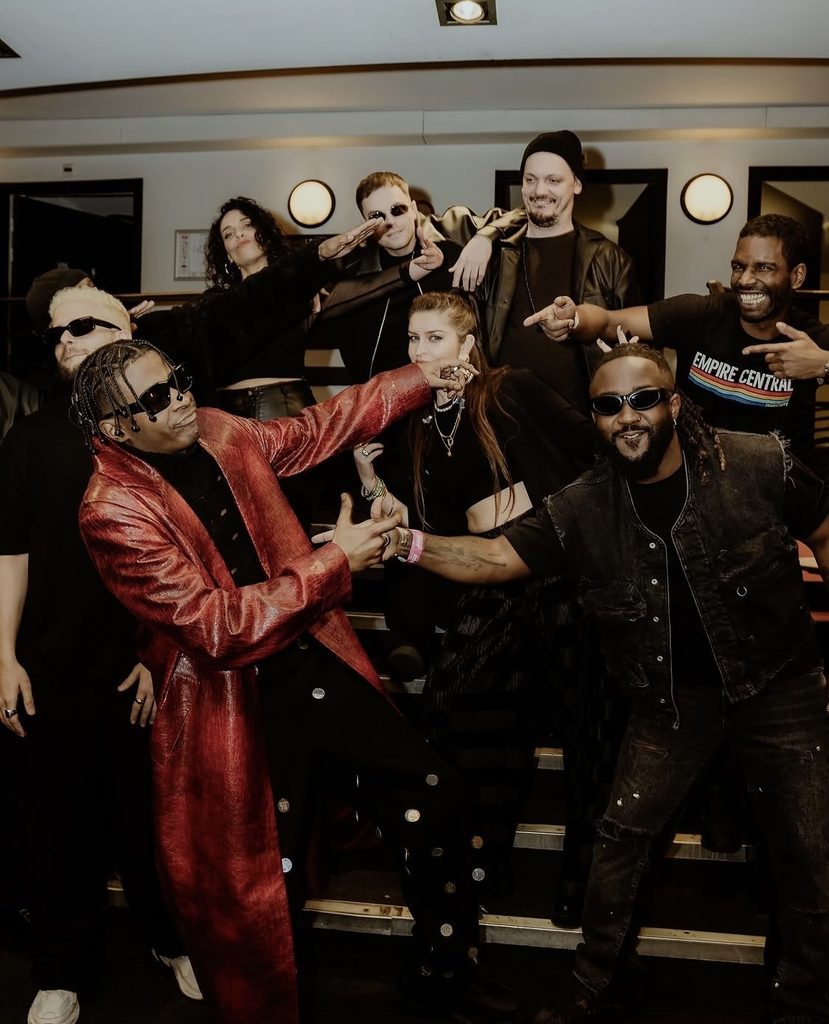
Yamê’s approach to musicianship becomes even more apparent when his songs move from the studio to the stage. His music, while rooted in contemporary production, leaves considerable room for live instrumentation, interplay, and improvisation. That expanded dimension came into focus with the ÉBĒM Live Session in 2025, where the songs were reimagined through a full ensemble featuring Dharil Esso on drums, Romain Lamps on bass, Hugo Fourlin on piano, Yannis Chennaf on guitar, and Kaspar Jalily on musical direction and keyboards, complemented by a string section.
The arrangement reinforces the musicality at the heart of Yamê’s work. What may initially appear as a blend of programmed beats, vocals, and piano opens up on stage into a richer conversation between rhythm, harmony, strings, and voice. It is a reminder that beneath the genre-bending production is a musician deeply invested in the possibilities of performance.
This is significant because Yamê’s music can easily be reduced to a voice, a piano, and a laptop.
The live arrangement reveals something else.
There is a band inside the music.
The rhythmic foundations, harmonic movement, and dynamic shifts that can feel understated on record become more physical on stage. The piano remains central, but it operates inside a larger musical conversation involving bass, drums, guitar, keyboards, strings, and electronic elements.
It also explains why Yamê has increasingly been described through his live performances.
His music was never designed solely for headphones.
Collaboration as Cultural Conversation
Collaboration has become an important part of Yamê’s artistic evolution, allowing his music to exist within a broader network of African and international sounds.
Across his work, he has connected with producers and musicians from different creative backgrounds, while ÉBĒM brought together collaborators including Pandrezz, Banx & Ranx, and Bigdrum, among others. These exchanges have helped expand the sonic world around Yamê without taking away from the individuality of his voice.
That spirit of musical exchange continued with Adekunle Gold. Released on 26 June 2026, “On My Mind” brought the French-Cameroonian artist together with the Nigerian singer-songwriter in a collaboration that feels significant beyond the meeting of two artists.
Screenshot
Screenshot
Their musical journeys come from different corners of the African diaspora but share an appreciation for melody, African musical heritage and contemporary experimentation.
Adekunle Gold’s sound has evolved from foundations in Nigerian traditions, including highlife, juju and Fuji, into a broader contemporary Afropop vocabulary, while Yamê draws from Cameroonian heritage, French chanson, jazz, soul and hip-hop.
Their collaboration therefore becomes another point of connection between distinct African musical experiences – two artists shaped by different histories, meeting through a shared contemporary language.
Yamê arrives from a different musical route, but the meeting point is recognisable: melody, African memory, contemporary production and a willingness to move between musical languages.
“On My Mind” therefore feels less like an unlikely crossover than another example of how the African and diaspora music ecosystem is becoming increasingly interconnected.
The collaboration also offers an interesting reversal.
Yamê’s story has often been told as an African artist making his way outward from France. Working with Adekunle Gold places him within a much wider African conversation—one that is no longer confined to continental geography or language.
2025: The Year the Music Had to Travel
If ÉBĒM represented Yamê’s expansion in recorded music, 2025 was also the year that tested that expansion on stage.
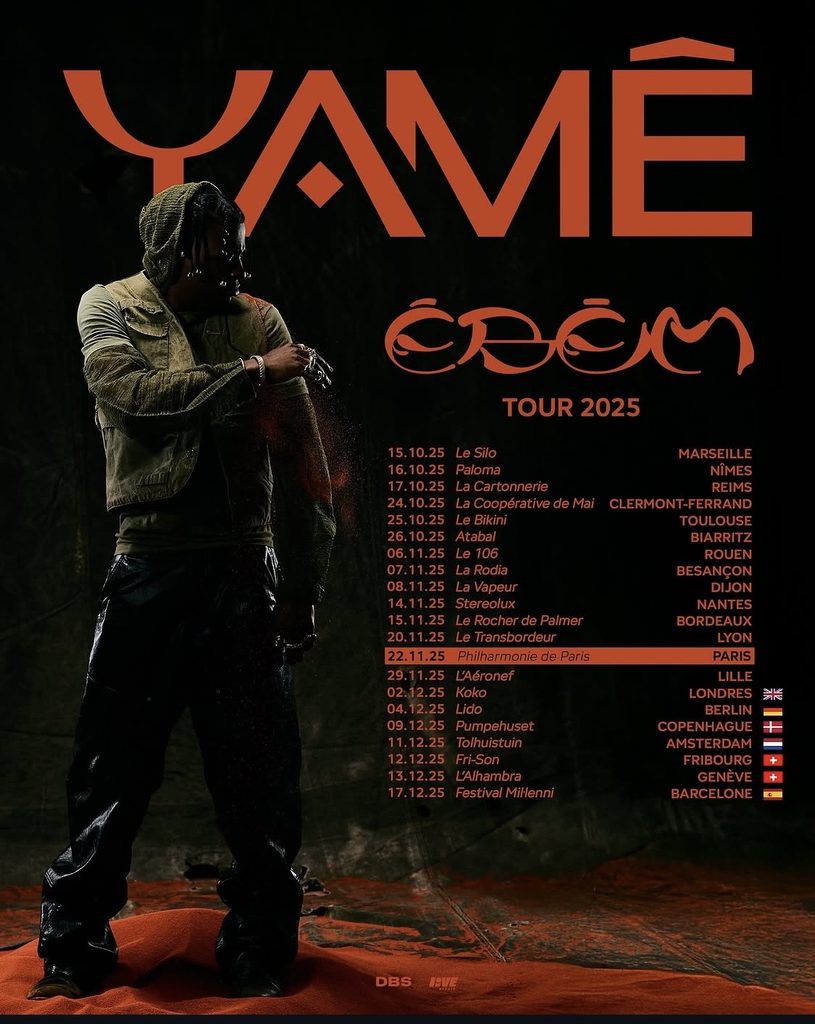
The year began with a performance at ESNS in Groningen on 16 January, followed by shows at Paris’s Olympia in February and London later in April. His official tour cycle then expanded significantly after the release of ÉBĒM.
From October, the tour moved through cities including Marseille, Nîmes, Reims, Clermont-Ferrand, Toulouse and Biarritz before continuing through France in November. In December, Yamê crossed into the UK and continental Europe, with dates at KOKO in London, Lido in Berlin, Pumpehuset in Copenhagen, Tolhuistuin in Amsterdam, Fri-Son in Fribourg, Alhambra in Geneva and Barcelona’s Sala Apolo.
The scale of that itinerary matters.
Touring is where a streaming-era artist has to confront something algorithms cannot provide: physical audiences, repeat performances and sustained cultural attention.
A viral performance can introduce an artist to millions of people.
A tour asks whether those people will leave their homes, buy a ticket, and spend an evening inside the artist’s world.
Yamê spent 2025 answering that question city by city.
The Long Way Around
There is a temptation to view Yamê’s story through the familiar language of discovery: COLORS, “Bécane”, virality, awards and international recognition.
Those moments are real. He won Best Male Newcomer at the Victoires de la Musique in 2024, and in January 2025 he received the Music Moves Europe Grand Jury Prize.
But they are not the most interesting part of his story.
The more revealing story is the one underneath them.
A self-taught musician learns piano by watching other musicians at jam sessions. A rapper develops an increasingly sophisticated relationship with melody. A French artist reaches backwards into Cameroonian heritage while simultaneously drawing from Muse, Papa Wemba, rap and French chanson. A performer whose breakthrough comes through a stripped-back digital platform eventually builds a live band capable of expanding those songs into something much larger.
That is not simply a story about an artist becoming famous.
It is a story about musical identity being built through accumulation.
Between France, Cameroon and Everything In Between
Yamê represents a generation for whom the idea of choosing one cultural home is increasingly inadequate.
His music does not ask whether French music and African music can coexist.
They already do.
The question is what artists can create once they stop treating those identities as competing categories.
His piano carries the influence of rock and jazz. His flow carries hip-hop. His voice carries Central African memory. His French-language songwriting carries the tradition of chanson. His production draws from contemporary electronic and digital culture. His live band brings those elements back into physical space.
And his recent collaboration with Adekunle Gold suggests another layer to that journey: the growing conversation between African artists across different diasporas and musical ecosystems.
Yamê’s career therefore sits within a larger shift in African and diaspora music.
The next generation does not necessarily need to sound traditionally African to remain connected to Africa.
They can sample memory, reinterpret language, borrow technique, learn from different continents and still arrive somewhere unmistakably their own.
That may ultimately be Yamê’s most compelling contribution.
He does not sound like he is trying to choose between worlds. He sounds like he has realised that the worlds were always connected.
From the Parisian jam session to COLORS, from ELOWI to ÉBĒM, from the piano to the full live band, and now from France and Cameroon into collaborations with artists such as Adekunle Gold, Yamê’s music continues to operate as a meeting point.
Not between genres.
Between histories.
Between people.
Between places.
And perhaps most importantly, between the music we inherit and the music we are still learning how to make.