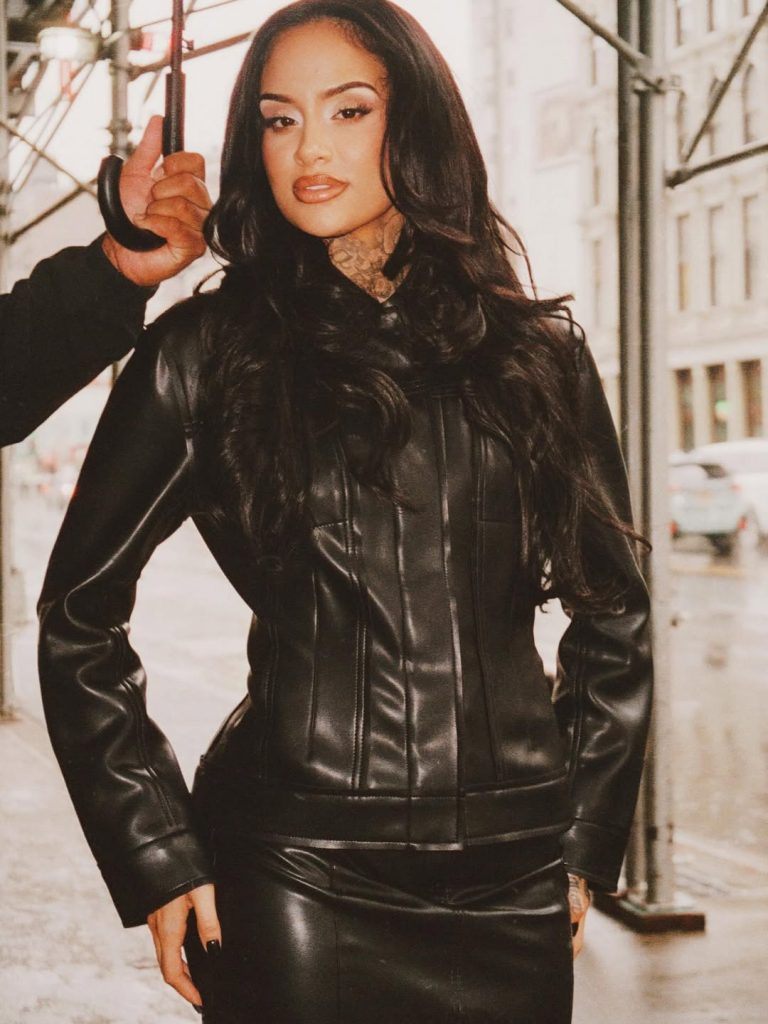
In a new interview with @thecruzshow, Kehlani opened up about her concerns around the rapid rise of AI-generated artists — using viral AI R&B act Xania Monet as a recent example of how artificial intelligence is reshaping the music landscape.
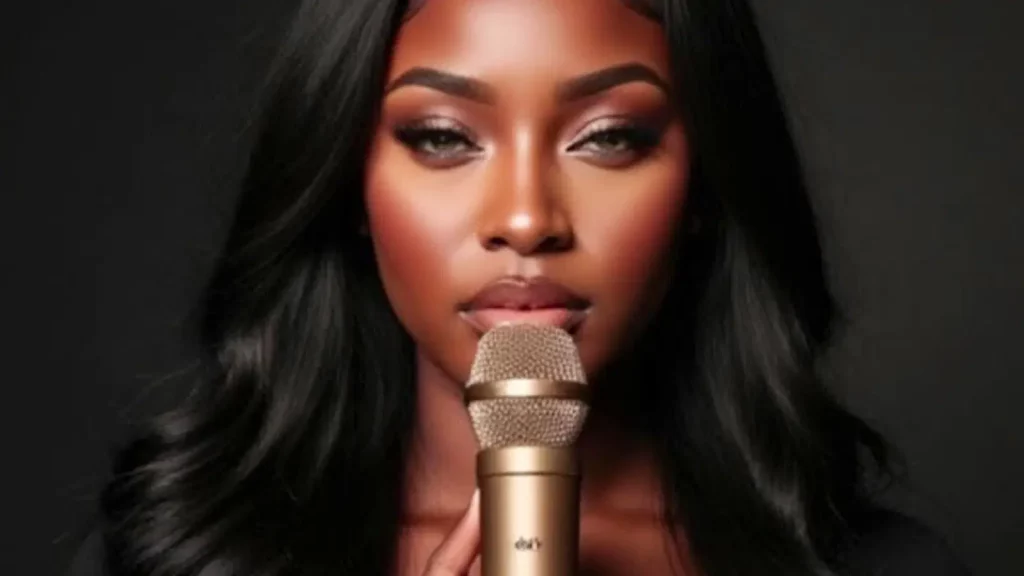
Xania Monet recently made history as the first AI artist to debut on a Billboard chart, backed by a reported multi-million dollar record deal. Behind the project is real-life writer Telisha “Nikki” Jones, who uses AI systems to transform her lyrical prompts into full songs, complete with vocals, harmonies, and production.

But for Kehlani, the conversation isn’t as simple as “new technology” — it’s about transparency, ethics, and the erasure of real human labour.
“People don’t understand how AI music works”
Kehlani pushed back against fans defending AI artists.
They’re arguing with us saying, ‘No, she’s writing these songs, it’s just creating the image and the voice.’ No. All you have to do is prompt the AI,” she explained.
She broke down how easily an AI track can be created today:
“I can go in right now and say: I want a mid-tempo ballad, for this demographic, about this struggle, with Brandy ad-libs, Brandy vocals, a key change, a third verse — and it’ll give it back to me.”
For her, that process isn’t songwriting — it’s automation.
“That’s not writing a song. That’s erasing all these incredible songwriters in history who were able to transmute emotion and learn song structure.”
“We’re being told to compete with a computer”
Kehlani also revealed how AI-generated releases are already impacting real artists:
“That AI artist dropped a project called Unfolded two weeks after I dropped Unfolded, and it’s being talked about the most.”
She emphasized that her frustration isn’t directed at the creator, but at the system:
“I’m not mad at the girl — get it, girl, you look great. But don’t ignore what you’ve done. You’re getting this at a time where there’s no parameters, no protection for us as artists.”
“You stole all of our voices… everything we’ve done has trained this machine.”
“It erases the ecosystem — engineers, producers, instrumentalists”
Kehlani stressed that AI doesn’t just replace the vocalist — it threatens the entire music ecosystem:
“What about the mixing engineers? What about the producers? What about the instrumentalists? What about the photographers, the cover art creators? Photography has gotten us so far in music culture.”
But with AI image tools, she says:
“Now you can just put me in the background of a ‘da-da-da-da.’ Now put me in the jungle — boom — now I have a jungle album cover.”
A growing concern with no regulation in sight
Her biggest worry is the lack of guardrails:
“There are no parameters. No protection for us. And what about all the voices they used to train these systems — and we can’t even prove it?”
As AI artists continue to gain traction — from chart placements to record deals — Kehlani’s comments echo a growing sentiment among creators worldwide: the industry is entering a new frontier, but artists aren’t being protected, credited, or compensated as AI becomes more powerful.