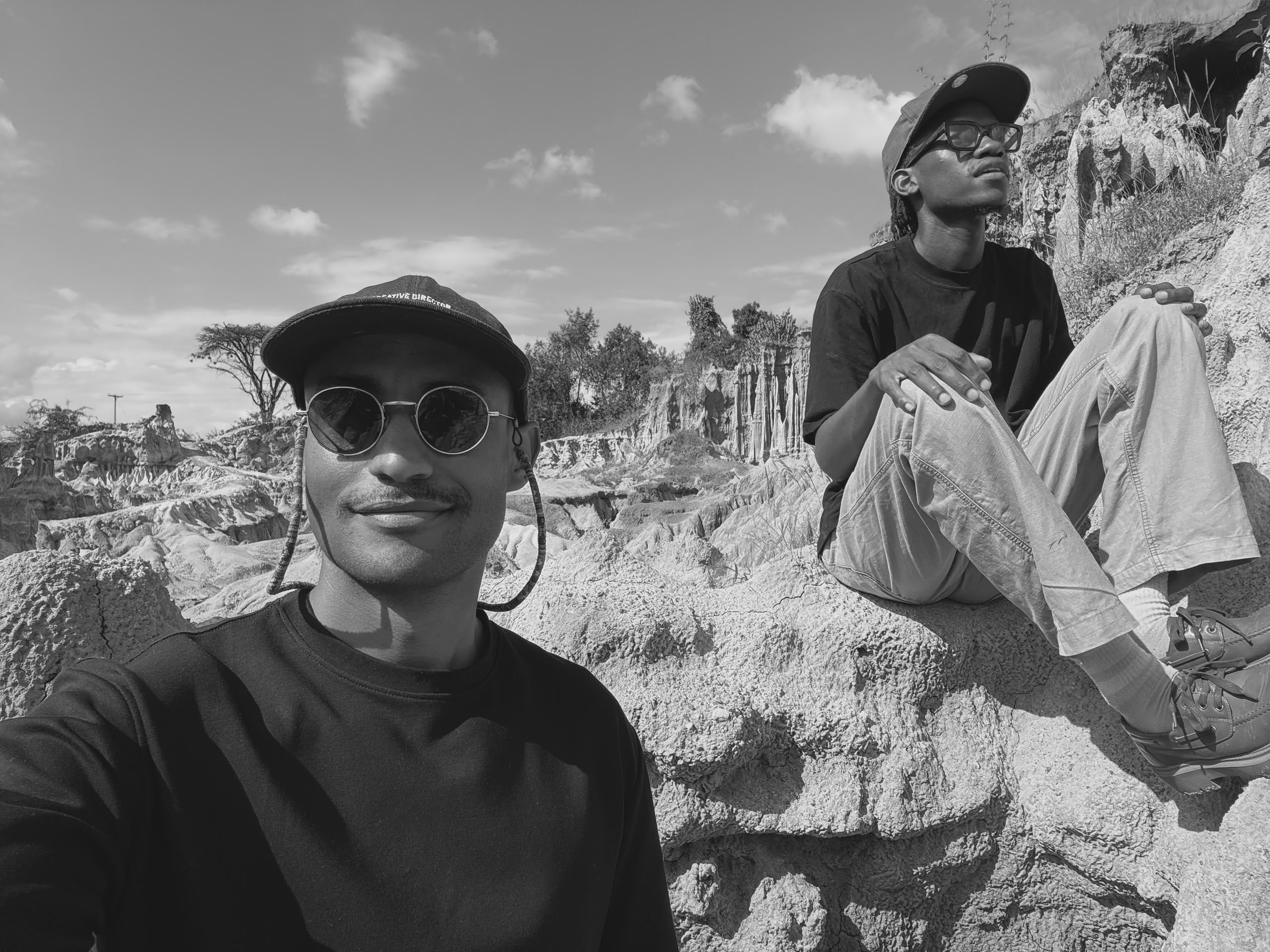
For weeks, Solana Tii has been doing something deceptively simple: showing up for her music. Across a steady stream of videos and social posts, the Nigerian artist has continued introducing audiences to her sound, performing it, explaining it and repeatedly carrying the language of Yorupop into public view.
Now, according to the singer, that persistence has accompanied “Okunkun,” her collaboration with producer Killertunes, past one million streams on Spotify.
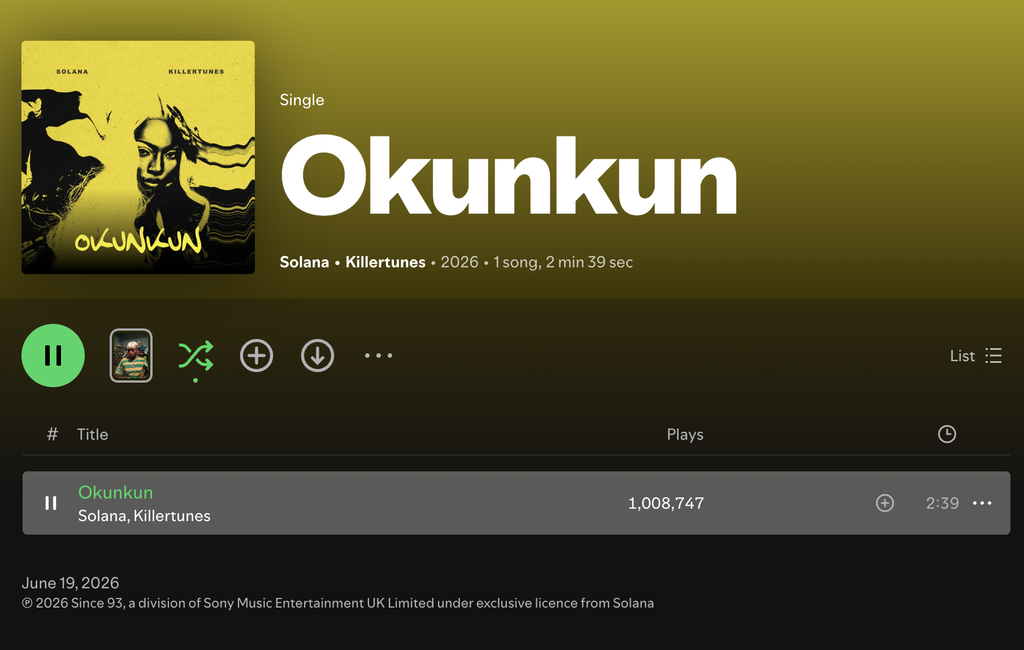
Celebrating the milestone, Solana thanked listeners for supporting the record and reiterated the philosophy surrounding her music: “Sounds from the west to the world.”
It is an idea that has followed Okunkun from the beginning. Solana describes her sound as Yorupop, placing Yoruba language and cultural identity at the centre of a contemporary palette touching Afropop, R&B and other influences. Okunkun itself draws from electronic pop, dance rhythms and traditional Yoruba elements, while carrying themes of faith, uncertainty and resilience.

The record’s journey is particularly interesting because its growth has not existed solely within streaming platforms. Solana has spent the weeks around it actively building context for the music through social media, repeatedly putting herself and the record before audiences.
That kind of artist-led persistence matters in an industry where attention can disappear almost as quickly as a song arrives. A million streams may provide the headline, but the more instructive story is the work required to keep a record alive long enough for audiences to continue finding it.

That trajectory also gives greater weight to Solana’s attempt to define Yorupop on her own terms. Yoruba has, of course, existed across generations of Nigerian popular music, and Solana is not claiming to have invented Yoruba expression in pop.
What is interesting is her deliberate effort to name and organise her own musical identity around it: treating language, cultural memory and contemporary production as parts of the same proposition. Earlier coverage of Okunkun similarly identified the record as part of her effort to build a Yoruba-centred contemporary pop language.


One million streams later, Okunkun offers an early piece of evidence that people are listening.
For Music Custodian, that is ultimately why the milestone is worth documenting. We are less interested in one million as a number than in what happened on the road towards it.
An emerging artist identified a language for her sound, released a record rooted in that proposition and continued showing up to make people understand what she was building.