Six years after For Broken Ears and a decade after “Mad Over You”, Spotify ’s Lagos showcase asks a bigger question: what keeps older Nigerian records culturally alive?
There are songs you remember, and then there are songs that remember you.
Runtown’s “Mad Over You” belongs to the second category. For many listeners, the 2016 record is inseparable from a particular Nigerian pop moment: the parties, radio rotations, weddings, clubs, and the peculiar feeling of hearing a song so often that it eventually becomes part of the country’s collective soundtrack.
Tems’ For Broken Ears, released four years later, tells a different story. Its appeal was quieter and more introspective, but the project became an important early document of an artist whose music would eventually travel far beyond the Nigerian alternative scene.
A decade after “Mad Over You” and six years after For Broken Ears, both catalogues found themselves back in the same conversation — not on a nostalgic playlist, but in a room in Lagos.
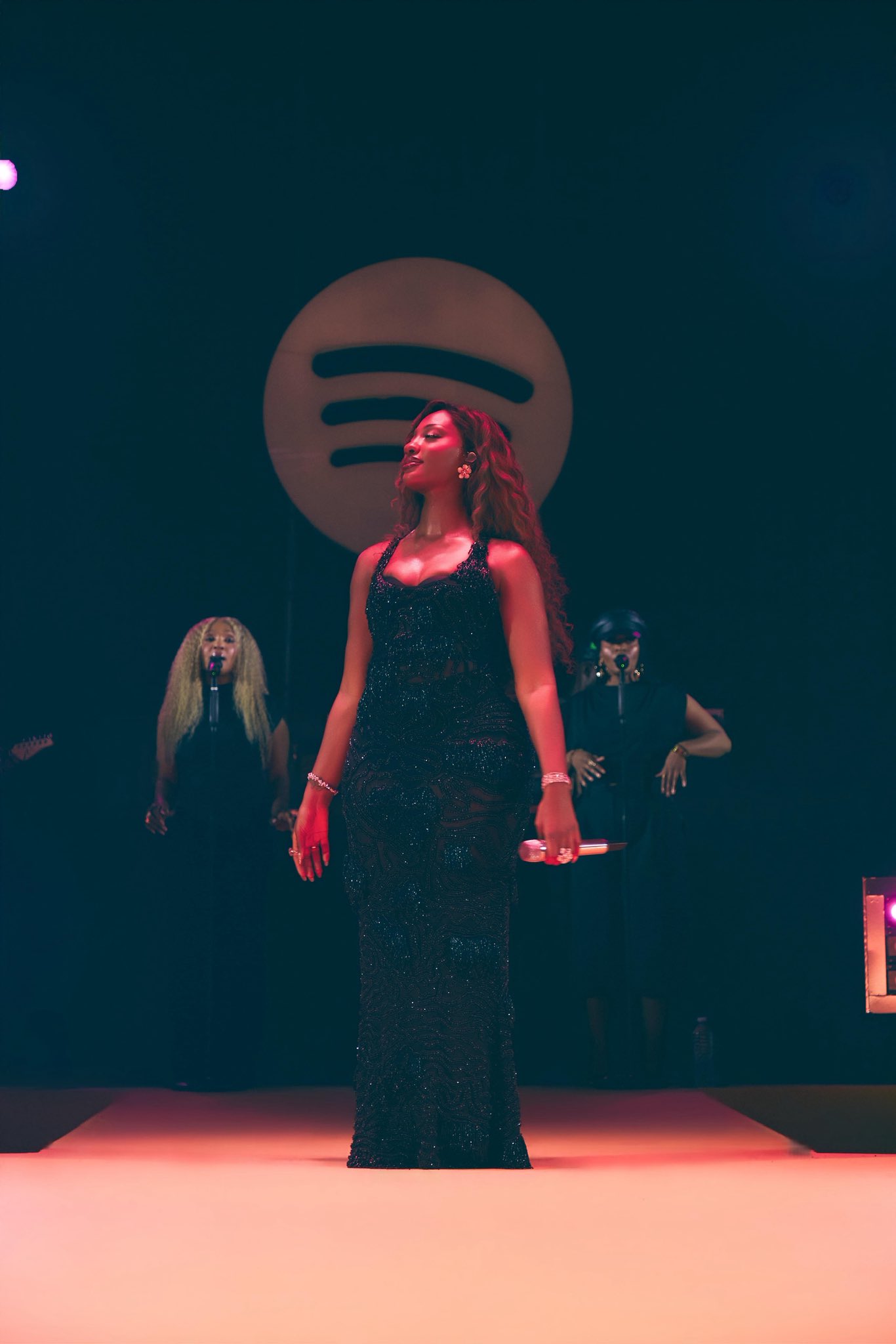
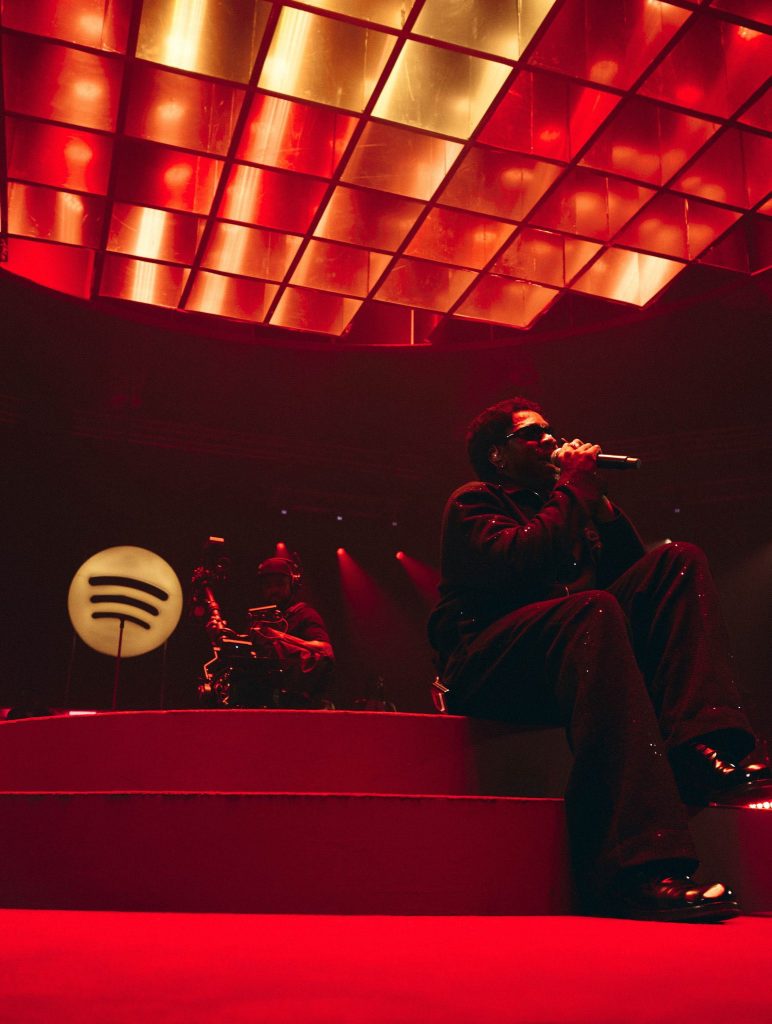
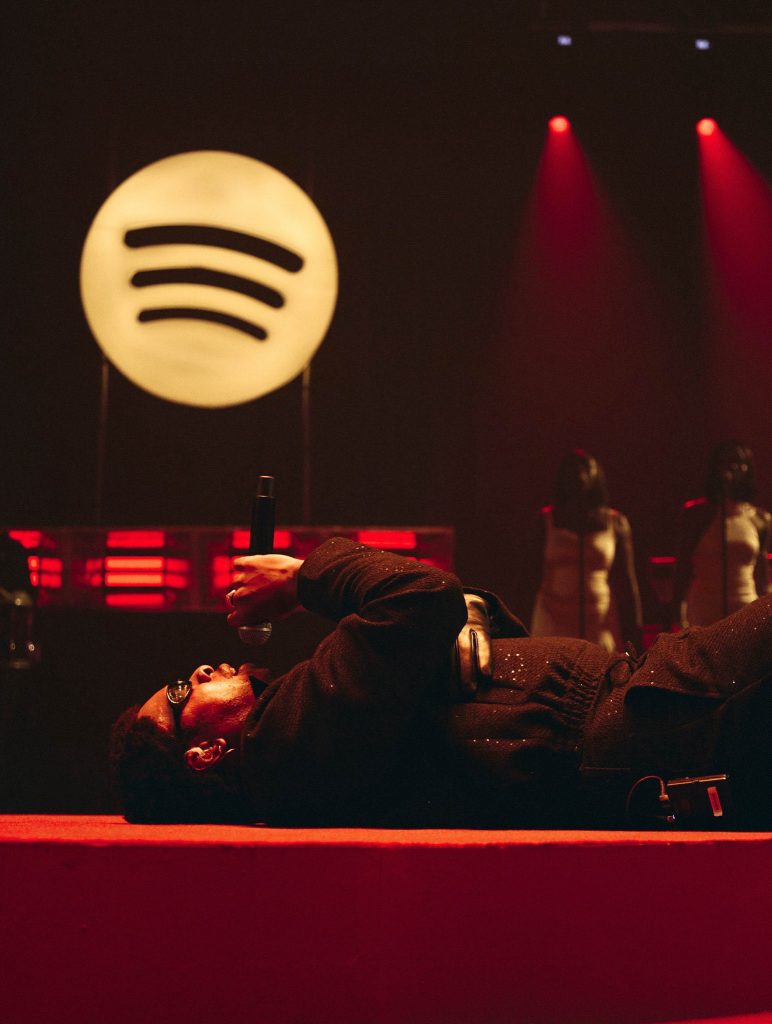
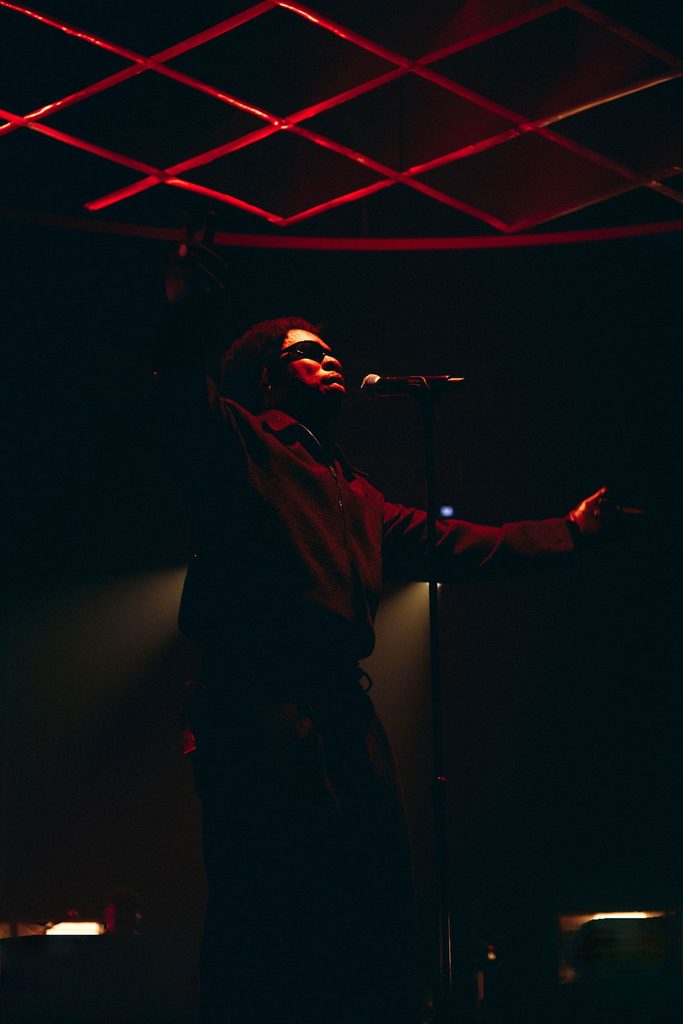
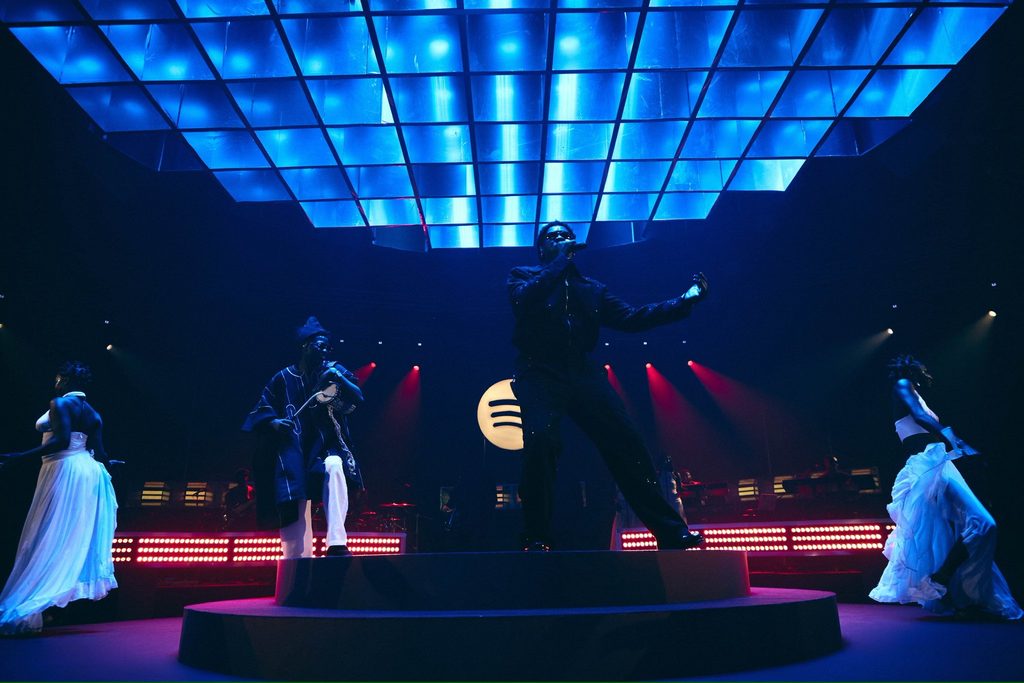
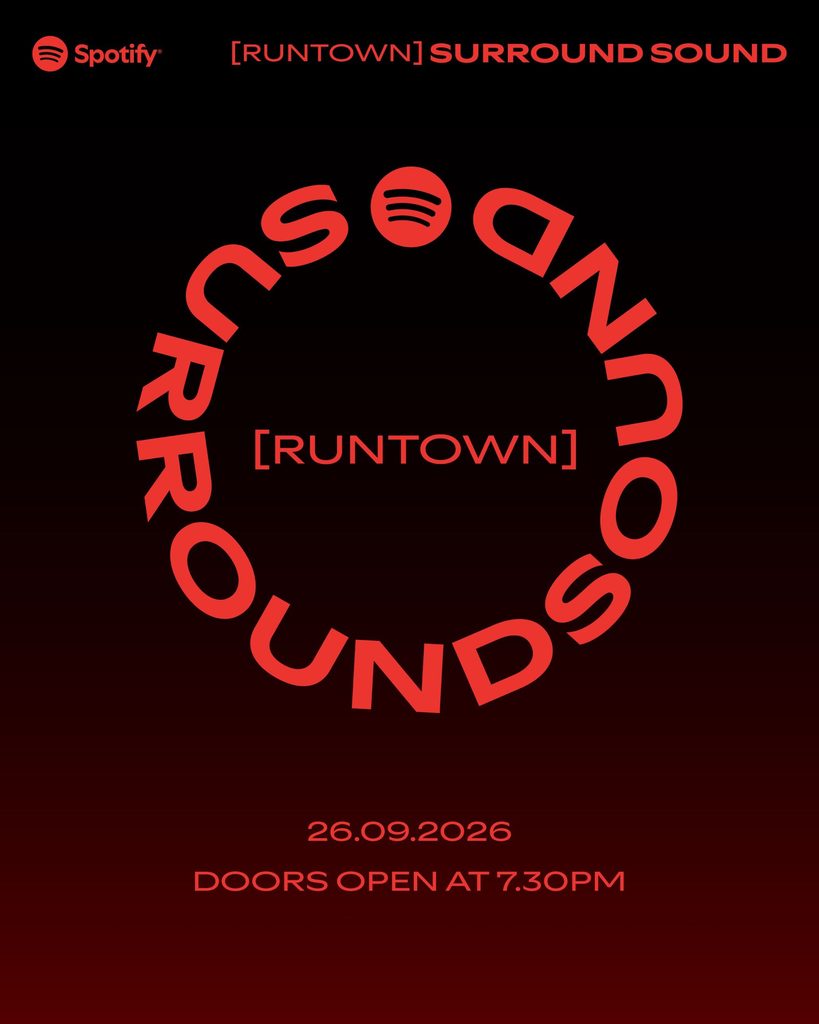
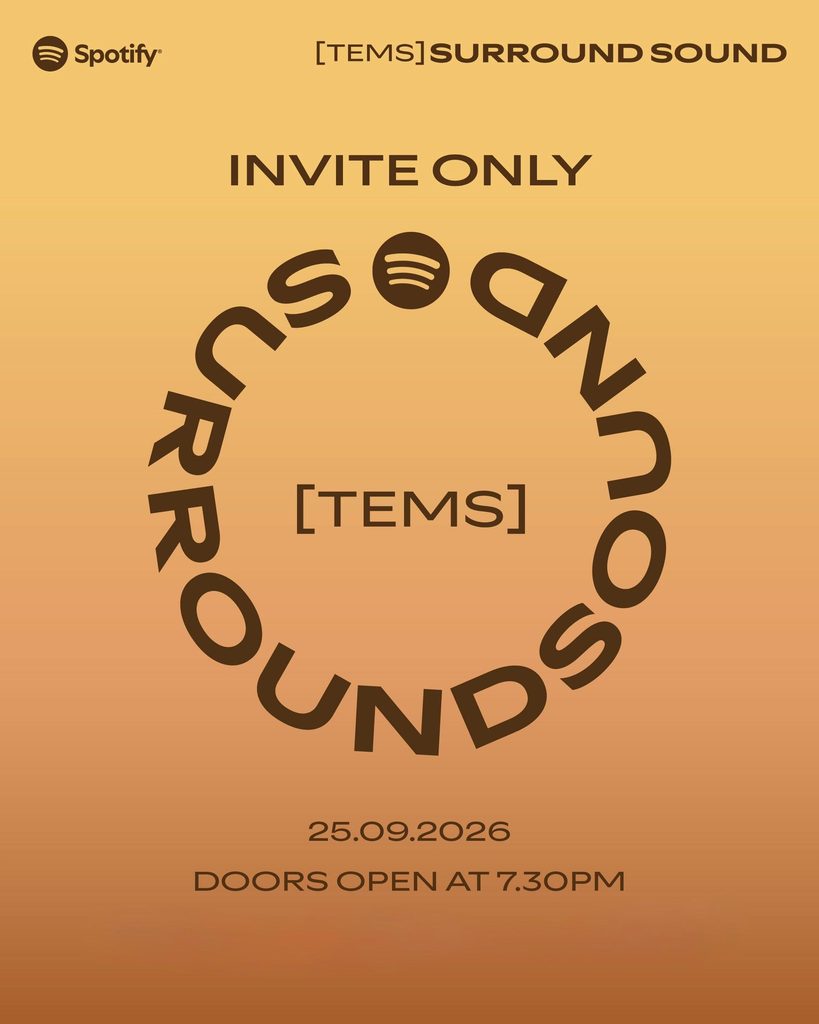
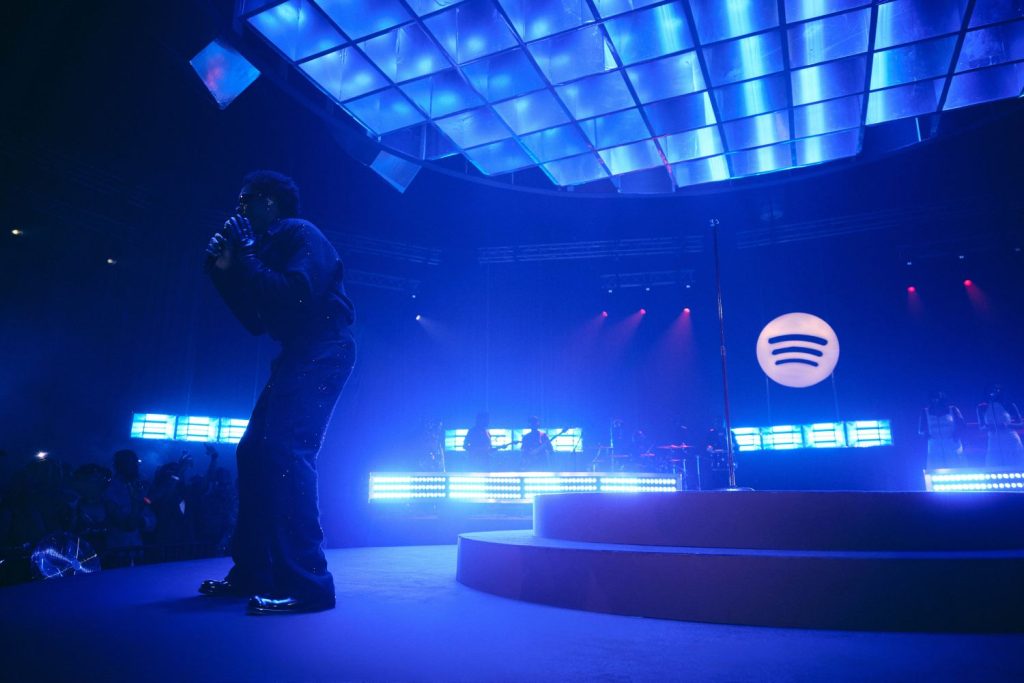
On September 25 and 26, Spotify brought Tems and Runtown into Livespot for two editions of Surround Sound, its intimate live performance format that places selected Spotify Premium listeners close to artists and captures the performances for eventual release as music films.
And while the nights were presented as celebrations of two Nigerian catalogues, the more interesting story may have been what the format revealed about how those catalogues continue to live.
Six Years Later, Tems’For Broken EarsStill Has New Ears
When Tems released For Broken Ears in September 2020, the project arrived at a particularly uncertain moment for the world and at an important moment in her own career.
The seven-track project—which includes “Ice T”, “Free Mind”, “Higher” and “”Damages”—became an early document of Tems’ songwriting, vocal restraint and atmospheric approach to R&B.
Six years later, Spotify used Surround Sound to return to that chapter.
Tems’ Lagos set moved through songs from For Broken Ears alongside records from other points in her catalogue, including “Mr Rebel”, “Try Me”, “Love Me JeJe” and “What You Need”. It was less a conventional greatest-hits performance than a revisit to the musical architecture from which a much larger career emerged.
The numbers make the revisit particularly interesting.
Spotify says For Broken Ears has introduced nearly 19 million first-time listeners to Tems’ catalogue since 2023, while 21.6% of listeners who played the EP in January 2022 were still listening to it in August 2026.
Runtown and the Ten-Year Life of “Mad Over You”
The following night belonged to Runtown.
He opened with “Lagos to Kampala” and “Gallardo” before moving through records including “For Life”, “International Badman Killa”, “Unleash” and “Kini Issue”. But eventually, the room arrived at the song Spotify had effectively built the night around: “Mad Over You”.
Released in 2016, “Mad Over You” is now a decade old.
Yet its streaming numbers suggest that the record has not been preserved merely as a relic of the Afrobeats era it emerged from. Spotify tracking shows the song had crossed 142 million streams by September 2026.
Its current audience also extends beyond the generation that encountered it at release.
But there is an important distinction here: streaming data can show who is listening now, but it cannot necessarily explain why they discovered the song. So while younger listeners account for a meaningful share of its current audience, it would be premature to assume that every younger listener is rediscovering the song organically rather than encountering it through playlists, social media, family, or other channels.
That question is worth asking because “Mad Over You” has achieved something many hit records never do: it has remained useful.
Useful to DJs. Useful to playlists. Useful to younger listeners. Useful to people who were there the first time.
And at Surround Sound, that usefulness became physical.
Runtown performed the song during his set before returning to it again for the closing moment, with the audience taking over the vocals.
He had also revealed that the performance marked his first time performing with his band in 10 years — an interesting detail considering that the evening itself was built around looking backwards while presenting the catalogue in a new setting.
Why These Two Catalogues?
On paper, Tems and Runtown represent very different chapters of Nigerian pop.
One is an artist revisiting the early material that preceded a global breakthrough. The other is an established artist returning to a record that has become inseparable from his catalogue.
So why place them within the same Surround Sound campaign?
Spotify’s answer appears to lie partly in listener behaviour.
The platform selected premium subscribers for the Lagos performances based on their listening activity rather than selling conventional public tickets. According to Spotify’s Rifumo Mdaka,
The intention was to use listening signals to identify people who already had a relationship with the music and bring them into a deliberately intimate room.
It is an interesting evolution of the fan experience.
Instead of asking, Who will buy a ticket?
The platform asks, Who is already listening?
That difference changes the logic of the event.
The audience is no longer simply a demographic assembled around an artist. It becomes a group assembled through actual listening behaviour.
But there is another question here: does data-driven intimacy necessarily create a more meaningful fan experience, or does it simply make an existing relationship easier for a platform to identify and monetise?
Perhaps the answer is somewhere in between.
When Streaming Data Becomes a Physical Experience
Streaming platforms have spent years turning listening into data.
Every replay, skip, playlist addition, and discovery contributes to a larger picture of audience behaviour.
Surround Sound reverses that relationship.
The data identifies the listener, and the listener is then brought into the physical world to experience the music with the artist.
For Spotify, there is an additional layer: the performances are filmed as full-length music films, meaning the room itself becomes content that can eventually travel back onto the platform.
And the live experience becomes another way of extending the catalogue.
For Nigerian music, that model is particularly relevant. Our industry has historically been very good at celebrating the new and considerably less consistent at documenting, packaging, and reintroducing its older music.
Surround Sound offers one possible response.
But it also raises another question: if streaming platforms are increasingly becoming custodians of African musical memory, who gets to decide which parts of that memory deserve to be revisited?
The Catalogue Is Not Finished When the Release Is Over
Perhaps the most compelling thread connecting For Broken Ears and “Mad Over You” is not their age.
It is their continued usefulness.
Tems’ EP is finding listeners who were not necessarily present when it was released. Runtown’s decade-old single continues to accumulate streams and appear in millions of user-created playlists. Spotify’s own current catalogue data confirms that “Mad Over You” remains among Runtown’s most-played songs.
That should force the Nigerian music industry to reconsider how it treats its catalogue.
What happens after the first campaign?
After the release-week playlist placements?
After the video stops trending?
After the artist moves on to the next project?
Because “For Broken Ears” and “Mad Over You” suggest that a record’s commercial life does not necessarily follow the industry’s promotional calendar.
Sometimes, the audience keeps the record alive.
Sometimes another generation finds it.
Sometimes a playlist changes its context.
And sometimes, six or ten years later, a streaming platform puts the artist in a room and lets the audience remind everyone why the song mattered in the first place.
Spotify’s Surround Sound did exactly that in Lagos.
But perhaps the bigger question is not why Spotify brought Tems and Runtown back to these songs.
It is why these songs never really leave.
And if Nigerian music has built a catalogue this powerful, what would happen if the industry invested as deliberately in preserving, rediscovering and recontextualising its past as it does in chasing what comes next?
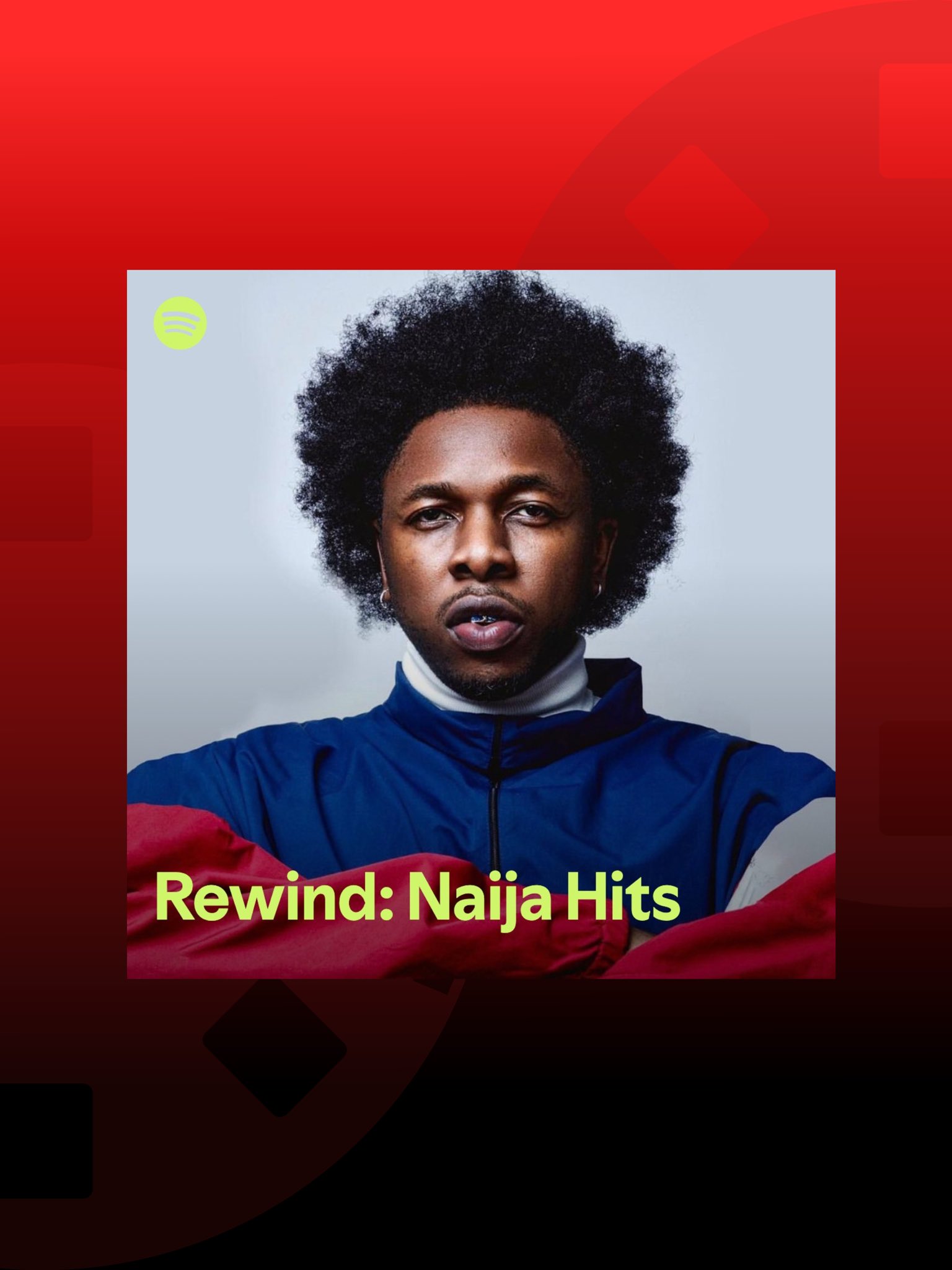
To celebrate these milestones, Spotify has created a special playlist that brings together these two catalogues that have stood the test of time with other highlight tracks.