Across Africa’s vast soundscape, a new rhythm is rising — one that refuses to stay confined by language, genre, or geography. From our last exploration of the Francophone Renaissance, we now journey northward into the Maghreb, where a quiet revolution hums beneath desert winds and neon skylines. In Morocco, Algeria, and Egypt, tradition meets trap, nostalgia collides with futurism, and identity finds its echo in basslines that speak a global tongue.
Algeria’s raï-trap rattles the boulevards, Cairo’s electro-chaabi electrifies the underground, and Morocco’s Arabic soul flirts effortlessly with Afrobeats. Bold, borderless, and beautifully chaotic — the world is finally tuning in.
The New North African Wave
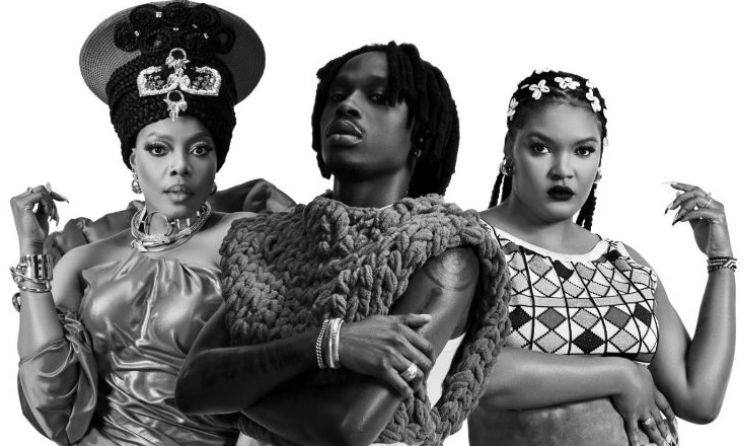
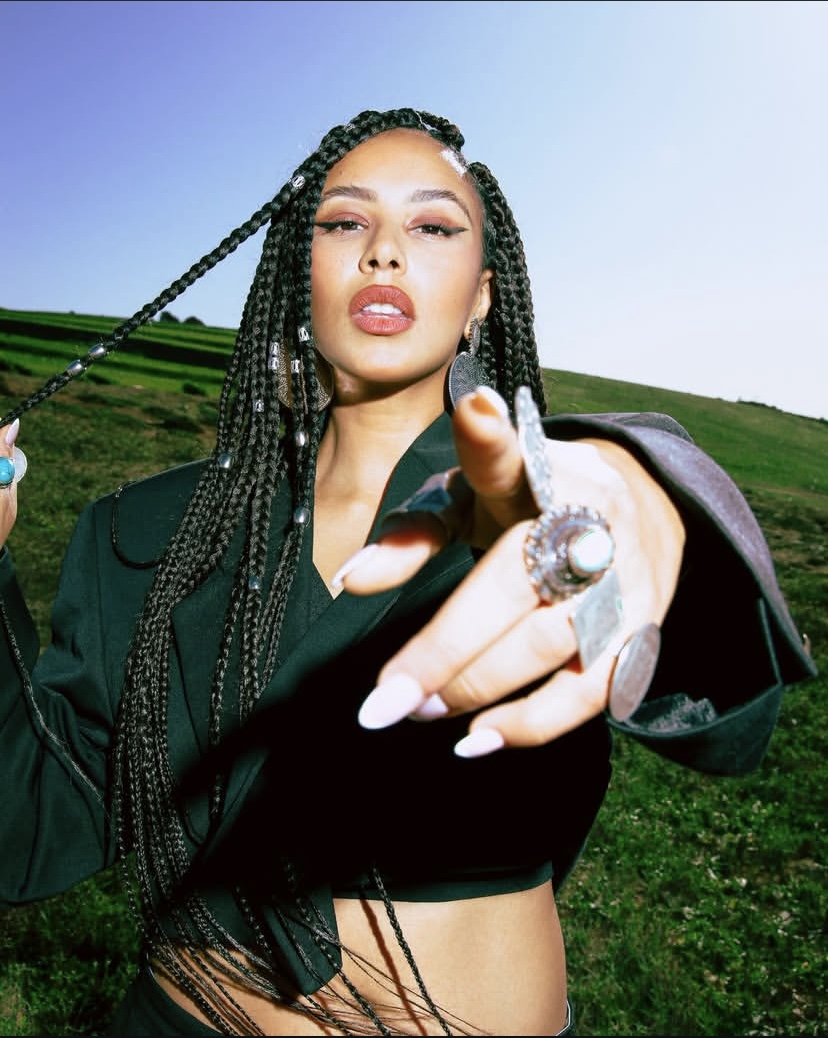
In tracing the pulse of North Africa’s next musical era, we stumbled into a kaleidoscope of voices redefining what Arab and African modernity sounds like. Artists like TUL8TE’s masked mystique, Felukah’s Nile-to-New York neo-soul, Bayou’s diasporic R&B calm, ElGrandeToto’s unrelenting rap dominion, and Rhita Nattah’s soulful rebellion are not just making hits — they’re reimagining heritage. Add to that Issam Harris’s trap-belḍi grit, 7ARI’s Rabat-born fire, Draganov’s Oujda-rooted depth, and Khtek’s fearless femininity, and you begin to see the full picture: a movement exporting more than music — it’s exporting mood, mindset, and modernity.
This journey through the Maghreb’s soundscape is as enlightening as it is electric — proof that from Cairo to Casablanca, the next chapter of African music is already being written in multiple tongues, tempos, and truths.
TUL8TE: Gen Z’s Arab Pop Visionary
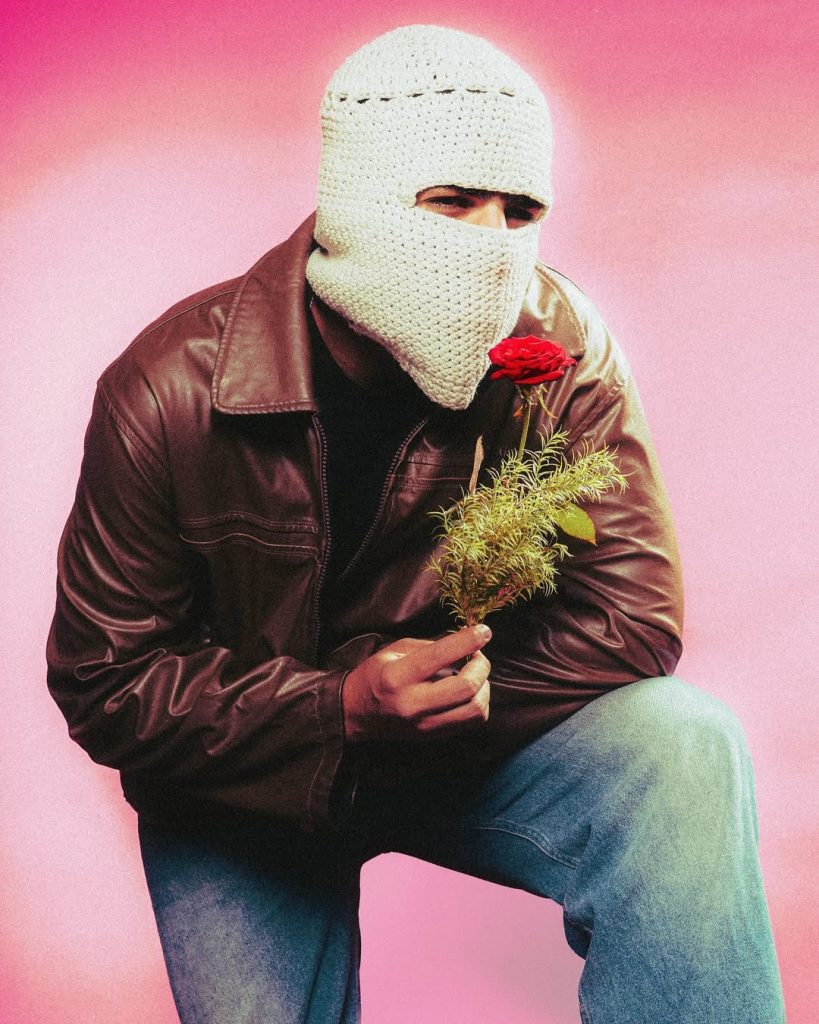
The first stop on our northern sonic voyage came cloaked in mystery — a masked voice from Cairo that made us pause mid-scroll and listen a little closer. There was something about the sound — haunting yet magnetic, modern yet steeped in Arab soul — that unfolded like both a secret and a revelation.
Enter TUL8TE, the enigmatic Egyptian force redefining what it means to let music speak louder than the man behind it. His craft is rooted in homegrown emotion and regional rhythm, threading the language and pulse of the Middle East and North Africa into something raw, unfiltered, and gloriously alive.


Since debuting with MAGHOOL in 2023, TUL8TE has fast become the face of Gen Z Arab pop. His breakout single “HABEEBY LEH” turned into a viral phenomenon, racking up over 12 million YouTube views, 10 million Spotify streams, and sparking 61,000 TikTok creations — all without a cent spent on marketing. The track, a nostalgic nod to Egyptian pop legend Amr Diab, threads together old-school sentiment with slick modern rhythm, framed by visuals that capture Cairo in all its chaos and color.
Part of TUL8TE’s magic lies in the mystery. Behind his signature white knit mask, he’s built an identity that resists celebrity in favor of connection.
Following the success of TESH SHABAB and Cocktail Ghena’y — projects that dance between flamenco flares, Arab percussion, and trap-inspired beats — TUL8TE’s third studio album, NAREIN (Arabic for “two fires”), finds him at his most vulnerable and self-assured. Across nine tracks, he dives deep into love, heartbreak, and self-discovery, revealing both his strength and sensitivity.
Felukah: The Neo-Soul Voice of Cairo
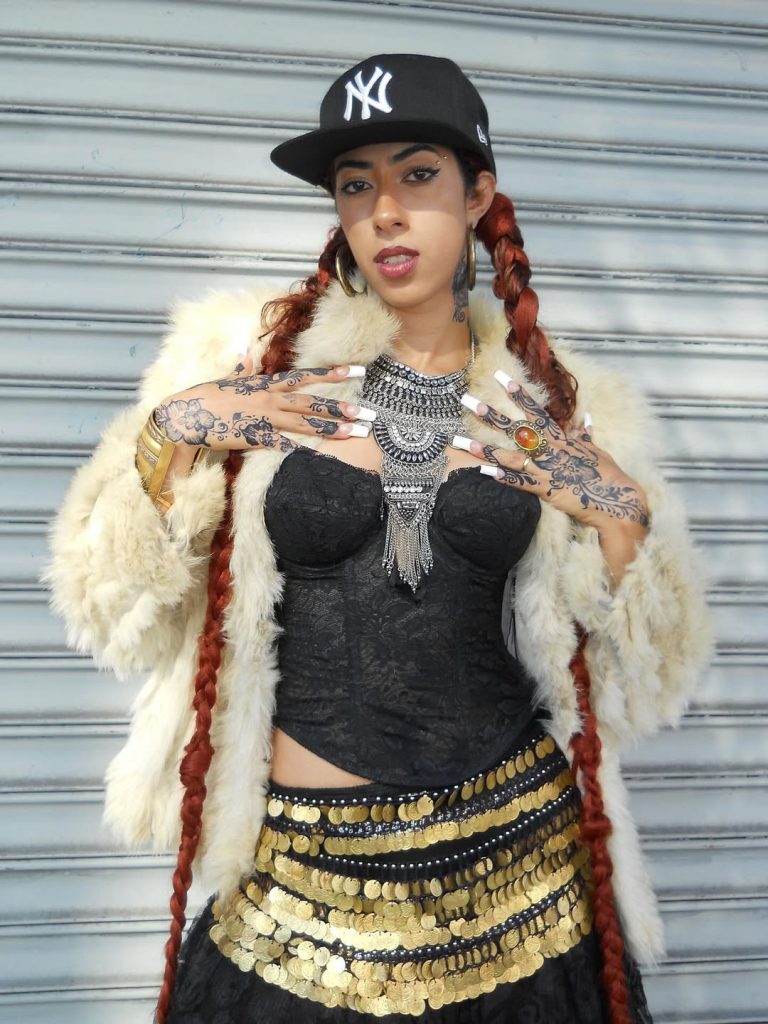
Cairo-born, New York-made — Felukah floats between poetry and hip-hop, channeling the rhythm of the Nile into a sound that speaks to identity, womanhood, and the modern Arab soul.
If TUL8TE was the masked mystery that made us pause and listen closer, then Felukah is the soft-spoken storm that made us feel. She was the next voice that rose to the surface during our North African deep dive — equal parts poet, rebel, and dreamer. Born and raised in Cairo, Felukah carries her roots like melody, weaving them seamlessly through the neo-soul grooves and hip-hop textures of her New York life.
In 2017, she traded Cairo’s golden haze for New York’s electric skyline — not to escape, but to expand. While studying creative writing at Hunter College, she found her rhythm in hip-hop, merging two languages and two worlds with striking ease. The result? A sound that feels both intimate and global — a fusion of Arabic soul and modern storytelling that reflects the journey of a young woman navigating identity, belonging, and purpose across continents.
Her name, Felukah — borrowed from the boats that glide down the Nile — feels almost prophetic. She moves like one too: steady, graceful, and unbothered by the currents that try to define her. Through projects like Yansoon and singles like “Softer,” Felukah blends English and Arabic lyrics into soulful reflections on womanhood, creativity, and self-discovery.
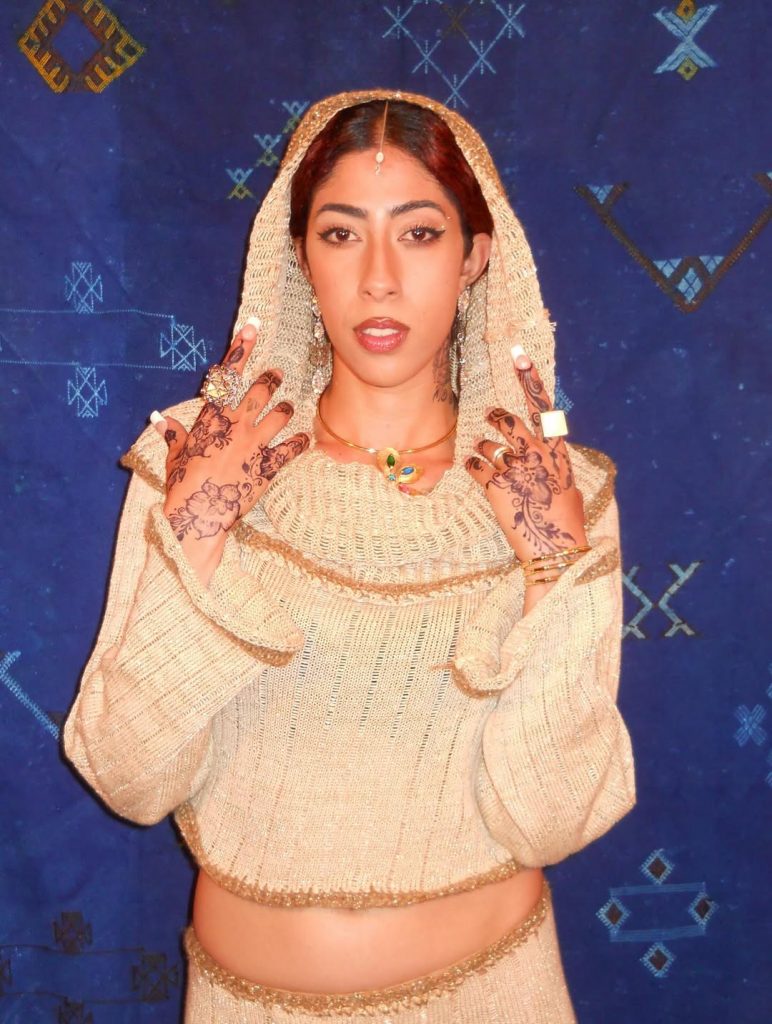
But beneath her calm delivery lies courage. In a region where female hip-hop artists often face cultural pushback, Felukah’s voice rises as a beacon — unafraid, unfiltered, and rooted in truth. Her music mirrors the duality of her world: ancient yet progressive, gentle yet fierce, grounded yet constantly in motion.
Bayou: Desert Soul
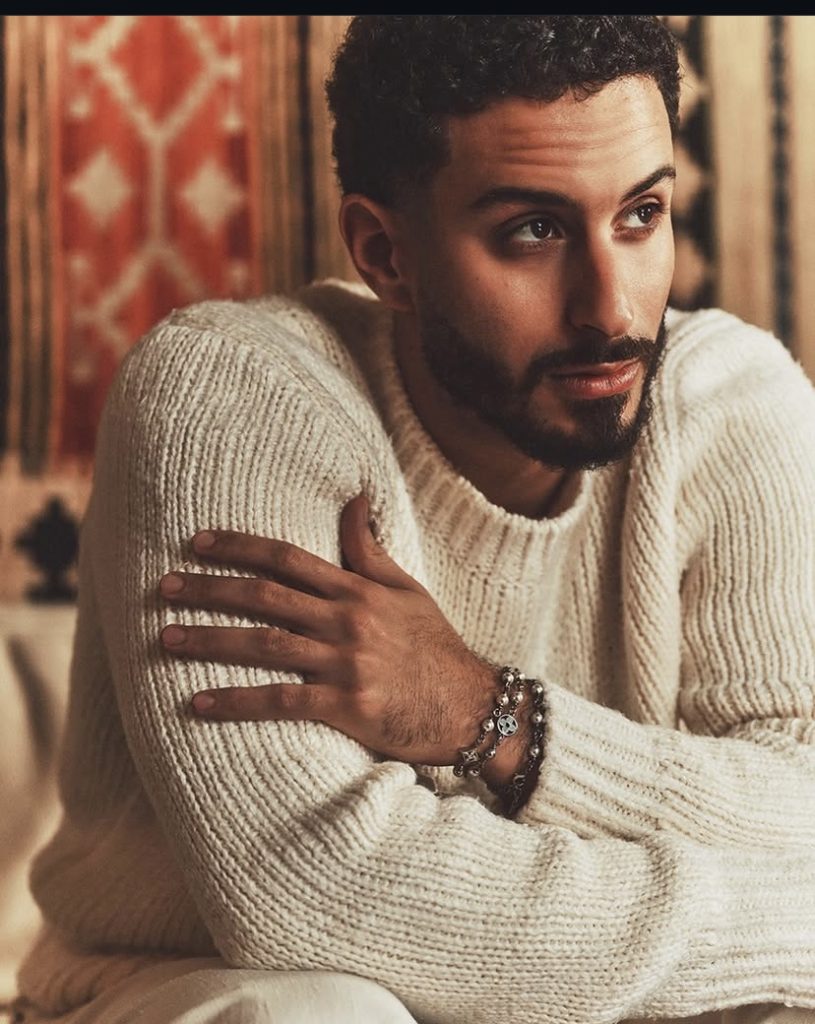
As North Africa continues to reveal its hidden sonic gems, artists from Egypt, Morocco, and Algeria are bridging cultures and reshaping the region’s musical identity. From Cairo’s bustling streets to Casablanca’s underground scenes, a new generation of creatives is fusing heritage with global influence, reimagining what it means to be African in sound and soul.
And right at the forefront of this evolution stands one name making waves across continents — Bayou, the Egyptian artist redefining R&B from the desert to the diaspora.
Amidst a region booming with rappers and trap pioneers, Bayou stands in a lane entirely his own, crafting a sound that’s equal parts nostalgia and next-gen flair. Born Adham Bayoumi, the Egyptian singer-songwriter has been quietly shaping a new chapter for Arab R&B — one soaked in the golden hues of Cairo, the breezy calm of Dubai, and the midnight glow of Los Angeles.
His journey reads like modern mythology — a third-culture kid raised between Jeddah, Dubai, and Barcelona, who once dreamed of scoring goals before fate redirected him toward scoring hearts. A torn ACL may have ended his football career, but it unlocked something deeper: a love for melody, memory, and meaning.


With his debut single “Moonlight” in 2019, Bayou found his footing — blending Arabic and English lyrics into buttery smooth storytelling. Fast forward to “Haifa Wehbe” and a historic Coachella debut, and he’s not just a rising artist; he’s the sound of a generation redefining what Egyptian cool can feel like.
Morocco: The Vanguard of Global Rap and Soul Fusion
ElGrandeToto, King of MENA Rap
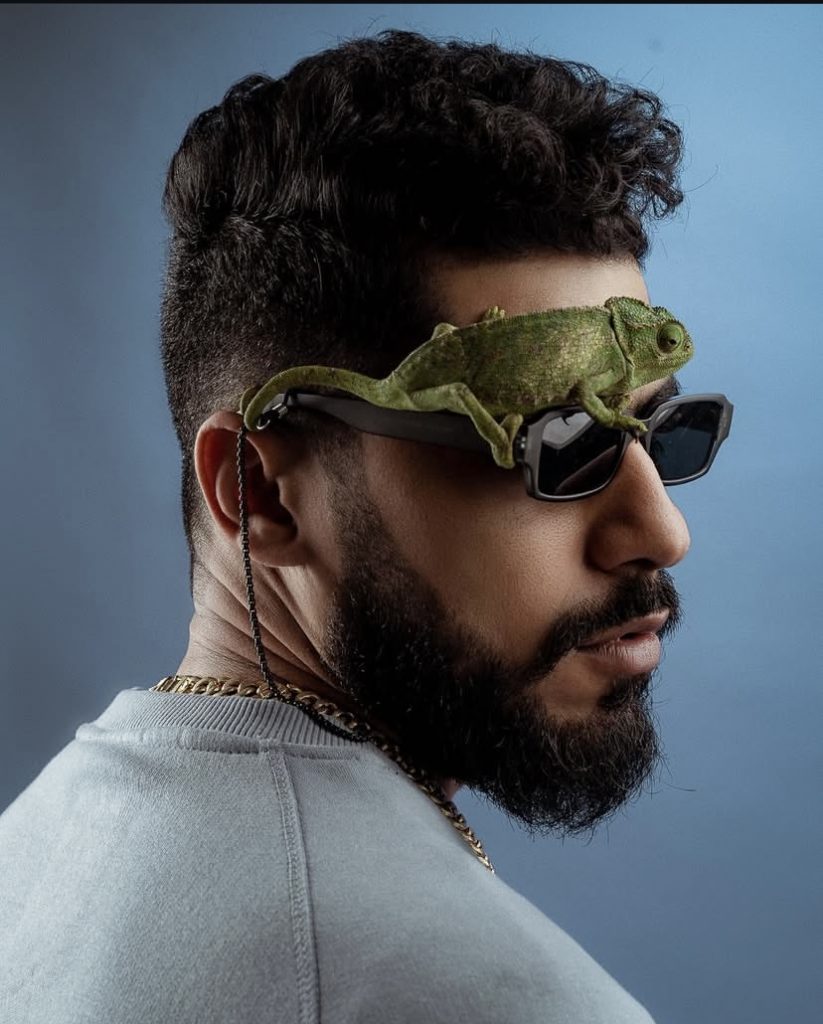
As we journey west from Egypt’s R&B renaissance to Morocco’s booming rap dominion, one name towers above the rest — ElGrandeToto. In a region where rhythm meets rebellion, Toto has become the pulse of Moroccan youth culture, merging raw street stories with global finesse. His rise isn’t just a local victory; it’s proof that North African rap now holds the same swagger and streaming power as its Western counterparts.
Born Taha Fahssi and raised in Casablanca, ElGrandeToto has built a musical empire rooted in grit, reinvention, and unfiltered truth. From his early beginnings as a teenage dreamer making garage covers of System of a Down to topping global charts and festival lineups, Toto’s story is one of persistence and rebellion wrapped in rhythm.
ElGrandeToto debuted digitally in 2016 with “7elmet Ado,” quickly gaining an underground following. His 2018 EP Illicit cemented him as a leading figure in Morocco’s hip-hop scene, performing to 22,000 fans in Casablanca. Signed to Sony Music France’s RCA, his 2021 album Caméléon showcased his dynamic, multilingual artistry, topping Morocco’s charts and amassing over 60 million streams globally. Collaborations with Damso, Hamza, and others, alongside heartfelt tracks like “Mghayer,” solidified his place as one of North Africa’s most influential rappers.
By 2021, ElGrandeToto wasn’t just Morocco’s biggest rapper — he was the most-streamed artist in the entire MENA region, even surpassing global chart-toppers. That same year, he broke into Forbes’ list of top Arab music stars, and his collaboration with CKay on “Love Nwantiti (Remix)” earned diamond certification in France, pushing Arab rap further onto the global map.
And as if streaming dominance wasn’t enough, he made history as the first Moroccan artist to release an NFT single, donating part of the proceeds to breast cancer research — merging art, technology, and philanthropy in a way no North African rapper had before.
In the grand tapestry of North Africa’s evolving soundscape, ElGrandeToto isn’t just a name — he’s a movement. A shape-shifter who adapts, a dreamer who delivers, and a rapper who’s turned Morocco into one of the most thrilling frontiers in global rap.
Rhita Nattah: Voice of Resistance and Renewal
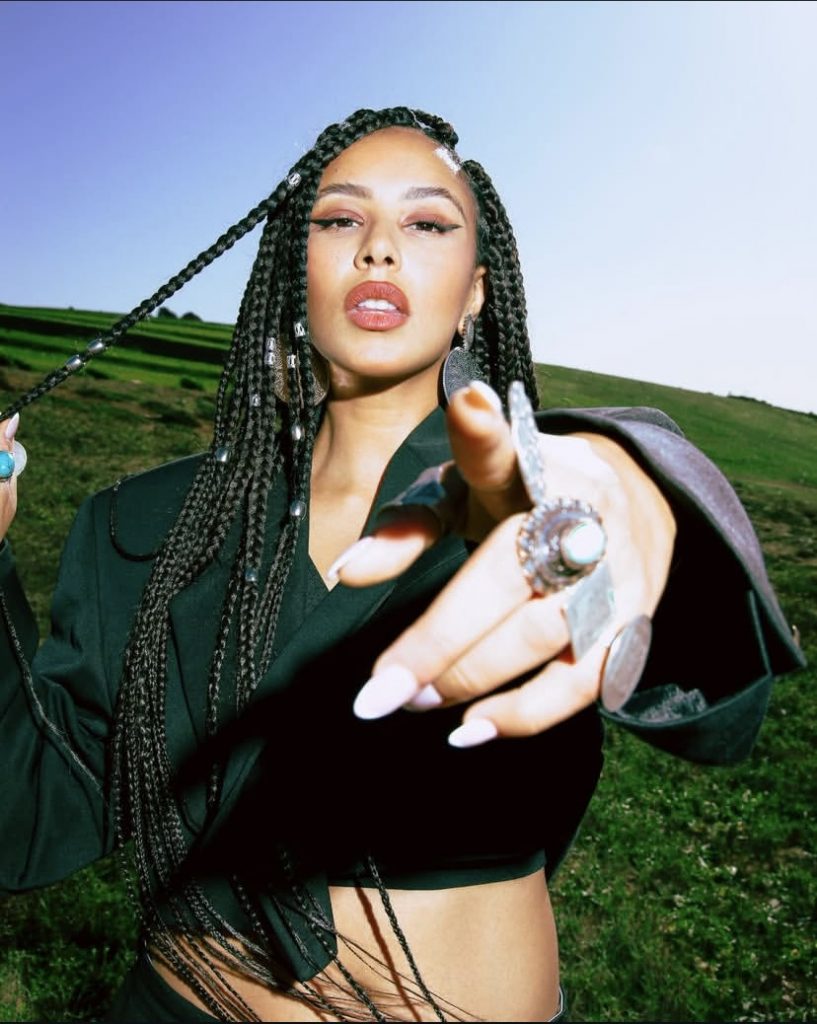
Art, in all its honesty, often mirrors life — its rhythm, rebellion, and renewal. And sometimes, when you encounter an artist like Rhita Nattah, you don’t just hear music — you hear resistance, recovery, and rebirth. The Moroccan songstress, armed with a voice that feels like sunlight after a storm, embodies what it means to turn pain into poetry and defiance into sound.
Born in Fez, Morocco’s ancient imperial city, Nattah’s roots run deep in tradition — from the chants of Aissawa to the percussive energy of Ahwach. Yet, even as her beginnings were steeped in local rhythms, her spirit yearned for something borderless. A pan-Africanist in heart and practice, Nattah creates from a place where heritage meets humanity — where Moroccan folk meets the soul of global black music.
A self-taught artist who learned English through Amy Winehouse lyrics and production via YouTube, Nattah’s journey is one of pure grit. Her first major break came with Kadebostany’s “Save Me”, a global hit that taught her the hard lessons of ownership and artistry. From her makeshift home studio with collaborator and husband Samir El Bousaadi, she built Inner Warrior from scratch — a deeply lived and fiercely independent project.


Her rise has been groundbreaking: the first Moroccan artist on Times Square billboards, Spotify Africa’s EQUAL Artist of the Month, and an unexpected Afrobeats darling whose covers of Wizkid and YCee went viral across West Africa.
For Rhita, music is spiritual — not a means to fame, but a vessel of truth. She stands tall among North Africa’s new wave of creatives, redefining what it means to be Moroccan in sound and spirit. Every note she sings carries quiet revolution — proof that art, at its core, is freedom.
Issam Harris: The Voice Behind Beldi Trap’s Global Rise
Trap may have been born in the streets of Atlanta, but few places have embraced and reimagined it quite like Morocco. Here, the genre’s thumping 808s and syrupy Auto-Tuned flows collide with Arabic melodies and ancestral rhythms, creating a sound that feels both ancient and futuristic — a heartbeat that’s distinctly North African yet universally resonant.
In a country still finding its footing with proper music infrastructure, a new generation of Moroccan artists is defying limitations and reimagining what global rap could sound like. At the forefront of this movement stands Issam Harris — the Casablanca-born artist who embodies the bold, digital-age energy of Moroccan youth.
At just 25, Issam has become a symbol of “trap beldi” — trap of the hood, trap of the homeland. His sonic palette stretches wide: American trap meets Algerian raï, Moroccan chaabi, and European electronic textures. Through this fusion, Issam is not only reshaping Moroccan hip-hop but also crafting a visual and emotional language that feels deeply rooted yet refreshingly global.
Songs like “Hasni”, a tribute to the late raï icon Cheb Hasni, and “Bavra”, a euphoric club anthem boasting millions of YouTube views, have positioned him as both an innovator and a cultural bridge. His latest release, “Caviar”, finds him in a more reflective mood — lamenting cultural exile over a Hasni-sampling beat by French producer King Doudou.
Ever since his 2018 breakout Trap Beldi, Issam has been redefining authenticity for a generation raised on internet cafés and satellite dreams. With his bleached jeans, football jerseys, and nostalgia-soaked visuals, he turns the essence of Moroccan street life into living art.
Issam isn’t just making music; he’s curating memory — rewriting what it means to belong, one beat at a time.
7ARI, Redefining North African Rap
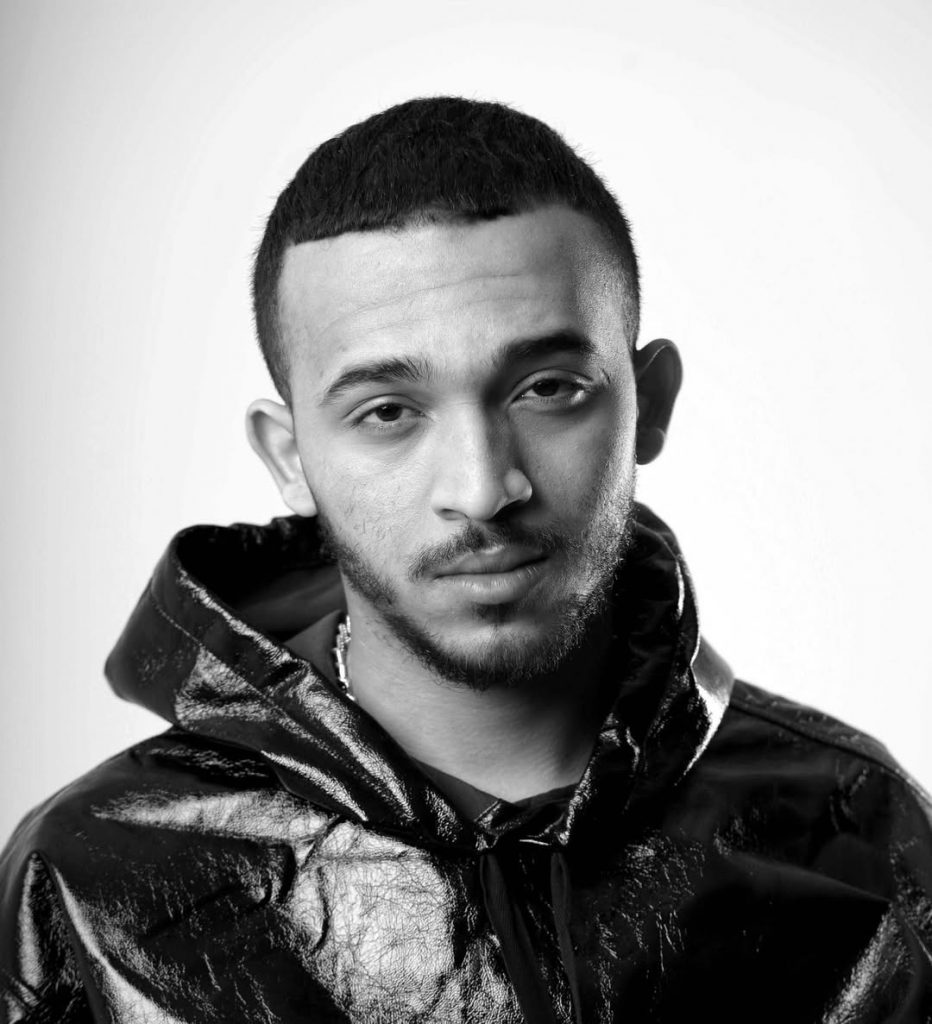
Somewhere between the pulse of Rabat’s city streets and the echo of global airwaves, 7ARI has found his rhythm — and the world is beginning to move to it. Emerging from Morocco’s capital, he stands as one of North Africa’s most exciting voices, fusing tradition with modern swagger in a sound that feels unmistakably his own.
7ARI’s music sits at the crossroads of Arabic melodies and contemporary Trap, where ancestral emotion meets street-smart innovation. His verses carry the warmth of Moroccan heritage, while his beats thrum with the universal urgency of Hip-Hop — an intoxicating blend that makes every track both personal and planetary.
Songs like “3AYM,” “Hasta La Vista,” and “Ken Sasaki” ripple with infectious hooks and unfiltered energy — a balance between introspection and bravado that feels deeply human. It’s this authenticity that has turned local admiration into a devoted following, at home and far beyond.
What makes 7ARI particularly magnetic is his instinct for collaboration. Working with Italian superstar Sfera Ebbasta and Japanese-American DJ Steve Aoki, he’s proven that language and geography mean little when the sound is this fresh. Like Morocco’s national team tearing across Qatari fields, 7ARI is sprinting into new territory — his voice, an anthem for a generation chasing progress without losing its roots.
In an era where global rap is shedding borders, 7ARI embodies the spirit of North Africa’s new frontier: bold, melodic, and unmistakably self-aware. His rise signals more than a moment — it’s a movement.
Draganov: The Art of Authenticity
Tuning into Draganov’s world feels like stepping into a space where raw sentiment becomes melody and heritage becomes reinvention. Born Adnan Mahyou in the border city of Oujda — a place where Moroccan and Algerian rhythms mingle in its streets and air — he was immersed from childhood in a mix of cultures and sounds that would later shape his art.
Draganov’s journey began in 2008 when he co-founded The Kings 48, before stepping out solo with Zidou Lgoudam — early proof of his refusal to conform. Balancing school with late-night sessions, he drew inspiration from Nas, Wu-Tang Clan, and Mos Def. His Oujda studio soon became a creative hub, nurturing local talent and leading to a breakthrough in 2014 when he won the Mawazine Rap Competition.
By 2017, he had moved to Casablanca, expanding into production and collaborations with ElGrandeToto, Manal Benchlikha, and others. With projects like SLLM, Khissous V2, and the acclaimed Colors (2022) — which surpassed 35 million streams — Draganov has cemented himself as one of Morocco’s most forward-thinking voices. His latest works, FORSSA and Tach, showcase his evolution — blending rap, raï, and cinematic storytelling into something distinctly his own.
Within 24 hours of release, Tach hit number one in Morocco, fourth in Algeria, and seventh in France — a testament to Draganov’s growing global resonance. For him, success isn’t about virality; it’s about crafting a sound that respects its roots while embracing the future.
From Oujda’s bustling streets to the global stage, Draganov’s journey proves that authenticity travels. Every verse he pens and every beat he shapes carries a fragment of home — stitched with memory, rhythm, and purpose. In his world, music isn’t just expression; it’s architecture. And with each release, Draganov continues to build a new frontier for North African rap.
Khtek: Voice of a Generation
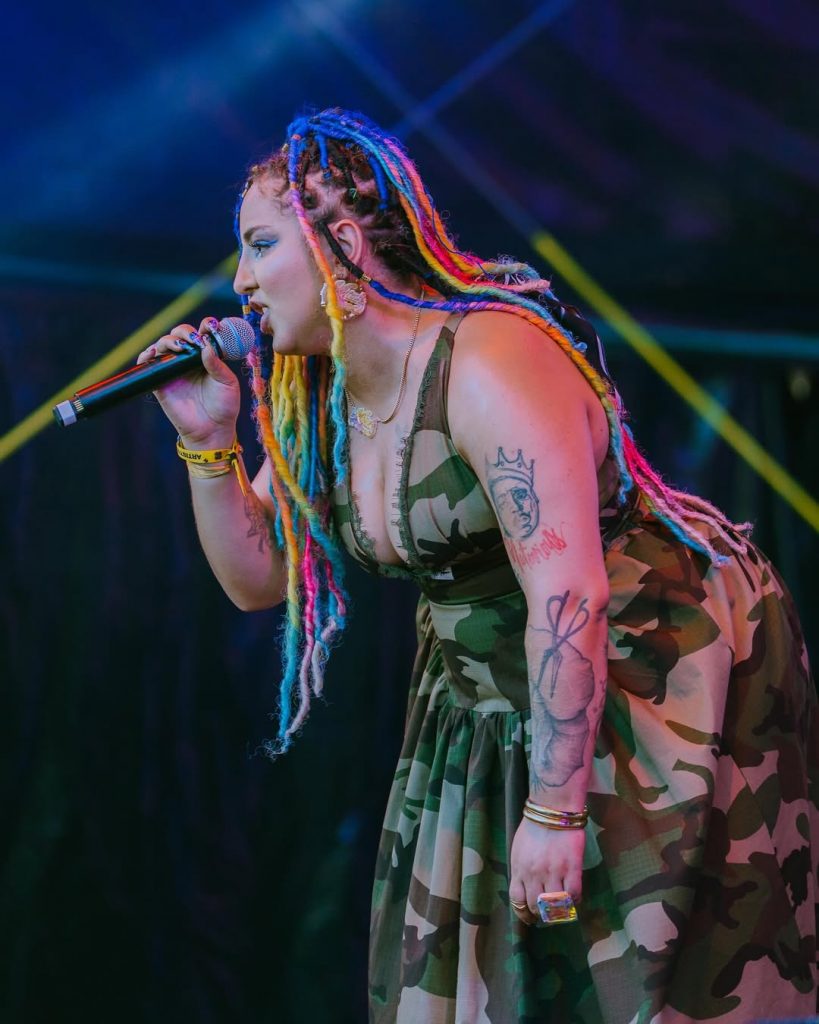
From Khemisset’s quiet corners, Khtek — born Houda Abouz has quietly carried within her a roaring soul. Raised in Morocco, where tradition meets transformation, she grew up watching voices around her whisper truths and dared to raise her own. Early on, Khtek’s love for culture and art pushed her toward film studies in Tétouan, where visuals and stories fed her hunger for expression.
Her entry into the public eye came in 2020, with Hors Série, a collaboration alongside ElGrandeToto, Draganov, and Don Bigg. The song exploded online, racking in millions of views, and it gave Khtek more than validation — it gave purpose. Shortly after, “KickOff” dropped, her debut single, candidly exposing the inequalities and double standards faced by women in her society. Her unapologetic voice, switching between Darija, French, and English, spoke to many who saw themselves in her: someone who refuses to be silenced.
Khtek’s art is more than sound; it’s healing. She leans into vulnerability — about mental health, personal struggle, societal pressure — not as confession, but as strength. She’s been open about living with bipolar disorder, about how sorrow and struggle shaped her artistry. Yet through that, she comes across not as fragile, but as something resilient, fierce, beautifully flawed.
In a scene long dominated by masculine bravado, she carves space with soft edges that still sting. With tracks like Ftila, Fratello, and KickOff, she’s proving that the next generation of Moroccan rap isn’t just louder — it’s more emotionally honest. And in doing so, Khtek reminds us that being real — being heard — is its own revolution.
Stormy: Moroccan Rap’s Next Big Gust
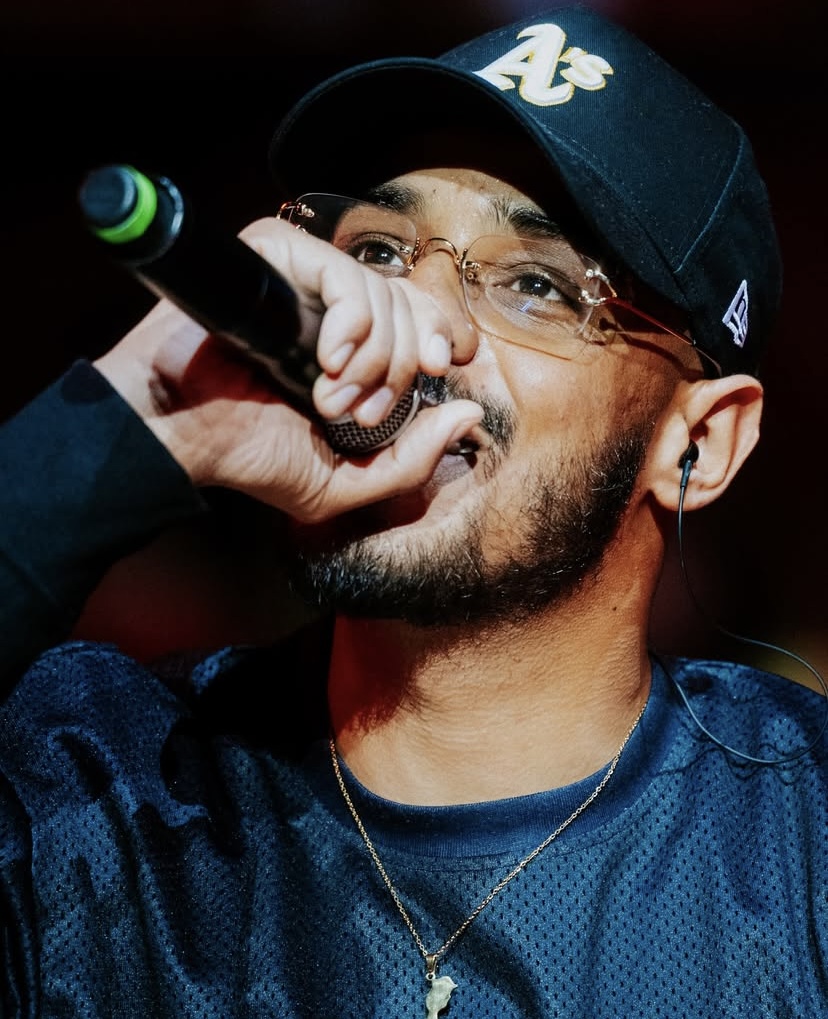
Stormy’s voice doesn’t simply echo through Morocco’s rap scene — it challenges it, reshapes it, and breathes new urgency into it. Born Yasser El Malih in Rabat in 1997, he was raised amid musical contrasts: metal riffs from one brother, early rap from another; a childhood tuned into extremes. These roots laid the foundation for a sound that is both sharp in its lyricism and broad in its empathy.
His journey started quietly — early releases around 2016, experimenting, freestyling, honing his voice. Then in 2020, Fratello, Africain, 777, and Si Tu Savais broke through, marking the moment Stormy moved from the margins to becoming a major player. Jackpot, his 2021 project with Tagne, expanded that reach further.
2024 arrived, and with it, Iceberg, Stormy’s solo debut, fronted by Popo, a song that swept up attention everywhere — Brazil-funk energy, vivid visuals, and millions of views. The following year, Omega, a surprise EP, proved he isn’t content to stay in one lane: trap, experimentation, melody, hard bars, introspective moments — all stitched together with his signature edge.
What sets Stormy apart isn’t just that he delivers fire—it’s that he delivers with purpose. He weaves traditional Moroccan textures and multiple languages with the global grammar of hip-hop. He speaks not just about what hurts, but what persists, what hopes, what demands attention. In a music landscape beset with trends, Stormy’s art demands loyalty to truth.
Algeria: The Home of Grit, Groove & Zenqaoui Soul
Soolking: A Voice Too Vast for Geography
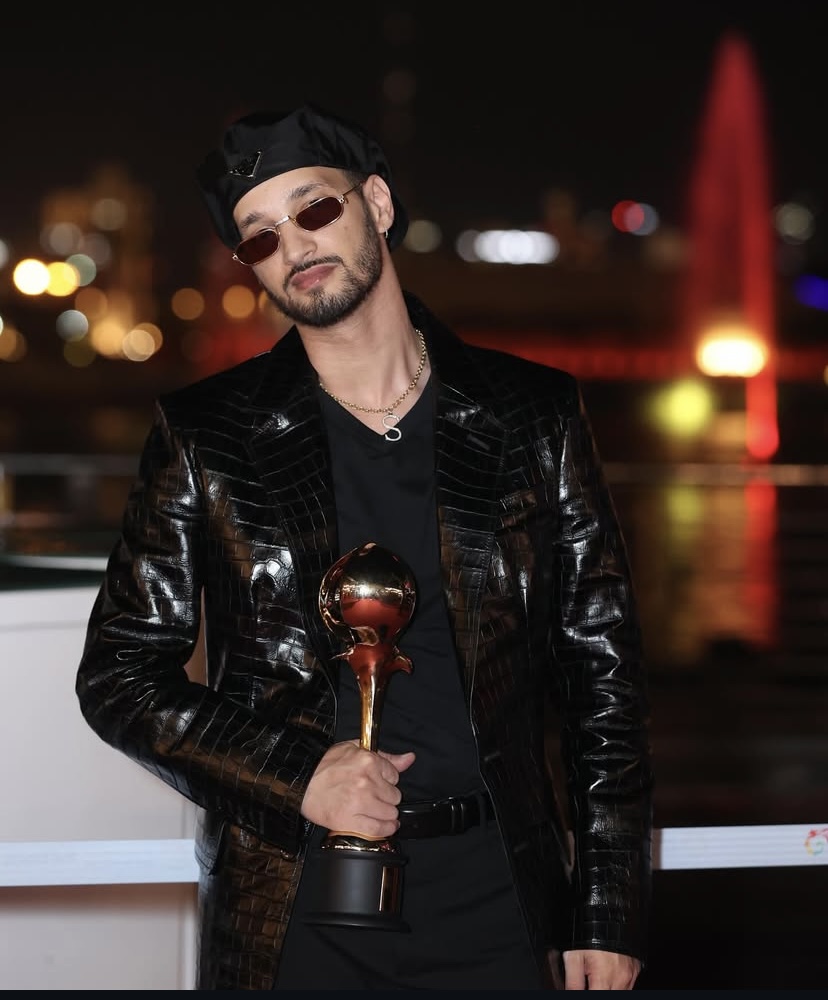
As the journey through Algeria’s vibrant music landscape unfolds, one name echoes above the rest — resonant, rhythmic, impossible to ignore: Abderraouf Derradji, known globally as Soolking. Born on December 10 in a northern suburb of Algiers, the artist grew up where rhythm spoke louder than words — a home guided by the beat of a percussionist father, surrounded by the pulse of dance, rock, and the raw rhythm of the streets. Expression was never pursued; it was lived, breathed, and performed.
The artistic path began early — first behind the drums of a rock band, then across stages as a dancer and acrobat, before finding voice within the Algerian rap crew Africa Jungle, shaping a distinct craft across group projects. The year 2016 marked a defining leap, signing with Affranchis Music, the label of French rapper Sofiane, and unveiling releases that merged emotion with melody, politics with pop, creating something at once familiar and refreshingly bold. The world soon tuned in through “Milano,” “Guérilla,” and the anthemic “Dalida,” a daring reimagination of a timeless classic that intertwined Algerian roots, French lyricism, and global appeal. The debut album, Fruit du démon (2018), transformed that sound into a movement — first gold, then platinum in France — amplifying a voice that refused to be confined by geography.
Beneath the accolades lies a storyteller bound to truth. Tracks like “Liberté” stir collective memory — recalling struggle, hope, and defiance, echoing from protests to playlists. The soundscape drifts effortlessly between raï, rap, soul, reggae, and glimmers of reggaeton, each note painting fragments of a complex identity — contemporary yet deeply rooted.
From the alleyways of Algiers to sold-out arenas across continents, Soolking embodies transcendence — rhythm turned to language, pain reshaped into poetry. The music bridges cultures, dissolving distances, proving that when art is born from truth, it moves beyond borders — and finds a home in every heart that listens.
No Borders. No Labels. Just ALI D
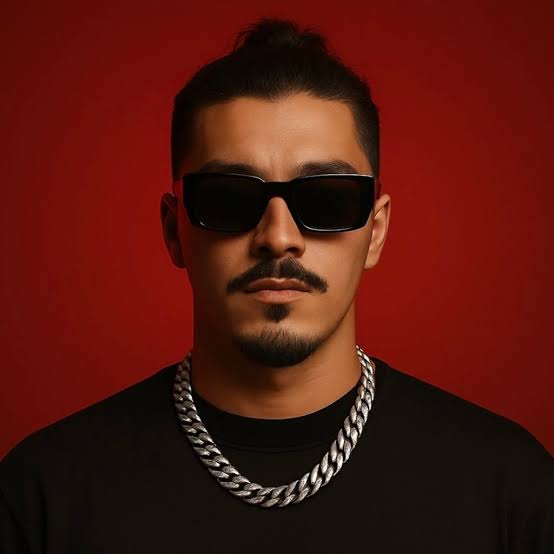
A name rising fast in Algeria’s hip-hop scene is ALI D (alias FOREALID), born Ali Damiche in Sétif. From early years, the streets and sounds of Sétif shaped the musical palette — graffiti of Staïfi melodies, local rhythms, and youthful freestyles.
2023 saw the arrival of V’ALI D, an album that solidified artistic vision. Reine & Parrain, a standout track with staïfi singer Moundjed Wali, married traditional vocal style with modern rap currents, and earned its rightful place on VEVO — marking a new benchmark for regional reach.
Beyond the mic, ALI D is also a student, a storyteller, and a visual artist—all parts of the same creative force. Lyrics speak of identity, struggle, ambition — they carry more than rhythm; they carry a view into life in Sétif, Algerian realities, and dreams that stretch beyond borders.
Didine Canon 16: The Sound of a New Arab Renaissance
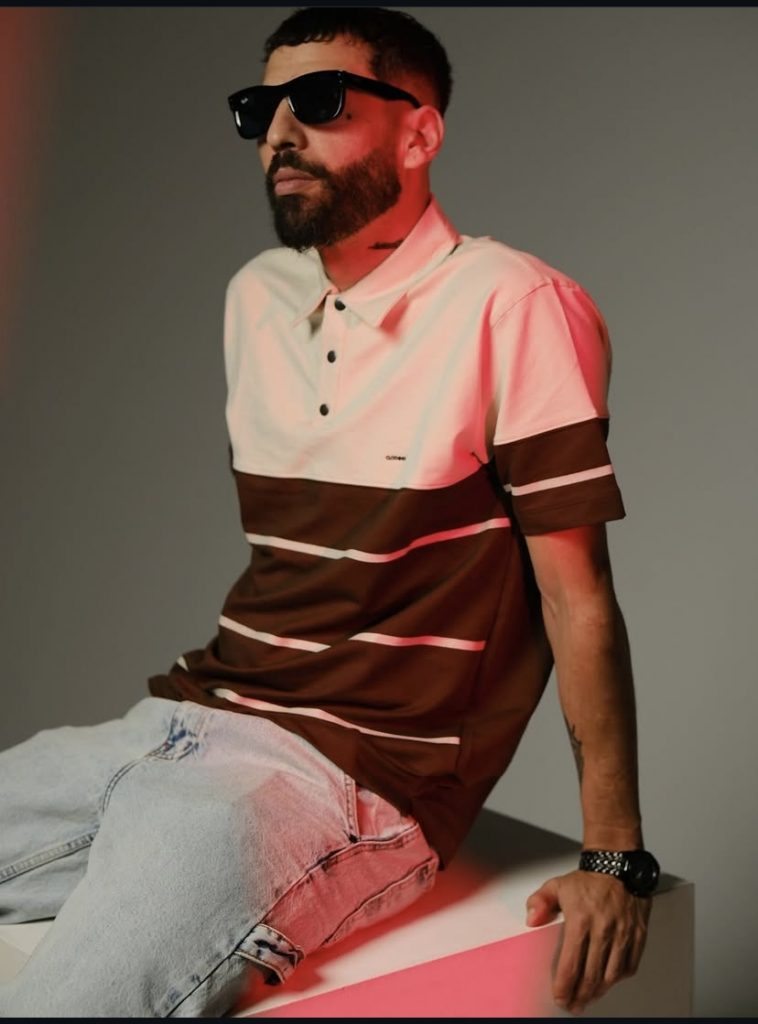
Amid the pulse of Algeria’s rising hip-hop wave, one name keeps threading through every conversation — Khireddine Youcef, better known as Didine Canon 16. A street poet with global reach, he stands at the crossroads of grit and groove, channeling the heartbeat of a generation through what he proudly calls “Zenqaoui” — more than just a genre, it’s a movement. A mirror of the streets, a rhythm of rebellion, and a voice for youth carving identity through sound.
Since breaking onto the scene in 2015 with “Akhténi,” Didine has built a reputation for unfiltered storytelling and undeniable charisma. His style — relaxed yet razor-sharp, melodic yet gritty — bridges the underground and the mainstream, giving him a rare duality that fans across the Maghreb can’t get enough of.
Tracks like “Tesla,” “Le Dem,” “Jwabi,” and “El Ma9youd” have become anthems of a generation navigating life’s hustle and chaos. “El Ma9youd,” in particular, cemented his status as a national phenomenon — hitting a million views in under 24 hours and surpassing 78 million views by 2023. Each release carries Didine’s signature pulse: hypnotic beats, streetwise rhymes, and a rhythmic honesty that turns everyday reality into poetry.
Beyond his solo success, Didine’s collaboration with Egyptian superstar Mohamed Ramadan on “Nassaba” elevated his reach even further, blending North Africa’s sounds and swagger into one irresistible fusion.
Today, Didine Canon 16 stands as one of Algeria’s most influential cultural figures — not just a rapper, but a storyteller capturing the heartbeat of a new Arab youth movement. With every verse, he pushes the Zenqaoui spirit forward: proud, raw, and unafraid to turn truth into rhythm.
At the Heart of the Maghreb Sound’s Future
What unites Morocco, Algeria, and Egypt isn’t just geography — it’s intent. A generation of artists redefining identity through innovation. These musicians aren’t chasing Western validation; they’re building bridges between the Maghreb, the Middle East, and the wider African soundscape.
They prove that language, accent, or ancestry are not barriers but instruments — tools for shaping new global stories. This isn’t fusion for novelty’s sake; it’s reclamation. The Maghreb’s new wave is not borrowing from the world — it’s inviting the world in.
From Cairo’s underground corridors to Casablanca’s trap-heavy rooftops and Algiers’ street stages, North Africa’s sound is rewriting global rhythm — one beat, one borderless collaboration, one story at a time. The Maghreb isn’t just on the map; it is the map — a soundscape expanding what it means to be African, Arab, and alive in music’s most exciting moment.
At Music Custodian, this feature reflects what inspires us — chronicling Africa’s ever-evolving sound, archiving its cultural heartbeat, and celebrating the brilliance that shapes tomorrow’s music.
And in true Custodian spirit, we’ve curated Maghreb Frequencies — a love letter to North Africa’s most captivating sounds.
Hit play.