In an industry often defined by access, visibility, and power dynamics, the most radical act is sometimes the simplest: like Onerpm is – creating a room and being intentional about who it is built for.
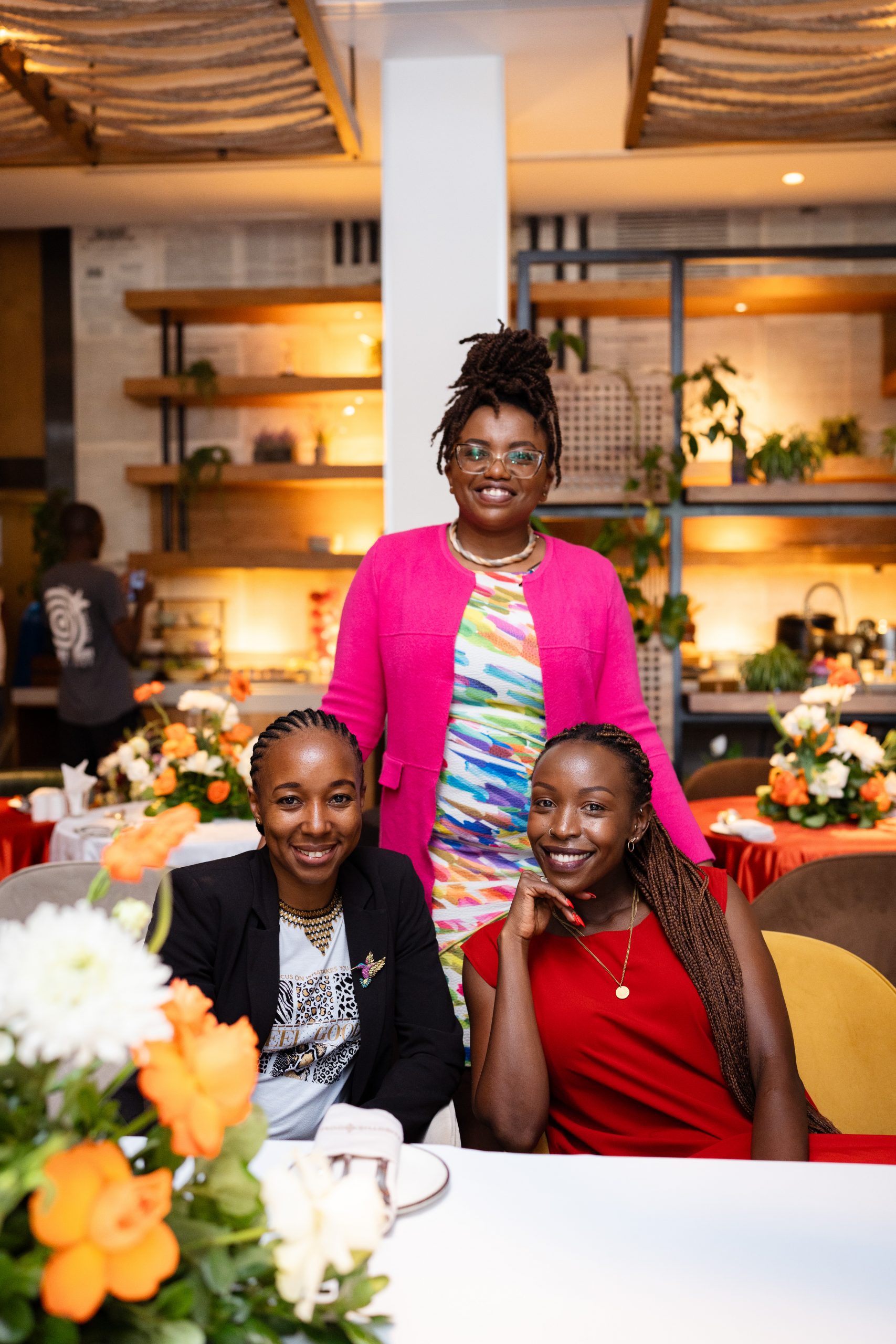
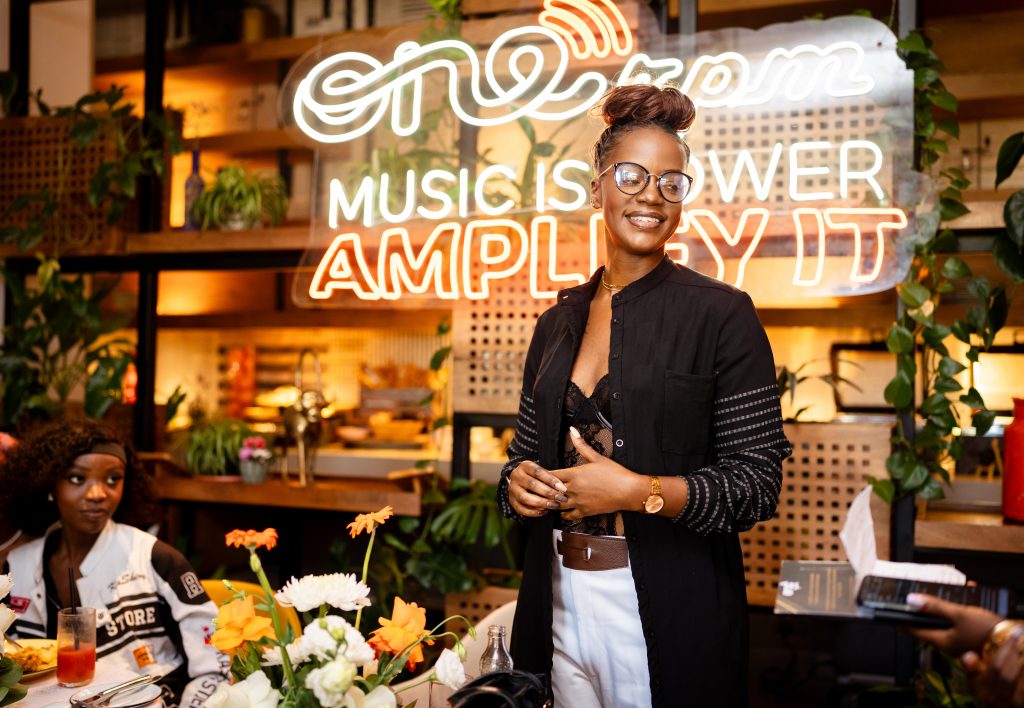
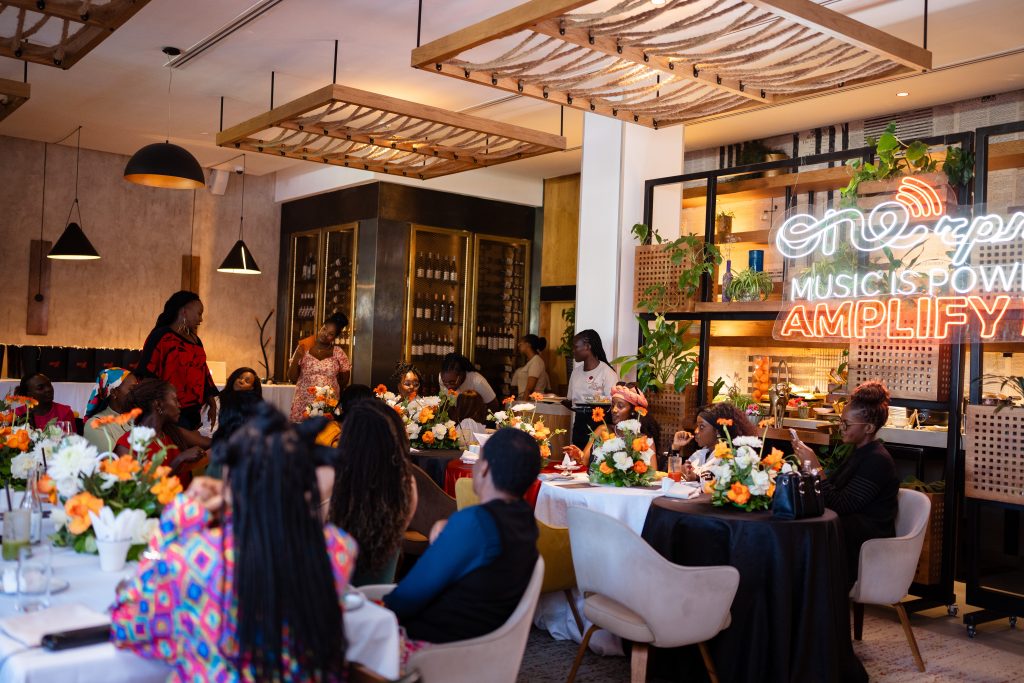
Less than a fortnight ago in Nairobi, ONErpm quietly convened over 30 women across the Kenyan music ecosystem for an intimate brunch at Social House. On the surface, it was a gathering – but beneath that, it was something far more deliberate.
A moment of pause within a fast-moving industry. A recalibration. A reminder that beyond charts, releases, and streaming milestones, there are human beings navigating the structures that define African music today.
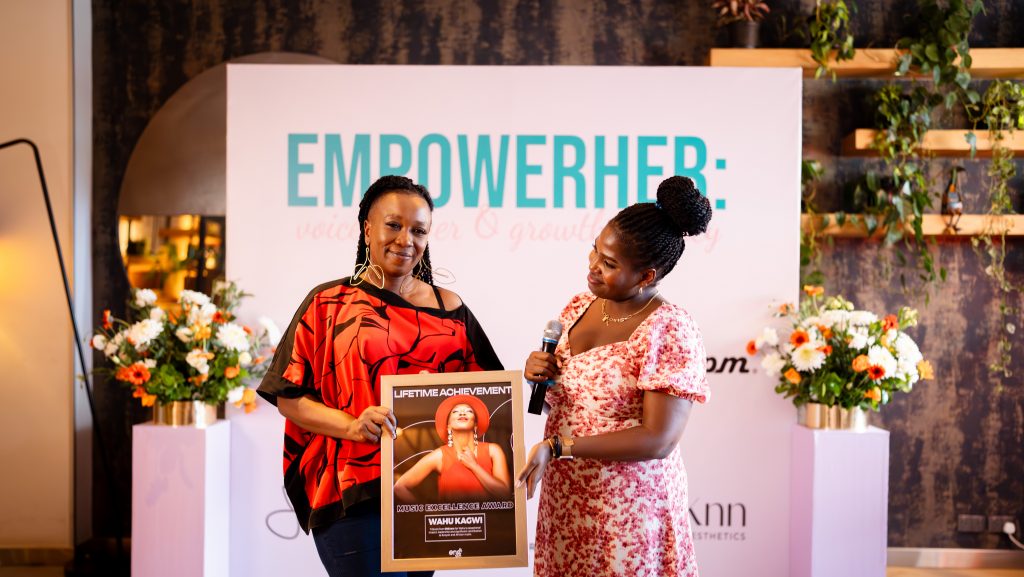
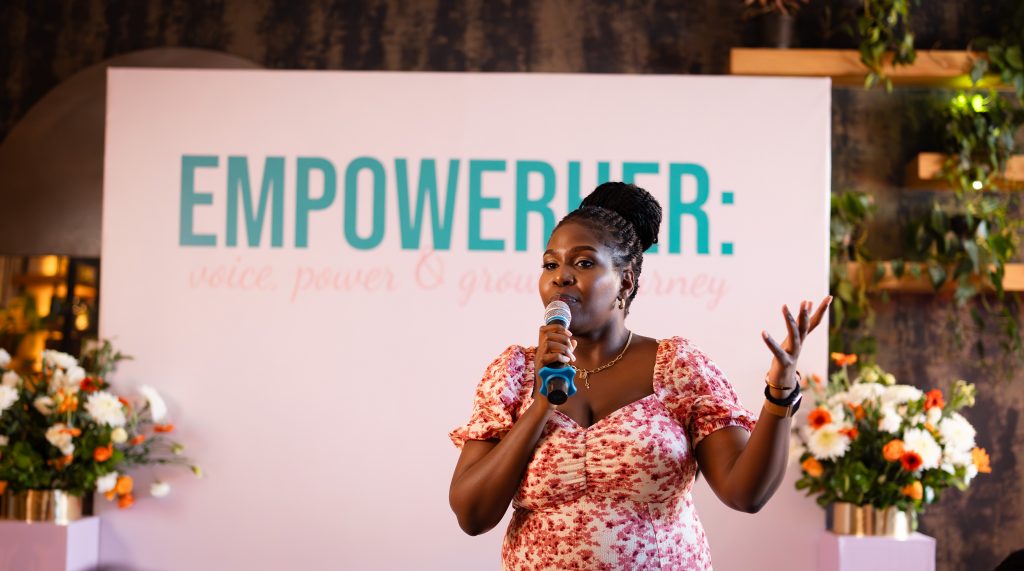
From artist managers like Chiki Kuruka to intellectual property leaders such as Liz Lenjo, alongside artists including Nikita Kering, Wahu Kagwi, Jovial and We Are Nubia, the room represented a cross-section of women actively shaping the sound, structure, and business of Kenyan music.
But more importantly, it reflected something that is often missing ; and that is proximity. Not proximity to fame, but proximity to shared experience(s).
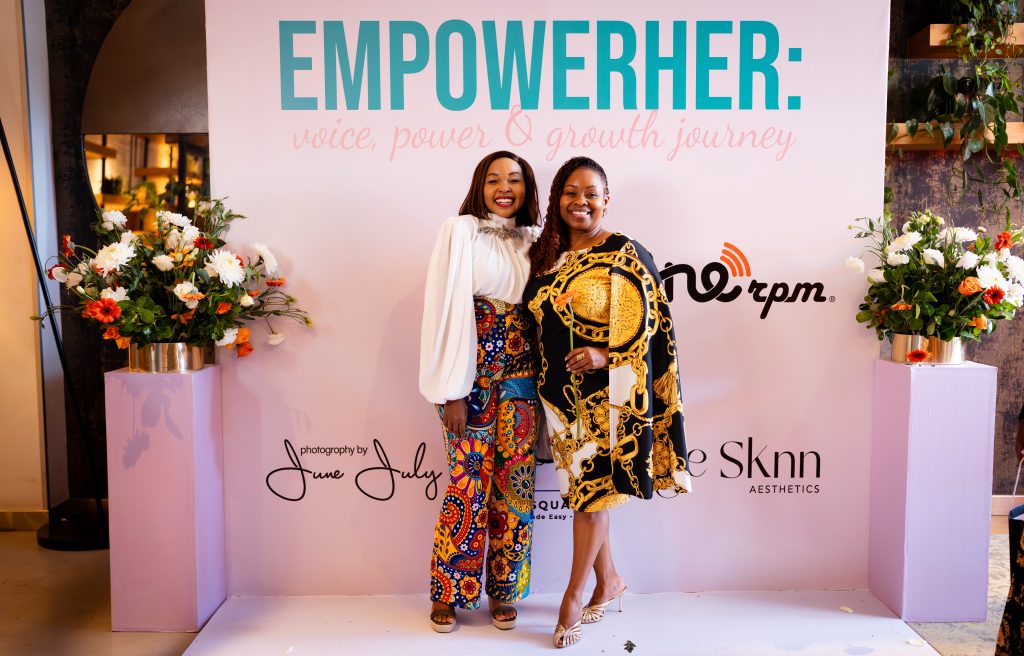
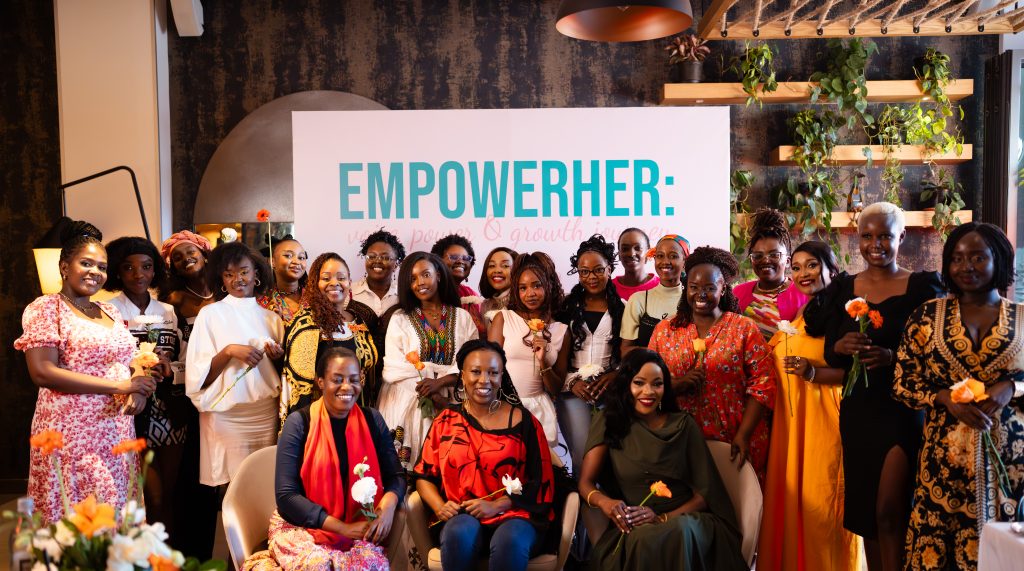
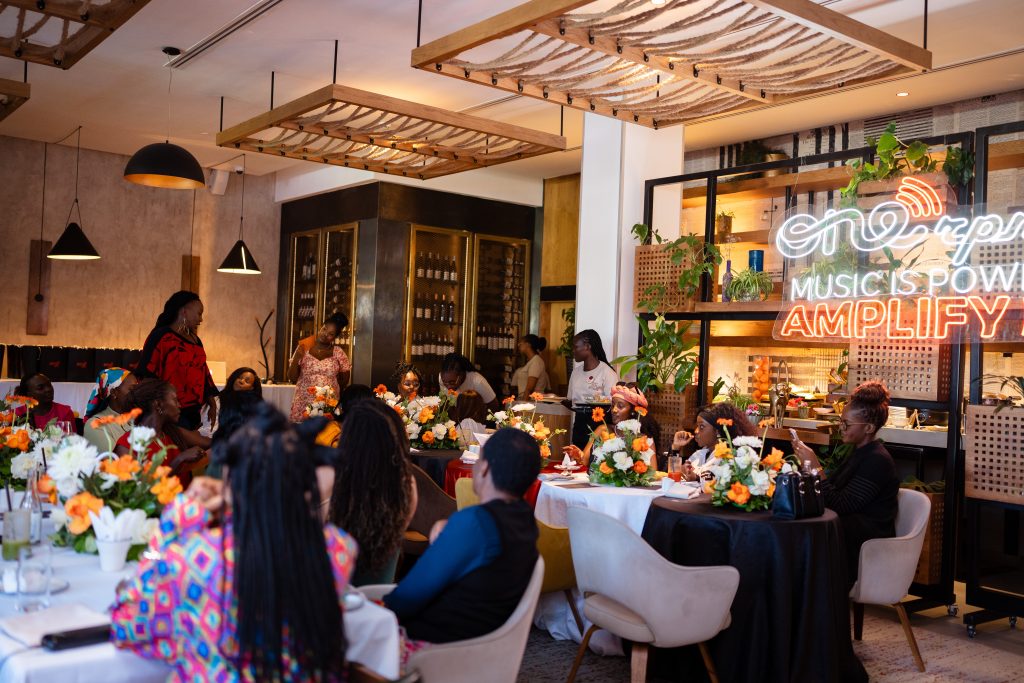
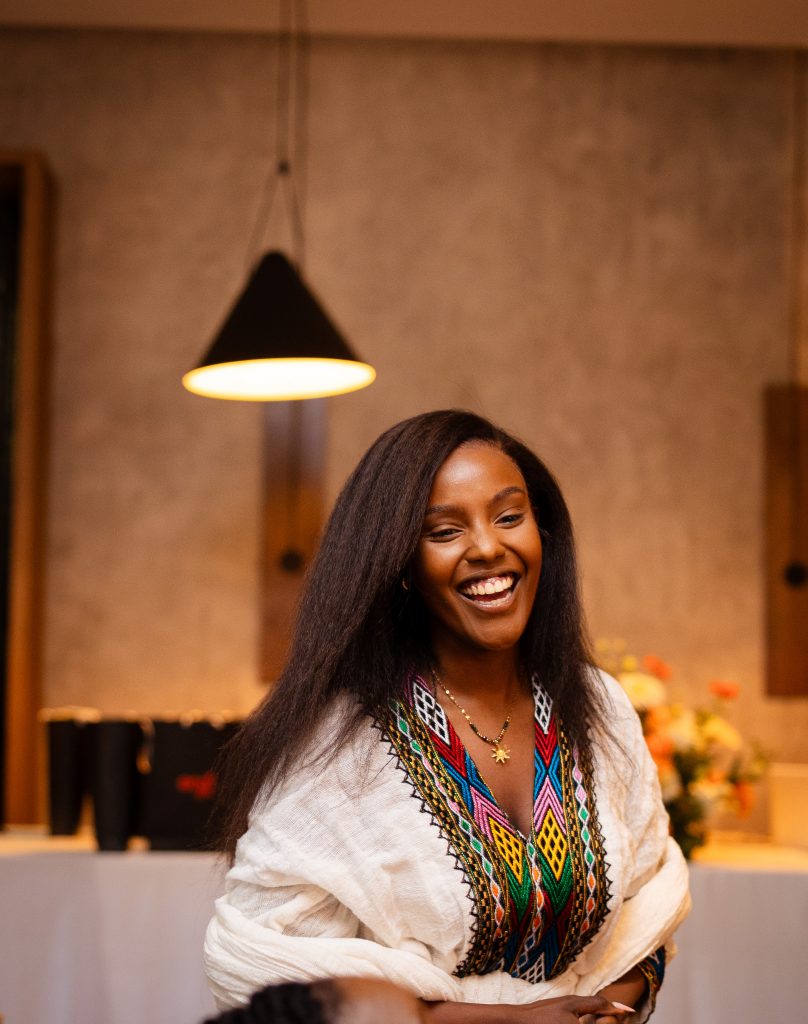
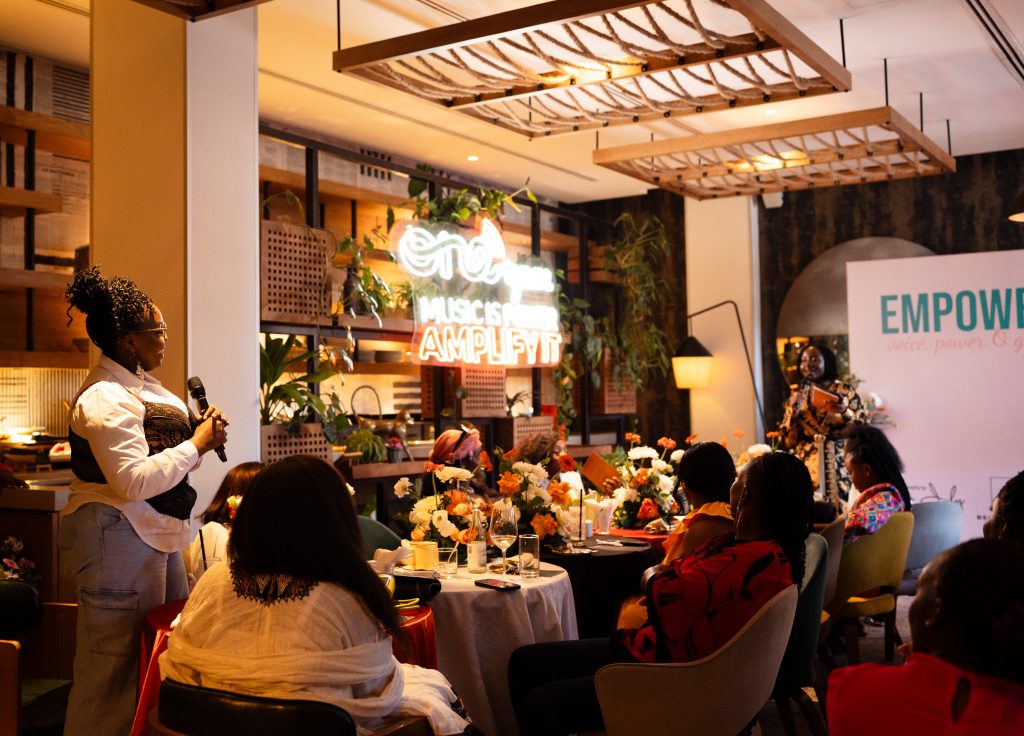
The conversations were not performative. They were lived. They moved across personal journeys, structural challenges, creative identity, and the quiet resilience required to exist and thrive within an ecosystem that is still evolving in its inclusivity.
And in that space, something powerful happened not in spectacle, but in sincerity.
As articulated by ONErpm Kenya Country Manager Bilha Ngaruiya, the intention was clear: to create a space where women could “exist, connect, and be heard without external pressures.”
In many ways, that statement reveals a deeper truth about the African music industry today – that while the sound continues to travel globally, the systems that support the people behind that sound are still being built in real time.
“We don’t have enough spaces where women in our industry can simply exist, connect, and be heard without external pressures. This gathering was a breath of fresh air, a chance to break bread, share openly, and remind each other that we’re not navigating this journey alone.
As the industry continues to grow, it’s becoming even more important for us to build intentional communities that support, uplift, and champion women at every level.”
This is where gatherings like this move beyond moments and begin to take on institutional significance.
Because if Afrobeats and African music more broadly have taught the world anything over the past decade, it is that culture does not grow in isolation ; it grows in community.
And community requires intentional design. It requires spaces that are not accidental, but curated. Not reactive, but forward-thinking.
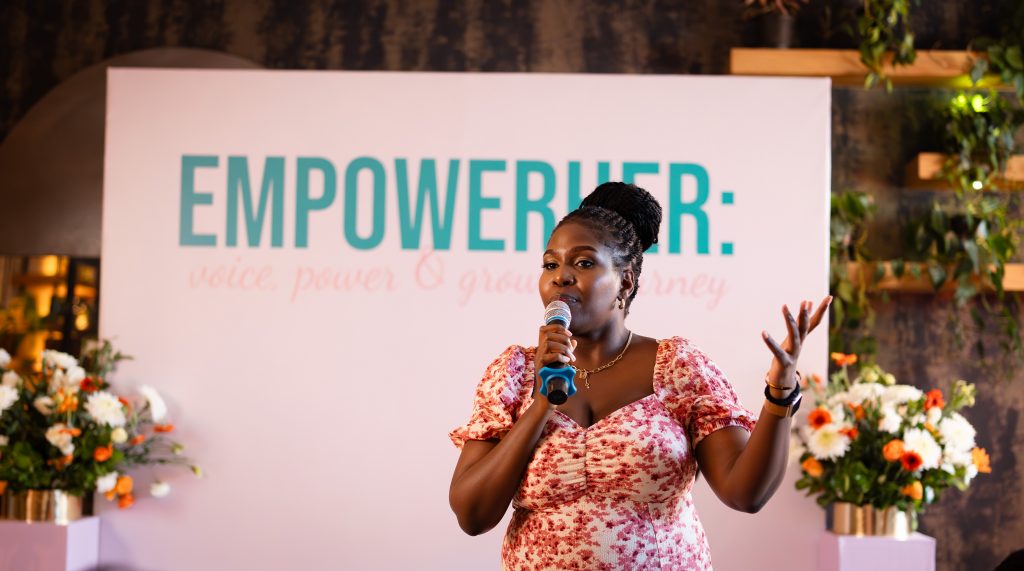
Across the continent, we are witnessing a shift.
Women are not only participating in the music industry – they are building it.
From management to legal frameworks, from creative direction to executive leadership, the architecture of African music is increasingly being shaped by women whose contributions extend far beyond visibility.
Yet, for all this progress, there remains a need for continuity – for structures that ensure these conversations are not fleeting, but foundational.
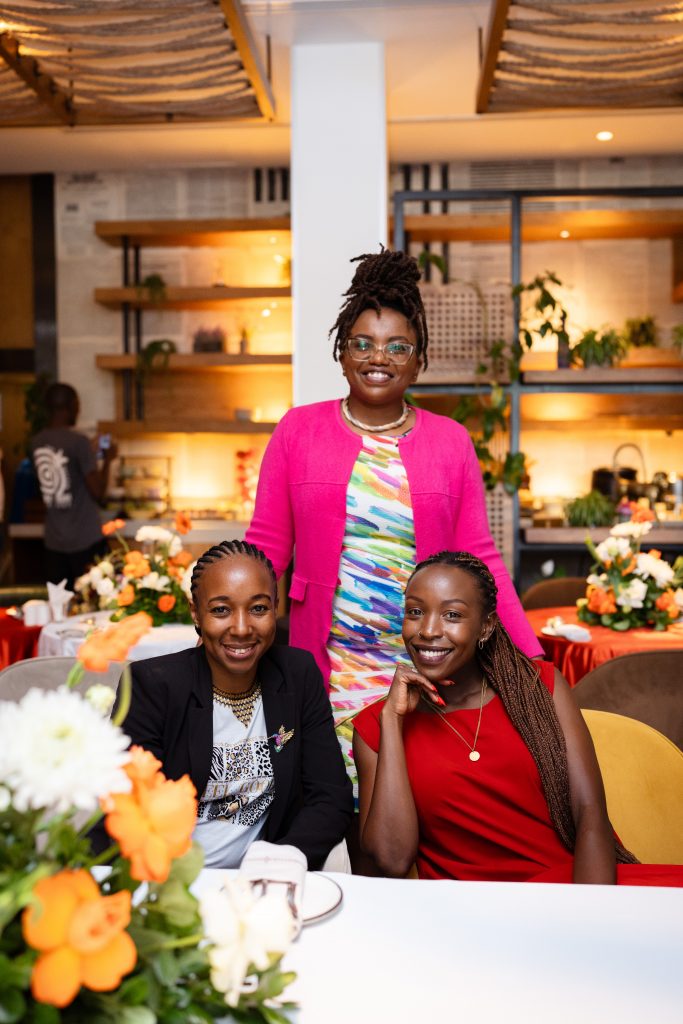
That is the real significance of what ONErpm has initiated here.
A signal that the future of African music must be inclusive by design.
A signal that community is as important as commerce.
A signal that behind every global sound is a network of voices that must be seen, heard, and sustained.
At Music Custodian, we understand that documenting these moments is just as important as documenting the music itself. Because long after the songs fade from charts, it is these rooms , these conversations, these connections – that shape what comes next.
And perhaps that is where the real work begins.