Over the past two decades, African music – particularly Afrobeats – has transformed from a regional sound into one of the most powerful cultural exports in the world.
From Lagos to London, Accra to Atlanta, and Nairobi to New York, the rhythms, language, and energy of African artists now move through global charts, festival stages, fashion runways, and digital culture with unprecedented force.
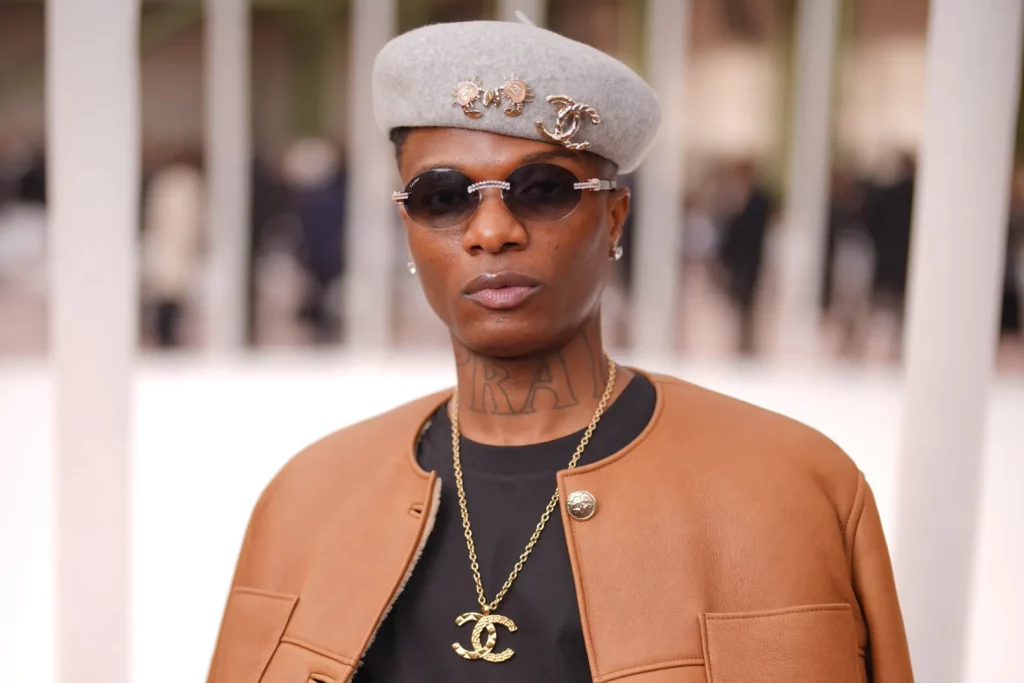
Yet beneath the celebration lies an important question that industry veteran ID Cabasa recently brought back into public conversation: Is the Afrobeats ecosystem building long-term cultural infrastructure, or merely riding the momentum of a moment?

His observation represents that the industry is creating but not necessarily building sustainability , and this is not criticism for criticism’s sake. Rather, it reflects a deeper structural conversation about what happens when a cultural movement grows faster than the institutions meant to support it.
Afrobeats As Sound Made At Home into a Global Movement
Afrobeats did not appear overnight. Its roots can be traced through decades of musical evolution across West Africa and the diaspora. The political and musical foundations laid by pioneers such as Fela Kuti established a cultural blueprint that fused rhythm, identity, and social consciousness.
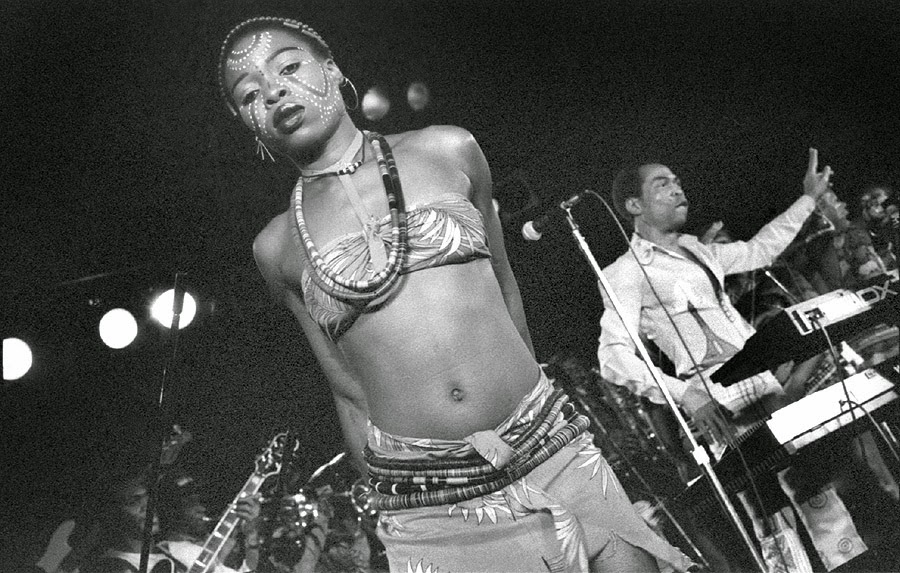
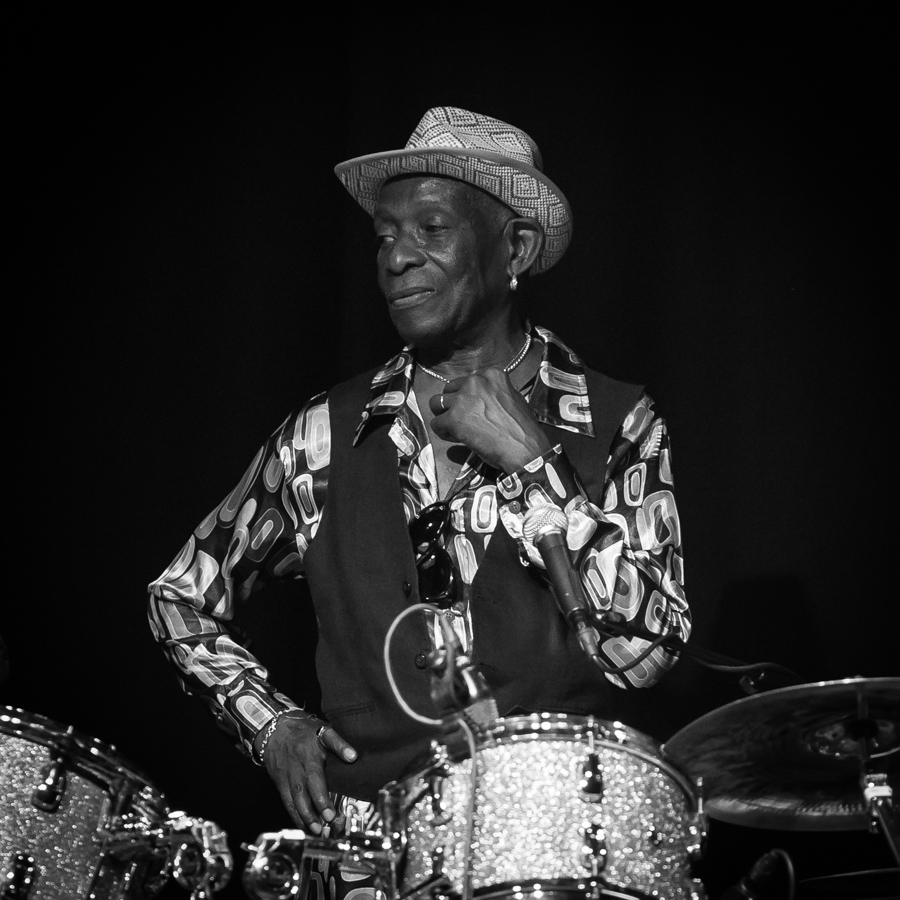
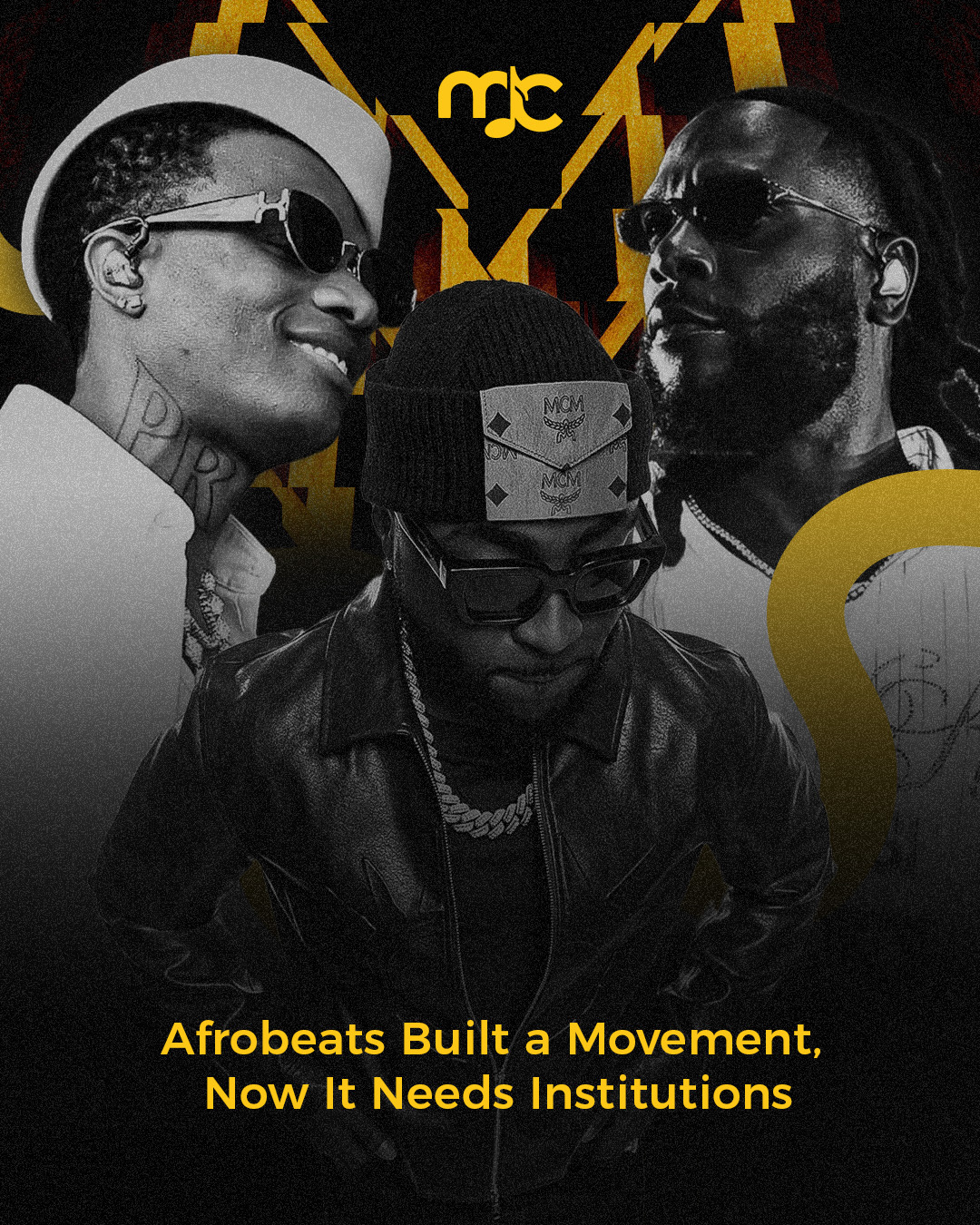
In the early 2000s, a new generation of Nigerian producers and artists began blending hip-hop, dancehall, highlife, and contemporary pop into a sound that would eventually become known globally as Afrobeats. By the 2010s, artists like Wizkid, Burna Boy, and Davido were not only dominating African charts but also reshaping international perceptions of African music.

Streaming platforms accelerated the spread. Digital distribution removed geographic barriers. Social media amplified cultural exchange. Suddenly, African music was no longer confined to diaspora communities ; it was a mainstream global sound.

Today, Afrobeats sits at the center of global pop culture.
But movements powered by momentum eventually encounter a deeper question: What structures will sustain them?
Addressing The Infrastructure Gap
While Afrobeats has achieved global visibility, many of the institutions that traditionally support mature music industries remain underdeveloped across parts of Africa.

These include:
• archival institutions preserving musical history
• music research and academic documentation
• publishing and catalog ownership structures
• cultural policy frameworks
• long-term artist development systems
• music education ecosystems
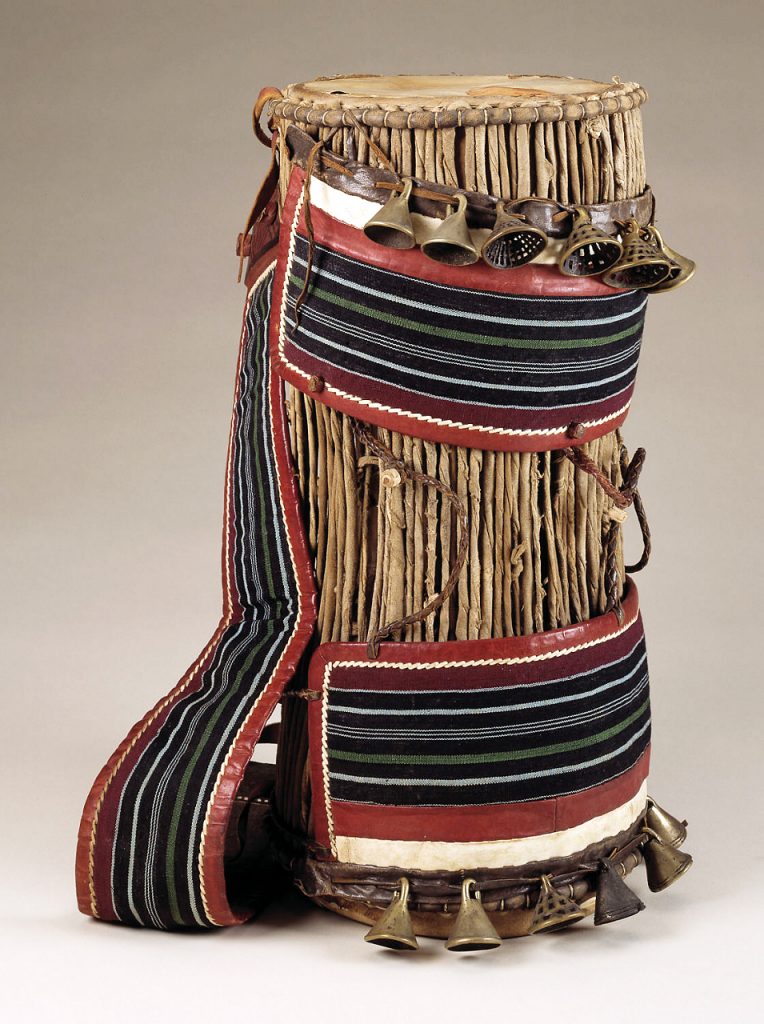
In many cases, the infrastructure surrounding the music still relies heavily on external platforms, foreign investment, and global intermediaries. Also, this is not unique to Africa, as a matter of facts – cultural movements throughout history have faced similar transitions – Jazz, hip-hop, reggae, and Latin music all experienced periods where their cultural influence expanded faster than the institutions surrounding them.
The difference is that the Afrobeats movement is unfolding in an era where global attention arrives faster than institutional development can keep up.

Furthermore, to address ownership in the Streaming Era , one of the most pressing concerns raised by Cabasa’s observation is the issue of catalog ownership. As African artists sign distribution deals, licensing agreements, and global partnerships, questions about who ultimately controls the long-term value of African music catalogs become increasingly relevant.
Ownership is not merely about royalties. It determines:
• who preserves the work
• who controls licensing rights
• who shapes future narratives around the music
• who benefits from the catalog decades from now
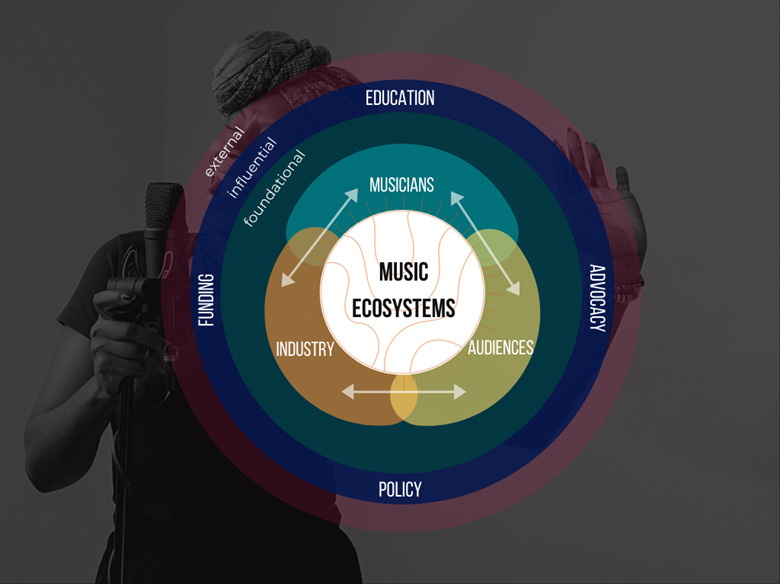
Music history offers many cautionary examples where artists and communities created cultural movements but did not retain ownership of the economic structures surrounding them. For African music to sustain its value, catalog preservation and ownership frameworks must become central industry conversations.
What The Role of Institutions Should Be
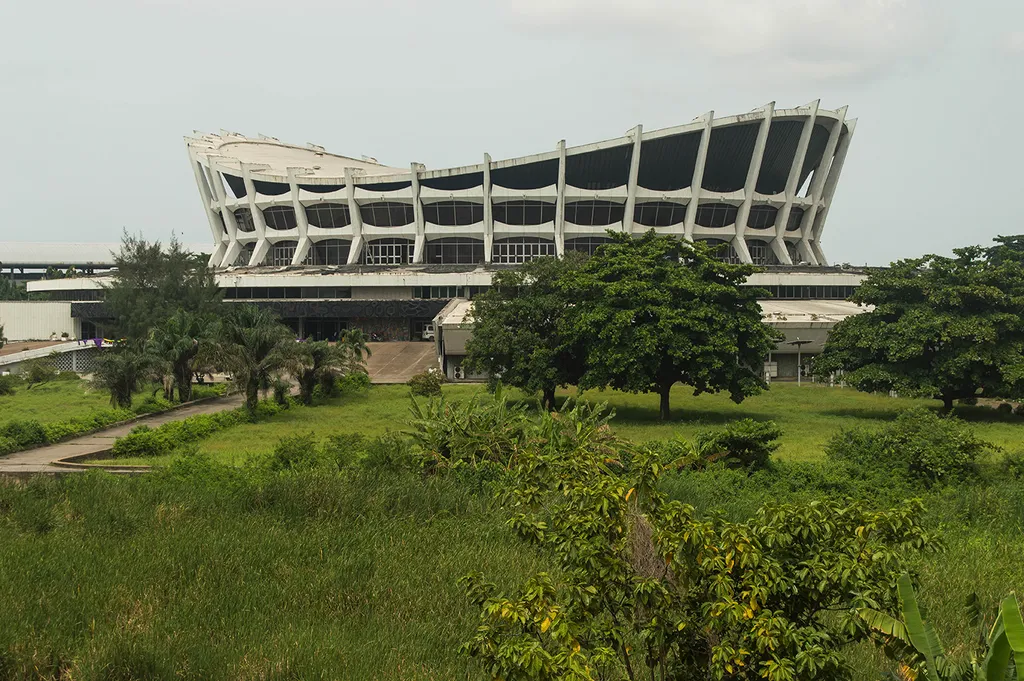
(Image credit: Olajide Ayeni
African music is now reaching a similar moment and the question is no longer whether the sound will travel – that has already happened. The question is who will build the institutions that protect its legacy.
Cultural institutions play a critical role in sustaining artistic movements.
They document history.
They preserve archives.
They foster intellectual discourse.
They build bridges between generations.
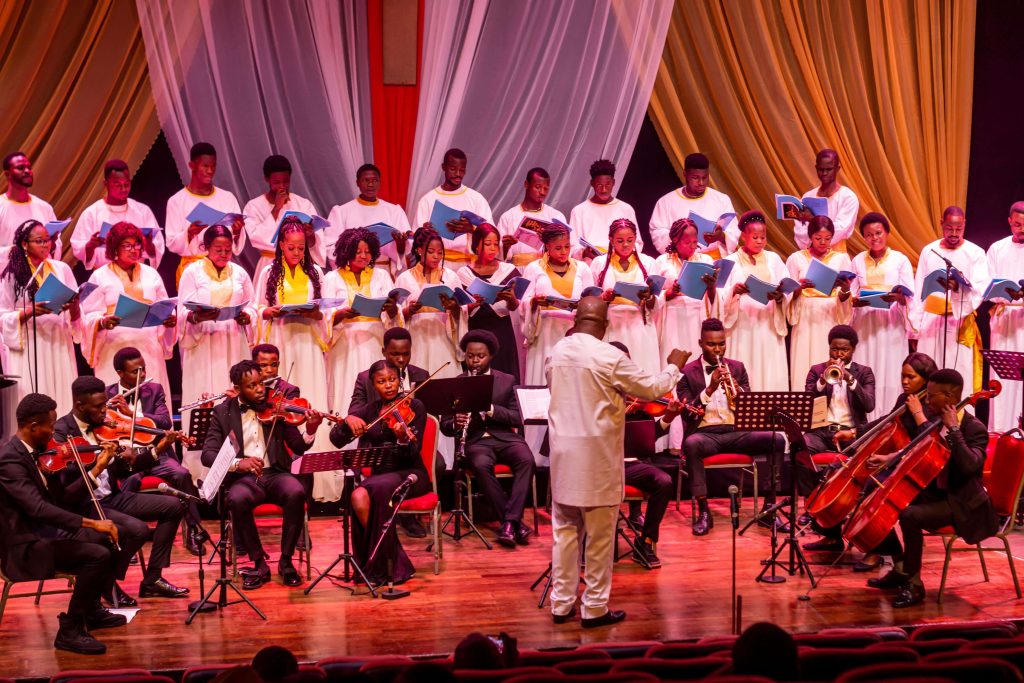
One must put into consideration how genres such as jazz and classical music are supported by institutions including archives, museums, academic programs, and research centers.
These structures ensure that the music is not only heard in the present but also studied and understood decades later.
Beyond music, the future of Afrobeats as an institution must also be written – literally. If we are serious about ownership, continuity, and cultural intelligence, then books, archives, and literary documentation must sit alongside the music itself. Sound travels fast, but knowledge sustains legacy.
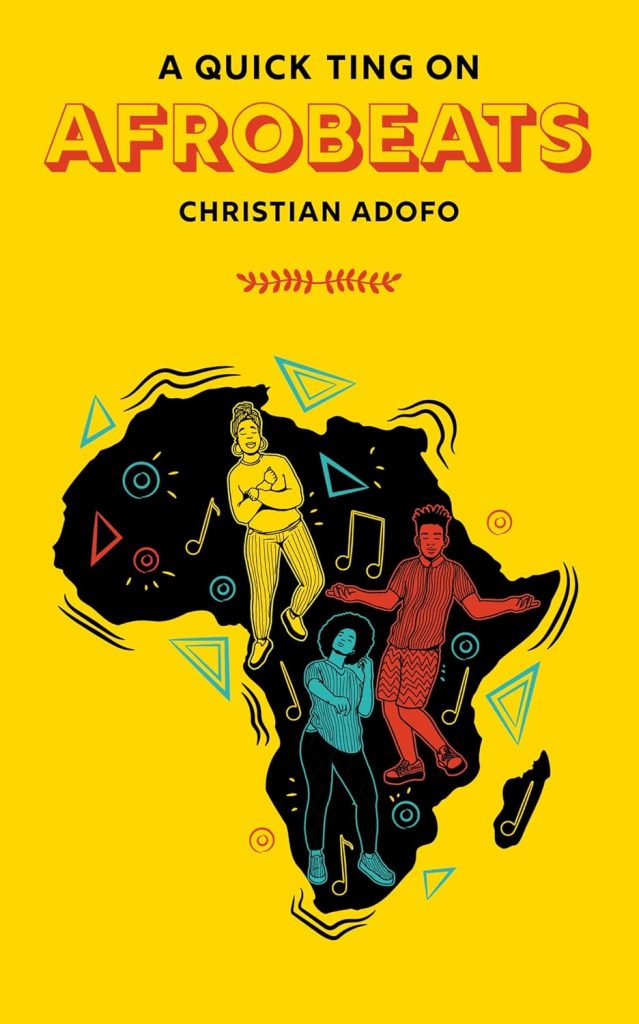
From foundational works like “Fela: This Bitch of a Life” by Carlos Moore, which documents the ideological and sonic rebellion of Fela Kuti, to Kwame Nkrumah’s Consciencism that frames African identity and consciousness, and Decolonising the Mind which challenges cultural ownership and narrative control – these are not just books, but blueprints.
Contemporary texts like Africa To The World further reshape global perceptions of the continent.
For Afrobeats to truly evolve into a sustainable institution, we must build a culture where artists, executives, and audiences engage with both sound and scholarship – where studios, stages, and streaming platforms are complemented by libraries, research, and documented thought.
Because if music is the pulse, then literature is the memory and without memory, culture cannot endure.
What A New Phase for African Music Should Be
The current generation of African artists has accomplished something remarkable: they have proven that African sounds can shape global music culture without compromising their identity.
The next phase of the movement may require a different kind of ambition.
Not only:
• bigger tours
• more global hits
• larger streaming numbers
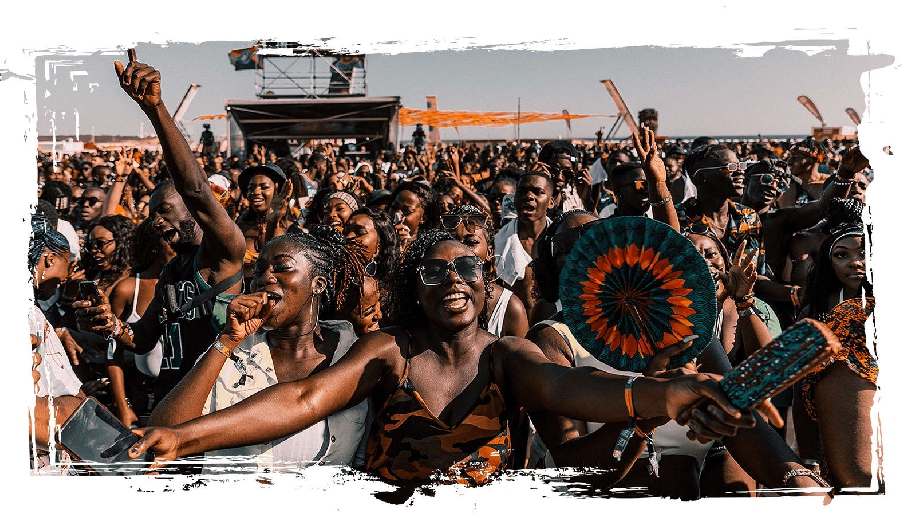
But also:
• stronger archives
• research institutions
• music policy development
• ownership frameworks
• cultural documentation platforms
In other words, the transition from movement to infrastructure.
The Role of Cultural Documentation
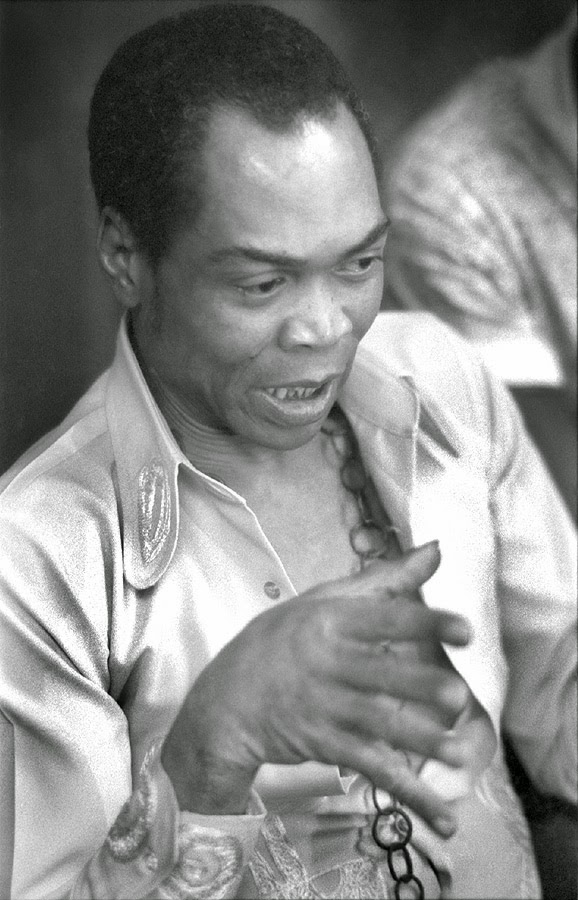
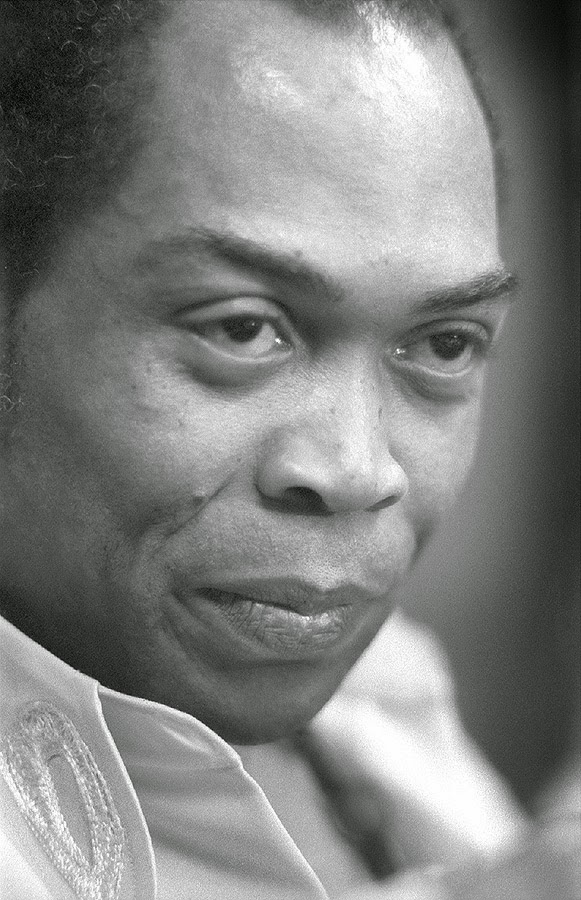
One of the least discussed but most important components of cultural infrastructure is documentation. Music movements are often remembered through the work of journalists, archivists, researchers, and cultural historians who capture the stories surrounding the sound.
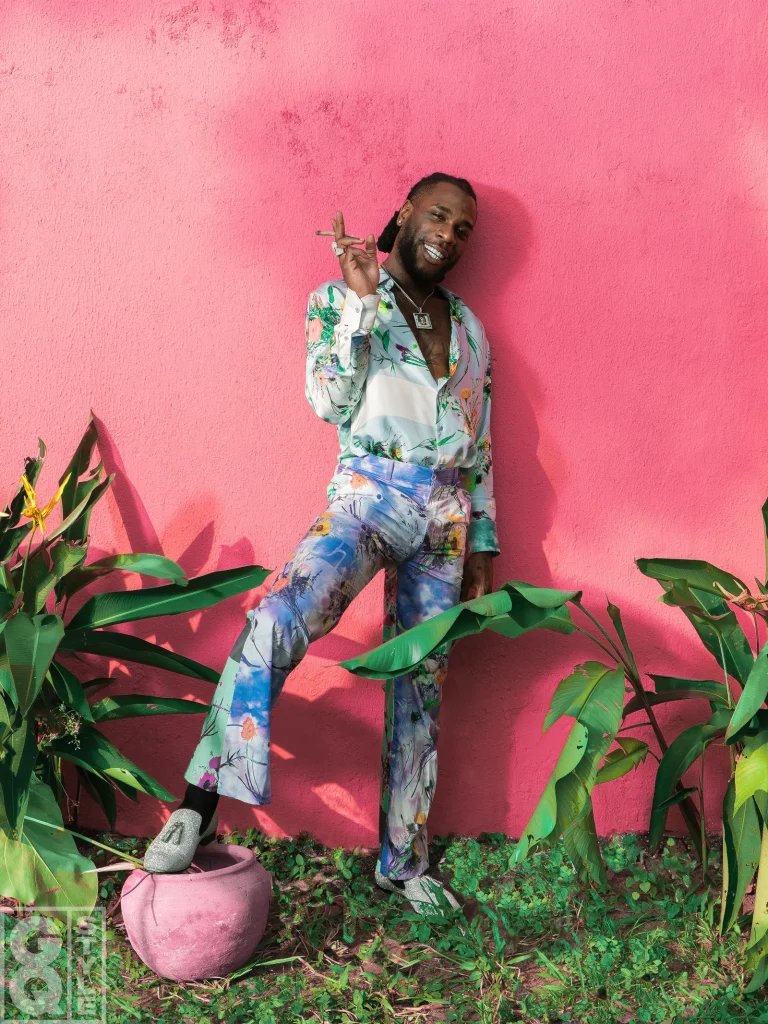
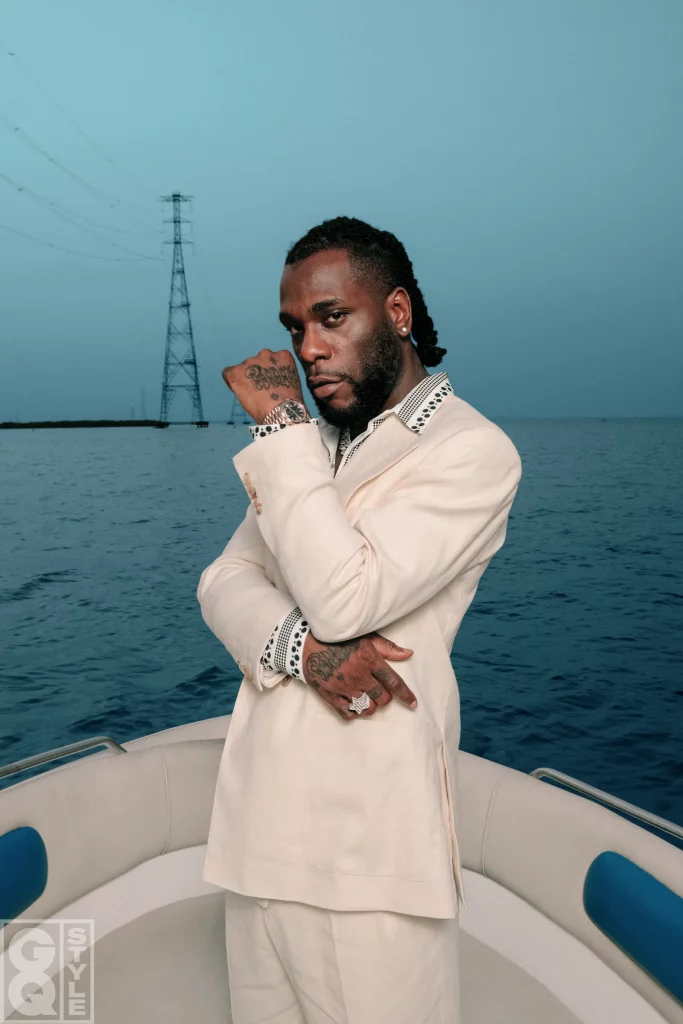
Without this documentation, entire chapters of musical history can become fragmented or lost. Across Africa, new platforms are emerging to address this need, working to record the voices, ideas, and creative processes shaping the continent’s music ecosystems.
These efforts recognize that music history is not only written through records and performances but also through the narratives surrounding them.
Afrobeats Beyond This Moment
Afrobeats has already proven that African music can move the world, but sustainability requires moving beyond the excitement of the present moment and asking deeper structural questions about ownership, preservation, and cultural infrastructure.
This should not appear as a critique of the movement – it is a natural evolution of it.
Every cultural revolution eventually reaches the point where creativity must be matched by institution-building.
In many ways, Afrobeats is entering that stage now and the decisions made today – by artists, executives, cultural platforms, and creative communities – will determine how the story of African music is preserved for generations to come; because movements create history.
However, institutions ensure that history is remembered.