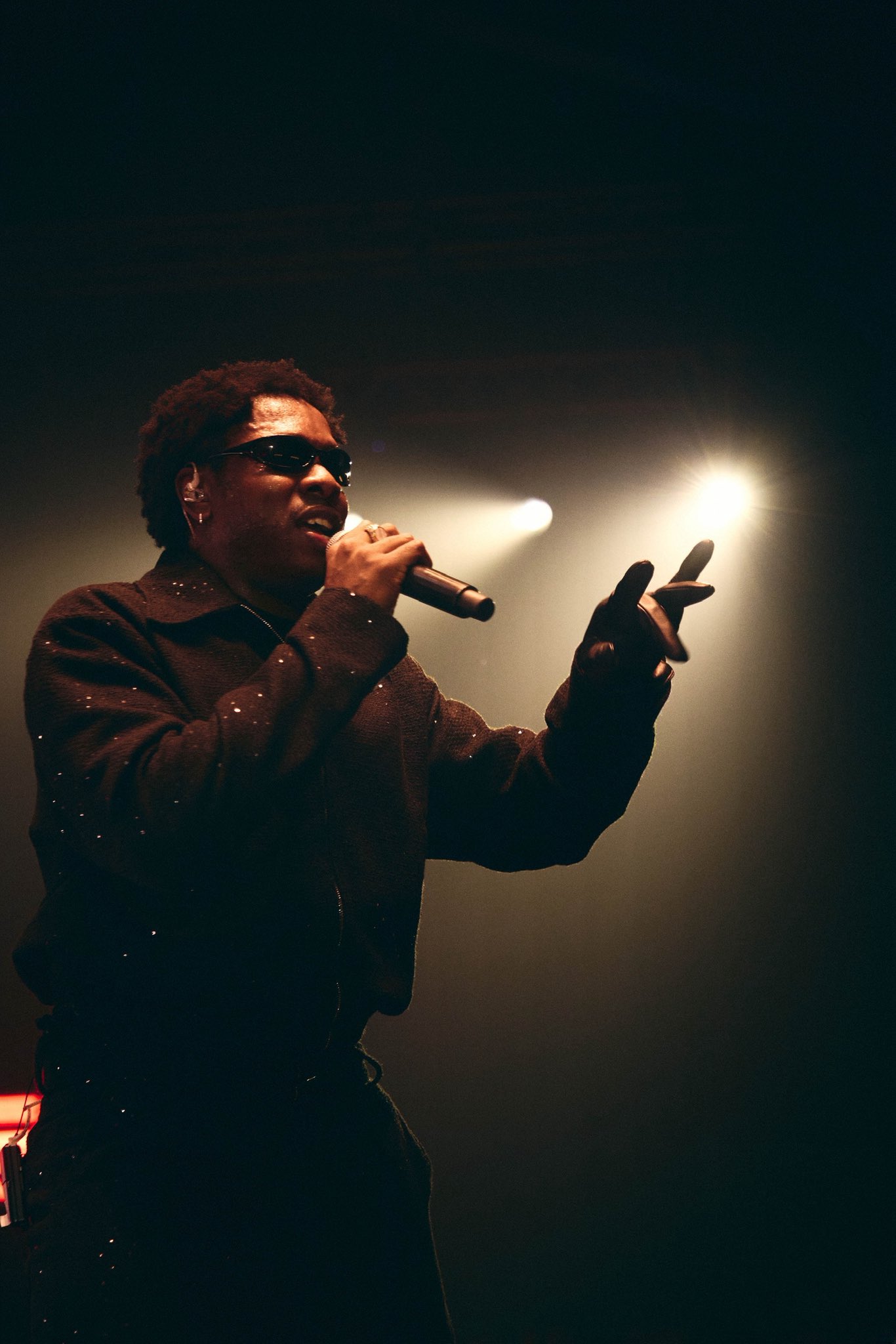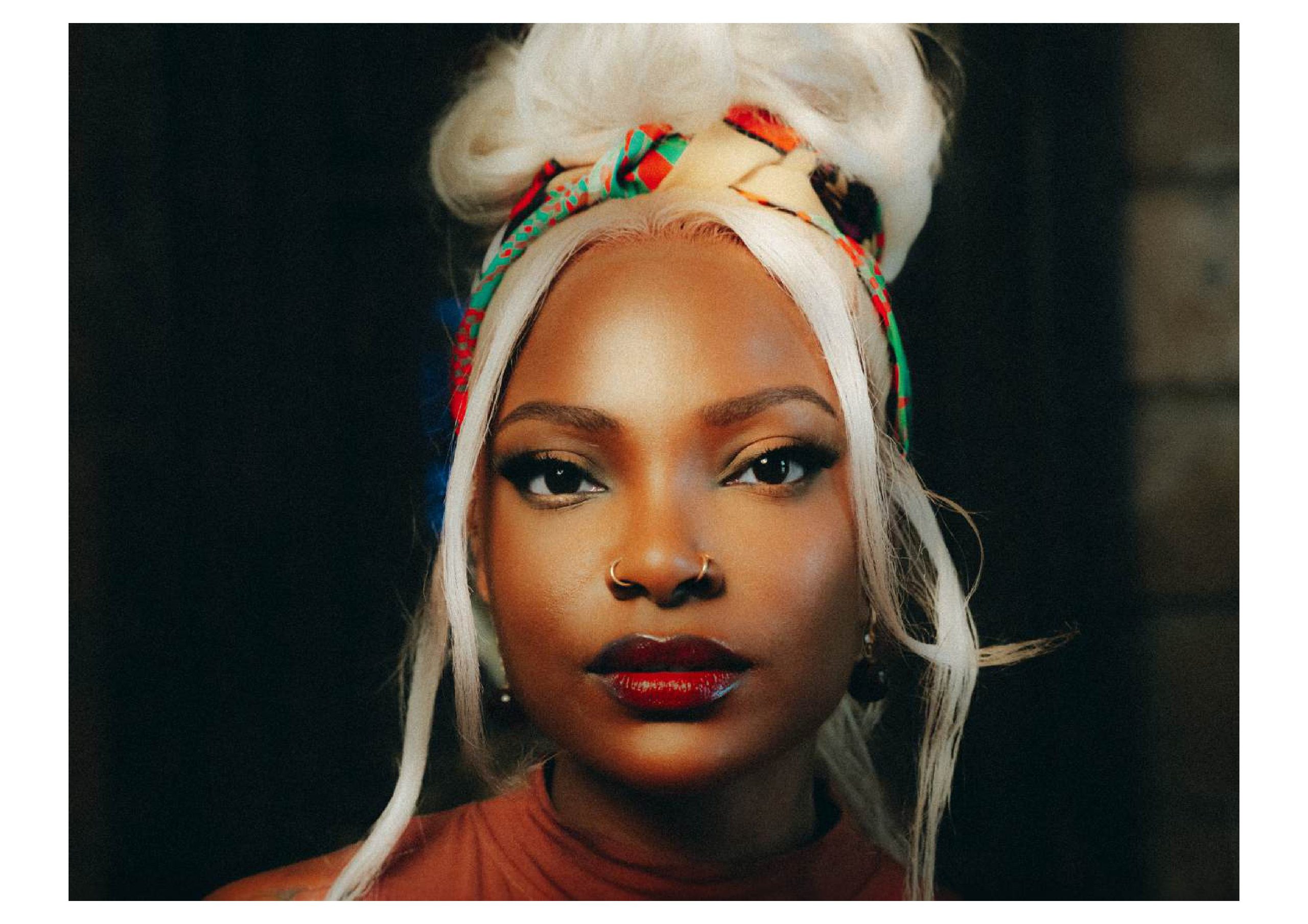
As the global music industry turns its attention to the 2026 Grammys, the conversation once again drifts toward trophies, speeches, and red carpets. But long before the gold statues are handed out, the real story has already been written ; in studios across Lagos, Accra, Nairobi, Johannesburg, London, Atlanta, Kingston, and beyond.
It lives in the sounds shaping culture daily, whether or not they receive institutional acknowledgment.
The Grammys remain one of the most visible arbiters of musical prestige, yet they operate on a timeline that often trails behind cultural reality. While African and diasporic sounds continue to dominate global charts, touring circuits, fashion, and digital culture, their recognition within traditional award frameworks still feels selective, delayed, or narrowly categorized.
Afrobeats, Amapiano, Afro-R&B, alternative African pop, and diasporic hybrids are no longer emerging genres , rather they are defining the mainstream. And yet, their treatment at the Grammys often suggests otherwise.

This disconnect isn’t new. Historically, institutions move slower than culture. They rely on categories, committees, and frameworks that struggle to keep pace with music that is borderless by design. African artists today are not merely exporting sound; they are shaping global taste in real time by influencing production styles, songwriting structures, visual aesthetics, and even how audiences engage with music as lifestyle.
The question one would ask, then, is not whether African music is “Grammy-ready,” but whether the Grammys are structurally ready to fully engage with Africa on its own terms.
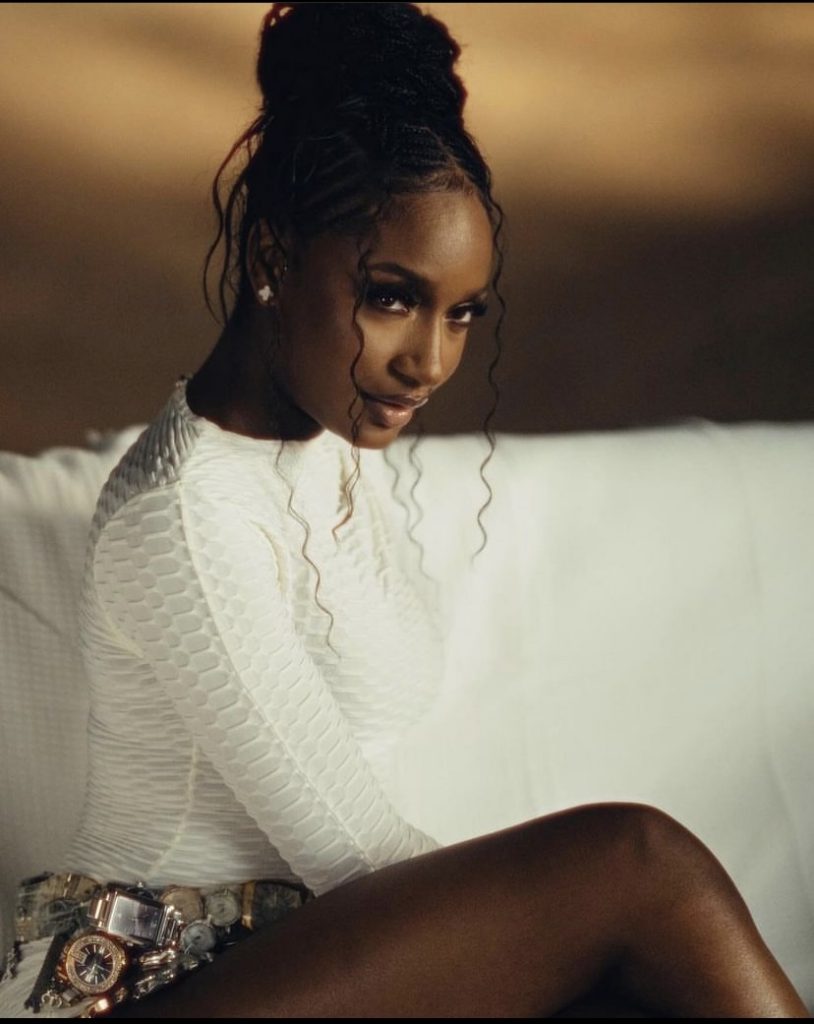
Beyond headline nominations, African presence at the Grammys often exists in subtler but significant ways: producers, engineers, songwriters, and creative directors contributing to nominated works across genres; rhythmic sensibilities and sonic textures rooted in African traditions embedded within global pop and R&B records; diaspora artists navigating dual identities that defy neat classification.
These contributions rarely dominate award narratives, yet they are foundational to the sound of contemporary global music.
At Music Custodian, we view moments like the Grammys not as final verdicts, but as cultural checkpoints. They offer an opportunity to ask better questions: Who is being recognized, and why? Who is missing, and what does that omission reveal?
How do awards shape perception, and where do they fall short in capturing lived musical realities? These questions matter because they influence how history is written – and whose stories are centered within it.
Ultimately, the Grammys are one moment in a much longer arc. Culture does not wait for validation, and African music has never depended on permission to move forward. Long after the trophies are shelved, the work continues: records released quietly that reshape sound, artists building legacies without spectacle, and communities listening deeply rather than loudly.
As the 2026 Grammys approach, we choose to look beyond the ceremony ; toward the processes, people, and movements that define this era of music. Because the most important recognition is not always televised. Sometimes, it’s found in longevity, influence, and the quiet certainty that culture already knows who its architects are.
Whilst we are at it , kindly see the playlist below that edifies and highlights African Music Legends and the bedrock of what has contributed to the elevation of global music taste today.