Coachella 2026 highlights the rise of Black music and African sound as central forces shaping the global stage and music industry.
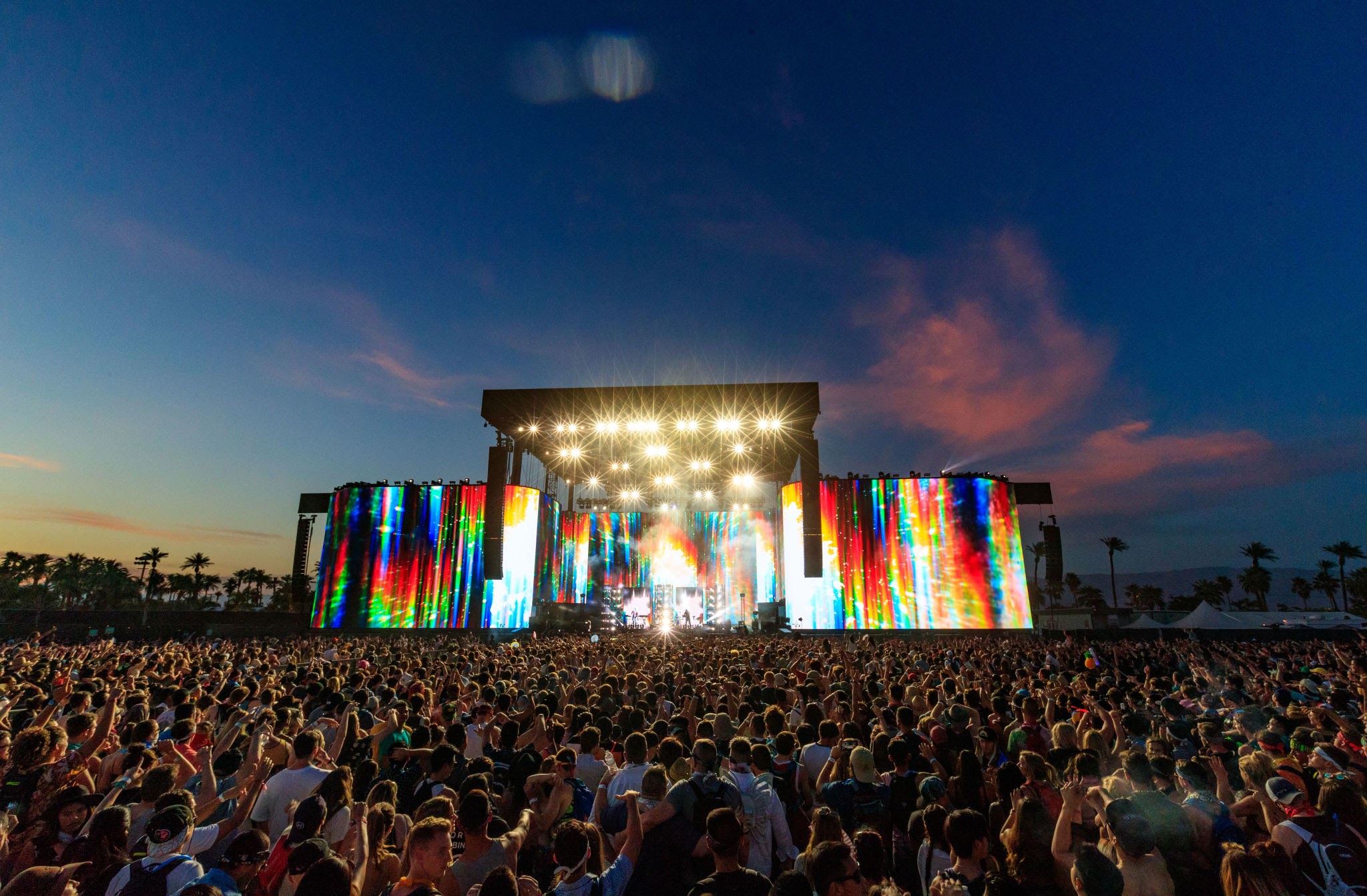
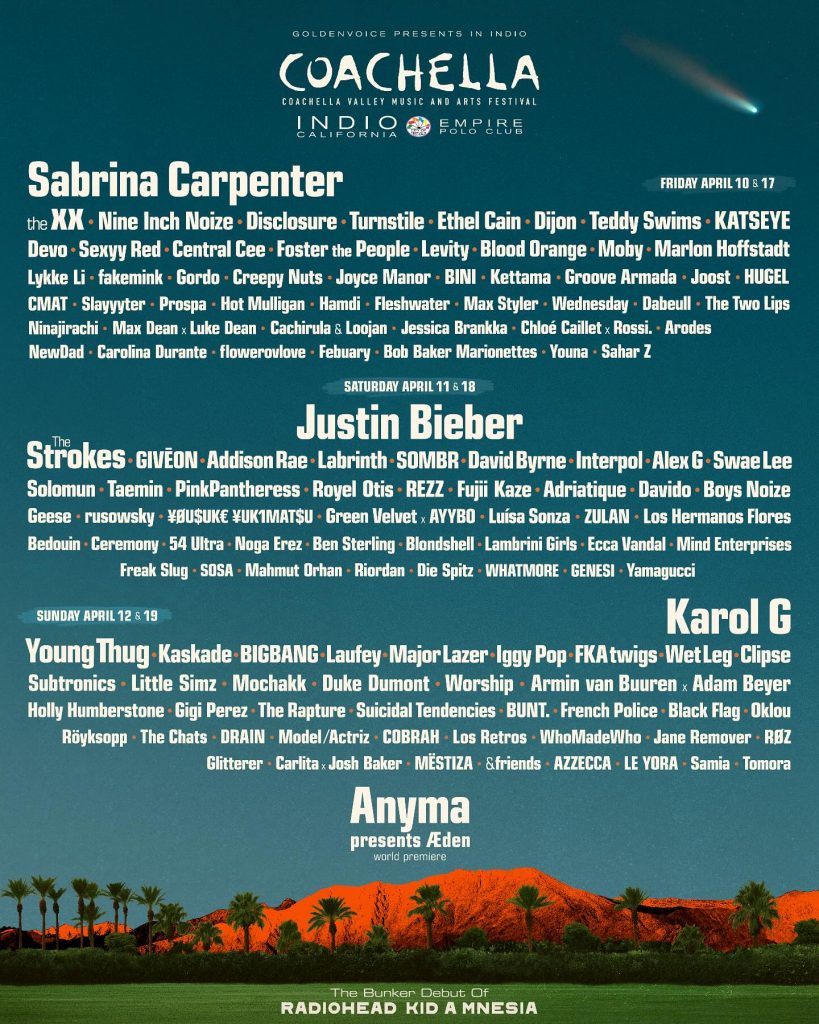
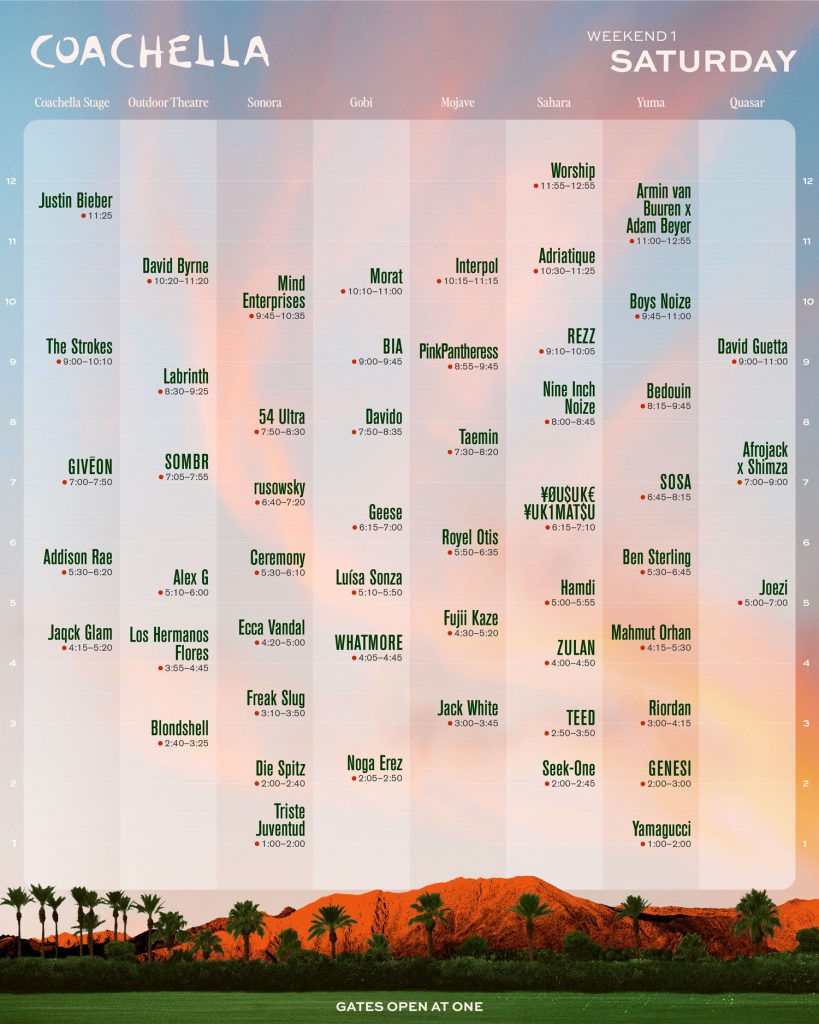
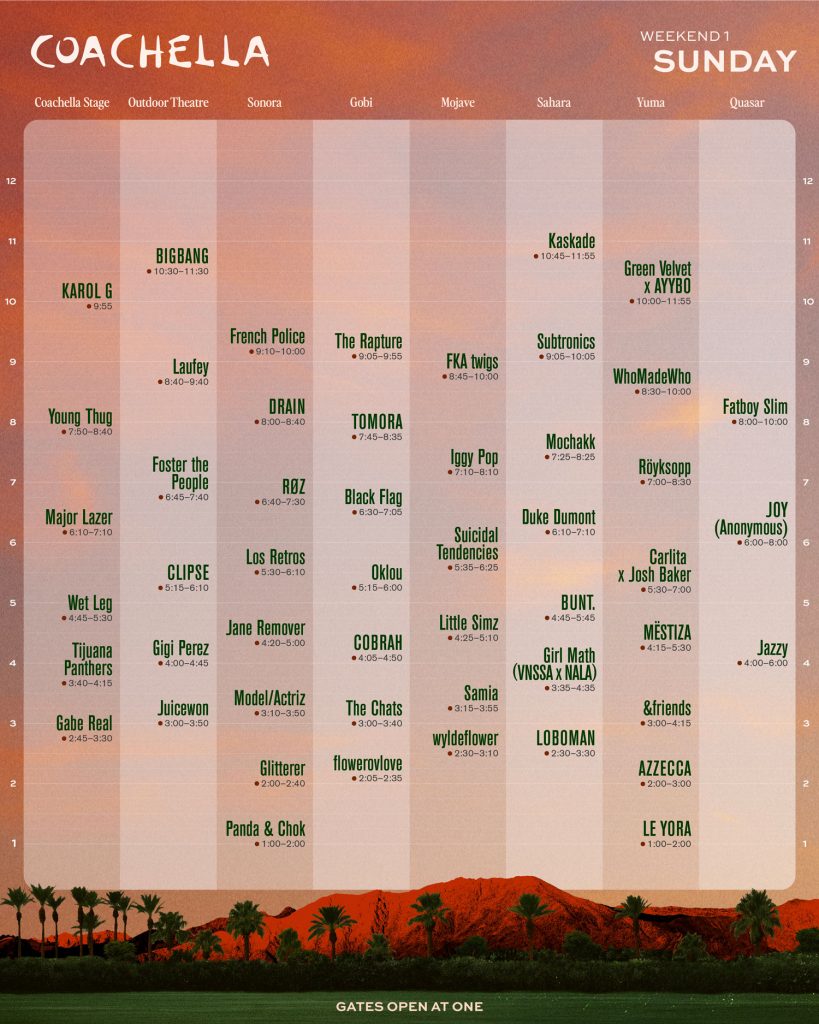
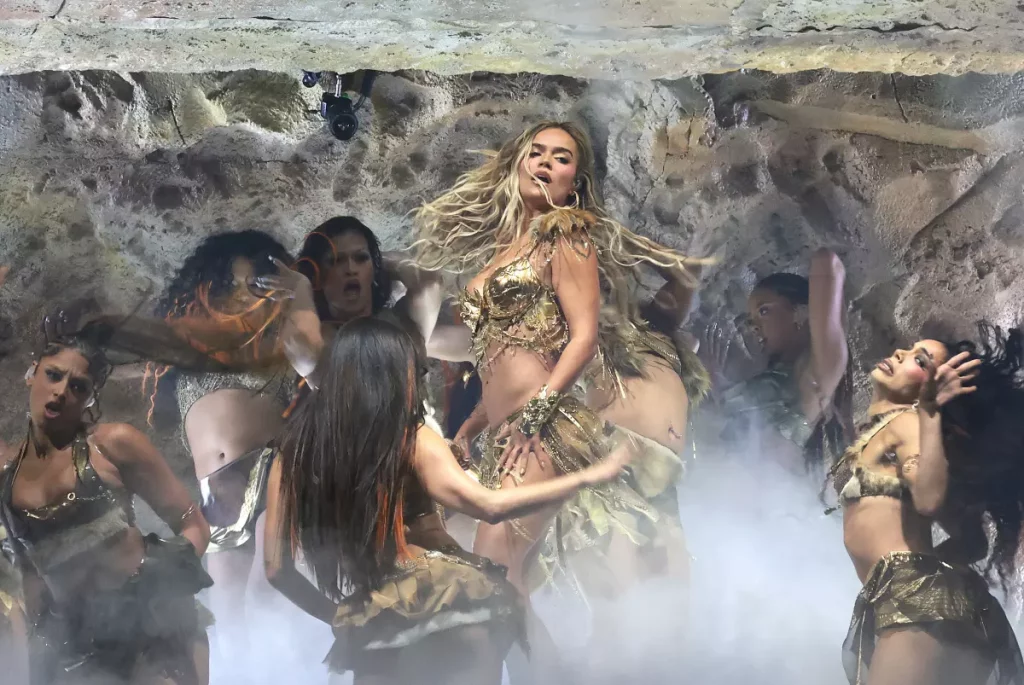
The 2026 Coachella Valley Music & Arts Festival is currently underway at the Empire Polo Club in Indio, California, featuring a historic headlining set by Karol G as the first Latina woman to headline, alongside performances from artists like Justin Bieber.
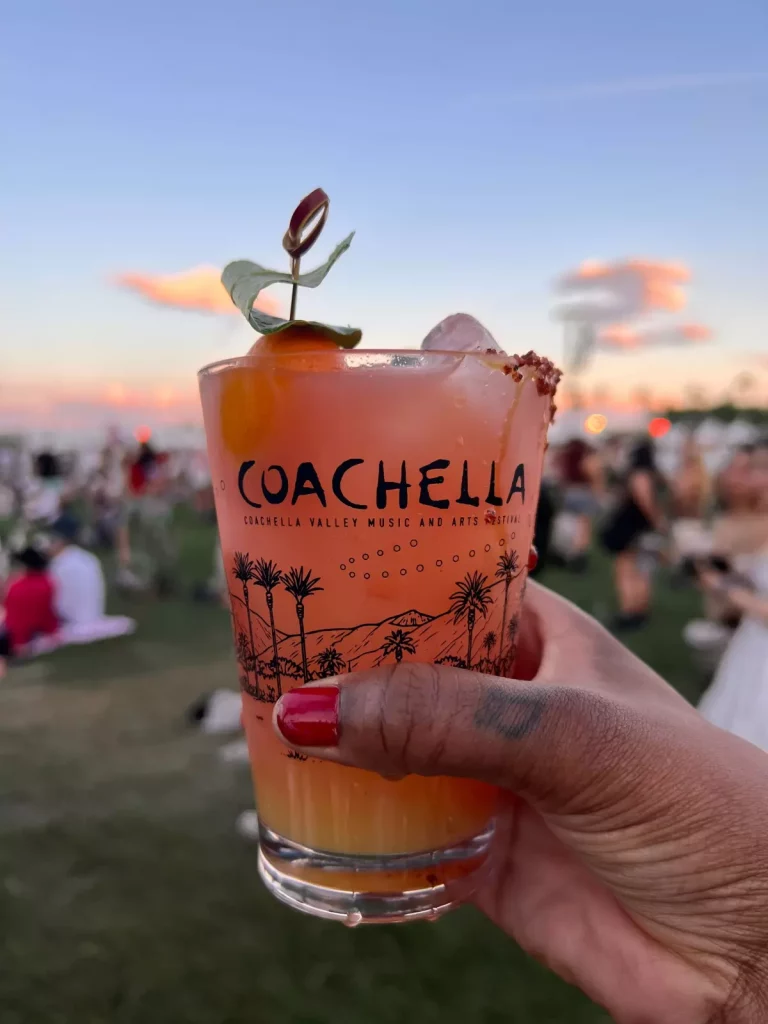
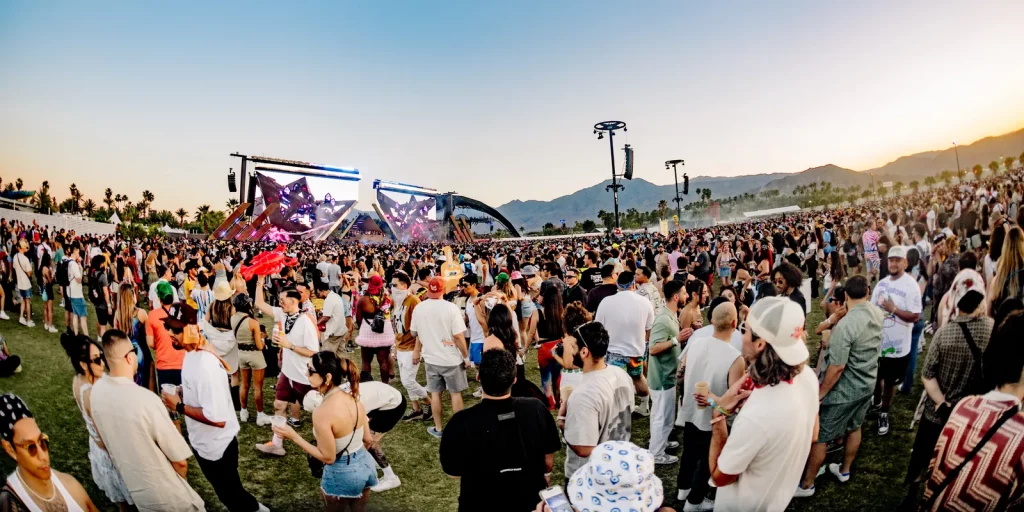
The festival runs over two weekends in April, showcasing diverse music, large-scale art, and camping, with live streaming available on YouTube.
Over the past decade, the global music landscape has undergone a measurable reconfiguration, one in which Black musical traditions – long foundational yet frequently peripheralized within institutional structures – have moved decisively toward the center of cultural production and consumption.
Within this shift, African music, particularly in its contemporary forms such as Afrobeats and its related sonic ecosystems, has transitioned from a position of emergent visibility to one of sustained global relevance.
The 2026 edition of Coachella provides a useful case study through which to examine this transformation. As one of the most influential festivals in the global cultural calendar, Coachella functions not merely as a performance platform but as a site of validation, circulation, and symbolic capital. Its programming decisions often reflect – and in turn shape – the hierarchies of global music.
An analysis of the Weekend 1 lineup reveals not simply diversity, but a deeper structural integration of Black and African musical forms into the logic of global festival curation.
This essay argues that Coachella 2026 demonstrates a decisive shift from representational inclusion toward systemic integration, while also exposing the persistent asymmetries in ownership and infrastructural control that continue to define the global music economy.
Black Musical Forms as Structural Core
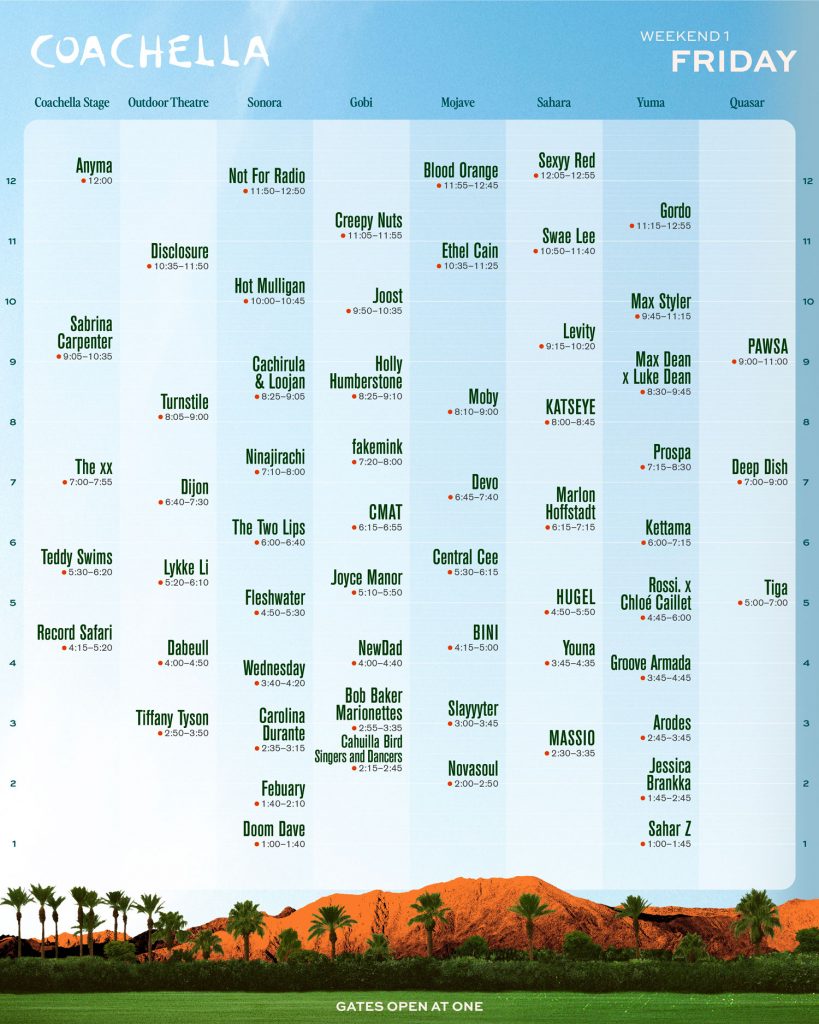
A preliminary reading of the Coachella 2026 schedule indicates a broad distribution of Black artists across stages and time slots, rather than their confinement to niche programming categories.
Artists such as Swae Lee, Sexyy Red, and Giveon occupy strategically significant positions within the festival’s temporal architecture, particularly in late-evening and prime audience windows.
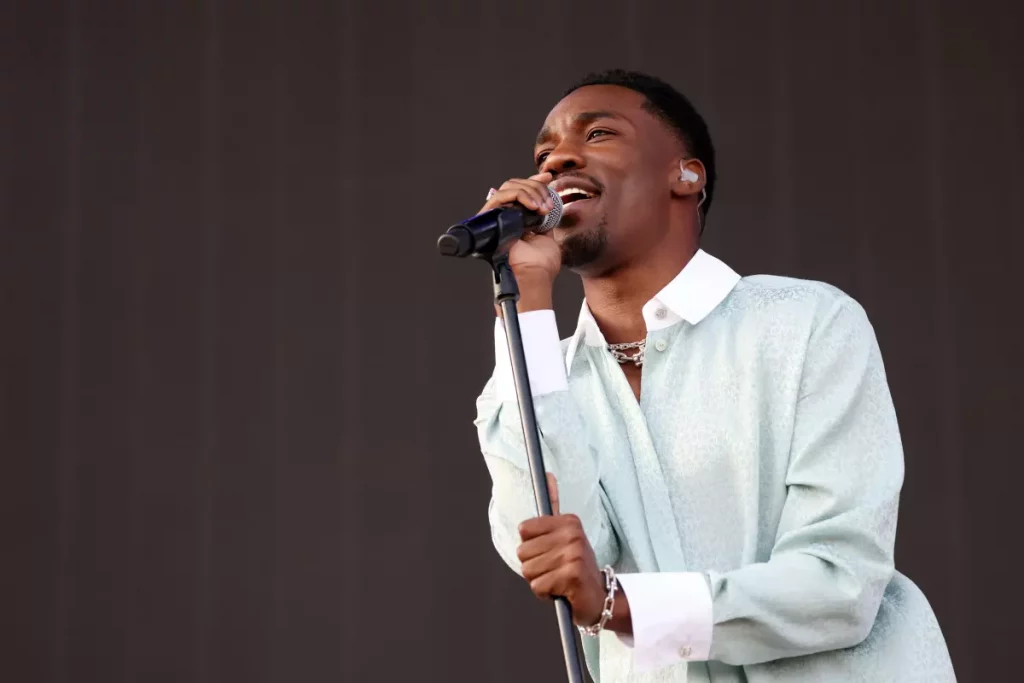
This dispersion is not incidental. It signals a curatorial acknowledgment that Black musical forms – rap, R&B, and their hybrid derivatives – are no longer genre-specific offerings but rather constitute the dominant grammar of contemporary popular music.
The presence of Central Cee further extends this framework transnationally, demonstrating how Black British expressions, particularly drill and its variants, have been incorporated into the global circuit of festival performance.
What emerges, therefore, is not a narrative of diversity but one of centrality. Black artists are not positioned as supplements to a broader musical field; they are, increasingly, the field itself.
On African Music and the Question of Continuity
Within this broader configuration, the presence of Davido is particularly instructive. His placement within the Saturday lineup – occupying a prominent evening slot – reflects a level of institutional trust and audience expectation that marks a departure from earlier eras of African representation at global festivals.
Historically, African artists have appeared in such contexts as emblematic figures, often invited to signify global diversity or to provide moments of novelty. In contrast, Davido’s inclusion suggests a different logic: one predicated on continuity rather than exception. His extensive catalogue, consistent touring history, and established global audience position him not as a peripheral addition but as a reliable contributor to the festival’s core programming.
This distinction is critical. It indicates that Afrobeats, as a sonic and cultural formation, has moved beyond the threshold of “crossover” into a phase of normalization within global music circuits. The genre no longer requires justification; its presence is assumed.
Safe to say we view the diaspora as a networked system, Coachella 2026 also foregrounds the increasing interconnectedness of Black musical production across geographic boundaries. The lineup suggests a dense network of diasporic exchange, in which African, African-American, and Black British artists operate within a shared ecosystem of influence, collaboration, and audience engagement.
Artists such as Swae Lee and Giveon, while rooted in American contexts, exist within a sonic environment that is deeply informed by African rhythmic structures and global Black aesthetics. Similarly, Central Cee’s work reflects the hybridization of Caribbean, African, and British urban sounds. These intersections are not always explicit, but they are structurally embedded in the music itself.
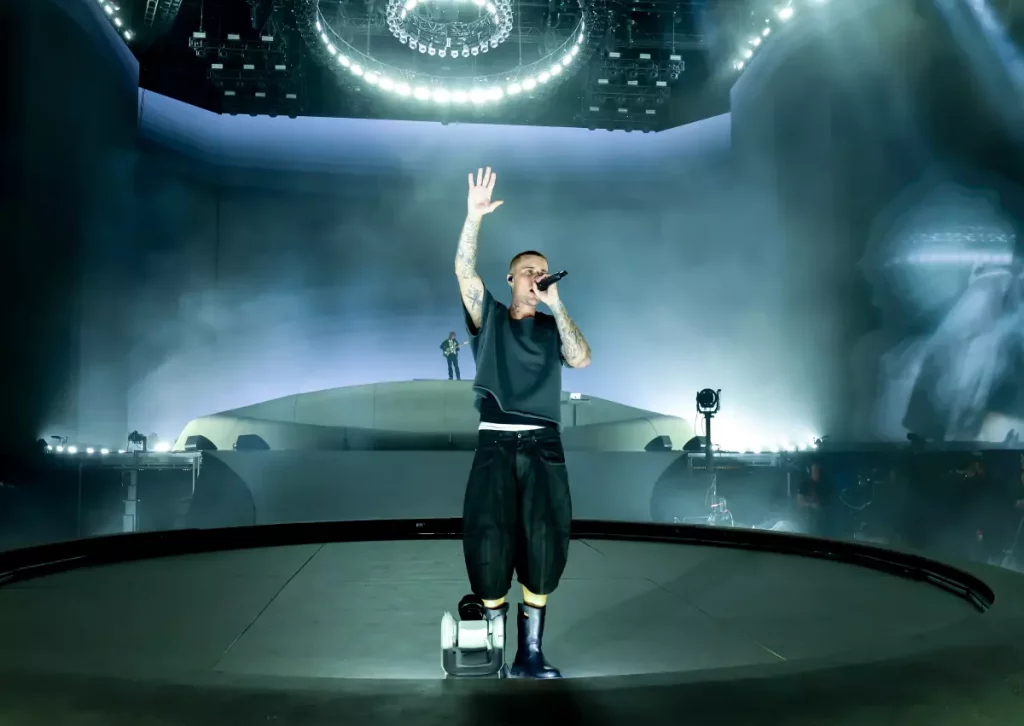
The festival thus becomes a site where diaspora is not merely represented but enacted. It reveals a cultural formation that is less about origin than about circulation – a system in which sounds, styles, and identities move fluidly across borders. In this sense, Coachella operates as a node within a larger network, one that both reflects and accelerates the global exchange of Black musical ideas.
Spotlight On The Festival’s Economies and the Limits of Visibility
Despite these advances in representation and integration, Coachella 2026 also underscores the limitations of visibility as a metric of progress. While African artists and Black musical forms occupy increasingly central positions on stage, the underlying structures that govern festival production remain largely unchanged.
Ownership of major festivals continues to reside within Western corporate entities. Booking agencies, sponsorship frameworks, and distribution channels are similarly concentrated within a relatively narrow set of institutional actors. As a result, the inclusion of African artists within these systems does not necessarily translate into equitable participation in their governance or economic benefits.
This disparity raises important questions about the nature of global musical integration. If African music is now a core component of global sound, then its long-term sustainability depends not only on performance opportunities but on the development of parallel infrastructures – festivals, platforms, and distribution networks – that are rooted within the continent and responsive to its specific contexts.
To think from representation to institutionalization, the shift observed at Coachella 2026 can therefore be understood as part of a broader transition from representation to institutionalization. African and diasporic Black artists are no longer seeking entry into global spaces; they are actively shaping them. However, the extent to which this influence translates into structural power remains uncertain.
For African music, the next phase of development will require a reorientation from visibility toward ownership. This includes the creation of scalable infrastructures capable of supporting artists across different stages of their careers, as well as the establishment of institutional frameworks that can negotiate with global partners on more equal terms.
Such developments would not replace platforms like Coachella but would complement them, ensuring that African music’s global presence is supported by a robust and self-sustaining ecosystem.
To conclude, Coachella 2026 offers a compelling illustration of the current state of global music culture.
It confirms the centrality of Black musical forms and the growing integration of African sound within international festival programming. At the same time, it highlights the structural imbalances that continue to shape the industry, particularly in relation to ownership and infrastructure.
The significance of this moment lies not in the fact that African artists are present on global stages, but in the implications of that presence. It signals a shift in cultural power, one that is still in the process of being negotiated and defined.
Ultimately, the future of African music within the global system will depend on its ability to move beyond performance toward institutional control. The stage has been secured. The question that remains is whether the systems behind it can be transformed to reflect the same level of influence.