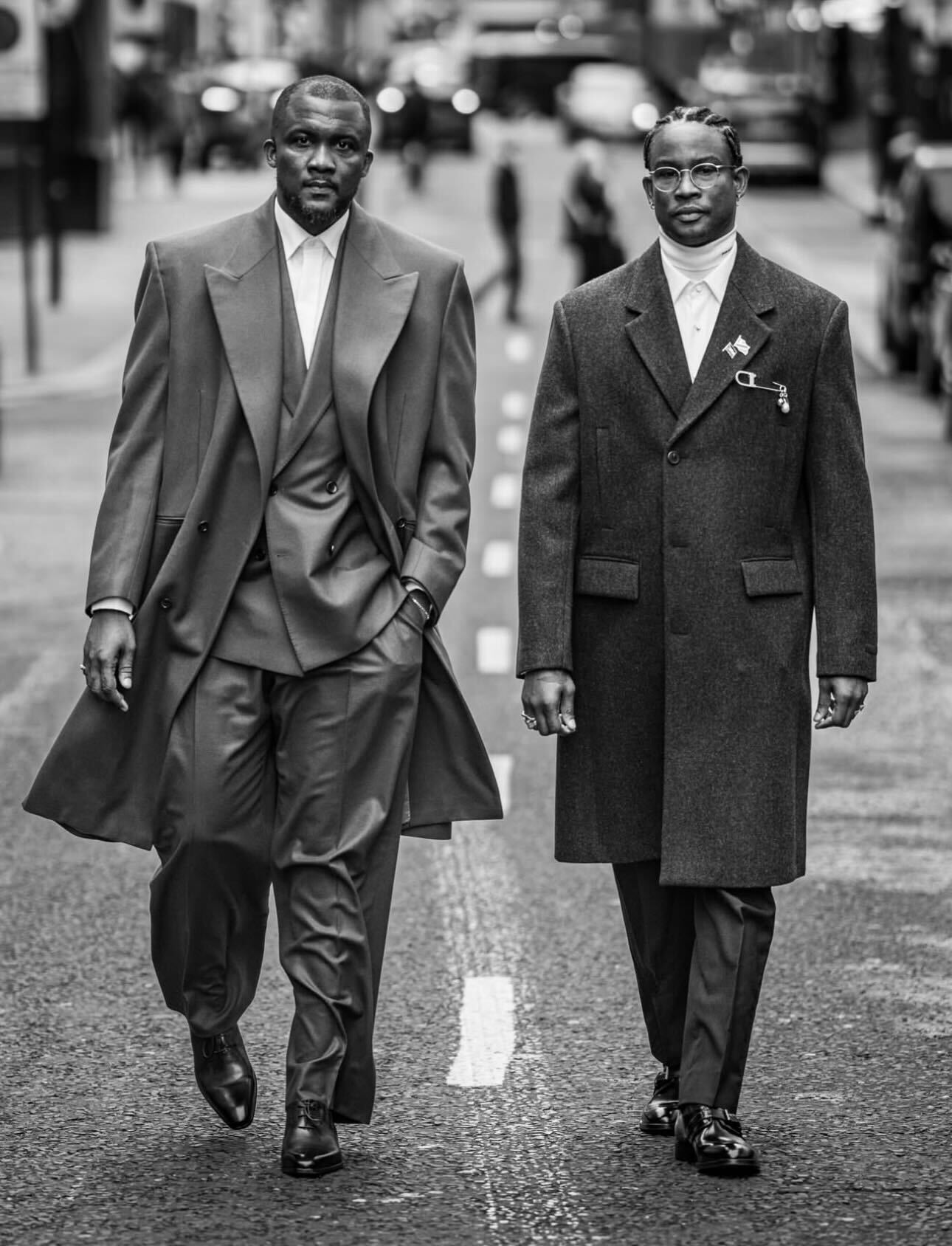
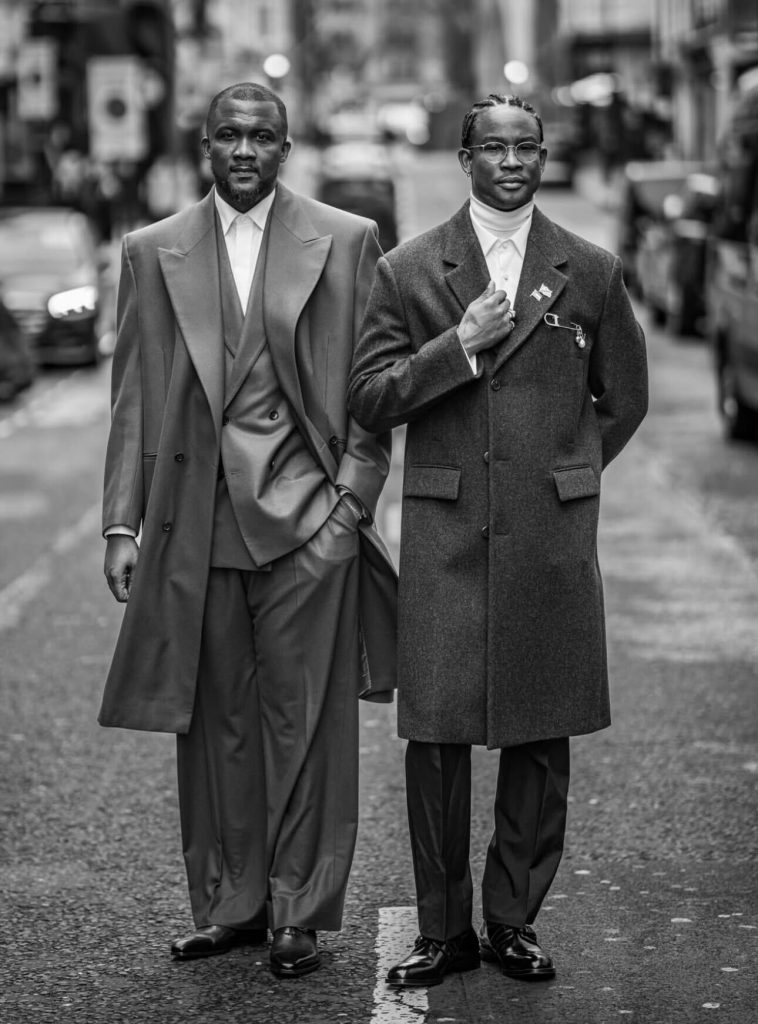
At the EE British Academy Film Awards, when Wale Davies and Akinola Davies Jr. won Outstanding British Debut for My Father’s Shadow, the applause felt larger than cinema.
It felt familiar.
Because for those paying attention, this wasn’t just a film victory. It was a structural echo of something African music has already lived through. The arc. The resistance. The eventual recognition.
And perhaps most importantly — the reminder that cultural dominance precedes institutional validation.
For decades, Afrobeats did not ask to be seen. It simply existed. It thrived in Lagos clubs, in Accra studios, in diaspora house parties across London and Toronto. It moved before institutions caught up. It built audience before it built trophies. Long before Grammy wins and global festival headlining slots, African sound had already reshaped dance floors, streaming charts, and global youth identity.
The awards came later.
They did not create the movement. They responded to it.
Today, African film is tracing a similar path.
Film Today, Music Yesterday
My Father’s Shadow explores the realm of more than just a film, a diasporic meditation rooted in Nigeria’s political history, shot in Lagos, spoken in English and Yoruba, and now recognized on one of Britain’s most prestigious stages.
Wale Davies, known musically as Tec of Show Dem Camp, has long operated at the intersection of lyricism, narrative, and cultural preservation. Show Dem Camp built its reputation not through viral sensationalism but through textured storytelling – Nigerian urban memory, socio-political nuance, diaspora awareness.
It is no coincidence that this same sensibility has now translated into film.
This BAFTA win feels like Afrobeats in 2016, one that is present, undeniable, yet still being “introduced” to institutions that were late to the room.
Recognition is growing. But the culture was already global.
African cinema, like African music before it, has long been culturally dominant within its own ecosystems. Nollywood has produced staggering volumes. Independent African filmmakers have toured festivals for years. Diaspora directors have shaped narratives outside studio systems. What is shifting now is not creative capacity – it is institutional acknowledgment.
And that distinction matters.
Cultural Dominance vs Institutional Validation
Cultural dominance is organic.
Institutional validation is formal.
Cultural dominance means people are consuming you, dancing to you, quoting you, streaming you, building identity around you. It is grassroots. It is diaspora-driven. It is sustained by community.
Institutional validation means awards, red carpets, official recognition, critical endorsement.
Afrobeats achieved cultural dominance years before it achieved institutional validation. By the time Burna Boy lifted a Grammy, millions were already listening. By the time Tems stood on global stages, the sound had already reshaped contemporary pop production.
The trophies did not give Africa relevance. They acknowledged it.
The same dynamic is unfolding in film.
When African stories resonate across continents – through streaming platforms, diasporic audiences, and independent circuits – institutions eventually adjust. Not always out of enlightenment, but out of necessity. Relevance demands evolution.
But there is a danger in confusing validation with value.
If creatives begin to shape their work primarily for awards, the culture risks dilution. The healthiest ecosystem is one where culture builds power on its own terms – and institutions are forced to recognize that power, not manufacture it.
Awards are not the crown. They are the mirror.
The Diaspora as Strategic Bridge
There is another layer here.
Diaspora creatives are not merely participants. They are translators.
Wale Davies embodies this bridge. As one half of Show Dem Camp, he represents a lineage of Nigerian storytelling deeply rooted in place. As a filmmaker operating across British and Nigerian contexts, he navigates multiple institutional systems.
Diaspora creatives often hold dual fluency:
They understand global industry language. They retain African cultural memory.
Afrobeats’ acceleration globally was fueled by this bridge – London producers, Atlanta collaborations, Toronto radio support, Paris festival circuits. The diaspora did not dilute the culture. It amplified it.
Film is now following this same arc.
African filmmakers operating between continents are reshaping how Africa is framed ; not through exoticism, but through complexity. Not as spectacle, but as lived history.
They are not exporting culture. They are correcting narrative.
Infrastructure Is the Real Prize
But here is where the conversation must move beyond applause.
Awards are symbolic. Infrastructure is structural.
Afrobeats’ global endurance was not sustained by trophies. It was sustained by:
- Distribution networks expanding.
Publishing rights strengthening.
Touring circuits professionalizing.
Data analytics sharpening.
Strategic label partnerships forming.
Recognition without infrastructure fades.
Film must now undergo similar reinforcement.
African-owned production houses must scale globally. Distribution pipelines must not remain entirely Western-dependent. Funding bodies must invest long-term, not episodically. Archival institutions must document African cinema properly. Cross-sector collaboration between music and film must deepen.
Imagine soundtracks driving Afrobeats streams, musicians scoring African films, shared narrative universes expanding across media; and creative hubs supporting both disciplines structurally.
That is how validation becomes power.
Without infrastructure, recognition is temporary.
With infrastructure, recognition becomes inevitable.
The Real Question
The question is no longer whether African creatives can win awards.
The real question is:
Can African institutions build systems strong enough that awards become inevitable , rather than exceptional?
Afrobeats answered that question sonically.
Film is now answering it visually.
And the task ahead is not celebration alone; it is construction.
Platforms like Music Custodian exist at this intersection – not merely to report wins, but to contextualize them. To document memory. To frame momentum. To connect sound and screen within a broader African creative arc.
Because movements trend. But institutions endure.
And African creativity is no longer asking for permission. It is building permanence.