The Watendawili member takes a more personal route on his four-track solo EP, Gweth, drawing together faith, love, cultural expression and the determination to keep moving.
There is a particular kind of confidence in recognising how far one has travelled without losing sight of how much further there is to go. It is an understanding that achievement and aspiration can exist together: gratitude for the present, accompanied by an appetite for what comes next.
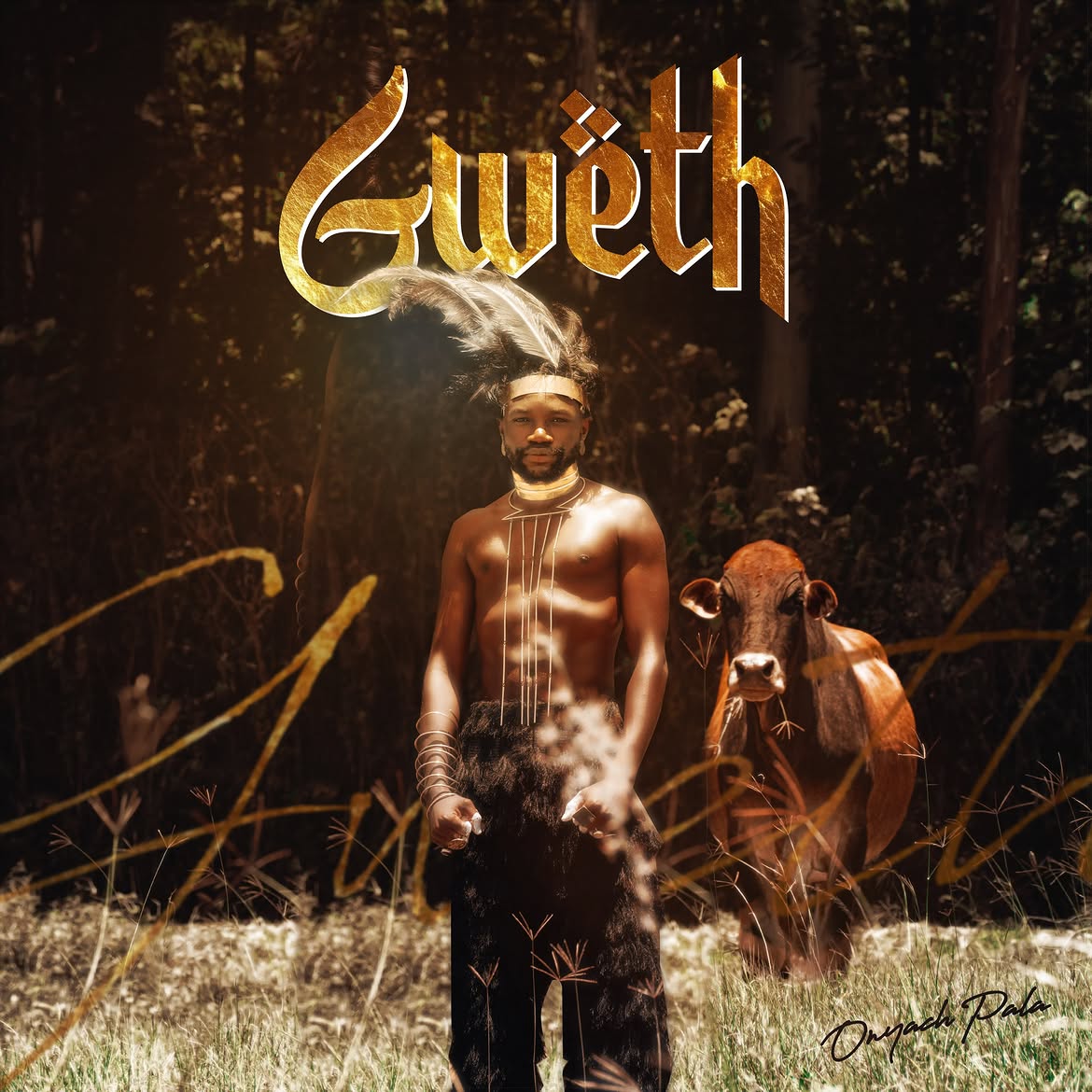
That sentiment sits at the heart of Gweth, the four-track EP from Kenyan singer, songwriter and musician Onyach Pala. Released on November 6, 2026, the project takes its title from a Dholuo word meaning blessings.
Across its relatively brief runtime, Onyach considers the things that sustain a person through uncertainty: faith, love, a sense of belonging and the conviction that the journey is still unfolding.
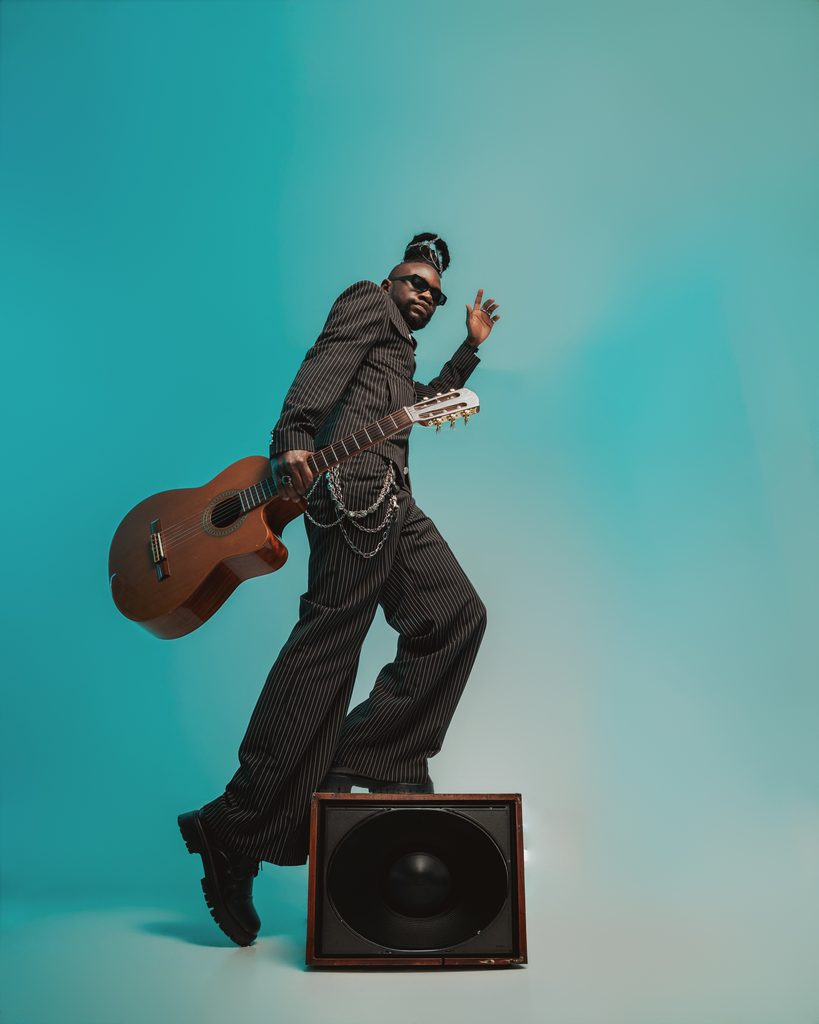
For an artist whose work with Watendawili has helped establish a distinctive place within Kenya’s contemporary music landscape, Gweth offers another perspective. It brings the listener closer to Onyach outside the collective, giving his individual songwriting and musical sensibilities room to take shape.
Gweth is a language of gratitude
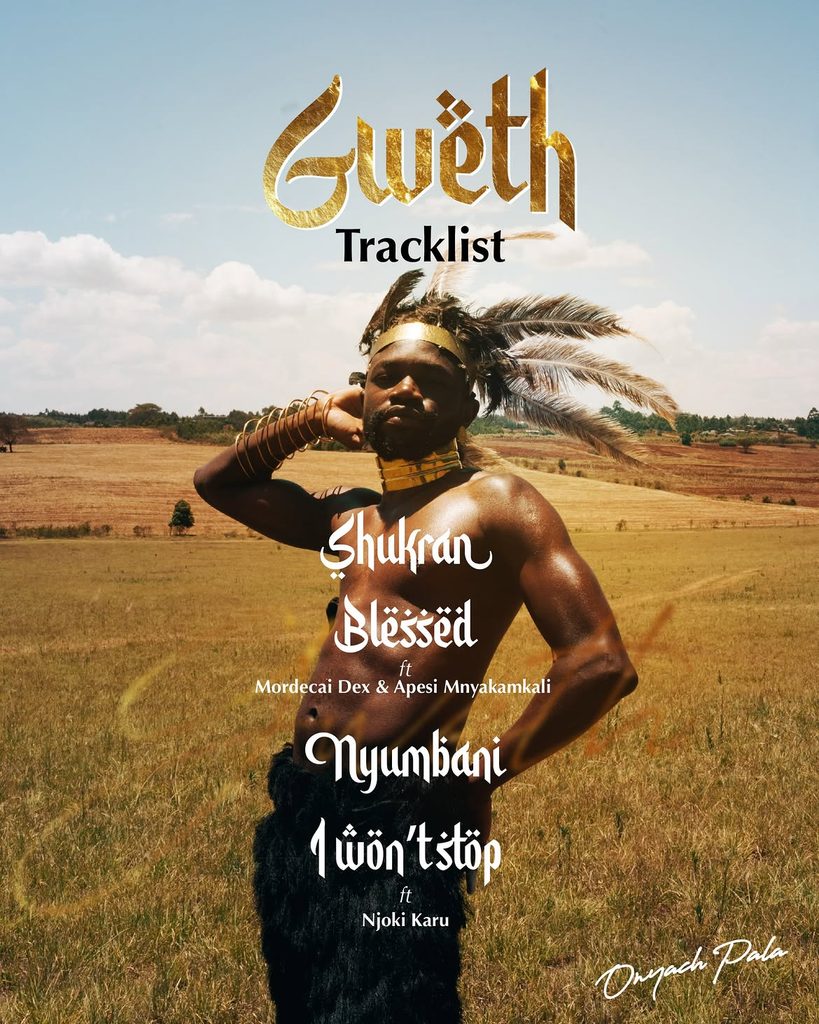
The EP opens with “Shukran”, a title drawn from the Arabic expression of thanks. The song brings together English, Swahili, Luo and Sheng, with Onyach reflecting on work, ambition, the pursuit of financial stability and the importance of remaining grateful along the way.
Its central idea is not that ambition should be abandoned in favour of contentment. Rather, the two can coexist. The desire to achieve more does not have to diminish an appreciation of what has already been received.
That distinction gives the opening track its purpose. “Shukran” establishes gratitude as the project’s point of departure, while its blend of languages places Onyach’s expression within the everyday cultural exchanges that shape contemporary Kenyan music.
“Blessed”, featuring Mordecai Dex and Apesi Mnyamamkali, extends that reflection into a more explicitly spiritual space. The song acknowledges the movement between difficult periods and moments of fulfilment, with faith providing a point of stability.
The three performers bring their voices to a record concerned with perspective: the recognition that life’s highs and lows are both part of the experience. Onyach remains at the centre of the song, while the contributions from Mordecai Dex and Apesi broaden its emotional and vocal character.
Gweth and what Home means.
Where the opening records consider gratitude and faith, “Nyumbani” turns towards intimacy and belonging.
Performed in Swahili and English, the song explores the reassurance of having someone who remains present through difficult moments. Its idea of home is expressed less as a physical destination than as the comfort of knowing that one has somewhere, or someone, to return to.
This gives the EP an important emotional dimension. Gweth is not solely concerned with personal ambition or the material rewards that may accompany it. It also recognises the relationships and forms of support that make the pursuit of a better life meaningful.
The production by Karlel Beats and Run provides the setting for this more intimate expression, allowing the song to sit comfortably within the project’s reflective mood.
The determination to continue
The closing track, “Won’t Stop”, featuring Njoki Karu, brings the EP’s ideas into focus.
The song addresses uncertainty, adversity and the decision to keep moving despite not having every answer. Its recurring Swahili and English expressions of forward motion give the record a sense of resolve. Njoki Karu’s presence adds another voice to that determination, making the closing collaboration feel like an exchange rather than a solitary declaration.
Placed after the reflections on gratitude, faith and belonging, the song completes a thoughtful sequence. The journey does not end with recognising one’s blessings; it continues through the willingness to work, endure and believe in the possibilities ahead.
Beyond the collective
Gweth is also worth considering within the wider development of Onyach Pala as a musician.
His work with Watendawili has placed him within a creative partnership recognised for its engagement with contemporary Kenyan experiences, layered storytelling and local cultural references. The duo’s Hekaya EP, for instance, drew on stories of love, grief, loss and celebration, while incorporating languages and influences that speak to different parts of Kenya’s musical identity.
His solo project does not require a departure from that foundation. Instead, it provides an opportunity to examine a more individual set of concerns. The songs retain an interest in language, melody and emotional storytelling, but the perspective is more directly personal.
There is also a wider significance in the project’s multilingual character. English, Swahili, Luo and Sheng are not simply interchangeable lyrical choices. They allow Onyach to communicate different shades of experience while remaining connected to the linguistic realities of his environment. This is part of what makes contemporary Kenyan music worth documenting: artists are continually negotiating global musical influences alongside the languages, histories and experiences that inform their own creative identities.
Gweth Is a small project with a clear point of view
At four tracks, Gweth is a concise release. Its strength lies in the consistency of its subject matter rather than an attempt to cover every aspect of Onyach’s musical range.
The project moves from giving thanks to recognising faith, from the reassurance of love to the resolve required to keep pursuing one’s ambitions. Its collaborators contribute to that movement without displacing the artist whose perspective holds the songs together.
For listeners discovering Onyach beyond Watendawili, Gweth offers a useful introduction to the concerns and sensibilities shaping his individual work. For those already familiar with his contributions to the duo, it provides another opportunity to understand the person behind the shared musical identity.
The title ultimately gives the project its simplest and most enduring idea. Blessings are not only measured by what has been achieved. They can also be found in the people who remain, the strength to continue and the perspective gained along the way.
With Gweth, Onyach Pala offers a musical acknowledgement of the journey so far, without suggesting that the journey is anywhere near complete.